
Main Courses
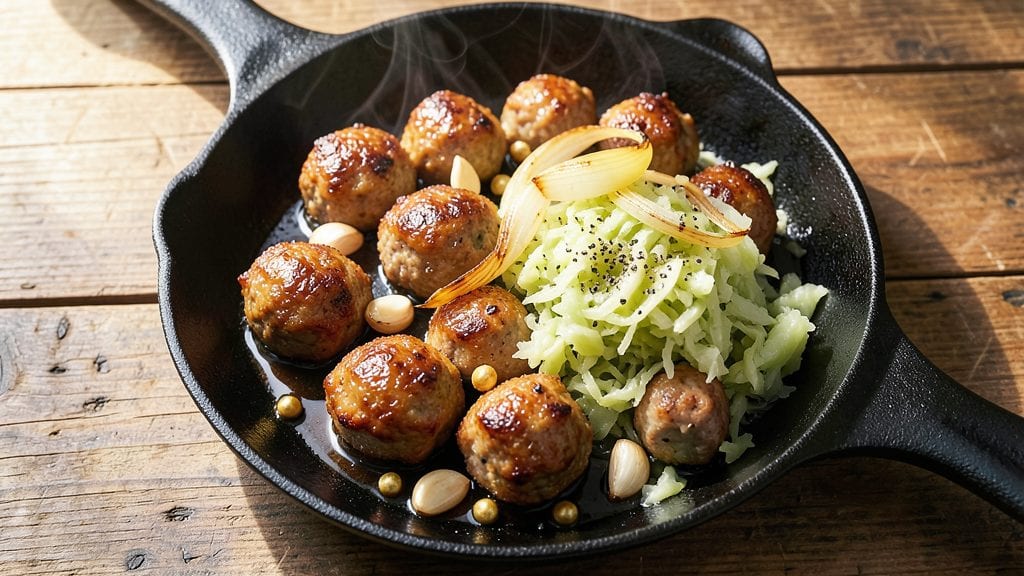
This pork balls and sauerkraut recipe brings together two bold flavors—tender, pan-browned pork meatballs with tangy fermented cabbage—that create a dish as satisfying as it is simple.
Growing up in small-town Georgia, I learned that pork could transform ordinary meals into something extraordinary, and this recipe proves that principle every time.
The key lies in the crispy exterior of the meatballs, achieved through careful browning, and the bright acidity of the sauerkraut, which cuts through the richness perfectly.
The process starts with ground pork mixed with just enough seasoning to enhance its natural flavor—no need for complicated marinades or fillers. After shaping the mixture into balls, they're seared in a skillet until golden, developing that irresistible crust while staying juicy inside.
Meanwhile, the sauerkraut gets warmed just enough to soften slightly without losing its signature tang. This balance of textures and flavors makes it a foolproof weeknight dinner that feels special.
What you'll end up with is a plate of crispy pork balls nestled in a bed of vibrant, slightly softened sauerkraut, all finished with a drizzle of caramelized onions for depth. The dish is hearty enough for a family meal but simple enough to prepare in under an hour.
It’s the kind of recipe that reminds you why home cooking beats takeout every time—rich, comforting, and packed with flavor that lingers.
Serve with crusty bread to soak up every last bit of juices, or pair it with a simple green salad for balance. The beauty of this dish is its versatility—it works as a main course for a casual dinner or as a centerpiece for a gathering.
Let’s get cooking with this classic combination that delivers restaurant-quality results at home.
Ingredients for pork balls and sauerkraut
Ground pork, tangy sauerkraut, and caramelized onions form the heart of this dish—simple ingredients with bold flavor.
| Ingredient | Amount | Notes |
|---|---|---|
| Ground Pork 🥩 | 1 ½ lb | 80% lean, no fillers |
| Sauerkraut 🥬 | 2 cups | Unpasteurized, jarred |
| Yellow Onions 🧅 | 1 whole | Thinly sliced for caramelizing |
| Garlic Cloves 🧄 | 4 cloves | Minced, fresh preferred |
| All-Purpose Flour 🌾 | ¼ cup | For binding meatballs |
| Egg 🥚 | 1 whole | Large, room temperature |
| Dijon Mustard 🍯 | 1 tbsp | For moisture and tang |
| Dried Thyme 🌿 | 1 tsp | Or 1 tbsp fresh thyme |
| Ground Black Pepper 🌶️ | ½ tsp | Freshly cracked preferred |
| Kosher Salt 🧂 | 1 tsp | Adjust to taste |
| Unsalted Butter 🧈 | 2 tbsp | For searing meatballs |
| Olive Oil 🫒 | 2 tbsp | For even browning |
| Apple Cider Vinegar 🍎 | 1 tbsp | Balances sauerkraut acidity |
| Fresh Parsley 🌿 | ¼ cup | Chopped, for garnish |
The ground pork is the foundation, so quality matters. Look for 80% lean pork at your butcher or grocery store—it stays juicy while browning beautifully. Costco or Whole Foods often carry high-quality ground pork without fillers, which makes a noticeable difference. If you're using pre-packaged, check the label for 'no added water'—that ensures a firmer texture. The sauerkraut should be unpasteurized for authentic tang; brands like Bubbies or Rehr's are reliable. Avoid the canned kind—it lacks the depth of fermented flavor.
No Dijon mustard? Yellow mustard thinned with a splash of water works in a pinch, though it won’t have the same depth. Fresh thyme is ideal, but if you only have dried, use one-third the amount. For the onions, yellow or red work equally well—just make sure they’re thinly sliced so they caramelize quickly. The apple cider vinegar is optional but recommended; it brightens the dish without overpowering. If you’re short on time, skip the caramelizing step and just sauté the onions until soft—they’ll still add sweetness, just not that rich, golden depth.
Caramelized onions keep for 5 days in the fridge if stored in an airtight container. The meatball mixture can be prepped ahead and refrigerated for 24 hours before cooking, which actually improves flavor as the seasonings meld. Sauerkraut releases liquid as it warms, so don’t drain it unless you prefer a drier texture. For leftovers, store the meatballs and sauerkraut separately—they reheat better that way. The dish freezes beautifully for up to 3 months, though the meatballs may lose a bit of their crispy texture after thawing.
Why You'll Love This Recipe
- One-Bowl Miracle: I swear by this—just mix the ground pork, sauerkraut, and flour right in the same bowl. No chopping, no fuss, and zero dishes beyond the pan. Honestly, I’ve made it while scrolling through emails.
- Crispy-Creamy Magic: That golden crust on the pork balls? Chef’s kiss. The flour coating gives it a satisfying crunch, while the sauerkraut’s tang keeps everything balanced. Between us, it’s the kind of dish that makes you go back for seconds without guilt.
- Leftover Goldmine: This recipe doubles perfectly for leftovers—reheat them in a skillet with a splash of water, and they taste just as good the next day. I’ll be real: my kids actually ask for it when I make too much.
- Budget-Friendly Feast: Ground pork stretches far, and sauerkraut adds bulk without breaking the bank. It’s my go-to when I need a hearty, filling meal that won’t empty my wallet—or my fridge. (Yes, even on a Tuesday night.)
Step-by-step instructions for pork balls and sauerkraut
Here's the method for achieving crispy, golden pork balls with perfectly balanced tangy sauerkraut.
Prepare the Pork Mixture
In a large mixing bowl, combine the 1.5 lb ground pork with the 0.25 cup all-purpose flour, 1 tbsp Dijon mustard, 1 tsp dried thyme, 0.5 tsp ground black pepper, and 1 tsp kosher salt. The flour helps bind the mixture while the mustard adds moisture and tang. Use your hands to mix everything thoroughly until the ingredients come together into a cohesive dough-like consistency.
Next, add the 1 whole egg and continue mixing until fully incorporated. The egg acts as a binder and helps create a tender texture in the pork balls. Here's the thing—don't overwork the mixture. Once everything is combined, stop mixing to avoid developing too much gluten, which can make the pork balls tough instead of tender.
Form and Chill the Pork Balls
Roll the pork mixture into 16 evenly sized balls, each about 1.5 inches in diameter. I use a kitchen scale for accuracy, dividing the total weight by 16 to ensure consistency. Place them on a parchment-lined plate and refrigerate for 30 minutes. This chilling step is crucial—it firms up the mixture so the pork balls hold their shape when you cook them.
While the pork balls are chilling, thinly slice the 1 whole yellow onion and mince the 4 cloves garlic. Heat 1 tablespoon olive oil in a large skillet over medium heat. Add the onions and cook for 5-6 minutes until they become soft and slightly caramelized. Stir in the garlic and cook for an additional 30 seconds until fragrant. Remove from heat and set aside—this aromatic base will enhance the flavor of the pork balls.
Sear the Pork Balls for Crispy Texture
In the same skillet, melt the 2 tbsp unsalted butter over medium-high heat until it foams. Add the chilled pork balls in a single layer, leaving space between them. Cook undisturbed for 3-4 minutes until the bottoms turn golden brown and crispy. This is where the magic happens—don't move them too soon. You'll know they're ready when the edges develop a deep, caramelized crust.
Carefully flip the pork balls and cook for another 3-4 minutes on the second side until they're evenly browned. Transfer them to a plate and tent loosely with foil to keep warm. The residual heat will continue cooking them slightly, ensuring they're fully done by the time you serve them.
Simmer the Sauerkraut
In the same skillet, reduce the heat to medium-low and add the 2 cups sauerkraut. Stir in the 1 tbsp apple cider vinegar and let the mixture simmer for 5-7 minutes until the sauerkraut softens slightly. The vinegar balances the tanginess of the sauerkraut, creating a harmonious flavor profile. If the mixture looks too dry, add 1-2 tablespoons of water to maintain moisture.
Return the pork balls to the skillet with the sauerkraut and gently toss to coat them evenly in the mixture. Cook for an additional 2-3 minutes to let the flavors meld together. The pork balls should be fully heated through, and the sauerkraut should be infused with their savory essence.
Finish and Serve
Transfer the pork balls and sauerkraut to a serving dish. Garnish with the 0.25 cup chopped fresh parsley just before serving. The parsley adds a fresh, bright contrast to the rich, tangy flavors of the dish. Serve immediately while the pork balls are still crispy and the sauerkraut is warm.
Each bite should deliver a perfect balance of crispy, savory pork balls and tangy, slightly sweet sauerkraut. The combination of textures and flavors makes this dish truly satisfying. Enjoy with crusty bread or over mashed potatoes to soak up every last bit of the delicious sauce.
Pro Tips For Making Pork Balls And Sauerkraut
- Drain That Kraut: Don’t skip draining the sauerkraut—just press it between paper towels for 10 minutes before cooking. The extra liquid makes your pork balls soggy, and no one wants that mushy texture ruining your crispy exterior.
- Brown the Pork First: High heat. Seriously, crank it up. Cook the ground pork in batches until it’s deeply browned—this locks in flavor and prevents a greasy finish. If you rush this, your pork balls will taste flat, no matter how much garlic you add.
- Flour Lightly, Handle Gently: Toss the pork mixture with just enough flour to bind—overdoing it makes the balls tough. Use your hands to form them into tight spheres (about 1.5 inches wide), but don’t pack them too hard or they’ll crack when frying.
- Fry in Small Batches: Skip the crowded pan—fry 4-5 pork balls at a time or they’ll steam instead of sear. This isn’t the prettiest method, but it guarantees a golden crust and juicy centers. Your future self will thank you.
Best sauces and condiments for this dish
Classic Mustard Sauce
My go-to sauce for these pork balls is a simple Dijon mustard reduction that ties everything together. In a small saucepan, combine 2 tbsp Dijon mustard, 1 tbsp apple cider vinegar, 1 tbsp heavy cream, and 1 tsp honey.
Simmer over low heat for 3-4 minutes until slightly thickened. Drizzle this over the finished dish just before serving—it adds a luxurious tang that cuts through the richness of the pork. 🍯
Caramelized Onion Jam
Take those caramelized onions from the recipe and turn them into a jam-like topping. After cooking them down in the skillet, add 1 tbsp brown sugar and 1 tsp balsamic vinegar, then simmer for an additional 5 minutes until syrupy.
Spoon this jam over the pork balls and sauerkraut right before serving—it adds a deep, sweet contrast that makes every bite unforgettable. I learned this trick from my time in Charleston, where sweet-savory pairings are king. 🍯
Sour Cream Dill Swirl
For a lighter option, mix ¼ cup sour cream with 1 tbsp chopped fresh dill, ½ tsp garlic powder, and a pinch of salt. Dollop this creamy mixture around the plate and swirl it into the sauerkraut just before serving.
The cool, tangy cream balances the heat and richness beautifully. This is especially nice if you're serving the dish at a summer gathering where lighter flavors are preferred. 🥛
Spicy Horseradish Kick
If you want to add some heat, prepare a quick horseradish cream by mixing 2 tbsp sour cream with 1 tbsp prepared horseradish and ½ tsp lemon juice. This sharp, peppery sauce adds a bold contrast to the pork and sauerkraut.
I keep this on the side for guests who love a little kick—it’s a great way to customize the dish for different tastes. 🌶️
Garlic Butter Drizzle
For an extra touch of indulgence, melt 2 tbsp butter with 2 minced garlic cloves and a pinch of salt in a small pan. Once golden, drizzle this fragrant butter over the pork balls right before serving.
The garlic butter adds a rich, aromatic depth that elevates the entire dish. This is my secret weapon when I’m serving this recipe to guests—I promise they’ll ask for seconds. 🧈
Fresh Herb Oil
Infuse ½ cup olive oil with 1 tbsp chopped fresh parsley, 1 tbsp chopped chives, and 1 tsp lemon zest by gently heating in a saucepan for 2-3 minutes. Strain and drizzle over the finished dish.
This bright, herby oil adds freshness and a vibrant finish that cuts through the richness of the pork. It’s a simple but elegant way to make the dish feel restaurant-worthy. 🌿
Nutrition facts
Frequently asked questions
Can I make these pork balls ahead of time?
The pork mixture can be prepped and refrigerated for 24 hours before cooking—this actually enhances flavor as seasonings meld. For best results, chill the formed balls for 30 minutes before searing. Store cooked pork balls separately from sauerkraut in an airtight container for 4-5 days or freeze for 3 months. Reheat gently in a skillet to restore crispiness.
What if I don't have sauerkraut?
Use 2 cups thinly sliced green cabbage sautéed with 1 tbsp apple cider vinegar and ½ tsp caraway seeds for a similar tangy crunch. For a quicker option, try 1 cup kimchi (reduce to ½ cup due to higher moisture) or pickled red cabbage from the deli section. The key is acidity—any fermented or pickled vegetable works!
Why do my pork balls turn out dry?
Overworking the mixture develops gluten, making them tough. Keep mixing minimal and use 80% lean pork—fatty pork stays juicier. Chill the balls before cooking to prevent premature browning. For extra moisture, add 1 tbsp breadcrumbs or 1 extra egg yolk to the mix. Always cook on medium-high heat and avoid crowding the pan.
Can I bake these pork balls instead of pan-searing?
Yes! Preheat oven to 400°F, place balls on a parchment-lined tray, and bake for 18-20 minutes, turning halfway. For crispiness, broil for 2-3 minutes at the end. Baked versions work well for meal prep but won't be as golden. Pair with the same sauerkraut method, adding 1 tbsp butter to the skillet for extra flavor.
What's the best way to serve leftovers?
Reheat pork balls in a skillet with 1 tbsp butter until crispy, then toss with warmed sauerkraut. For sandwiches, layer on toasted rye bread with a smear of mustard. Or make a hearty soup by adding 2 cups chicken broth and simmering for 10 minutes. The flavors improve overnight—just add fresh parsley before serving.