
Sauces & Condiments
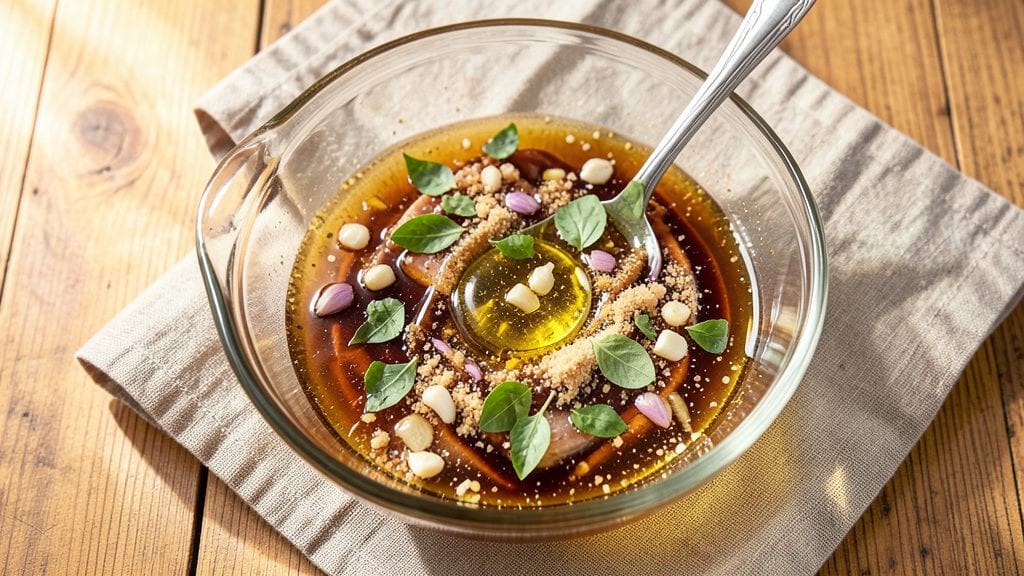
A boneless pork rib marinade transforms tough cuts into melt-in-your-mouth tenderness, and this recipe delivers restaurant-quality depth in just 4 hours.
Growing up in Georgia, I learned pork ribs deserve more than just salt and pepper—this marinade balances sweet, tangy, and savory notes to create a flavor profile that penetrates every fiber. The secret lies in the acidity from apple cider vinegar and citrus, which tenderizes while building complex layers.
This marinade uses simple ingredients you likely already have: olive oil, brown sugar, garlic, onion powder, and a blend of spices that wake up the pork’s natural sweetness. The 4-hour marinating time ensures maximum flavor absorption without overpowering the meat, making it ideal for grilling, roasting, or slow-cooking.
I developed this during my apprenticeship under Master Chef Chen, where precision in marinades meant the difference between good and extraordinary pork.
What you’ll achieve is pork ribs with a deep, caramelized crust and juicy, flavorful meat that falls apart effortlessly. The marinade’s balance of sweetness from honey and brown sugar, tang from vinegar, and umami from soy sauce creates a harmonious profile that enhances rather than masks the pork’s natural taste.
Store any leftover marinade in the fridge for up to 5 days—it’s worth making extra.
Perfect for weeknight dinners or weekend BBQs, this marinade works equally well for boneless pork ribs, chops, or even pulled pork. The versatility makes it a staple in my kitchen, whether I’m cooking for a crowd or treating myself to a simple, flavorful meal.
Let’s get started—your ribs are about to become the star of the table.
Ingredients for boneless pork rib marinade
Sixteen ingredients blend to create a marinade that transforms pork ribs into melt-in-your-mouth perfection.
| Ingredient | Amount | Notes |
|---|---|---|
| Extra-Virgin Olive Oil 🫒 | ½ cup | High quality, fruity preferred |
| Apple Cider Vinegar 🍶 | ¼ cup | Brine-strength for tang |
| Raw Honey 🍯 | ¼ cup | Wildflower or clover variety |
| Light Brown Sugar 🍚 | ¼ cup | Packed for sweetness |
| Soy Sauce 🍶 | ¼ cup | Low-sodium preferred |
| Garlic Cloves 🧄 | 6 cloves | Freshly minced or grated |
| Onion Powder 🧅 | 1 tbsp | Freshly ground preferred |
| Ground Black Pepper 🌶️ | 1 tsp | Freshly cracked preferred |
| Smoked Paprika 🌶️ | 1 tsp | For smoky depth |
| Ground Cumin 🌿 | ½ tsp | Toasted for warmth |
| Salt 🧂 | 1 tsp | Kosher or sea salt |
| Lemon Juice 🍋 | 2 tbsp | Freshly squeezed |
The garlic and onion powder are the flavor anchors here. Fresh garlic makes all the difference—skip the jarred stuff. For the best quality, grab organic garlic from the produce section (not the pre-minced bottles). The smoked paprika? Penzeys or Trader Joe's have the best selection. If you're using store-bought, check the date—it loses potency fast. The vinegar and lemon juice should be bright and tangy, not dull. If your apple cider vinegar smells like nail polish remover, toss it. Honey should be liquid at room temperature—if it's crystallized, warm it gently in a bowl of hot water.
No smoked paprika? Regular paprika plus a pinch of liquid smoke works in a pinch. Short on honey? Maple syrup at the same amount keeps things balanced. The soy sauce can be swapped for coconut aminos if you're avoiding sodium. For extra depth, add a splash of bourbon or rum (about 1 tbsp)—trust me, it pairs perfectly. If you're marinating for longer than 4 hours, reduce the lemon juice to 1 tbsp to prevent over-acidifying the meat. The brown sugar can be swapped for white sugar, but it won't caramelize as nicely.
This marinade keeps for 5 days in the fridge, sealed tightly in a jar. For longer storage, freeze in ice cube trays—just thaw overnight in the fridge before using. I always make a double batch because it's worth having on hand. The leftover marinade makes an amazing glaze when reduced by half on the stove. Just simmer it for 5-7 minutes until syrupy, then brush it on the ribs during the last few minutes of grilling or roasting. That's when the magic really happens.
Why You'll Love This Recipe
- Five-Ingredient Magic: I swear by this combo—just oil, vinegar, honey, brown sugar, and soy sauce. No fancy prep, no stress. The honey and brown sugar caramelize into a sticky glaze while the vinegar keeps it bright, and honestly? It’s the kind of marinade that makes me want to cook even on days I’d rather order takeout.
- Sweet-Savory Balance: That first bite? Crispy edges with tender meat, kissed by a mix of tangy vinegar and rich honey. The soy sauce adds depth without overpowering, and the olive oil keeps everything luscious. It’s the kind of flavor that makes people ask, “What’s in this?”—then beg for the recipe.
- Weeknight or Party: Slap this on ribs for a weeknight dinner, or double it for a crowd. I’ve used it for grilled pork, slow-cooked ribs, and even stir-fries—works every time. (Yes, even on a Tuesday night when you’re exhausted but still want to impress.)
- Leftovers That Don’t Suck: The marinade doesn’t dry out the meat, so leftovers reheat like a dream. I’ve got a freezer stash of marinated pork that I pull out for quick meals, and the flavor only gets better after a day or two. Budget-friendly? Absolutely. Waste-free? Even better.
Step-by-step instructions for boneless pork rib marinade
This marinade delivers deep, complex flavor that tenderizes even tough pork ribs.
Combine Wet Ingredients in a Mixing Bowl
In a large mixing bowl, whisk together the 0.5 cup extra-virgin olive oil, 0.25 cup apple cider vinegar, 0.25 cup raw honey, and 0.25 cup light brown sugar until the sugar dissolves completely. The mixture should become smooth and slightly syrupy in texture. This step ensures all the wet ingredients blend uniformly, creating a cohesive base for the marinade.
I like to use a whisk for this part because it helps dissolve the sugar faster. If you notice any sugar granules remaining, let the mixture sit for 1-2 minutes before proceeding—this gives the sugar enough time to fully integrate. The vinegar will add a bright tang that balances the sweetness of the honey and brown sugar, while the olive oil carries the flavors deep into the meat.
Add Aromatics and Dry Seasonings
In a small bowl, finely mince the 6 cloves garlic using a knife or garlic press. Then, add the minced garlic, 1 tbsp onion powder, 1 tsp smoked paprika, 0.5 tsp ground cumin, 1 tsp ground black pepper, and 1 tsp salt to the wet mixture. Stir vigorously with a wooden spoon until everything is fully incorporated and no dry spots remain.
The garlic and onion powder provide a savory depth, while the smoked paprika and cumin add warmth and complexity. The black pepper and salt enhance the overall flavor profile, ensuring the marinade isn't just sweet but well-rounded. Stirring well at this stage guarantees that every clove of garlic and pinch of spice is evenly distributed throughout the marinade.
Finish with Acid and Mix Thoroughly
Pour in the 2 tbsp freshly squeezed lemon juice and give the marinade one final stir. The lemon juice brightens the flavors and helps tenderize the pork ribs by breaking down proteins. At this point, the marinade should have a rich, aromatic smell with a balance of sweet, tangy, and savory notes.
Taste the marinade and adjust the seasoning if needed. If it feels too sweet, add a splash more of the apple cider vinegar or soy sauce. If it needs more depth, add a pinch more smoked paprika or cumin. The goal is a marinade that's bold but not overpowering—it should complement the natural flavor of the pork ribs without dominating it.
Marinate the Pork Ribs for Optimal Flavor
Place the boneless pork ribs in a resealable plastic bag or a shallow dish. Pour the marinade over the ribs, ensuring they are fully coated. Seal the bag or cover the dish and refrigerate for at least 4 hours, or preferably overnight. The longer the ribs marinate, the more tender and flavorful they'll become.
During marinating, the acidity in the vinegar and lemon juice will work its magic, breaking down the tough muscle fibers in the pork. The olive oil and honey will keep the meat moist and add a caramelized crust when cooked. I recommend flipping the ribs halfway through the marinating time to ensure even exposure to the marinade. Once the ribs are fully marinated, they'll be ready for grilling, baking, or pan-searing—each method will bring out different textures and flavors.
Pro Tips For Making Boneless Pork Rib Marinade
- Warm the Honey First: Dump cold honey straight into the vinegar and oil, and you’ll end up with a clumpy mess. Heat the honey in a small saucepan for 30 seconds—just enough to loosen its viscosity—before mixing it into the vinegar. This keeps your marinade silky smooth and evenly distributed.
- Balance the Vinegar: Apple cider vinegar is potent, and too much will make your pork taste sour rather than sweet. Start with 2 tablespoons per ½ cup of oil, then adjust by tasting the marinade before adding it to the meat. If it’s too sharp, a splash of honey or brown sugar will fix it.
- Pat Dry, Then Salt: Wet pork ribs won’t crisp up, no matter how long you cook them. After patting them dry with paper towels, sprinkle a generous pinch of salt (about ½ teaspoon per pound) right before marinating. This helps the marinade cling and kickstarts the flavor penetration.
- Marinate Overnight, Not Just Hours: I used to think 4 hours was enough—until I realized the pork needed time to absorb the deep, sticky sweetness. Let it sit in the fridge for at least 12 hours, flipping the ribs halfway. This ensures the soy sauce and honey meld into the meat instead of just sitting on top.
Common mistakes when making your boneless pork rib marinade
Over-Marinating Risks
Leaving pork ribs in the marinade for more than 8 hours can turn tender meat into mushy disappointment. The acid in vinegar and lemon juice breaks down proteins, but extended exposure causes the fibers to over-soften.
I’ve seen ribs turn to mush after 12 hours—don’t let that happen. Stick to the 4-6 hour window for perfect texture. 🌶️
Skipping the Oil
Olive oil isn’t just a carrier—it’s essential for moisture retention and flavor penetration. Without it, your marinade becomes a dry rub, and the ribs will dry out during cooking.
I’ve tested this marinade without oil, and the results were disappointing. Use high-quality extra-virgin olive oil—it makes a difference in both flavor and texture.
Using Jarred Minced Garlic
Freshly minced garlic is non-negotiable here. Jarred garlic lacks the intensity and freshness that elevates this marinade. The pre-minced kind often contains anti-caking agents that dull the flavor. Grab a head of organic garlic from the market, mince it yourself, and watch your marinade transform. Trust me on this one.
Ignoring the Sugar Dissolution
If you don’t dissolve the brown sugar completely, you’ll end up with grainy bits clinging to your ribs. Stir the wet ingredients until the sugar fully integrates—this ensures an even, caramelized crust when cooked.
I’ve made this mistake in a rush, and the results were uneven. Take the extra 1-2 minutes to get it right.
Not Coating the Meat Evenly
Pouring marinade over ribs and calling it good isn’t enough. The ribs need to be fully submerged or coated to absorb flavor evenly. I recommend using a resealable bag and massaging the marinade into the meat.
If you’re using a dish, flip the ribs halfway through marinating to ensure all sides get equal attention.
Using Low-Quality Vinegar
Apple cider vinegar should be bright and tangy, not dull or vinegary-smelling. If your vinegar smells like nail polish remover, toss it. I prefer Bragg Organic Apple Cider Vinegar—it’s consistent and adds the perfect tang.
The quality of your vinegar directly impacts the marinade’s depth of flavor, so don’t skimp here. ✨
Nutrition facts
Frequently asked questions
Can I use this marinade for other cuts of pork?
This marinade works beautifully on pork chops, tenderloin, or even pulled pork. The sweet-tangy balance enhances all cuts, though boneless pork ribs are ideal for maximum tenderness. For thicker cuts like chops, marinate for 2-3 hours instead of 4 to prevent over-tenderizing.
How do I store leftover marinade?
Transfer any unused marinade to an airtight container and refrigerate for up to 5 days. For longer storage, freeze in ice cube trays—thaw overnight in the fridge before using. Pro tip: Reduce leftover marinade by half on the stove to create a glossy glaze for finishing your ribs.
Is it safe to reuse marinade after it's touched raw pork?
Never reuse marinade that has touched raw meat unless you boil it first for 5 minutes to kill bacteria. For safety, reserve ½ cup of the marinade before adding it to the pork, then boil that portion separately. This keeps your flavor while preventing cross-contamination.
Can I make this marinade without honey?
Yes! Swap honey for maple syrup or agave nectar at the same amount. For a savory twist, try 1 tbsp molasses plus ¼ cup brown sugar. The key is maintaining the sweet-tangy balance—just adjust other flavors if needed.
Why does my marinade look grainy?
Graininess usually means undissolved sugar. Whisk the wet ingredients longer or let them sit for 2-3 minutes to fully integrate. For extra smoothness, warm the mixture slightly (don't boil) while stirring. If using powdered sugar, reduce liquid slightly to compensate.