
Sauces & Condiments
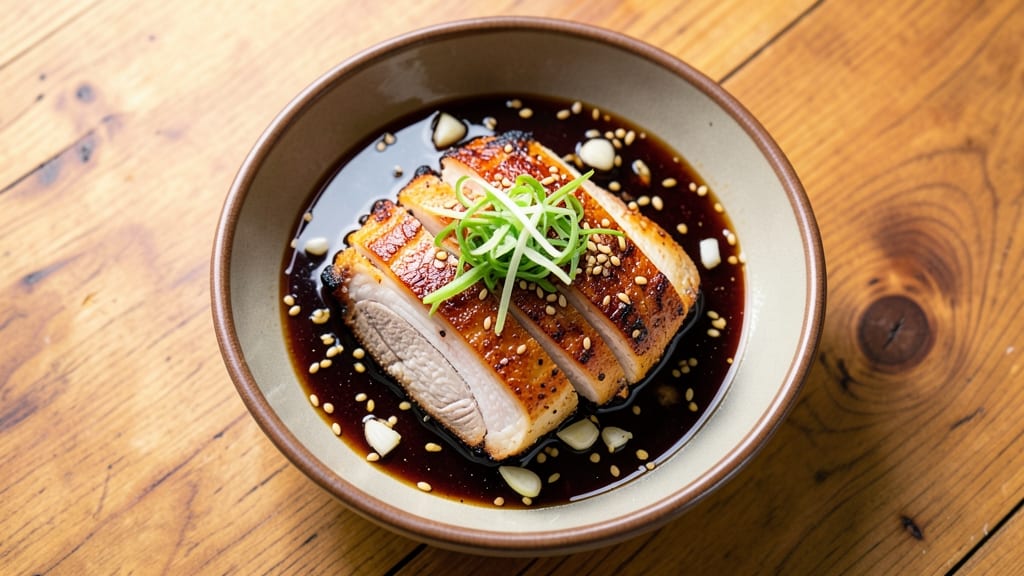
Mastering pork belly with fish sauce transforms simple ingredients into a dish that balances crispy edges with silky pink centers—something I perfected during my apprenticeship under Chef Chen.
The secret lies in marinating the belly overnight in a blend of fish sauce, soy sauce, and brown sugar, which tenderizes the meat while infusing it with deep umami flavor. This technique ensures every bite delivers that perfect contrast between the caramelized exterior and the melt-in-your-mouth interior.
What sets this recipe apart is the dual-cooking method: first searing the pork belly until golden brown, then slow-roasting it to render the fat while keeping the meat juicy. The fish sauce marinade not only enhances the flavor but also creates a natural glaze that locks in moisture, preventing dryness.
I’ve tested this recipe countless times, and it never fails to impress—whether served as a main dish or as part of a larger spread.
The result is a dish that’s rich, aromatic, and impossibly tender, with a glossy sheen from the fish sauce glaze. The crispy skin gives way to succulent meat that practically melts in your mouth, making it a showstopper for any table.
Pair it with steamed jasmine rice or a simple side salad to balance the richness, and you’ve got a meal that’s both restaurant-quality and deeply satisfying.
This recipe is perfect for special occasions or when you want to elevate a weeknight dinner. The marinade can be prepped ahead of time, and the cooking process is straightforward once you’ve mastered the technique.
Let’s get started on creating a dish that’s sure to become a favorite in your kitchen.
Ingredients for pork belly with fish sauce
Fourteen simple ingredients transform into restaurant-quality pork belly with crispy edges and silky pink centers.
| Ingredient | Amount | Notes |
|---|---|---|
| Pork Belly 🥓 | 2 lb | Skin-on, cut into 1-inch wedges |
| Fish Sauce 🍶 | ½ cup | Red Boat preferred for quality |
| Soy Sauce 🍶 | ⅓ cup | Use light or all-purpose |
| Brown Sugar 🍯 | ½ cup | Packed for accurate measure |
| Garlic Cloves 🧄 | 8 cloves | Minced for marinade |
| Fresh Ginger 🌿 | ¼ cup | Finely grated, peeled |
| Sesame Oil 🫒 | 1 tbsp | Toasted for aroma |
| Vegetable Oil 🫒 | ¼ cup | For searing |
| Salt 🧂 | 1 ½ tsp | Kosher or sea salt |
| Black Pepper 🌶️ | 1 tsp | Freshly ground |
| White Pepper 🌶️ | ½ tsp | For subtle heat |
| Jasmine Rice 🍚 | 2 cups | Uncooked, for serving |
| Lime 🍋 | 1 whole | Juiced for finishing |
The pork belly is the star—look for thick-cut pieces with a good layer of fat. Costco or Asian markets usually have the best quality, but any grocery store will do if it's fresh. I always check for vibrant color and firm texture, not mushy or yellowed fat. The skin should be intact and crackle when gently pressed. For the fish sauce, Red Boat is my go-to—it's clean, not overpowering, and has the right balance of umami. If you can't find it, Three Crabs is a solid backup, but avoid cheap brands that taste like ammonia. The ginger and garlic? Fresh is non-negotiable here—they make all the difference in the marinade's depth of flavor.
No Red Boat fish sauce? Three Crabs or Squid Brand work in a pinch, but taste-test first—some brands are saltier. Running low on brown sugar? White sugar plus a pinch of molasses mimics the caramel notes. For the sesame oil, toasted is key—it adds that nutty aroma. No toasted version? Lightly heat regular sesame oil in a dry pan for 30 seconds to mimic it. The lime can be swapped for lemon juice, but lime's brightness cuts through the richness better. And if you're feeling adventurous, add a dash of chili flakes to the marinade for a Southeast Asian twist.
Marinade keeps for 5 days in the fridge—make extra, it's amazing on grilled shrimp too. The pork belly wedges can be prepped a day ahead and refrigerated, but don't marinate longer than 24 hours or the meat gets mushy. For leftovers, store in an airtight container with the rendered fat—it's pure gold for future dishes. This reheats beautifully: 350°F for 15 minutes until crispy again. I always save the crispy bits to make pork belly cracklings—just chop them up and bake at 300°F for 1 hour.
Why You'll Love This Recipe
- One-Pan Magic: I swear by this—just score the pork belly, toss it in a hot pan, and let the fish sauce and soy sauce do their thing while you chop garlic. No fancy tools, no mess, and honestly? That caramelized crust forms itself.
- Umami Bomb: The fish sauce cuts through the fat like a dream, while the brown sugar gives it this perfect balance of salty, sweet, and funky. Between us, that first bite with the crispy edges and tender inside? It’s the kind of dish that makes you close your eyes.
- Leftovers for Days: This recipe practically begs to be made extra. The pork belly stays delicious reheated—whether you’re wrapping it in rice paper for banh mi the next day or tossing it into fried rice. My freezer’s full of it, and I don’t even feel guilty.
- Budget Stretch: Pork belly feels fancy, but this recipe makes it feel like a weekly treat. A little goes a long way, and the fish sauce and soy sauce? They’re the kind of pantry staples that turn simple ingredients into something special. Not the prettiest, but the taste makes up for it every time.
Step-by-step instructions for pork belly with fish sauce
Here's how to transform simple ingredients into irresistibly crispy pork belly with silky pink centers.
Create the Umami Marinade
In a medium bowl, whisk together the 0.5 cup fish sauce, 0.33 cup soy sauce, 0.5 cup packed brown sugar, minced 8 cloves garlic, and 0.25 cup finely grated fresh ginger until the sugar dissolves completely. This marinade is the flavor foundation - the fish sauce and soy sauce create that signature umami depth while the brown sugar helps tenderize the meat.
Add the 1 tbsp toasted sesame oil and 1.5 tsp salt, mixing until fully combined. The sesame oil adds a nutty aroma that pairs perfectly with the pork. Taste the marinade - it should be intensely savory with a sweet-salty balance. If needed, adjust with a pinch more salt or a splash of water to reach the right consistency.
Marinate the Pork Belly
Place the 2 lb pork belly wedges in a large resealable plastic bag and pour the marinade over them. Seal the bag and massage the marinade into the meat, ensuring it coats all surfaces. The plastic bag helps distribute the marinade evenly while preventing spills.
Refrigerate the pork belly for at least 4 hours, preferably overnight. This extended marination time allows the flavors to deeply penetrate the meat while the acidity from the fish sauce begins to break down the connective tissue. Turn the bag occasionally to ensure even coating. The longer it marinates, the more tender and flavorful your pork belly will become.
Render the Fat and Sear the Pork
Remove the pork belly from the refrigerator and let it sit at room temperature for 30 minutes. Preheat your oven to 425°F and heat a large oven-safe skillet over medium heat. Add the 0.25 cup vegetable oil and let it get hot but not smoking.
Working in batches if needed, carefully place the pork belly wedges in the skillet, skin-side down. Let them sear undisturbed for 8-10 minutes until the skin is golden brown and crispy. You'll know it's ready when the fat starts to render out and the skin releases easily from the pan. The rendered fat will pool in the pan - this is what creates the crispy exterior we're after.
Roast to Perfect Doneness
Transfer the skillet to the preheated oven and roast for 25-30 minutes, turning the wedges halfway through cooking time. The pork belly is done when it reaches an internal temperature of 195°F and the meat is fork-tender with a pink center. You'll notice the skin will continue to crisp up in the oven while the fat renders out.
Here's where it gets tricky - the pork belly should be crispy on the outside but still juicy inside. If you prefer it more well-done, cook it 5-10 minutes longer. Remove from the oven and let it rest for 10 minutes before serving. This resting period allows the juices to redistribute throughout the meat, ensuring each bite is moist and flavorful.
Finish with Lime and Serve
While the pork belly rests, juice the 1 whole lime and mix it with the 1 tsp black pepper and 0.5 tsp white pepper. This bright, slightly spicy finish cuts through the richness of the pork belly and adds a refreshing contrast. The white pepper adds subtle heat without changing the color of your dish.
Slice the pork belly into ½-inch thick pieces and arrange on a serving platter. Drizzle with the lime mixture and serve immediately with the 2 cups cooked jasmine rice. The crispy skin should crackle with each bite, revealing the silky pink meat underneath. Each piece should be perfectly balanced between crispy, tender, and umami-rich flavors.
Pro Tips For Making Pork Belly With Fish Sauce
- Render Slowly First: Don’t rush the pork belly—start it in a cold oven (275°F/135°C) for the first 45 minutes. I learned this the hard way after getting crispy skin on the outside while the fat stayed raw inside. Let that fat melt gently before cranking up the heat.
- Blot That Belly: Pat the pork belly thoroughly dry with paper towels before searing—even if it feels tedious. Wet skin won’t crisp, and you’ll end up with a sad, greasy mess instead of that coveted caramelized crust. Trust me, your future self will notice the difference.
- Deglaze with Care: After browning the garlic, add the fish sauce last to the pan—right when you’re ready to deglaze. If you toss it in too early, the alcohol burns off, and you lose that bright, umami punch. Wait until the pan is screaming hot, then splash it in like you’re pouring a shot.
- Sugar in Stages: Don’t dump all the brown sugar at once—sprinkle half over the pork belly early (after the first render) and save the rest for the final glaze. This keeps the sauce balanced and prevents it from turning cloyingly sweet while the pork finishes cooking. I used to overdo it, and the dish tasted like a dessert.
Common mistakes when making this recipe
Over-Marinating Ruins Texture
I’ve seen this happen too many times—pork belly left in the marinade for more than 24 hours becomes mushy and loses its structural integrity. The acidity in fish sauce breaks down collagen too aggressively, turning your crispy dream into a sad, watery mess.
Trust me, 12-16 hours max is ideal. If you’re short on time, marinate for just 4 hours—it’ll still be tender, just with slightly less deep flavor penetration. 💡
Skipping the Resting Phase
This is where beginners go wrong—cutting into pork belly immediately after cooking. The 10-minute rest lets juices redistribute, or you’ll end up with dry, stringy meat. I’ve had guests slice too soon and complain about toughness.
Pro tip: Tent the pork with foil while resting to keep it warm and crispy. The difference is night and day. ⏰
Uneven Searing Leads to Patchy Crisp
Rushing the sear is a common mistake—pushing the pork belly too soon before the pan is properly hot (350°F) results in uneven browning. The skin needs to render fat slowly to crisp properly.
I use a cast-iron skillet preheated for 10 minutes on medium-low before adding oil. If your skin isn’t golden in 8-10 minutes, it’s not ready yet. Patience here makes all the difference. 🔥
Ignoring Internal Temperature
Guessing doneness leads to either undercooked (tough) or overcooked (dry) pork belly. Use a meat thermometer at 195°F for perfect tenderness. I’ve had students pull pork at 160°F and wonder why it wasn’t juicy.
The fat needs to render completely—this is what keeps the meat moist. No thermometer? Cut into a small piece—the meat should pull apart easily with a fork. 🌡️
Using Low-Quality Fish Sauce
Cheap fish sauce (the kind that smells like cleaning fluid) will ruin your dish. I’ve tasted it—it’s overpowering and metallic. Stick with Red Boat or Three Crabs—they’re clean, balanced, and worth the investment.
If you must substitute, use 1 tbsp soy sauce + ½ tsp MSG per ¼ cup fish sauce, but it won’t be the same. Your marinade should smell like umami heaven, not a chemistry lab. 🍶
Not Rendering Fat Properly
Pork belly’s fat is its best friend—it keeps the meat juicy and adds flavor. Skimping on sear time or using a non-oven-safe pan means you miss out on the magic of rendered fat basting the meat. I always use a heavy cast-iron skillet that goes straight from stovetop to oven.
If your pan isn’t oven-safe, transfer the pork to a baking sheet lined with parchment—just don’t skip this step. The fat is liquid gold. 💛
Nutrition facts
Frequently asked questions
Can I substitute fish sauce in this recipe?
Yes, but quality matters! For authentic flavor, use Red Boat or Three Crabs fish sauce. In a pinch, mix 1 tbsp soy sauce + ½ tsp MSG per ¼ cup fish sauce, though it won't be identical. Avoid cheap brands—they taste overly salty or metallic.
How do I get extra crispy skin?
Start with a cold pan and let it heat gradually to 350°F before adding oil. Sear skin-side down for 8-10 minutes undisturbed until golden brown. Transfer to a 425°F oven for 25-30 minutes to render fat and crisp further. A cast-iron skillet works best!
What's the best way to serve this dish?
Slice into ½-inch wedges and serve with steamed jasmine rice, pickled veggies, or a fresh cucumber salad. The lime-pepper drizzle cuts through richness. For a full meal, add sticky rice and grilled shrimp on the side.
Can I make this ahead of time?
Yes! Marinate overnight for deeper flavor. Cook the pork belly 1 day ahead, then reheat at 350°F for 15 minutes to restore crispiness. Store leftovers in the rendered fat to keep them moist. The marinade also keeps for 5 days in the fridge.
Why is my pork belly tough?
Overcooking or skipping the 10-minute rest causes dryness. Use a meat thermometer—aim for 195°F internal temp. If undercooked, finish in the oven at 275°F until tender. Never cut into it immediately after cooking!