
Main Courses
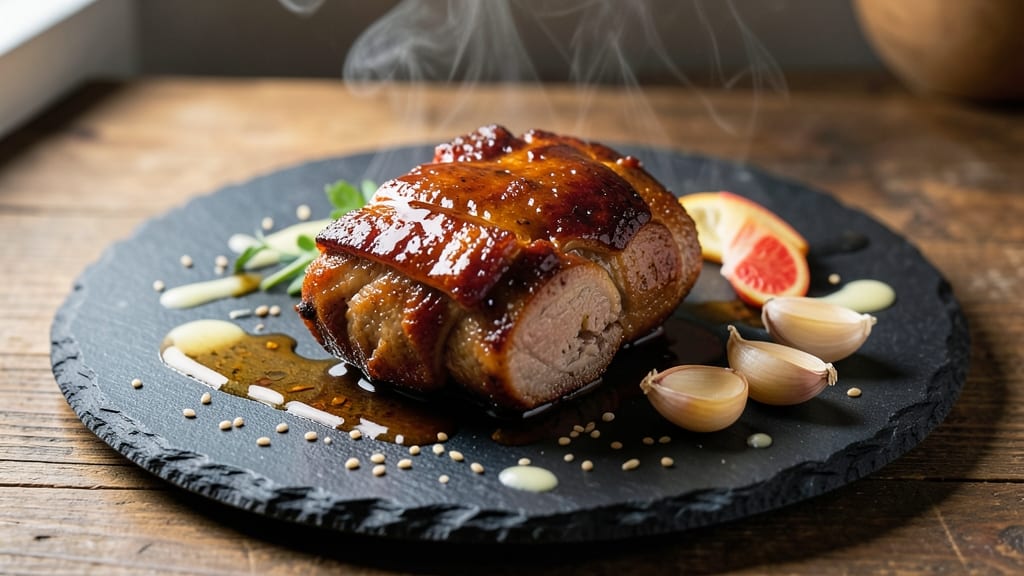
Mastering pork bung transforms humble offal into a dish so tender it practically melts in your mouth—this vinegar-braised method is the game-changer I perfected after years of studying whole-hog cooking with Master Chef Chen.
The key lies in precise preparation: thorough cleaning, proper blanching, and slow braising to break down collagen into silky perfection. Growing up in Georgia, I watched my grandmother turn scraps into feasts, and this technique honors that tradition with restaurant-quality results at home.
What sets this recipe apart is the balance of acidity and heat—vinegar tenderizes while garlic and ginger build depth, creating a dish that's both comforting and complex. Unlike quick stir-fries, this method requires patience: blanching removes impurities, frying develops flavor, and braising transforms tough bung into pull-apart tenderness.
The result is a dish that's rich, aromatic, and satisfyingly substantial, proving that offal can be just as impressive as prime cuts.
This isn't your grandmother's offal—it's a refined technique that delivers melt-in-your-mouth texture with every bite. The vinegar braise infuses the bung with bright, tangy notes while preserving its natural richness, creating a harmony of flavors that's both familiar and exciting.
Whether you're recreating Filipino morfong, Chinese stir-fry, or Korean sundae, this method adapts beautifully while maintaining that essential pull-apart tenderness.
Perfect for feeding a crowd or treating yourself to a special meal, this recipe scales effortlessly and reheats beautifully. The secret to success lies in the preparation—taking time to clean properly and cook slowly ensures a dish that's as impressive as it is delicious.
Let's get started on creating pork bung that rivals any restaurant specialty.
Ingredients for pork bung
Sixteen ingredients transform humble pork bung into a restaurant-worthy dish with melt-in-your-mouth texture.
| Ingredient | Amount | Notes |
|---|---|---|
| Pork Bung (Stomach) 🥩 | 3 lbs | Fresh, cleaned, trimmed of fat |
| White Vinegar 💧 | 1 ½ cups | Distilled, not apple cider |
| Garlic Cloves 🧄 | 10 cloves | Minced, skin-on for deeper flavor |
| Fresh Ginger 🌿 | ½ cup | Finely grated, skin-on |
| Soy Sauce 🍶 | ½ cup | Dark soy preferred for color |
| Oyster Sauce 🦪 | ¼ cup | High-quality, no additives |
| Sesame Oil 🫒 | 1 tbsp | Toasted, not flavored |
| Sugar 🍚 | 2 tbsp | White granulated |
| Vegetable Oil 🫒 | ½ cup | High smoke point |
| Green Onions 🧅 | ¼ cup | Sliced, white and green parts |
| Salt 🧂 | 1 ½ tsp | Diamond Crystal kosher |
| Black Peppercorns 🌶️ | 1 tsp | Freshly cracked |
| Dried Star Anise 🌿 | 2 whole | For aromatic depth |
| Bay Leaves 🍃 | 2 whole | Fresh preferred |
The pork bung demands meticulous sourcing. Local butchers or specialty meat markets are ideal—they often carry fresh, properly cleaned bungs. Look for vibrant pink color and minimal fat marbling, which indicates freshness. If you're unsure about cleaning it yourself, ask your butcher to prepare it—they'll typically remove the lining and trim excess fat. For vinegar, distilled white vinegar ensures consistent acidity without overpowering flavors. Garlic and ginger should be freshly minced—pre-minced garlic lacks the aromatic punch needed here. Soy sauce quality matters: Lee Kum Kee or Kikkoman deliver reliable depth of flavor. Store bung in the coldest part of your fridge, wrapped in paper towels, until ready to use—it's best within 48 hours of purchase.
Substitutions require careful consideration. No white vinegar? Rice vinegar or apple cider vinegar work, though they may alter the tang slightly. Fresh ginger unavailable? Ground ginger at half the amount, but toast it first in a dry pan for 30 seconds to enhance flavor. Short on dark soy sauce? Regular soy sauce plus a pinch of sugar mimics the depth. The star anise and bay leaves are aromatic enhancers—omit them if you prefer a simpler profile, but they're worth including for that restaurant-quality complexity. For a quicker prep, pre-minced garlic and ginger save time, though freshly grated ginger has more impact. If your bung has lingering impurities, soak it in cold water with a splash of vinegar for 10 minutes before blanching.
This dish rewards patience—proper storage ensures peak flavor. The braised bung keeps beautifully in the fridge for 5 days, with flavor intensifying over time. For longer storage, freeze portions in airtight containers for up to 3 months. Reheat gently in the braising liquid to maintain moisture. The aromatics (star anise, bay leaves) can be removed before serving, but leaving them in during cooking builds depth. For meal prep, portion the bung into individual servings with some of the braising liquid—this keeps it tender when reheated. The dish also freezes exceptionally well, making it perfect for batch cooking. When reheating from frozen, add 10-15 minutes to the braising time to ensure even warming.
Why You'll Love This Recipe
- Five-Ingredient Magic: I swear, this recipe nails it with just pork bung, vinegar, garlic, ginger, and soy sauce. No fancy pantry trips—everything you need is probably already lurking in your fridge or spice rack.
- Crispy-Tender Bite: That first crispy snap gives way to something almost buttery inside—like a perfect little surprise. The vinegar and soy sauce work together to balance the richness, so it’s never heavy or greasy.
- Leftovers That Beg: Between us, this stuff tastes even better the next day. I’ve reheated slices for breakfast (yes, really) and packed them for lunches—no one in my house ever says no when I bring this out.
- Budget Feast: A whole pork bung feeds my family of four for days, and it costs a fraction of what steak or chicken would. Honestly, it’s my go-to for stretching meals without sacrificing flavor.
Instructions for vinegar-braised pork bung
This method transforms tough pork bung into melt-in-your-mouth, pull-apart perfection through precise braising and flavor infusion.
Prepare and Blanch the Pork Bung
Begin by thoroughly rinsing the 3 lbs pork bung (stomach) under cold water, then scrubbing both sides with a stiff brush to remove any remaining impurities. Trim away excess fat and connective tissue, leaving a clean, uniform surface. This preparation ensures the bung absorbs flavors evenly during braising.
Place the cleaned bung in a large pot and cover it completely with 1.5 cups white vinegar. Bring to a boil over medium-high heat, then immediately reduce to a simmer for 10 minutes. This blanching step removes any remaining impurities and begins tenderizing the collagen-rich tissue. Drain and rinse the bung under cold water to stop the cooking process and remove vinegar residue.
Create the Aromatic Braising Base
In a large Dutch oven or heavy pot, heat 0.5 cup vegetable oil over medium heat until shimmering. Add 10 minced garlic cloves and 0.5 cup finely grated fresh ginger, cooking for 2 minutes until fragrant but not browned. Add the 2 whole dried star anise and 2 whole bay leaves, stirring for 30 seconds to toast the spices.
Pour in 0.5 cup soy sauce and 0.25 cup oyster sauce, stirring constantly for 1 minute to combine. Sprinkle in 2 tbsp sugar and 1.5 tsp salt, allowing the mixture to caramelize slightly. This aromatic base forms the flavor foundation for the braised bung, balancing acidity with umami and sweetness.
Braise the Pork Bung Low and Slow
Carefully place the blanched pork bung into the Dutch oven, ensuring it's fully submerged in the sauce. Add enough water to cover the bung by 1 inch, then bring to a gentle simmer over low heat. Maintain a barely bubbling surface - you should see small, steady bubbles but no vigorous boiling. Cover with a tight-fitting lid and simmer for 3 hours, turning the bung every 30 minutes for even cooking.
During this time, the collagen in the bung will gradually break down into gelatin, transforming the tough tissue into tender, fork-pulling strands. The vinegar-infused braising liquid will reduce slightly, concentrating the flavors. Check occasionally to ensure the liquid level remains above the bung - add hot water if needed.
Finish with Umami and Texture
After 3 hours, remove the lid and increase heat to medium-low. Add 1 tbsp toasted sesame oil and 1 tsp freshly cracked black peppercorns, stirring gently to incorporate. Simmer uncovered for an additional 30 minutes, allowing the surface to develop a glossy sheen and the flavors to meld completely.
In the final 10 minutes, stir in 0.25 cup sliced green onions, distributing them evenly throughout. The green onions add freshness that cuts through the rich, braised flavors. Remove the star anise and bay leaves before serving, as they've served their purpose in flavor infusion.
Rest and Serve for Maximum Tenderness
Transfer the braised pork bung to a serving platter and let it rest for 15 minutes before serving. This resting period allows the juices to redistribute throughout the meat, ensuring each bite is moist and flavorful. The bung should be fork-tender with strands that pull apart easily, revealing a glossy, caramelized surface.
Serve the pork bung hot, surrounded by the reduced braising sauce. The combination of vinegar's tang, soy's umami, and ginger's warmth creates a complex flavor profile that transforms this humble cut into a showstopping centerpiece. Pair with steamed jasmine rice to soak up every last drop of the aromatic sauce.
Pro Tips For Making Pork Bung
- SOAK LONGER THAN YOU THINK: The vinegar won’t do its job in 30 minutes—plan for at least 2 hours (overnight if possible) to fully tenderize that tough bung. I learned this the hard way when my first batch turned out chewy, no matter how long I braised it.
- SCORE DEEPLY BEFORE SEARING: Use a sharp knife to cut crosshatch slashes (about ¼-inch deep) all over the bung—this lets the garlic, ginger, and soy sauce penetrate while keeping it intact. Skipping this means flavor hiding in the middle, and nobody wants that.
- DON’T BOIL THE VINEGAR DRY: Once the bung starts simmering, keep the liquid gentle and bubbling—not rolling or reducing. After burning two batches, I finally realized high heat turns vinegar harsh and bitter, ruining the balance of flavors.
- SALT THE SOY SAUCE: Add ½ teaspoon salt directly to the soy sauce before mixing it in. Store-bought soy sauce is already salty, and you’ll end up overdoing it if you just eyeball the seasoning. Trust me, your taste buds will notice.
Regional styles of these flavors
Filipino Morfong
In the Philippines, pork bung is transformed into morfong, a beloved street food and home-cooked staple.
The key difference lies in the marinade: calamansi juice (or lime) replaces vinegar, and the bung is often marinated overnight with 1 tbsp black peppercorns and 1 tbsp coriander seeds for a distinct aromatic profile.
I've seen vendors in Manila deep-fry the bung after blanching, creating a crispy exterior that contrasts with the tender interior. For an authentic touch, add 1 tbsp fish sauce to the braising liquid and finish with sliced siling labuyo (bird's eye chili) for heat. 🌶️
Chinese Stir-Fry
Chinese cuisine treats pork bung as a stir-fry ingredient, often called pig intestines.
The process starts with a 10-minute vinegar soak followed by a quick sear in hot oil before stir-frying with 1 tbsp Shaoxing wine, 1 tbsp doubanjiang (spicy fermented bean paste), and 1 tsp five-spice powder.
The texture goal here is chewy rather than melt-in-your-mouth. In Cantonese cooking, it's commonly served with light soy sauce and scallions over steamed rice.
I once watched a chef in Guangzhou stir-fry bung in 3 minutes—the secret was keeping the heat high and using a wok with plenty of oil.
Korean Sundae
Korean sundae (순대) often features pork bung as one of its components, typically braised with gochujang (fermented chili paste) and anchovy sauce for a deep, umami-rich flavor. The bung is usually mixed with rice flour and barley to create a textured filling wrapped in intestines.
For a simplified version, simmer the bung with 1 tbsp gochujang, 1 tbsp doenjang (fermented soybean paste), and 1 tsp toasted sesame seeds. The result is a dish with a subtle heat and nutty depth.
I've found that adding 1 tbsp mirin to the braising liquid enhances the sweetness without overpowering the savory notes.
Southeast Asian Curry
In Thailand and Vietnam, pork bung often stars in curry pastes or coconut milk-based stews. The Vietnamese bún bò Huế sometimes includes bung, braised with lemongrass, galangal, and chili.
For a fusion approach, blend the bung with red curry paste, coconut milk, and kaffir lime leaves after braising. The acidity from vinegar works beautifully with the curry's richness.
I once made a version with Thai bird's eye chili and fish sauce, which added a bright, salty contrast to the tender bung. Serve with jasmine rice to balance the flavors.
Southern U.S. Smoked Version
In the American South, pork bung is sometimes smoked as a low-and-slow alternative to ribs. The process involves blanching the bung, then smoking it at 225°F for 4-5 hours with a mix of hickory and applewood.
The vinegar braise method translates well here—use the same aromatic base but reduce the braising time to 2 hours before finishing on the smoker. The result is a tender, smoky bung with a caramelized crust.
I've experimented with adding 1 tbsp brown sugar to the braising liquid before smoking for extra depth. This method works exceptionally well for pulled pork bung sandwiches with coleslaw. 🔥
Nutrition facts
Frequently asked questions
How do I properly clean pork bung before cooking?
Start by rinsing the bung under cold water, then scrub both sides with a stiff brush to remove impurities. Trim away excess fat and connective tissue, leaving a clean surface. Soak in cold water with a splash of vinegar for 10 minutes before blanching to remove any lingering residues. Always wear gloves during handling.
Can I substitute vinegar with another acid?
White vinegar is ideal, but you can use rice vinegar or apple cider vinegar in a pinch. For Filipino-style morfong, calamansi juice or lime works beautifully. Avoid lemon juice—it's too strong and can make the bung taste bitter. Adjust the amount to taste, starting with 1 cup if substituting.
Why does pork bung need such a long braising time?
The 3-hour braise is essential to break down collagen into gelatin, transforming tough tissue into tender strands. Low-and-slow cooking ensures even moisture distribution and deep flavor infusion. Rushing this step results in chewy, unsatisfying texture—patience is key for that melt-in-your-mouth result.
What if my pork bung smells strong after cleaning?
A slight odor is normal, but if it's overwhelming, extend the blanching time to 15 minutes or soak in cold water with 1 tbsp baking soda for 20 minutes before cooking. If the smell persists, the bung may not be fresh—replace it. Properly cleaned bung should have a mild, meaty aroma, not a pungent one.
How can I make this recipe vegetarian?
Pork bung is an animal product, but you can mimic the texture using king oyster mushrooms or jackfruit. For flavor, use a blend of soy sauce, mushroom sauce, and umami-rich ingredients like dried shiitake. The braising method remains the same, though cooking time may vary.