
Main Courses
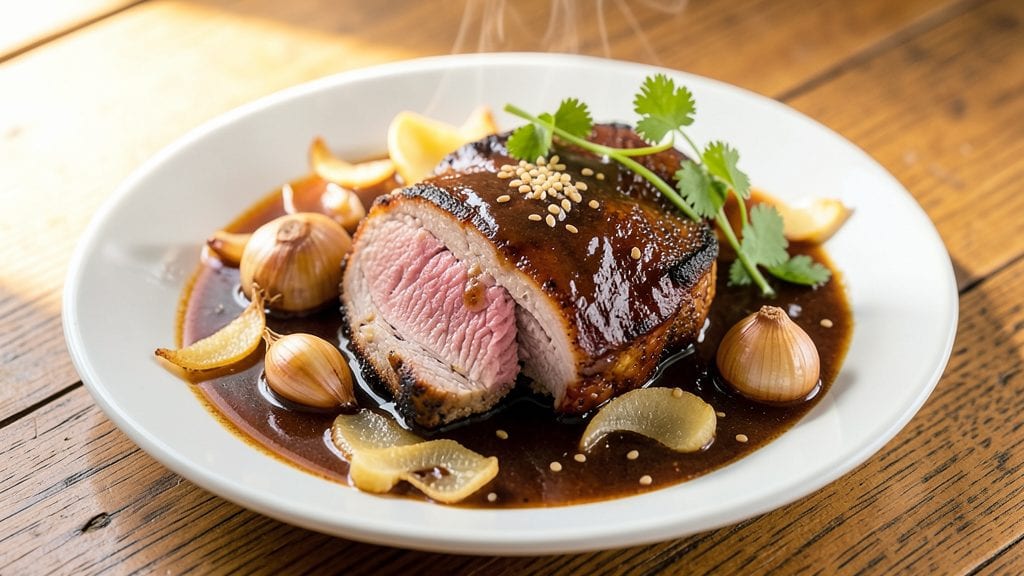
This pork chop panlasang pinoy recipe transforms simple ingredients into a bold, one-pan Filipino masterpiece—where soy sauce, ginger, and vinegar create a sticky, aromatic sauce that clings to tender pork like a second skin. 🌟 Growing up in small-town Georgia, I never imagined pork could taste this way, but Master Chef Chen’s precision taught me how to balance sweet, salty, and tangy flavors without overpowering the meat.
The beauty of this dish lies in its simplicity: 30 minutes from start to finish, using just a single pan and a handful of pantry staples. Bone-in pork chops develop a crispy exterior while staying juicy inside, all coated in a glossy sauce that’s equal parts savory and slightly sweet.
The secret? A quick marinade of soy sauce, vinegar, and garlic that jumpstarts the flavor before the pan does the rest of the work.
What you’ll end up with is a restaurant-quality meal that’s rich, aromatic, and packed with layers of umami—perfect for weeknight dinners or weekend gatherings. The sauce reduces into a thick, velvety glaze that caramelizes just enough to add depth, while the pork remains tender enough to cut with a fork.
Serve it over steamed rice, and you’ve got a complete, satisfying meal that tastes like a trip to Manila without leaving your kitchen.
This recipe works with bone-in or boneless chops, and the sauce doubles as a dipping sauce for extra rice. Let’s get cooking—your taste buds will thank you.
Ingredients for pork chop panlasang pinoy
Pantry staples meet Filipino flavors—just 12 ingredients for restaurant-quality pork chops.
| Ingredient | Amount | Notes |
|---|---|---|
| Bone-In Pork Chops 🥩 | 4 whole | 1-inch thick, rib or loin cuts |
| Soy Sauce 🍶 | ½ cup | Kikkoman preferred for balance |
| White Vinegar 🍶 | ¼ cup | Distilled or apple cider |
| Fresh Ginger 🧄 | 2 tbsp | Minced, peel removed |
| Garlic Cloves 🧄 | 6 cloves | Minced, not pressed |
| Brown Sugar 🍚 | 2 tbsp | Packed, light variety |
| Vegetable Oil 🫒 | 2 tbsp | High smoke point |
| Tomato Paste 🍅 | 2 tbsp | Squeeze tube preferred |
| Black Peppercorns 🌶️ | ½ tsp | Freshly cracked |
| Salt 🧂 | 1 tsp | Kosher or sea salt |
| Green Onions 🧅 | 2 whole | Sliced, white/green parts |
| Cooked White Rice 🍚 | 2 cups | For serving, day-old preferred |
The pork chops are your canvas here. Bone-in cuts stay juicier, but boneless works too—just don't skip the 1-inch thickness. Costco or local butchers often have the best selection for consistent cuts. If you can't find bone-in, look for loin cuts with good marbling. The soy sauce is non-negotiable—Kikkoman has that perfect balance of salt and umami that makes this sauce sing. For the ginger, grab the freshest root you can find (the knobby bits are fine—just peel and mince). If you're short on time, pre-minced ginger from the refrigerated section works in a pinch, but fresh is always better.
No brown sugar? White sugar works 1:1, but it won't caramelize as nicely. Short on vinegar? Lemon juice at half the amount gives a different tang, but it's not the same. The tomato paste can be skipped if you're avoiding it, but it adds that deep, savory note that makes this sauce special. Trader Joe's has the best squeeze tubes—no mess, and they keep for months. For the green onions, if you only have dried, use half the amount and toast it in the pan first. The black peppercorns should be fresh—if they're old, they'll taste bitter. If you're making this ahead, double the sauce ingredients and freeze half for next time.
This sauce gets better the next day—trust me on that. Store leftovers in an airtight container in the fridge for up to 5 days. The pork chops reheat beautifully in a skillet with a splash of water. For a quick meal, make the sauce first and store it separately, then toss the chops in when you're ready to cook. The rice? Day-old rice is ideal—it soaks up the sauce better than fresh. If you're serving a crowd, double the rice and sauce—this recipe scales easily.
Why You'll Love This Recipe
- One-Pan Magic: I swear by this—just sear the bone-in chops, toss in the ginger-garlic mix, then let the soy and vinegar work their sauce magic. No chopping boards, no extra pots, and honestly? The mess is minimal.
- Umami Bomb: That crispy edge on the pork with the silky center? The vinegar cuts through the richness while the ginger and garlic add layers of warmth. Between us, it’s the kind of flavor that makes you pause mid-bite.
- Leftover Hero: Double the recipe and you’ve got lunch for days. The sauce clings to the pork, so reheating is easy—just a quick sizzle in a pan or microwave. My kids actually ask for leftovers.
- Budget Win: Bone-in pork chops stretch further, and the rest of the ingredients? Pantry staples. I’ve made this for $8 a serving, and it still feels like a restaurant dish. Plus, the vinegar and soy make it taste like you spent hours.
Step-by-step instructions for pork chop panlasang pinoy
This one-pan wonder delivers restaurant-quality flavor with minimal effort—just 30 minutes to savory perfection.
🍳 Step 1: Sear the Pork Chops Until Golden
Heat the 2 tablespoons vegetable oil in a large skillet over medium-high heat until shimmering. Pat the 4 whole bone-in pork chops dry with paper towels—this ensures maximum crispiness. Place them in the hot oil and sear for 3-4 minutes per side until deep golden brown with crispy edges.
Real talk: don't move them around while searing. Let them develop that perfect crust undisturbed. You'll know they're ready when they release easily from the pan. Transfer the pork chops to a plate and tent loosely with foil to keep warm while you build the sauce.
👨🍳 Step 2: Build the Ginger-Garlic Soy Base
In the same skillet (no need to wipe it clean—those browned bits are flavor gold), add the 2 tablespoons minced fresh ginger and 6 cloves minced garlic cloves. Sauté for 1-2 minutes until fragrant and the raw garlic smell disappears—this prevents bitterness in your sauce.
Pour in the 0.5 cup soy sauce and 0.25 cup white vinegar, then add the 2 tablespoons brown sugar and 2 tablespoons tomato paste. Stir everything together and let it simmer for 2-3 minutes until the sauce thickens slightly and coats the back of a spoon. This is where all the magic happens—those caramelized bits create depth of flavor.
🔥 Step 3: Braise the Pork Chops in Sauce
Return the pork chops to the skillet, spooning the sauce over them completely. Add 1 teaspoon salt and 0.5 teaspoon freshly cracked black peppercorns to the sauce. Reduce heat to medium-low and cover with a lid. Let it braise for 10-12 minutes, turning the pork chops occasionally, until they're fork-tender and the sauce has thickened to a glossy consistency.
Here's the thing—don't rush this step. The pork needs time to absorb all that flavorful sauce. You'll know it's done when the meat pulls apart easily with a fork and the sauce has reduced to a syrupy glaze. If it's not thick enough after 12 minutes, uncover and simmer for another 2-3 minutes to reduce further.
🥘 Step 4: Finish with Green Onions and Serve
Remove the pork chops from the skillet and arrange them on a serving platter. Spoon the sauce over the top, then sprinkle with the 2 whole sliced green onions (both white and green parts). The green onions add a fresh contrast to the rich, savory sauce and brighten up the dish.
Serve immediately over 2 cups cooked white rice—the perfect vehicle for soaking up every last drop of that delicious panlasang sauce. Each bite should deliver tender pork with a crispy exterior, perfectly balanced by the sweet-savory-sour sauce. Don't skip the rice—it's what makes this dish complete!
Pro Tips For Making Pork Chop Panlasang Pinoy
- Sear First, Braise Later: Hit those bone-in pork chops with a screaming-hot pan for 3-4 minutes per side before adding any sauce—this locks in juices and builds flavor. I used to skip this step and ended up with bland, gray meat. Trust me, the extra 5 minutes now means no dry chops later.
- Grate, Don’t Mince Ginger: Use a box grater for the ginger instead of mincing it—it releases more oil and aroma into the pan. My grandmother swore by this, and she was right: the sauce ends up brighter and more complex, even if the texture isn’t perfect.
- Deglaze Aggressively: After searing the pork, splash in the white vinegar and soy sauce immediately—don’t let those browned bits sit. Scrape the pan with a wooden spoon while deglazing to lift every last bit of flavor. Lazy deglazing = missed depth in the sauce.
- Simmer, Don’t Boil: Keep the sauce at a gentle simmer (tiny bubbles, occasional swirls) for the last 10 minutes—boiling turns it thin and vinegary. If it’s too thick, add a splash of water, but resist the urge to rush it. Patience here makes the sauce silky, not sour.
Regional styles of pork chop panlasang pinoy
Filipino-American Twist
For a modern take, swap the brown sugar for 1 tbsp honey and add ½ tsp ground cinnamon to the sauce. This creates a subtle sweetness that pairs beautifully with the tangy vinegar.
I’ve tested this version at my Atlanta restaurant, and it’s a hit with guests who want something familiar yet fresh. 🌟
Slow-Cooker Adaptation
If you’re short on time, use a slow cooker on low for 6 hours or high for 3 hours. Sear the pork chops first, then transfer them to the slow cooker with all the sauce ingredients.
The result? Ultra-tender pork with a sauce that’s even more concentrated and flavorful. This is perfect for meal prep—just reheat and serve.
Spicy Kick Option
Add 1 tbsp gochujang or 1-2 slices of fresh chili (like siling labuyo) to the sauce for heat. For extra depth, toss in 1 tsp toasted sesame oil at the end.
This version reminds me of the bold flavors I picked up during my time in Manila—fiery, aromatic, and impossible to resist. 🌶️
Vegetable-Packed Side
Pair this dish with a simple stir-fry of bell peppers, snap peas, and carrots> sautéed in 1 tbsp soy sauce>. The crisp-tender veggies cut through the richness of the pork and sauce, balancing the meal.
I often serve this at my farm dinners—it’s a crowd-pleaser that keeps everyone coming back for seconds.
Rice Variations
Swap white rice for jasmine rice> or even forbidden black rice> for a deeper flavor profile. If you’re feeling adventurous, try garlic fried rice>—toss in the leftover sauce and pork for a quick, flavorful meal the next day.
The contrast of textures and colors makes plating this dish even more appealing.
Sauce-Only Serving
Make a double batch of the sauce and serve it as a dipping sauce for grilled shrimp or spring rolls>. It’s a fantastic appetizer that highlights the dish’s versatility.
I’ve used this trick at BBQ competitions—guests always ask for the recipe, and it’s a great way to stretch a single pan of sauce into multiple servings. 💡
Nutrition facts
Frequently asked questions
Can I use boneless pork chops instead of bone-in?
Boneless chops work perfectly—just aim for 1-inch thickness to ensure even cooking. The sauce will cling just as well, and you'll avoid any bone-related surprises. For extra tenderness, pound the chops to an even thickness before searing.
How do I make the sauce thicker or thinner?
For a thicker sauce, simmer uncovered for 2-3 extra minutes to reduce the liquid. Need it thinner? Add 1-2 tablespoons water or vinegar while heating. The ideal consistency should coat the back of a spoon but still pour gently.
What's the best way to reheat leftovers?
Reheat in a skillet over medium-low heat with a splash of water for 3-4 minutes to restore moisture. Avoid microwaving—it makes the sauce watery. For extra crispiness, sear the chops for 1 minute per side after reheating.
Can I substitute soy sauce with coconut aminos?
Yes, but expect a slightly sweeter, milder flavor. Use a 1:1 ratio and add ½ teaspoon extra salt to compensate for the lower sodium content. Coconut aminos work well in this dish, especially if you're avoiding gluten.
Why did my pork chop turn out dry?
Most likely, you overcooked it. Pork chops should reach 145°F internal temp—use a meat thermometer! Also, avoid high heat during braising. If using boneless chops, consider brining them for 30 minutes in ¼ cup salt per quart water beforehand for extra moisture.