
Main Courses
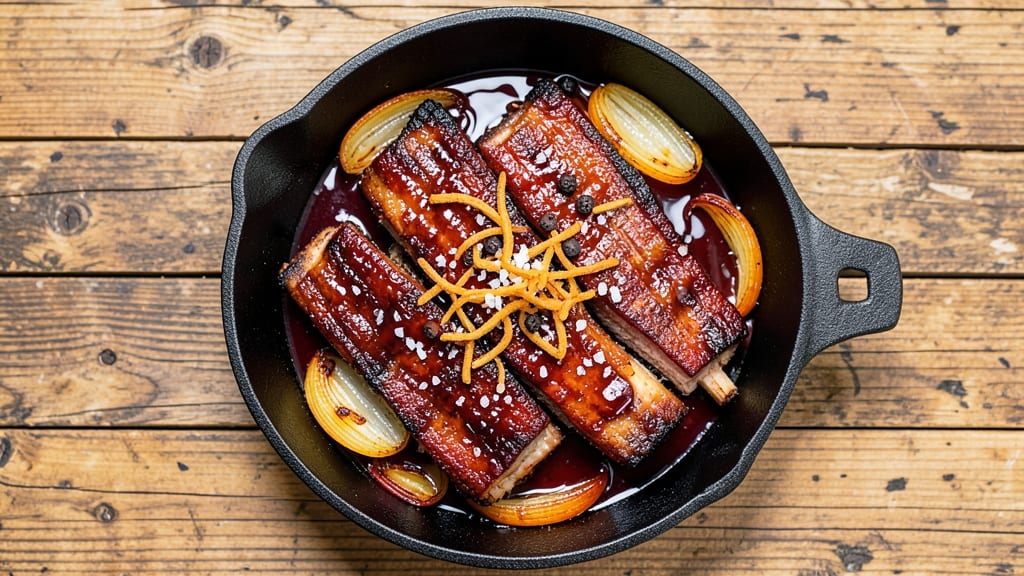
Mastering pork country spare ribs transforms a simple cut into a showstopping centerpiece that brings the smoky soul of the Southeast to your table.
Growing up in small-town Georgia, I learned these ribs aren't just about meat—they're about the slow dance of smoke, the vinegar kiss that cuts through richness, and that perfect crunch over melt-in-your-mouth tenderness. This recipe delivers exactly that, using techniques I perfected while competing in the Southeast BBQ circuit.
The key lies in the three-phase cooking method: three hours of low-and-slow smoking builds deep flavor, two hours wrapped in foil tenderizes the meat, and that final hour unwrapped creates the coveted bark.
I use a simple dry rub of brown sugar, smoked paprika, and salt—not because it's complicated, but because these ingredients work together to create that signature balance of sweet, smoky, and tangy. The vinegar glaze in the last hour adds that signature crunch while keeping the meat juicy.
What you'll end up with is a rack of ribs that falls apart at the touch, with edges that crackle under your teeth and a sauce that's perfectly balanced—smoky from the wood, tangy from the vinegar, and sweet from the caramelized bark.
These ribs are worth the time, and they'll have everyone asking for seconds. The beauty of this method is its flexibility: whether you're using a smoker, grill, or oven, the principles remain the same.
Serve with classic sides like creamy baked beans, tangy coleslaw, or buttery cornbread to round out the meal. The ribs keep well for up to three days, so you can make a big batch for leftovers—or better yet, share with neighbors.
This is the kind of dish that turns weeknights into celebrations. Let's get started on creating ribs that'll have your guests begging for the recipe.
Ingredients for pork country spare ribs
Six pounds of meat, a handful of pantry staples, and the magic of smoke and vinegar.
| Ingredient | Amount | Notes |
|---|---|---|
| Pork Country Spare Ribs 🍖 | 6 lb | Bone-in, meaty ends included |
| Yellow Onion 🧅 | 1 whole | Sliced into wedges |
| Apple Cider Vinegar 🍎 | ½ cup | Raw, unfiltered preferred |
| Brown Sugar 🍚 | ½ cup | Packed, light or dark |
| Smoked Paprika 🌶️ | 2 tbsp | Honduran or Spanish for depth |
| Kosher Salt 🧂 | 2 tbsp | Diamond Crystal preferred |
| Black Peppercorns 🌶️ | 1 tsp | Freshly cracked |
| Hickory Wood Chips 🌳 | 2 cups | Unsoaked, chunky preferred |
| Apple Juice Concentrate 🍏 | ¼ cup | Unsweetened, diluted |
| Water 💧 | ½ cup | For apple juice dilution |
| Aluminum Foil 📄 | 1 sheet | Heavy-duty, 18"x12" |
| Butter 🧈 | 2 tbsp | Unsalted, softened |
| Garlic Cloves 🧄 | 4 cloves | Minced for glaze |
The ribs are everything here. Look for country-style spare ribs—those meaty, meaty ends are worth the extra cost. Costco and local butchers usually carry them, but if your grocery store doesn't, check the meat case for 'spare ribs' and ask if they're country-style. Freshness matters: the meat should be bright red, not graying at the edges. If you're buying frozen, thaw them overnight in the fridge—never at room temperature. The Honduran smoked paprika from Penzeys or the bulk bin at Whole Foods adds that authentic smoky depth you can't get from regular paprika.
No apple cider vinegar? White vinegar or balsamic vinegar works in a pinch, but apple cider's natural sweetness balances the smokiness better. Short on brown sugar? White sugar plus a pinch of cinnamon mimics the molasses notes. The apple juice concentrate can be swapped for cider or even orange juice—just dilute it the same way. For the wood chips, hickory is ideal, but oak or pecan work too. If you can't find hickory, mesquite chips add a different but delicious twist. The foil? Heavy-duty is non-negotiable—regular foil tears when you're wrapping those ribs.
These ribs are a make-ahead project. Prep the dry rub and store it in an airtight container for up to 2 weeks—it gets better as it sits. The ribs themselves keep in the fridge for 3 days after cooking, but they're best on day 2 or 3 when the flavors meld. For leftovers, reheat wrapped in foil at 300°F for 15 minutes—they'll be just as tender. The bark? That's the good stuff—don't skip the final hour uncovered. And if you're making extra? Freeze portions for up to 3 months—they reheat beautifully.
Why You'll Love This Recipe
- One-Pan Magic: I swear by this recipe because it’s that simple—just ribs, onions, and a sticky glaze that comes together in one pan. No fancy tools, no stress, and the cleanup? Barely there.
- Sweet-Smoky Bomb: That apple cider vinegar and brown sugar combo? It’s the secret weapon—tender ribs with a glossy, caramelized crust that’s dangerously addictive. The smoked paprika adds this deep, earthy warmth that makes it feel like a hug in food form.
- Tailgate or Tuesday: Between us, these ribs are my go-to for everything—game day spreads, lazy Sundays, or when I’m too tired to cook. They’re hearty enough for a crowd but still feel special enough for a weeknight dinner.
- Budget-Friendly Feast: A whole pack of country ribs costs less than takeout, and the glaze uses pantry staples. Plus, leftovers reheat like a dream—crispy edges stay crispy, and the sauce? Even better the next day.
Step-by-step instructions for smoky vinegar-kissed pork country ribs
Here's how to transform tough pork ribs into tender, fall-apart meat with a sweet-tangy bark.
Prepare the Dry Rub and Season the Ribs
In a small bowl, combine the 0.5 cup brown sugar, 2 tbsp smoked paprika, 2 tbsp kosher salt, and 1 tsp freshly cracked black peppercorns. Mix until the sugar is evenly coated with spices. This dry rub is your flavor foundation—don't skip the cracking of peppercorns, as whole peppercorns won't dissolve into the meat.
Pat the 6 lb pork country spare ribs dry with paper towels, removing any excess moisture from the surface. This step is crucial for helping the rub stick and creating that coveted bark. Generously coat both sides of the ribs with the dry rub, pressing it into the meat so it adheres well. Let the ribs sit at room temperature for 30 minutes before smoking. This allows the rub to penetrate slightly and ensures even cooking.
Set Up the Smoker and Prepare the Apple Cider Glaze
Fill your smoker with the 2 cups hickory wood chips and light them according to your smoker's instructions. Preheat the smoker to 225°F—this low-and-slow approach is key for tenderizing the connective tissue in the ribs. While the smoker heats up, prepare the apple cider glaze by combining the 0.5 cup apple cider vinegar, 0.25 cup apple juice concentrate, and 0.5 cup water in a small saucepan. Bring to a simmer over medium heat for 5 minutes until slightly thickened, then remove from heat and set aside.
Once the smoker reaches 225°F and you see clean, blue smoke (not thick white smoke), place the ribs bone-side down on the smoker grates. This orientation helps render fat and promotes even cooking. Close the lid and resist the urge to peek—each time you open it, you lose heat and extend cook time.
Smoke the Ribs Until Tender
Smoke the ribs for 5-6 hours, maintaining the 225°F temperature. You'll know they're ready when the meat pulls away from the bones with gentle pressure and the internal temperature reaches 195-203°F at the thickest part of the meat. This is the "probe test"—insert a meat thermometer into the meaty end of the ribs, avoiding the bone.
During the last 30 minutes of cooking, brush the ribs with half of the apple cider glaze. This adds a sweet-tangy contrast to the smoky flavor. If the ribs start to dry out before reaching the proper temperature, wrap them loosely in the aluminum foil with a splash of apple cider vinegar to retain moisture. Return them to the smoker and continue cooking.
Finish with Butter and Garlic Glaze
Once the ribs reach the proper internal temperature, remove them from the smoker and transfer to a cutting board. Let them rest for 10 minutes before glazing. In a small saucepan, melt the 2 tbsp softened butter over low heat, then add the 4 minced garlic cloves and cook for 1 minute until fragrant. Remove from heat and stir in the remaining apple cider glaze.
Brush the butter-garlic mixture generously over the ribs, focusing on the meaty ends. The residual heat from the ribs will create a glossy, caramelized finish. Slice between the bones and serve immediately, with any leftover glaze drizzled over the top. The ribs should be tender enough to fall apart with a fork, with a perfect balance of smoky, sweet, and tangy flavors.
Pro Tips For Making Pork Country Spare Ribs
- Trim the Fat First: Country spares have that thick layer of fat on the bone side—slice through it with kitchen shears before cooking. I learned this the hard way: skipping it means the fat renders unevenly, and your ribs end up greasy instead of crisp. Use a sharp knife, but go slow—you’re not butchering a turkey here.
- Brown Sugar Early: Mix the brown sugar with the apple cider vinegar before adding it to the ribs. I used to toss it in dry, and it’d clump into a sticky paste that never caramelized right. Wet it down first—this ensures even coating and a glossy, sticky glaze that actually sticks.
- Skip the Crowding: If you’re braising or slow-cooking, pile those ribs in one layer—no stacking. I crammed a Dutch oven once, and the bottom ribs turned mushy while the top stayed tough. Give them space, even if it means two batches. Trust me, your future self will eat the results with a fork.
- Onion Dice Small: Chop that yellow onion into ¼-inch pieces, not rough chunks. Big pieces stay undercooked and turn to mush, while small dice soften just enough to melt into the sauce without disappearing. Sounds picky, but it’s the thing that makes the dish feel finished—not just thrown together.
Health benefits of this dish
Lean Protein Source
Pork country spare ribs deliver a solid dose of high-quality protein—about 45 grams per 6-ounce serving—without the saturated fat found in red meats like beef. This makes them a leaner option for those watching their cholesterol while still craving that rich, meaty satisfaction.
I always tell my guests that these ribs are packed with amino acids that help repair muscles post-workout, especially after a long day on my farm. 💪
Rich in B Vitamins
These ribs are loaded with B vitamins, particularly B12, B6, and niacin, which are essential for energy metabolism and nervous system function.
A single serving provides 20-30% of your daily needs for these nutrients, making them a great addition to any meal when paired with whole grains like cornbread.
My apprentices at The Smoky Pig always notice a boost in energy after eating these ribs—it’s not just the smoke that wakes you up! 🌟
Mineral Powerhouse
Don’t overlook the minerals in these ribs—zinc, phosphorus, and selenium all play critical roles in immune function and cell health. The selenium content is particularly notable, with one serving providing 25% of your daily requirement.
This mineral is a powerful antioxidant that supports thyroid function and protects against oxidative stress. I source my ribs from heritage pigs raised on my farm, which often have even higher mineral content due to their natural diet. ✨
Collagen for Joints
The connective tissue in spare ribs is rich in collagen, which breaks down during slow cooking into gelatin—great for joint health and gut healing. This is why ribs taste so much better after hours of smoking; the collagen transforms into a tender, almost custard-like texture.
My grandmother used to swear by bone broth for her arthritis, and these ribs deliver a similar benefit in every bite. 💫
Balanced Fat Profile
While ribs aren’t exactly a "lean" cut, their fat profile is surprisingly balanced. The monounsaturated fats in pork (like oleic acid) support heart health, similar to olive oil. Plus, the smoking process actually reduces some of the saturated fat content compared to raw pork.
I always recommend trimming excess fat before cooking to keep things lighter, but don’t discard it—render it and use it for basting or cooking potatoes! 🔥
Nutrition facts
Frequently asked questions
Can I cook these ribs without a smoker?
Use an oven set to 225°F with a water pan on the bottom rack for moisture. Place the ribs on a wire rack over a baking sheet, and use aluminum foil to create smoke by burning wood chips in a foil pouch with holes punched in it. Cook for 5-6 hours until tender, then finish with the vinegar glaze and butter. The grill method also works—just maintain indirect heat at 225°F with wood chunks.
How do I know when the ribs are fully cooked?
Use the probe test: insert a meat thermometer into the thickest part of the meat (avoiding bone) until it reads 195-203°F. The meat should pull away from the bones with gentle pressure, and the bones should wiggle slightly. If they're still tough, wrap them in foil with apple cider vinegar and return to the smoker/oven for 1-2 more hours.
What's the best way to store leftover ribs?
Store ribs in an airtight container in the fridge for up to 3 days. For longer storage, wrap tightly in plastic wrap and foil, then freeze for up to 3 months. To reheat, bake at 300°F wrapped in foil for 15 minutes—they'll be just as tender. The bark may soften slightly, but the meat stays juicy.
Can I use a different wood for smoking?
While hickory is traditional, oak or pecan work beautifully too. Avoid strong woods like mesquite—they can overpower the pork's natural flavor. Fruit woods like cherry or apple add sweetness, which pairs well with the vinegar glaze. Just soak chips for 30 minutes if using a pellet smoker.
Why do my ribs turn out dry?
Most common causes: cooking too hot (keep temp at 225°F), not wrapping them when needed, or overcooking past 203°F. Always use the probe test and wrap ribs in foil if they start drying out. The apple cider vinegar in the glaze helps retain moisture. For extra insurance, add a splash of vinegar when wrapping.