
Main Courses
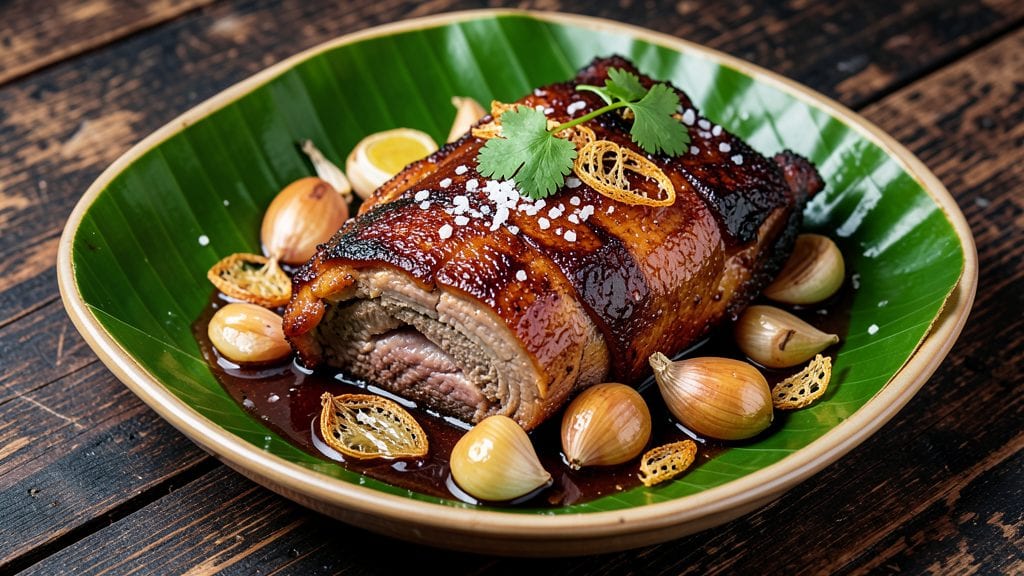
Mastering pork embutido transforms tough pork shoulder into melt-in-your-mouth perfection through slow braising and aromatic spices. Growing up in small-town Georgia, I learned how pork's rich flavors could be elevated with patience and the right technique—this recipe brings that Southern tradition to Filipino-inspired results.
The key lies in marinating the meat overnight, then wrapping it in banana leaves for an authentic touch that infuses subtle earthy notes during cooking.
This method delivers restaurant-quality tenderness without requiring specialized equipment—just a Dutch oven and your time. The pork becomes so flavorful and tender that it practically falls apart, making every bite worth the effort.
What sets this recipe apart is the balance of spices: garlic, ginger, and black pepper create depth while vinegar tenderizes the meat from within.
By the time you serve it, you'll have a dish that's rich, aromatic, and deeply satisfying—a centerpiece for family gatherings or special occasions. The banana leaves add an elegant presentation while keeping the pork moist.
Pair it with steamed rice and a crisp green salad to complete the meal, or serve it as-is for a showstopping main course that will have everyone asking for seconds.
Here's where the magic happens: the slow braising process ensures the pork absorbs all those marinade flavors while developing a caramelized exterior. Whether you're cooking for a crowd or treating yourself to a special meal, this recipe delivers professional results at home.
Let's get started on creating pork embutido that rivals the best from a Filipino kitchen.
Ingredients for pork embutido
Six ingredients transform tough pork into melt-in-your-mouth perfection with slow braising and bold flavors.
| Ingredient | Amount | Notes |
|---|---|---|
| Pork Shoulder 🥩 | 5 lb | Bone-in, well-marbled preferred |
| Banana Leaves 🌿 | 4 whole | Fresh or frozen, thawed |
| Garlic Cloves 🧄 | 10 cloves | Peeled, minced finely |
| Fresh Ginger 🌿 | ½ cup | Finely grated, packed |
| White Vinegar 💧 | ½ cup | Distilled preferred |
| Brown Sugar 🍯 | ¼ cup | Packed, light variety |
| Black Peppercorns 🌶️ | 1 tbsp | Coarsely crushed |
| Bay Leaves 🍃 | 2 whole | Dried, standard size |
| Soy Sauce 🍶 | ¼ cup | Light or regular |
| Olive Oil 🫒 | ¼ cup | For searing |
| Salt 🧂 | 1 ½ tsp | Kosher or sea salt |
| Ground Black Pepper 🌶️ | 1 tsp | Freshly ground |
| Water 💧 | 2 cups | For braising liquid |
The pork shoulder is non-negotiable here—bone-in with good marbling gives the best texture. Butcher sections at stores like Whole Foods or Costco usually have it pre-cut, but ask for a chunk with visible fat if buying whole. Banana leaves add that authentic Filipino touch—Asian markets carry them fresh or frozen, and they're worth hunting down. If you can't find them, large cabbage leaves work in a pinch, though the flavor won't be identical. The garlic and ginger should be fresh—no powdered shortcuts here. I like to buy ginger in small chunks and grate it myself; Trader Joe's sells pre-grated if you're short on time.
No banana leaves? Large cabbage or romaine leaves can wrap the pork, but they won't infuse the same earthy flavor. Short on vinegar? Apple cider vinegar works just as well. The brown sugar adds depth, but honey or coconut sugar can swap in at the same amount. Black peppercorns should be crushed coarsely—no fine powder here. For the soy sauce, low-sodium keeps the balance right. If you're making this ahead, prep the marinade a day early and let the pork soak overnight—game changer for tenderness. The banana leaves can be prepped ahead too, just store them wrapped in damp paper towels.
This dish tastes even better the next day—plan ahead. The pork keeps 4-5 days in the fridge, and portions freeze beautifully for up to 3 months. I like to slice it thin against the grain and serve it over rice with a drizzle of the braising liquid. The banana leaves? Save any leftovers—wrap them in foil and freeze for future uses. If you're serving a crowd, double the recipe; the Dutch oven handles it easily. Leftovers reheat perfectly—just warm in the oven with a splash of water to keep them moist.
Why You'll Love This Recipe
- No Fuss, Big Payoff: I swear by this recipe because it’s the kind of dish that lets you almost set it and forget it. The pork shoulder gets marinated in garlic, ginger, and vinegar—hardly any chopping—then wrapped in banana leaves and baked until fall-apart tender. Honestly, the prep takes less time than ordering takeout, but the result? A thousand times better.
- Umami Bomb: That tangy-sweet balance from the vinegar and ginger? It’s the secret weapon. The banana leaves infuse this thing with an earthy aroma that makes every bite taste like a hug from your favorite Filipino abuela. Between us, it’s the kind of flavor that lingers—good kind of lingering.
- Party in a Leaf: Serve it sliced for a casual weeknight dinner or bring the whole bundle to potlucks—it’s always a crowd-pleaser. (Yes, even on a Tuesday night.) The banana leaves keep it moist, so reheating leftovers is a breeze, and the rich, savory filling pairs with rice, steamed veggies, or even just a cold beer.
- Budget Hero: Pork shoulder is cheap, and a single banana leaf can stretch to feed four. I’ve made this for family gatherings, office potlucks, and lazy Sundays—it’s my go-to when I need to feed a house without breaking the bank. Plus, the leftovers? They taste just as good reheated as they do fresh.
Step-by-step instructions for slow-braised pork shoulder with banana leaves
Here's how to transform tough pork shoulder into melt-in-your-mouth embutido with rich, aromatic flavors.
Prep and Sear the Pork Shoulder
Start by trimming any excess fat from the 5 lb pork shoulder, leaving about ¼ inch of fat cap for flavor and moisture. Pat the meat completely dry with paper towels—this ensures a proper sear later. In a large pot or Dutch oven, heat 0.25 cup olive oil over medium-high heat until shimmering.
Season the pork generously with 1.5 tsp salt and 1 tsp ground black pepper, pressing the seasoning into the meat so it sticks. Sear the pork on all sides until deeply browned—about 8-10 minutes total. This step builds flavor through the Maillard reaction. Once browned, remove the pork and set it aside on a plate.
Build the Aromatic Braising Liquid
In the same pot, reduce heat to medium and add 10 cloves minced garlic cloves and 0.5 cup finely grated fresh ginger. Sauté for 1-2 minutes until fragrant—you should smell that bright, zesty aroma. Add 1 tbsp coarsely crushed black peppercorns and 2 whole bay leaves, cooking for another 30 seconds to toast the spices slightly.
Pour in 0.5 cup white vinegar and 0.25 cup soy sauce, scraping up any browned bits from the bottom of the pot. These bits are packed with flavor—don't miss them. Add 0.25 cup packed brown sugar and 2 cups water, stirring to dissolve the sugar completely. Let the mixture simmer for 3-4 minutes until slightly reduced and syrupy.
Layer and Braise with Banana Leaves
Return the pork to the pot, fat-side up. Add the 4 whole banana leaves (if fresh, briefly blanch them in boiling water for 10 seconds to soften). The banana leaves will infuse an earthy, slightly sweet flavor into the meat. Pour the braising liquid over the pork, ensuring it's mostly submerged.
Bring the liquid to a gentle simmer over low heat, then cover the pot with a lid. The key here is patience—braise for 3-4 hours until the pork is fork-tender. You'll know it's done when a knife slides in easily and the meat pulls apart with minimal resistance. If the liquid reduces too much, add ¼ cup water to keep it moist.
Rest and Serve with Flavorful Juices
Once the pork is tender, remove it from the pot and let it rest on a cutting board for 15-20 minutes. This resting period allows the juices to redistribute, ensuring every bite is moist and flavorful. Skim any excess fat from the braising liquid if desired, but leave some behind for richness.
Slice the pork against the grain into ½-inch thick slices and serve with the banana leaves and braising liquid spooned over the top. The banana leaves add a unique, slightly sweet contrast to the savory pork. For extra flavor, drizzle any remaining juices from the pot over the slices before serving.
Pro Tips For Making Pork Embutido
- BRINE THE PORK: Toss your pork shoulder in a mix of 1 cup white vinegar, 2 tablespoons salt, and 1 tablespoon black pepper for at least 4 hours before cooking—this keeps it juicy and tender. I used to skip this, and my embutido always ended up dry, no matter how long I cooked it.
- CHAR THE GINGER: Lightly toast your ginger slices in a dry pan until fragrant—this deepens the flavor and prevents that raw, bitter bite. I was skeptical until I tried it; now, I can’t imagine making embutido without it.
- DON’T OVERPACK THE BANNANA LEAF: Spread the pork mixture thinly on the banana leaf—overstuffing makes it steam instead of crisp. Trust me, I’ve seen embutido turn soggy because someone crammed too much in there.
- SEAR THE GARLIC FIRST: Bloom the minced garlic in oil for 30 seconds before adding other ingredients—this prevents it from burning and adds a nutty depth. Sounds small, but it makes a real difference in the final flavor.
Make-ahead tips for pork embutido
Marinade Prep Ahead
I always make the marinade first and let the pork soak overnight—this is where the magic happens.
Combine 10 minced garlic cloves, 0.5 cup grated ginger, 0.5 cup white vinegar, 0.25 cup soy sauce, 0.25 cup brown sugar, 1 tbsp crushed black peppercorns, and 2 whole bay leaves in a large bowl.
Rub this mixture all over the 5 lb pork shoulder, then place it in a resealable plastic bag or airtight container. Refrigerate for 12-24 hours—the longer it marinates, the more tender and flavorful the pork becomes. 💪
Banana Leaf Prep
Banana leaves add that authentic Filipino touch, but they need prep. If using fresh leaves, briefly blanch them in boiling water for 10 seconds to soften, then pat dry. Store them wrapped in damp paper towels in an airtight container in the fridge for up to 3 days.
For convenience, I freeze prepped leaves between layers of parchment paper—they thaw quickly in warm water. If you can't find banana leaves, large cabbage or romaine leaves work as a substitute, though the flavor won't be identical. 🌿
Dutch Oven Braising
The Dutch oven is your best friend for this recipe—it locks in moisture and develops deep flavors. After searing the pork, add all the braising ingredients, then cover and simmer on low heat for 3-4 hours. I like to start this in the morning so it's ready by dinner.
If you're short on time, use a slow cooker on low for 6-8 hours, but the Dutch oven gives better texture control. The pork should be fork-tender and pull apart easily. 🔥
Freezing for Later
Embutido freezes beautifully for meal prep. After braising, let the pork cool completely, then slice it and store in airtight containers with some of the braising liquid. It keeps in the freezer for up to 3 months.
To reheat, thaw overnight in the fridge, then warm in a skillet with a splash of water or microwave on low power until heated through. The flavors actually improve after freezing—perfect for busy weeknights! ❄️
Make-Ahead Serving
This dish tastes even better the next day, so plan ahead. After braising, let the pork rest for 15-20 minutes, then slice it and store in the fridge. Reheat gently in the oven at 300°F for 20-30 minutes with a splash of water to keep it moist.
Serve with steamed rice and a simple green salad to balance the richness. The banana leaves can be reheated in the oven too—just wrap them in foil and warm for 5 minutes to keep them pliable. 💫
Batch Cooking Tips
Double the recipe if you're feeding a crowd—the Dutch oven handles it easily. After braising, portion the pork into individual servings and store in airtight containers. I like to keep one container of sliced pork and another with the braising liquid for quick assembly.
For a special touch, wrap individual portions in fresh banana leaves before serving—it looks stunning and keeps the meat moist. This method saves time and ensures everyone gets perfectly cooked pork. 🌟
Nutrition facts
Frequently asked questions
What makes banana leaves essential for authentic embutido?
Banana leaves add a subtle earthy sweetness and help preserve moisture during cooking. They create a natural steam chamber that tenderizes the pork while infusing its unique aroma. Without them, the dish loses its signature Filipino character—though large cabbage leaves work in a pinch!
Can I substitute pork shoulder with another cut?
For best results, stick with pork shoulder as its fat content renders beautifully during braising. Pork butt works similarly, but leaner cuts like tenderloin will dry out. If using pork butt, increase braising time by 30 minutes to ensure tenderness.
How do I know when the pork is fully cooked?
The pork is done when it reaches an internal temperature of 203°F and easily pulls apart with a fork. For extra confirmation, check that all fat has rendered and the meat has a smooth, creamy texture. Never skip the rest time—this is when juices redistribute for maximum flavor!
What's the best way to reheat leftovers?
Slice the pork and reheat in a skillet with a splash of braising liquid over low heat for 5-7 minutes, or warm in the oven at 300°F for 20 minutes with foil. Avoid microwaving—it makes the meat rubbery. The banana leaves can be reheated separately for 5 minutes in the oven.
Can I make this recipe without vinegar?
Vinegar tenderizes the meat and balances flavors, but you can substitute with apple cider vinegar or lemon juice in equal amounts. For a milder taste, reduce to ¼ cup and add ¼ cup extra water to maintain moisture. The dish will still be delicious, though slightly less tangy.