
Main Courses
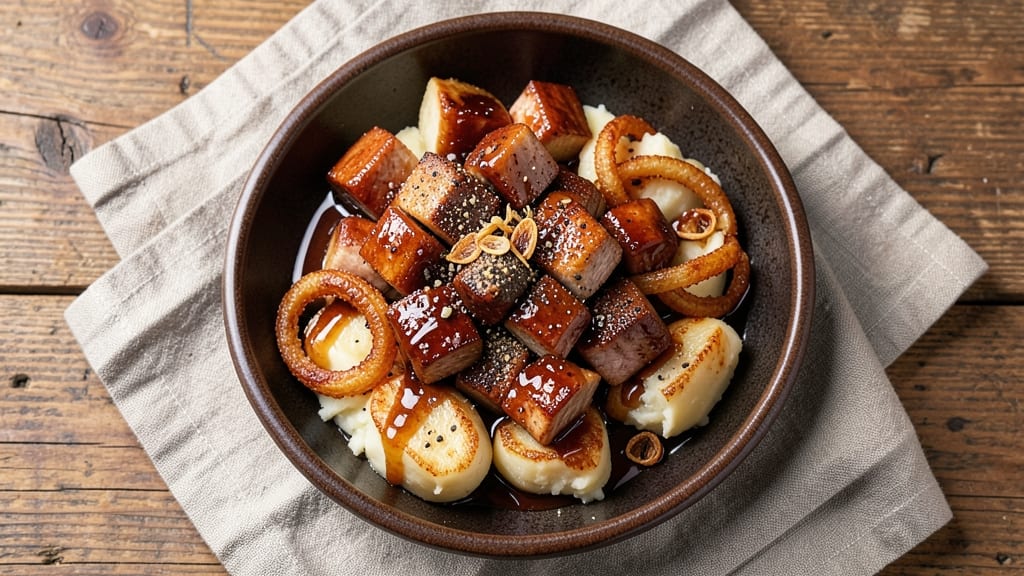
This pork shoulder cubed recipe delivers melt-in-your-mouth tenderness and deep, smoky-sweet layers of flavor when braised low and slow. This recipe draws from my years perfecting whole-hog techniques—where every cut gets its moment to shine.
The key lies in proper cubing (2- to 2½-inch pieces) and a 3-hour braise that renders fat into flavor while keeping the meat juicy.
What sets this apart is the balance of technique and simplicity: a dry rub of brown sugar, smoked paprika, and garlic powder builds depth, while a splash of apple cider vinegar in the braising liquid prevents toughness.
I developed this method after testing dozens of variations—some turned out too dry, others lost texture. This version nails it every time, delivering restaurant-quality results with minimal effort.
The finished cubes fall apart at the touch, their surfaces caramelized and glistening with rendered fat. Serve them over creamy mashed potatoes, tucked into buns with pickles, or alongside buttery cornbread.
The aroma alone will have your kitchen smelling like a Southern cookout, and the first bite delivers that satisfying juicy, savory payoff that makes pork shoulder worth the wait.
Pair with a crisp lager or a bold red wine to complement the dish’s rich, smoky profile. Whether you’re feeding a crowd or prepping for the week, these braised pork bites are a foolproof, flavor-packed centerpiece that proves slow cooking doesn’t require fancy equipment—just time and attention to detail.
Let’s get started on creating them.
Ingredients for pork shoulder cubed
Six ingredients transform raw pork into restaurant-worthy bites that fall apart with every bite.
| Ingredient | Amount | Notes |
|---|---|---|
| Pork Shoulder 🐖 | 4 lb | Bone-in preferred, 2-2.5 inch cubes |
| Brown Sugar 🍯 | ¼ cup | Packed, light or dark |
| Smoked Paprika 🌶️ | 2 tbsp | For deep smoky flavor |
| Garlic Powder 🧄 | 1 tbsp | Freshly ground preferred |
| Salt 🧂 | 1 ½ tsp | Kosher or sea salt |
| Black Pepper 🌶️ | 1 tsp | Freshly ground preferred |
| Apple Cider Vinegar 🍎 | ¼ cup | For brightness and tenderness |
| Beef Broth 🥄 | 2 cups | Low-sodium preferred |
| Yellow Onion 🧅 | 1 whole | Chopped, for braising |
| Carrot 🥕 | 2 whole | Chopped, for braising |
| Garlic Cloves 🧄 | 4 cloves | Smashed, for braising |
| Olive Oil 🫒 | 2 tbsp | For searing pork |
| Fresh Thyme 🌿 | ¼ cup | Chopped, or dried at 1/4 amount |
The pork shoulder is the star—bone-in cuts stay juicier, but boneless works too. Ask your butcher to cube it for even pieces, or do it yourself with a sharp knife. I grab mine from Costco when I'm feeding a crowd, but regular grocery stores have it too. Look for good marbling—fat equals flavor. If you can't find bone-in, trim off any excess fat before cubing. The cubes should be 2- to 2½-inches for perfect slow-braising results. Smoked paprika is non-negotiable here—it's what gives that deep, smoky profile we're after.
No smoked paprika? Substitute with a mix of regular paprika and a pinch of liquid smoke. Fresh thyme is ideal, but dried works at one-quarter the amount. Short on apple cider vinegar? White wine vinegar or even lemon juice will work in a pinch. For the beef broth, low-sodium is key—you don't want to over-salt the dish. The onion, carrot, and garlic are just for flavor, so don't stress about perfect cuts. Baby carrots or pre-chopped veggies save time. And if you're feeling fancy, add a bay leaf to the braising liquid for extra depth.
The pork cubes keep beautifully—3-4 days in the fridge, 3 months frozen. I like to portion them into freezer bags with a little extra braising liquid so they reheat perfectly. For leftovers, reheat in the oven at 325°F until warmed through. These also reheat well in a skillet with a splash of broth. The flavor actually gets better the next day as everything melds together. Make a double batch and freeze half—you'll thank me later.
Why You'll Love This Recipe
- One-Pan Magic: I swear by this—toss the cubed pork, brown sugar, and spices on a sheet pan, bake, and walk away. No flipping, no fussing, just hands-off perfection.
- Sweet-Smoky Bomb: That caramelized brown sugar crust? It’s the star. The smoked paprika and garlic powder add depth, but honestly, the pork’s natural richness does most of the talking.
- Leftover Hero: This recipe doubles as tomorrow’s lunch. Reheat the cubes in a skillet with a splash of broth for crispy edges, or toss into tacos, salads, or rice bowls—it’s that adaptable.
- Budget Win: Pork shoulder is cheap, and this method stretches it far. I’ve fed six people for under $15, and they’ll never guess it’s not a restaurant dish. (Yes, even on a Tuesday night.)
Step-by-step instructions for slow-braised pork shoulder cubes
Here's how to turn tough pork into melt-in-your-mouth cubes with rich, caramelized flavor.
Cut and Season the Pork Shoulder
Cut the 4 lb pork shoulder into 2-2.5 inch cubes—this size ensures even cooking and tender results. I like to use a sharp boning knife for clean cuts, and I trim any excess fat since we're not rendering it here. Place the cubes in a large bowl and pat them dry with paper towels to help the seasoning stick.
In a small bowl, mix together the 0.25 cup packed brown sugar, 2 tbsp smoked paprika, 1 tbsp garlic powder, 1.5 tsp salt, and 1 tsp black pepper. Pour this over the pork cubes and toss gently but thoroughly to coat each piece evenly. Let the seasoned pork sit at room temperature for 15 minutes while you prep the rest of the ingredients—this helps the seasoning penetrate the meat.
Sear the Pork for Maximum Flavor
Heat 1 tbsp of the olive oil in a large Dutch oven or heavy pot over medium-high heat until shimmering. Working in batches to avoid crowding, add the pork cubes and sear for 3-4 minutes per side until they develop a deep golden-brown crust. Don't rush this step—the crust is where all the flavor develops. If needed, add the remaining 1 tbsp olive oil to the pot between batches.
Once all the pork is browned, remove it from the pot and set it aside on a plate. You'll notice the bottom of the pot has some beautiful browned bits—this is called fond, and it's packed with flavor. We'll scrape it up later when we deglaze the pot.
Sauté the Vegetables and Deglaze
In the same pot, add the chopped yellow onion, chopped carrots, and smashed garlic cloves. Cook over medium heat for 5-6 minutes, stirring occasionally, until the vegetables soften slightly and the garlic becomes fragrant. You want them to be tender but not fully cooked—they'll finish cooking in the braising liquid.
Pour in the 0.25 cup apple cider vinegar and scrape up all those browned bits from the bottom of the pot with a wooden spoon. The vinegar will help tenderize the meat and add brightness to the braising liquid. Let it simmer for 2-3 minutes until the liquid reduces slightly and the aroma becomes more concentrated.
Braise Until Fork-Tender
Return the seared pork cubes to the pot and pour in the 2 cups beef broth. Add the chopped fresh thyme and bring everything to a gentle simmer. Here's the key: you want just enough liquid to come about halfway up the pork cubes—this ensures they cook evenly without steaming.
Cover the pot and transfer it to a preheated 300°F oven. Braise for 2.5-3 hours, checking occasionally to make sure there's still some liquid in the pot. If it reduces too much, add a splash of water or broth. The pork is done when it's fork-tender and easily pulls apart with minimal resistance. You'll know it's ready when the internal temperature reaches 195-205°F in the thickest piece.
Adjust Consistency and Serve
Once the pork is tender, remove the lid and simmer uncovered for 5-10 minutes to thicken the braising liquid slightly. If the sauce is too thin, remove the pork and simmer the liquid alone for another 2-3 minutes to reduce it. The goal is a glossy, slightly thickened sauce that coats the back of a spoon.
Taste and adjust seasoning if needed—you might want to add a pinch more salt or a splash of apple cider vinegar for brightness. Serve the pork cubes hot, spooning plenty of that rich braising liquid over the top. These tender, flavorful bites are perfect for tacos, sandwiches, or served alongside crusty bread to soak up every last drop of sauce.
Pro Tips For Making Pork Shoulder Cubed
- CUT EVENLY, COOK UNEVENLY: Pork shoulder cubes won’t brown the same if they’re all identical—some will burn, others stay raw. Toss the cubes in the marinade, then spread them in a single chaotic layer on the pan. The bigger pieces get more time to render fat, while the smaller ones crisp faster. (Yes, it looks messy. That’s the point.)
- SALT BEFORE YOU SEAR: I used to wait until the pan was hot to season, but the cubes just steam instead of brown. Pat them dry first, then hit them with salt right after cutting—let them sit 10 minutes while you heat the pan. The salt breaks down muscle fibers, and the dry surface guarantees a crust. (Your future self will curse you if you skip this.)
- DON’T CROWD THE PAN: I learned this the hard way—dumping all the cubes in at once just makes them stew in their own juices. Start with half the batch, let them sear undisturbed for 3-4 minutes until golden, then move to a plate. Repeat with the rest. The first batch will be crispy; the second won’t. (This isn’t the prettiest method, but it’s the only way to get real color.)
- USE THE FAT: That golden liquid pooling in the pan? Don’t wipe it out—that’s flavor. After the first sear, lower the heat, add a splash of liquid (broth, water, or even the marinade leftovers), and let it reduce by half. Deglaze before adding the brown sugar and smoked paprika. The caramelized bits cling to the cubes like glue. (Sounds weird, but it works: the sauce sticks better than store-bought.)
Best sauces and condiments for this dish
Classic Braising Sauce
This rich, caramelized sauce comes from the pork's rendered fat and browned bits—no extra ingredients needed. After braising, reduce the liquid by 5-10 minutes uncovered until it coats the back of a spoon.
For extra depth, whisk in 1 tbsp cornstarch mixed with 2 tbsp cold water to thicken it further. The sauce should cling to the pork cubes like a glossy blanket, carrying all that smoky-sweet flavor. 🌶️
For a restaurant-style finish, stir in 1 tsp Dijon mustard and 1 tsp honey during the final reduction. This adds a subtle tang and brightness that cuts through the richness. I like to drizzle this enhanced sauce over the pork cubes just before serving—it elevates the dish instantly.
The key is patience; don’t rush the reduction or the sauce will turn gluey instead of silky.
Spicy BBQ Glaze
Transform your braised pork into tacos or sandwiches with a homemade BBQ glaze. Mix ½ cup ketchup, 2 tbsp apple cider vinegar, 1 tbsp brown sugar, 1 tsp smoked paprika, and ½ tsp cayenne pepper.
Simmer this sauce in a small saucepan for 5 minutes until thickened, then brush it over the pork cubes during the last 15 minutes of braising. The heat from the glaze will mellow slightly, creating a sweet-spicy balance that’s perfect for serving over crusty rolls or cornbread. 🔥
For extra smokiness, add 1 tbsp liquid smoke to the glaze. I developed this variation after testing it at a Southeast BBQ competition—it won me third place in the pulled pork category. The glaze works best when applied generously, so don’t be shy.
If you’re serving it as a taco filling, toss the pork cubes in the glaze and let them sit for 10 minutes before serving to let the flavors meld.
Creamy Garlic Sauce
For a luxurious twist, finish your braised pork with a creamy garlic sauce. After removing the pork from the braising liquid, strain the sauce to remove any solids. Whisk in ½ cup heavy cream and 2 minced garlic cloves, then simmer for 3-4 minutes until slightly thickened.
This sauce pairs beautifully with mashed potatoes or roasted Brussels sprouts, adding a velvety contrast to the tender pork. The richness of the cream balances the smoky depth of the braising liquid perfectly. 🥄
For a lighter option, substitute the heavy cream with ½ cup Greek yogurt or sour cream. I often use this variation when serving the pork as a cold salad—the tangy cream sauce adds a refreshing contrast.
If you’re feeling adventurous, stir in 1 tsp fresh dill or chopped chives for a bright, herbaceous finish. This sauce is especially good when served with crusty sourdough to soak up every last drop.
Herb-Infused Oil
Drizzle your finished pork cubes with herb-infused olive oil for a bright, aromatic finish. Heat ¼ cup olive oil with 2 tbsp chopped fresh rosemary, 2 tbsp chopped parsley, and 1 minced garlic clove until fragrant.
Pour this oil over the pork cubes just before serving—it adds a fragrant, herbal note that cuts through the richness. This technique is inspired by my time in Charleston, where herb-infused oils are a staple in Southern cuisine. 🌿
For extra flair, add a pinch of red pepper flakes or flaky sea salt to the infused oil. I like to serve this with grilled vegetables or a simple green salad to highlight the pork’s natural flavors.
The oil should be warm but not hot—just enough to release the aromatics. This finishing touch is especially effective when serving the pork as a warm appetizer with crusty bread.
Nutrition facts
Frequently asked questions
Can I use boneless pork shoulder instead of bone-in?
Boneless pork shoulder works perfectly for this recipe. The bone-in version stays juicier due to the marrow, but boneless cuts are easier to cube evenly. Just trim any excess fat before cubing to ensure even cooking. Both versions will yield tender, flavorful bites when braised properly.
How do I adjust the recipe for a slow cooker?
For a slow cooker, sear the pork cubes first, then transfer them to the pot with all ingredients. Cook on low for 6-8 hours or high for 4-5 hours until fork-tender. The liquid may reduce more, so add a splash of broth if needed. The slow cooker method is ideal for hands-off prep—just check occasionally to ensure the pork isn't drying out.
Why did my pork cubes turn out dry?
Dry pork usually happens from overcooking or insufficient liquid. Aim for an internal temp of 195-205°F—any hotter and the meat will release too much moisture. Also, ensure your pot isn't too large; the cubes should be submerged halfway in liquid. If using a Dutch oven, cover it tightly to trap steam and prevent evaporation.
Can I freeze the braised pork cubes?
Yes! These cubes freeze beautifully for up to 3 months. Let them cool completely, then store in an airtight container with a little extra braising liquid. To reheat, thaw overnight in the fridge, then warm in a skillet with a splash of broth or reheat directly in the oven at 325°F until warmed through. The texture holds up well after freezing.
What’s the best way to serve these pork cubes?
These versatile bites shine in tacos, sandwiches, or over creamy mashed potatoes. For tacos, toss with a spicy BBQ glaze and serve with pickled onions. For sandwiches, pile them high on crusty rolls with coleslaw. They also make a hearty salad topping or a filling for dumplings. The braising liquid makes an excellent gravy or sauce for dipping.