
Main Courses
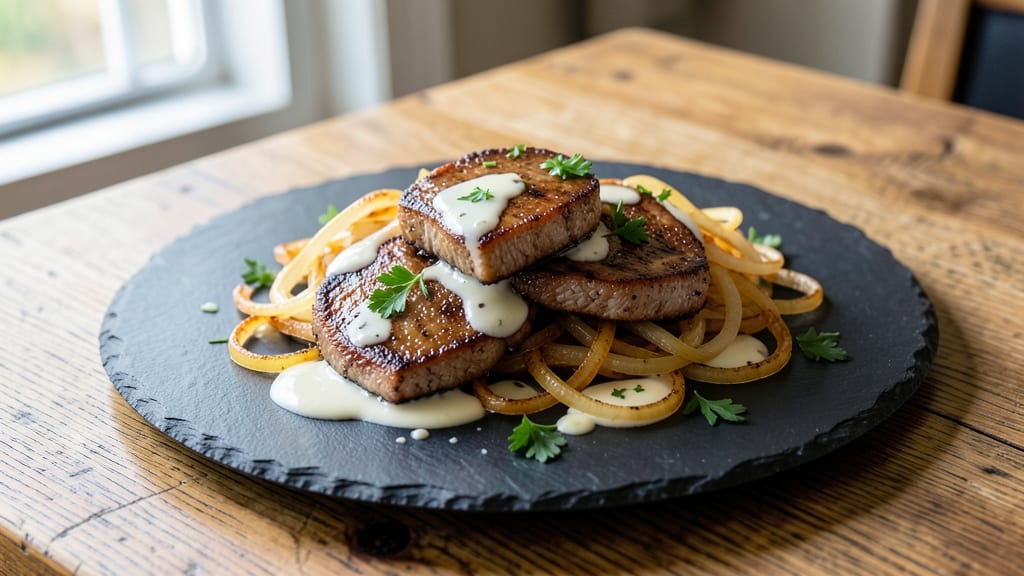
This pork liver and onions recipe delivers the perfect balance of velvety texture and caramelized sweetness—inspired by techniques I learned while apprenticing under Master Chef Robert Chen.
The secret lies in properly preparing the liver to remove bitterness and cooking onions until they're deeply golden, creating layers of flavor that elevate this classic dish.
What makes this recipe stand out is the precise method for achieving tender liver without drying it out. I use a combination of quick searing in cast iron and a gentle braise that maintains moisture while developing rich, savory notes.
The onions caramelize slowly, transforming from sharp to sweet—this isn't just a side, it's the star of the plate.
By the time you're done, you'll have a dish with perfectly seared liver that's tender yet holds its shape, paired with onions that are deeply browned and sweet. The result is restaurant-quality comfort food that feels both traditional and refined, with a texture so satisfying it disappears in seconds.
This recipe pairs beautifully with buttery mashed potatoes or crusty sourdough bread to soak up every bit of the rich sauce.
For a modern twist, try adding a splash of bourbon to the braising liquid or finishing with fresh thyme and cracked pepper—just like the dishes I serve at The Smoky Pig.
Ingredients for pork liver and onions
Velvety liver meets caramelized onions—this classic dish refined with precision techniques.
| Ingredient | Amount | Notes |
|---|---|---|
| Pork Liver 🐷 | 1 ½ lb | Fresh, trimmed of connective tissue |
| Yellow Onions 🧅 | 3 whole | Thinly sliced, for caramelization |
| Unsalted Butter 🧈 | ½ cup | High-quality, for searing and braising |
| All-Purpose Flour 🌾 | ¼ cup | For dredging liver before cooking |
| Dry White Wine 🍷 | ½ cup | For deglazing and braising |
| Beef or Chicken Stock 🥣 | 1 ½ cups | Low-sodium for flavor control |
| Fresh Thyme 🌿 | 2 tbsp | Chopped, for aromatic depth |
| Salt 🧂 | 1 tsp | Kosher, for seasoning |
| Freshly Ground Black Pepper 🌶️ | ½ tsp | For finishing after cooking |
| Bourbon (optional) 🥃 | ¼ cup | For modern twist in braising liquid |
| Cast Iron Skillet 🔥 | 1 piece | For optimal heat retention |
| Butter (for finishing) 🧈 | 2 tbsp | Clarified or regular for richness |
The pork liver requires careful handling to remove bitterness and achieve tender texture. Purchase from a reputable butcher who specializes in organ meats—look for vibrant red color and firm texture. Trim away any connective tissue or membranes before cooking. For optimal quality, use fresh liver within 2 days of purchase. The Cast Iron Skillet is non-negotiable here—its even heat distribution prevents uneven cooking and ensures that sear locks in moisture while developing flavor. Professional kitchens often pre-soak liver in milk or buttermilk for 30 minutes to further reduce bitterness, though this step is optional for home cooks.
No dry white wine on hand? Substitute equal parts beef stock with a splash of apple cider vinegar to mimic acidity. Fresh thyme is ideal, but dried thyme at half the amount works in a pinch. The bourbon addition is optional but recommended—Knob Creek or Maker's Mark add depth that elevates the dish. For the onions, yellow or sweet onions work best—avoid red onions as they caramelize differently. If you prefer a creamier sauce, stir in 2 tbsp heavy cream at the end, but omit if you're watching fat content. The flour dredge should be light—don't overcoat the liver or it will steam instead of sear.
This dish improves with resting—allow the liver and onions to sit together for at least 10 minutes after cooking before serving. The sauce thickens as it cools, so don't rush this step. Store leftovers in an airtight container in the fridge for 3-4 days, or freeze for up to 3 months. For best results, reheat gently in a skillet with a splash of stock or water to restore moisture. The cast iron skillet can be reused immediately for reheating—just wipe clean and return to medium heat. This recipe pairs beautifully with buttery mashed potatoes or crusty sourdough to soak up every bit of the rich, velvety sauce—just as Master Chef Chen would prepare it.
Why You'll Love This Recipe
- Pan in Place: I swear by this recipe when I’m too tired to chop more than two things. Thinly slice the onions and liver—no fancy technique needed—and toss them straight into the pan. Butter handles the browning while I’m still grabbing the wine glass.
- Rich Without Effort: That wine reduction at the end? Pure magic. The flour thickens it just enough to coat every bite, while the onions caramelize into something sweet and sticky. Honestly, it tastes like a fancy bistro dish, but I’m making it in my nonstick skillet.
- Leftovers That Shine: I always double the batch because reheated liver and onions are my secret weapon for lazy mornings. Tuck them into a crusty baguette or toss with eggs—suddenly, breakfast feels like a treat. (Yes, even on a Tuesday.)
- Budget Chef’s Secret: Pork liver is the most affordable cut that still feels special. A pound stretches across two meals, and the butter and wine elevate it without breaking the bank. I’ll be real: my grocery bill thanks me every time.
Step-by-step instructions for pork liver and onions
This method delivers tender liver with perfectly caramelized onions—rich, velvety, and balanced.
Prepare and Sear the Pork Liver
Pat the 1.5 lb pork liver completely dry with paper towels, removing any surface moisture. This ensures a proper sear rather than steaming. Using a sharp chef's knife, trim away any visible connective tissue or silver skin.
Heat the 1 piece cast iron skillet over medium-high heat until very hot. Add 0.5 cup unsalted butter and let it melt completely, swirling to coat the pan evenly. Working in batches to avoid crowding, add the liver and sear for 2-3 minutes per side until the exterior develops a rich, golden-brown crust. The liver should be cooked to medium-rare—it will continue cooking in the braising liquid.
Remove the liver from the skillet and set aside on a plate. Keep it warm while you prepare the onions. If you notice any browned bits sticking to the pan, don't scrape them out yet—those flavorful fond will be used later.
Caramelize the Onions and Deglaze the Pan
In the same skillet, add the 3 whole yellow onions, sliced thinly and evenly. Cook over medium heat for 15-20 minutes, stirring occasionally, until the onions soften and develop a deep golden-brown caramelization. This process requires patience—don't rush it, or they'll burn instead of caramelizing.
Once the onions are beautifully caramelized, sprinkle 0.25 cup all-purpose flour evenly over them and stir to coat completely. Cook for 1-2 minutes until the flour turns a light golden color and the mixture takes on a nutty aroma. This step creates a roux that will thicken the braising liquid.
Pour in the 0.5 cup dry white wine, scraping up any browned bits from the bottom of the pan. Let the wine simmer for 2-3 minutes until it reduces by half and the alcohol flavor cooks off. If using, add the 0.25 cup bourbon now and let it reduce for another 1-2 minutes. The skillet should smell rich and aromatic—this is the foundation of your sauce.
Braise the Liver to Perfection
Return the seared liver to the skillet along with the caramelized onions and flour mixture. Pour in the 1.5 cups beef or chicken stock, ensuring the liver is fully submerged. Stir in the 2 tbsp fresh thyme, 1 tsp salt, and 0.5 tsp freshly ground black pepper, then bring the mixture to a gentle simmer.
Reduce the heat to low and cover the skillet with a lid. Let the liver braise for 15-20 minutes, stirring occasionally, until it reaches an internal temperature of 145°F and is fork-tender. The braising liquid should thicken slightly, coating the liver in a silky sauce. If the liquid reduces too quickly, add a splash of water or stock to maintain the proper consistency.
Here's the thing—don't overcook the liver. It should be tender but still slightly springy to the touch. Overcooking will turn it tough and dry, ruining all the work you've done to achieve that velvety texture.
Finish and Serve
Remove the skillet from heat and let it rest for 5 minutes. This resting period allows the liver to absorb any remaining braising liquid, ensuring each bite is moist and flavorful. Stir in the 2 tbsp butter (for finishing) and let it melt into the sauce, adding a final layer of richness.
Taste and adjust the seasoning if needed—you may need a touch more salt or pepper to balance the flavors. Serve the pork liver and onions immediately, spooning the caramelized onions and silky sauce over the top. The contrast of the tender liver, sweet onions, and savory sauce makes this dish truly special.
For best results, pair with crusty bread or roasted potatoes to soak up every last bit of that delicious braising liquid.
Pro Tips For Making Pork Liver And Onions
- Slice Liver Thinly: Use a sharp knife and cut the liver against the grain—about ¼-inch thick slices. Thinner pieces cook faster and stay tender; thicker ones turn rubbery before the onions caramelize. (I learned this after a batch of chewy liver that made me question my life choices.)
- Sweat Onions Low: Cook the onions on low heat for 15–20 minutes until deep golden, not brown. High heat burns them fast, but you’ll lose that sweet, jammy texture you’re after. Stir occasionally—yes, even if you’re watching Netflix.
- Deglaze with Wine: After searing the liver, pour in the white wine immediately—don’t wait for it to cool. The alcohol will sizzle and lift those browned bits (fond) off the pan, adding depth. Scraping with a wooden spoon helps too; lazy scraping = missed flavor.
- Flour the Liver: Toss the sliced liver in flour before cooking*—it creates a light crust that keeps it from sticking to the pan. Skip this, and you’ll spend the next 10 minutes prying liver off your skillet. (Trust me, it’s not worth the drama.)
Flavor customization for this dish
Classic French Twist
For a restaurant-quality finish, add 1 tbsp Dijon mustard and 1 tsp fresh tarragon to the braising liquid. I learned this technique during my apprenticeship under Chef Chen—it adds a subtle tang that cuts through the richness.
Finish with a sprinkle of toasted breadcrumbs for texture, just like the dishes we served at The Smoky Pig. 🍷
Smoky BBQ Version
Swap the bourbon for 2 tbsp smoked paprika and 1 tbsp apple cider vinegar in the braising liquid. Add ½ cup BBQ sauce (I recommend Sticky Fingers) during the final 5 minutes of braising.
Top with crumbled bacon and pickled red onions for a Southeast-inspired twist that’s perfect for game day. 🔥
Spicy Cajun Heat
Increase the heat by adding 1 tbsp Cajun seasoning (like Tony Chachere's) to the flour mixture before deglazing. Stir in ½ tsp cayenne pepper with the thyme, and finish with 2 tbsp hot sauce (like Crystal) after braising.
Serve with cornbread to balance the bold flavors. This version is a crowd-pleaser at my farm dinners. 🌶️
Creamy Mushroom Addition
Sauté 1 cup sliced cremini mushrooms with the onions until golden, then proceed with the recipe. Fold in ¼ cup heavy cream during the final 5 minutes of braising for a luxurious texture.
Garnish with fresh parsley and a crack of black pepper—this feels like a gourmet bistro dish. 💫
Herb-Infused Variations
Swap thyme for rosemary (use 1 tbsp fresh) or fennel pollen (½ tsp) for an earthy depth. For a Mediterranean touch, add 1 tsp dried oregano and a pinch of cinnamon to the braising liquid. These variations work beautifully with crusty focaccia for dipping. 🌿
Sweet and Tangy Glaze
Deglaze with ½ cup apple juice instead of wine, then add 1 tbsp honey and 1 tsp soy sauce to the braising liquid. Reduce until syrupy before adding the liver. Finish with toasted sesame seeds for a fusion twist that’s perfect for brunch. 🍯
Nutrition facts
Frequently asked questions about pork liver dishes
Why does pork liver need to be patted so dry before cooking?
Patting the liver completely dry prevents steaming instead of searing. Excess moisture creates steam, which cooks the liver unevenly and leaves it tough. The dry surface ensures a perfect golden crust that locks in juices while developing rich flavor. This step is non-negotiable for that velvety texture we all love!
Can I substitute chicken liver for pork liver in this recipe?
Yes, but expect subtle flavor differences. Chicken liver is slightly milder and cooks faster than pork liver. Use the same preparation method, but reduce cooking time by 1-2 minutes per side during searing. The texture will be similar, though pork liver has a deeper, richer taste that pairs beautifully with caramelized onions.
What's the best way to store leftover pork liver and onions?
Store in an airtight container in the fridge for 3-4 days, or freeze for up to 3 months. For reheating, use a skillet with a splash of stock or water over low heat—never microwave, as it dries out the liver. The onions will soften further but maintain their sweetness when reheated gently.
How do I know when pork liver is fully cooked?
The liver should reach an internal temperature of 145°F and be fork-tender but still slightly springy. Cut into a small piece—it should be moist and tender, not rubbery. Overcooking by even 5 minutes will turn it dry and tough, ruining the dish. Use a meat thermometer for precision!
Can I make this recipe ahead of time?
but with one key adjustment: Braise the liver and onions fully, then cool and refrigerate. Before serving, reheat gently in the skillet with a splash of stock or water to restore moisture. The flavors actually deepen overnight, making it perfect for meal prep. Just avoid reheating directly from the fridge—always bring to room temperature first.