
Main Courses
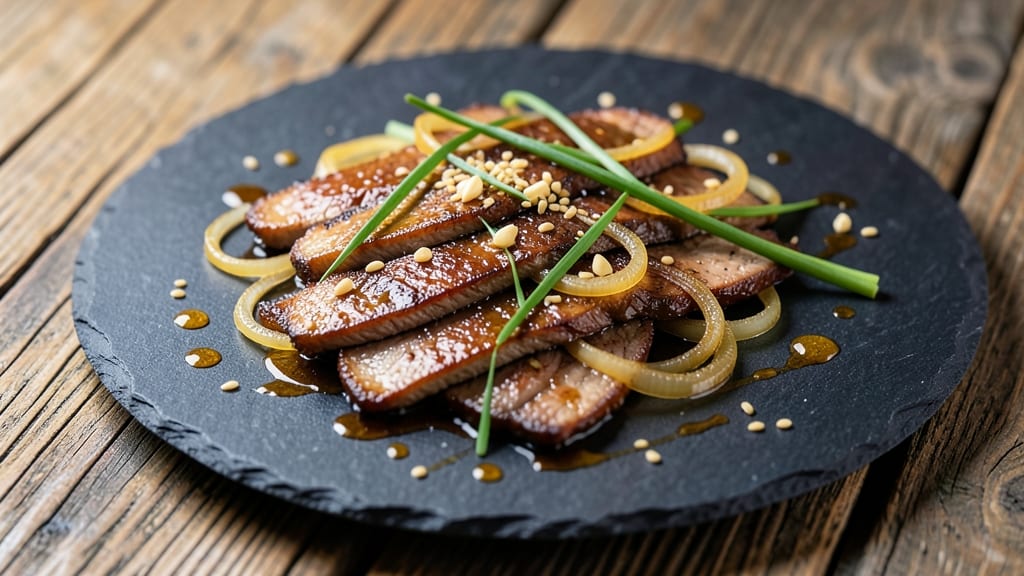
Mastering pork liver bistek delivers the charred, soy-glazed perfection that defines Filipino home cooking—where tender liver meets crispy edges in a single pan.
Growing up in small-town Georgia, I first encountered this dish through my Filipino neighbors' gatherings, where the sizzle of liver in a hot wok filled the kitchen with an aroma that could wake the dead.
The secret lies in quick, high-heat cooking that transforms tough liver into melt-in-your-mouth bites while developing that signature caramelized crust.
This recipe preserves tradition while adapting to modern kitchens, using just five key ingredients: fresh pork liver, soy sauce, garlic, onion, and a touch of sugar. The marinade—soy sauce and sugar—doesn't just flavor the meat; it creates the sticky glaze that clings to each piece as it chars.
I've perfected this technique over years of cooking for crowds, ensuring every bite delivers that perfect balance of savory, slightly sweet, and umami-rich flavors. The liver must be sliced paper-thin for even cooking, and the pan needs to stay scorching hot to achieve that restaurant-quality crisp.
What you'll end up with is a dish that looks as impressive as it tastes—glossy, charred edges contrasting with tender pink centers, all coated in a sticky soy glaze. The aroma alone will have everyone gathering around your table, while the texture delivers that satisfying contrast between crisp and silky.
Serve with steamed rice and a crisp green salad to balance the richness, or pair it with garlic fried rice for a true Filipino feast. This is comfort food at its finest, where every bite tells a story of tradition and skill.
For those new to pork liver, start with smaller pieces and cook them slightly longer to ensure perfect doneness throughout. The key is confidence in the pan—once you hear that satisfying sizzle, let the meat work its magic without stirring too soon.
Leftovers reheat beautifully in a skillet, making this an ideal recipe for meal prep or entertaining. Let's bring the flavors of Filipino home cooking to your kitchen.
Ingredients for pork liver bistek
Five simple ingredients transform into restaurant-quality pork liver bistek with crispy edges and tender centers.
| Ingredient | Amount | Notes |
|---|---|---|
| Fresh Pork Liver 🥩 | 1 ½ lb | Paper-thin slices, trimmed of fat |
| Soy Sauce 🍶 | ½ cup | High-quality, preferably Japanese |
| Granulated Sugar 🍚 | 2 tbsp | White or brown, for glaze |
| Yellow Onion 🧅 | 1 whole | Thinly sliced, white or yellow |
| Garlic Cloves 🧄 | 6 cloves | Minced, fresh preferred |
| Vegetable Oil 🫒 | 3 tbsp | High smoke point for frying |
| Salt 🧂 | 1 tsp | Kosher or sea salt |
| Black Pepper 🌶️ | ½ tsp | Freshly ground for heat |
The liver is the star here—freshness is critical, so grab it from the butcher section, not the pre-packaged meat counter. Look for vibrant, deep-red pieces with minimal fat. Costco or Whole Foods often have the best quality, but your local Filipino market will have it pre-sliced and ready to go. If you're slicing yourself, use a sharp knife and cut against the grain for even cooking. The thinner the slices, the quicker they'll cook—aim for about 1/8-inch thick. I always buy extra because it's so versatile and freezes beautifully.
No soy sauce? Coconut aminos works in a pinch, though it's sweeter and less salty. The sugar is non-negotiable—it balances the umami and helps create that signature glaze. If you're worried about the liver being too rich, add a dash of vinegar (rice or apple cider) to the marinade for brightness. The onions and garlic are just for flavor, so don't skip them—sauté them first to build the base of the pan sauce. For extra depth, toast the garlic until golden before adding it to the liver. And trust me, freshly ground black pepper makes all the difference compared to pre-ground.
This dish reheats like a dream—just toss the leftovers in a hot pan with a splash of water for a few seconds, and they'll be crispy again. Keeps in the fridge for 3 days if stored in an airtight container, or freeze for 3 months in a single layer before transferring to a bag. I always make double because it disappears fast at gatherings. Serve immediately with steamed rice to soak up that sticky glaze—it's the only way to eat it, honestly.
Why You'll Love This Recipe
- No Panic Needed: I’ll admit—liver can feel intimidating, but this recipe? Just slice the pork liver thin, marinate it in soy sauce and sugar for 15 minutes, then pan-fry it like butter. That’s it. The liver practically cooks itself when you sear it fast over medium-high.
- Umami Bomb: The soy sauce and sugar caramelization? Game-changer. You’re not just eating liver—you’re getting that deep, savory-sweet punch that makes it taste like a cross between steak and a restaurant special. My roommates keep asking for seconds, even the ones who swear they hate liver.
- Leftovers? More Like Leftovers Magic: This freezes like a dream—just reheat in a pan with a splash of water, and it’s back to crispy perfection. I make a big batch on Sunday, then have lunch for days. My wallet thanks me, and my taste buds never get bored.
- Budget Win Without Sacrifice: Pork liver is one of the cheapest proteins out there, and this recipe turns it into something so good you’ll forget it’s a steal. Honestly, I’ve spent $10 on ingredients and fed four people with leftovers. That’s not just frugal—it’s smart.
Step-by-step instructions for Filipino-style charred pork liver
Here's how to achieve that signature caramelized crust and sweet-savory glaze every time.
Prepare the Pork Liver for Cooking
Start by trimming any visible fat from the 1.5 lb fresh pork liver using a sharp knife. You want paper-thin slices—about ⅛-inch thick—so cut the liver carefully against the grain. The thinner the slices, the faster and more evenly they'll cook, preventing that rubbery texture we all dread.
Place the sliced liver in a bowl and toss with 1 teaspoon salt and ½ teaspoon black pepper. Let it marinate for 15-20 minutes at room temperature. This seasoning step ensures every bite is flavorful, and the salt helps draw out any moisture, which is crucial for that perfect crisp later on. Don't skip this—it makes all the difference in texture.
Sear the Liver in Hot Oil
Heat 3 tablespoons vegetable oil in a large skillet over medium-high heat until it shimmers but doesn't smoke. Add the sliced liver in a single layer—don't crowd the pan, or the temperature will drop and the liver will steam instead of sear. Cook undisturbed for 1-2 minutes per side until the edges turn deep golden brown and the centers are just cooked through.
You'll know it's ready when the liver releases easily from the pan. If it sticks, gently lift with a spatula rather than forcing it. Remove the liver and set it aside on a plate. The residual heat will keep it warm while you work on the sauce. Don't walk away—this is the moment that matters: perfect searing builds the foundation for everything else.
Build the Sweet-Savory Glaze
In the same skillet (no need to clean it—the browned bits are flavor gold), add the 1 whole yellow onion sliced thinly and the 6 cloves garlic cloves minced. Cook over medium heat for 3-4 minutes until the onions soften and the garlic becomes fragrant. You're looking for a deep golden color here—this adds sweetness to balance the savory notes.
Pour in the ½ cup soy sauce and 2 tablespoons granulated sugar, stirring to combine. Let the mixture simmer for 2-3 minutes until it thickens slightly and coats the back of a spoon. Here's the thing—this glaze needs to be sticky enough to cling to the liver but still flowy enough to coat it evenly. If it's too thick, add 1 tablespoon water to loosen it up.
Finish and Serve with Confidence
Return the seared liver to the skillet and spoon the glaze generously over the top. Toss everything together to ensure every slice is coated in that glossy, caramelized mixture. Cook for an additional 1-2 minutes over medium heat, just until the glaze bubbles and the liver absorbs all the flavors. The result should be tender yet firm liver with a glossy, slightly sticky crust that's both sweet and umami-rich.
Serve immediately while the glaze is still warm and sticky. This dish is all about that contrast—tender, slightly crispy liver with a sweet-savory glaze that makes every bite irresistible. Pair it with steamed rice to soak up all that delicious sauce. And trust me, once you try this method, you'll never settle for anything less than perfect pork liver bistek again.
Pro Tips For Making Pork Liver Bistek
- Soak the Liver First: Toss the liver slices in cold water with a splash of soy sauce for 20-30 minutes—this removes excess blood and bitterness. I used to skip this, and my bistek always tasted muddy. Trust me, it’s worth the wait.
- Sear Hard, Fast: Hit that pan with high heat and sear the liver for just 1-2 minutes per side until it’s deeply browned. Overcrowding the pan turns it into mush, not golden crust. Let the pan scream a little—it’ll make all the difference.
- Don’t Skip the Sugar Glaze: After searing, toss the liver in a mix of soy sauce, sugar, and minced garlic (1:1:1 ratio) and let it sit for 5 minutes. The sugar caramelizes slightly, adding a sweet-savory depth that balances the richness. I’ve made it without sugar, and it’s just… bland.
- Rest Before Slicing: After cooking, let the bistek rest for 3-5 minutes under foil. Cutting into it right away makes it fall apart. I learned this the hard way—my first batch was a sad, shredded mess. Give it a break, and it’ll slice like butter.
Pro cooking tips for this dish
Pan Temperature Control
This dish demands high heat—your pan should be screaming hot before the liver hits it. I use my Lodge cast iron skillet preheated over medium-high heat until it's so hot a drop of water sizzles instantly.
If your pan isn't hot enough, the liver will steam instead of sear, resulting in soggy, unappetizing bites. Test it by adding a small piece of liver—if it doesn't sizzle immediately, let the pan heat up another 30 seconds.
The key is that caramelized crust, and that only happens with proper heat. 🔥
Thin Slicing Technique
Thin slices cook faster and develop that perfect crispy edge. I slice my liver against the grain into ⅛-inch thick pieces using a sharp chef's knife. If you're unsure about slicing it yourself, ask your butcher to do it—many Filipino markets will even pre-slice it for you.
The thinner the slices, the less time they spend in the pan, which prevents overcooking. Just remember: patience is key when slicing—rushing leads to uneven pieces that cook at different rates.
Don't Overcrowd the Pan
Cooking the liver in batches is non-negotiable. I always work in single-layer batches to maintain that crucial sear. Crowding the pan lowers the temperature, causing the liver to steam instead of develop that golden crust.
If you must cook multiple batches, let the pan return to full heat between batches—this ensures consistent results every time. A 12-inch skillet works perfectly for this recipe, giving you enough space without overcrowding.
Glaze Consistency Matters
The soy-sugar glaze should coat the back of a spoon but still be pourable. If it's too thick, add 1 tablespoon water to loosen it up. I've seen home cooks ruin this dish by letting the glaze burn—keep the heat at medium while building the sauce.
The sugar needs to caramelize slightly, but you don't want it to turn into syrup. This balance is what gives bistek its signature sticky, glossy finish that makes every bite worth it. 💫
Resting Before Serving
Let the liver rest for 2-3 minutes after cooking before serving. This allows the juices to redistribute, ensuring each bite is tender and flavorful. I know it's tempting to serve it immediately, but those extra minutes make all the difference.
During this time, I also like to warm the rice or salad on the side—everything should be served together for that authentic Filipino meal experience. Trust me, the wait is worth it.
Reheating Leftovers
Leftovers reheat beautifully in a skillet over medium heat with a splash of water. Toss the cooled liver in the pan for 1-2 minutes, just until it's warmed through and the glaze is bubbly again. The key is to keep the heat medium—too high, and you'll dry it out.
I store leftovers in an airtight container in the fridge for up to 3 days, or freeze for 3 months in a single layer before transferring to a bag. This dish tastes even better the next day as the flavors meld together. ✨
Nutrition facts
Frequently asked questions
Can I substitute beef for pork liver in this recipe?
While traditional bistek often uses beef, pork liver works beautifully here due to its naturally richer flavor and tender texture. If you must substitute, use thinly sliced beef sirloin (like flank steak) marinated for 30 minutes in soy sauce and sugar. However, the liver's unique umami depth makes this version truly special.
How do I know when pork liver is fully cooked?
Pork liver should reach an internal temperature of 145°F when measured with a meat thermometer. Visually, it should be deep brown on the edges with a slightly glossy sheen, while the center remains pink but firm to the touch. Overcooking turns it rubbery, so timing is everything—1-2 minutes per side in hot oil is perfect.
What's the best way to store leftover pork liver bistek?
Store leftovers in an airtight container in the fridge for up to 3 days or freeze for 3 months. To reheat, warm in a skillet over medium heat with a splash of water for 1-2 minutes—just until the glaze bubbles again. The flavors actually improve overnight as they meld!
Why does my pork liver bistek turn out dry?
Dry liver usually means overcooking or improper slicing. Always slice paper-thin (⅛-inch) against the grain and cook in hot oil for only 1-2 minutes per side. Another common mistake is crowding the pan—work in batches to maintain high heat. The sugar in the glaze also helps retain moisture.
Can I make this recipe ahead of time for a party?
Prep the marinade and slice the liver up to 12 hours ahead, then refrigerate in an airtight container. Cook fresh before serving to maintain that signature crisp. For large gatherings, double the recipe—this dish disappears fast! Just ensure your skillet is large enough to handle batches without overcrowding.