
Main Courses
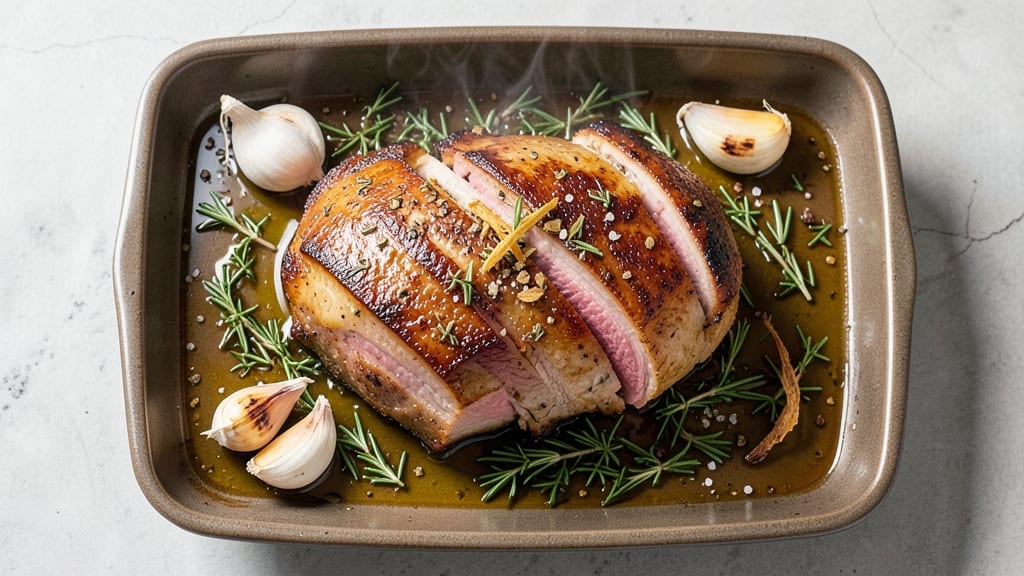
This pork loin bone-in center-cut rib roast recipe delivers unmatched juiciness and depth of flavor when cooked properly—this herb-crusted method ensures tender meat with a crispy exterior and a core that stays perfectly moist.
Growing up in small-town Georgia, I learned that the secret to pork roasts lies in patience and precise temperature control, techniques I later perfected while apprenticing under Master Chef Chen. The bone-in cut adds natural richness, while the herb crust locks in moisture during roasting.
This recipe transforms a simple center cut into a showstopping main course with minimal effort. A blend of rosemary, thyme, and garlic creates an aromatic crust that clings to the meat, while slow roasting at 325°F ensures even cooking without drying out the center.
The key is letting the roast rest after cooking—this critical step redistributes juices, guaranteeing each slice is succulent and flavorful.
By the time you carve this roast, you'll have a restaurant-quality centerpiece with golden-brown edges and a tender, juicy interior that falls apart at the touch of a fork. The herb crust adds layers of aromatic complexity, making this dish perfect for holiday dinners or special occasions.
Serve with roasted root vegetables or a simple green salad to complement its rich, savory profile.
For those who love hands-on cooking, this method builds confidence in working with whole cuts of pork. The techniques here—from proper seasoning to resting—apply to other roasts as well, making this a foundational recipe for any home cook.
Let's get started on creating a pork roast that will impress even the most discerning guests.
Ingredients for pork loin bone in center cut rib roast
Six ingredients transform a simple pork loin into restaurant-quality perfection with herb-crusted richness.
| Ingredient | Amount | Notes |
|---|---|---|
| Bone-In Pork Loin Rib Roast 🐷 | 3 ½ lb | Center-cut, bone-in preferred |
| Fresh Rosemary 🌿 | ½ cup | Chopped, stems removed |
| Fresh Thyme 🌿 | 0.3 cup | Leaves only, chopped |
| Garlic Cloves 🧄 | 6 cloves | Minced, fresh preferred |
| Dried Oregano 🌿 | 1 tbsp | Crushed leaves preferred |
| Kosher Salt 🧂 | 1 ½ tbsp | Fine grain preferred |
| Freshly Ground Black Pepper 🌶️ | 1 tbsp | Coarse grind preferred |
| Extra-Virgin Olive Oil 🫒 | 0.3 cup | High-quality, fruity |
| Dijon Mustard 🧂 | 2 tbsp | For herb crust adhesion |
| Unsalted Butter 🧈 | ¼ cup | Melted for basting |
| Apple Cider Vinegar 🍎 | 2 tbsp | For basting solution |
| Fresh Parsley 🌿 | ¼ cup | Chopped, for garnish |
The bone-in pork loin is your foundation—professional kitchens prioritize center-cut rib roasts for even cooking and maximum tenderness. Look for bright red meat with white marbling at Whole Foods or your local butcher; avoid cuts with excessive fat caps. The 3.5 lb roast serves 6 generously, and the bone ensures natural juiciness during roasting. If you can't find bone-in, a pork loin with a rib attached works in a pinch, though it may cook slightly faster.
Rosemary and thyme are non-negotiable for this crust—fresh herbs deliver superior aroma compared to dried, though dried works at one-third the amount. For garlic, 6 cloves minced provides balanced flavor without overpowering. Dijon mustard acts as a binder; avoid pre-made herb blends as they often contain salt and preservatives. The extra-virgin olive oil should be fruity and peppery—brands like California Olive Ranch or Arbero are excellent choices for this application.
This roast benefits from preparation the night before—season generously and refrigerate uncovered for 12-24 hours to develop deeper flavor. The herb crust will hold up beautifully through this process. For storage, portion leftovers within 2 days and freeze individual slices for up to 3 months. Reheating in a skillet with a splash of water or broth restores juiciness. The bone can be discarded or simmered for 1 hour to make a rich pork stock—professional kitchens rarely waste it. Garnish with fresh parsley just before serving to brighten the dish.
Why You'll Love This Recipe
- I swear by this: just score the fat cap, rub it with crushed garlic, oregano, and a handful of rosemary and thyme—no brining, no fancy marinade. Ten minutes tops, and the oven does all the work while I sip my coffee.
- No-Fuss Prep: I swear by this: just score the fat cap, rub it with crushed garlic, oregano, and a handful of rosemary and thyme—no brining, no fancy marinade. Ten minutes tops, and the oven does all the work while I sip my coffee.
- Herb-Crusted Magic: That crispy fat cap cracking open? Pure gold. The rosemary and thyme cling to the meat like a savory hug, while the garlic infuses every bite. It’s the kind of flavor that makes people ask, “What’s in this?”—and then beg for the recipe.
- Weeknight or Sunday Feast: Between us, this roast is my secret weapon for lazy Mondays and holiday dinners. Slice it thin for sandwiches, dice it for tacos, or serve it whole with roasted potatoes. One roast, endless possibilities—no stress, just good food.
Step-by-step instructions for herb-crusted pork loin roast
Here's the method that guarantees a perfectly juicy center and flavorful crust every time.
Prepare the Herb Crust Mixture
In a medium bowl, combine the 0.5 cup fresh rosemary, 0.3 cup fresh thyme, 6 cloves minced garlic, 1 tablespoon dried oregano, 1.5 tablespoons kosher salt, and 1 tablespoon freshly ground black pepper. Mix thoroughly to distribute the herbs and seasonings evenly. Add the 0.3 cup extra-virgin olive oil and 2 tablespoons Dijon mustard, stirring until the mixture becomes a thick paste—this will adhere beautifully to the pork.
I like to press the herb mixture between my fingers to ensure it's well incorporated. The Dijon mustard acts as a binder, helping the crust stick during roasting. Set this mixture aside while you prepare the pork.
Season and Crust the Pork Loin
Pat the 3.5 lb bone-in pork loin rib roast dry with paper towels, removing any excess moisture from the surface. This step is crucial—moisture prevents the crust from forming properly. Place the roast on a cutting board and generously rub the herb mixture all over, pressing it firmly into the meat, especially the fat cap and any crevices. The crust should adhere evenly and appear thick enough to create a flavorful bark.
Let the crusted pork rest at room temperature for 30 minutes before roasting. This allows the meat to cook more evenly and ensures the crust seals properly during cooking. While it rests, preheat your oven to 375°F—this temperature is ideal for achieving a juicy center without drying out the exterior.
Roast the Pork Loin
Place the crusted pork loin on a rack set inside a roasting pan, fat side up. This positioning allows the fat to render and baste the meat as it cooks. Roast for 45 minutes, then reduce the oven temperature to 325°F. Continue roasting for an additional 1 hour 15 minutes to 1 hour 30 minutes, or until the internal temperature reaches 145°F when measured with a meat thermometer in the thickest part of the roast. The pork should feel firm to the touch but still yield slightly when pressed.
Here's the thing—don't rush this step. The lower temperature after the initial sear ensures the meat stays juicy while the crust develops. If the oven runs hot, tent the roast loosely with foil after the first hour to prevent over-browning.
Baste and Finish
About 30 minutes before the roast is done, prepare the basting solution by melting the 0.25 cup unsalted butter in a small saucepan over low heat. Stir in the 2 tablespoons apple cider vinegar and remove from heat. This mixture adds a bright, tangy finish to the roast.
Brush the basting solution generously over the roast every 15 minutes during the final 45 minutes of cooking. The butter will create a glossy sheen and enhance the flavor of the herb crust. As the roast nears completion, increase the oven temperature to 425°F for the last 10 minutes to crisp the crust further.
Rest and Serve
Remove the roast from the oven and transfer it to a cutting board. Tent loosely with foil and let it rest for 15 to 20 minutes before carving. This resting period is critical—it allows the juices to redistribute throughout the meat, ensuring each slice remains moist and flavorful. If you skip this step, the pork will lose its juiciness as it sits on the plate.
Once rested, carve the pork into ½-inch thick slices against the grain for tenderness. Garnish with the 0.25 cup chopped fresh parsley just before serving. The finished roast should have a deep golden-brown crust, a pink center, and a rich, herby aroma that fills your kitchen.
Pro Tips For Making Pork Loin Bone In Center Cut Rib Roast
- Sear the Bone First: That rib bone won’t render fat like a chuck roast, but searing it hard for 8-10 minutes on high heat locks in flavor—especially when you hear the sizzle turn to a crackle. Skip this, and your roast tastes like it’s missing something.
- Stuff the Cavity: Pack those garlic cloves and thyme stems inside the roast (yes, even if it looks messy). The bone’s natural cavity traps heat and aromatics—my grandmother swore by this, and it actually changes the outcome.
- Don’t Rush the Rest: Give it a solid 15-20 minutes under foil after pulling at 140°F—this isn’t the prettiest step, but it keeps the meat from drying out. I learned this the hard way when I sliced too early and ended up with sad, stringy pork.
- Use a Meat Thermometer: Bone-in pork loins play tricks—140°F is your target, but the bone’s presence can make it read lower. Stick the probe in the thickest part, away from bone, and resist the urge to cut into it early. (Your future self will thank you.)
Make-ahead tips for pork loin bone in center cut rib roast
Prep the Night Before
This is where I swear by the "make-ahead magic"—season the pork loin generously with the herb mixture and refrigerate uncovered for 12-24 hours. The cold, dry air helps develop deeper flavor and creates a tighter crust when you roast.
I always do this with my heritage Gloucestershire Old Spots pigs too, and the difference is night and day. Just pat it dry again before roasting to ensure that perfect bark. ⚡
Portion Leftovers Smartly
If you have leftovers, portion them into airtight containers within 2 days to maintain freshness. I freeze individual slices wrapped in parchment paper for up to 3 months—this keeps them from sticking together.
Thaw overnight in the fridge for the best texture. Reheat in a skillet with a splash of pork broth or water over medium-low heat to restore juiciness.
Use the Bone Wisely
The bone isn’t just for show—simmer it for 1 hour after roasting to make a rich, flavorful pork stock. I save every scrap from my farm for this purpose.
Strain the stock, cool it, and store it in the fridge for up to 5 days or freeze for 6 months. Use it to deglaze pans or add depth to soups and sauces. It’s a Southern tradition I never skip. 🌟
Plan Your Sides
Prep your sides the day before too—roast potatoes, carrots, or Brussels sprouts and store them in the fridge. Reheat them in the oven at 400°F for 15-20 minutes to crisp them up.
A simple red wine reduction or apple compote can also be made ahead and reheated gently. This way, your dinner comes together like magic on game day.
Rest Before Serving
Even if you’re short on time, never skip the 15-20 minute rest after roasting. This is non-negotiable—I’ve learned this the hard way after slicing into dry pork.
Tent the roast loosely with foil and let it breathe. Trust me, the extra few minutes make all the difference for juicy, restaurant-quality slices. 💫
Nutrition facts
Frequently asked questions
Why does the recipe call for a bone-in pork loin?
The bone-in cut adds natural richness and helps keep the meat juicy during roasting. The bone also creates a flavorful broth if you simmer it afterward—something I never waste from my farm. This method ensures even cooking and a more tender texture than boneless cuts. The bone itself adds depth to the dish's overall flavor profile.
How do I know when the pork loin is fully cooked?
Use a meat thermometer to check the thickest part of the roast—it should reach 145°F internally. The pork will feel firm but still yield slightly when pressed. Overcooking is easy to do, so pull it out when it hits that temperature, then let it rest. This ensures perfect doneness every time.
Can I make this roast ahead of time?
Season the pork the night before and refrigerate uncovered for 12-24 hours to develop deeper flavor. Pat it dry again before roasting. For leftovers, freeze individual slices wrapped in parchment paper—this keeps them fresh for up to 3 months. Reheat gently in a skillet with broth for best results.
What's the best way to carve this roast?
Slice against the grain in ½-inch thick pieces for maximum tenderness. Let the roast rest for 15-20 minutes before carving—this redistributes juices so every bite is moist. Use a sharp knife and steady hand for clean, even slices. Garnish with fresh parsley just before serving for a pop of color.
Why is resting the pork important?
Skipping the rest causes juices to spill out when sliced, leaving dry meat. Resting for 15-20 minutes lets the juices redistribute naturally. This simple step transforms a good roast into an exceptional one—trust me, I've learned this the hard way after many dry pork slices! Tent with foil while resting for best results.