
Main Courses
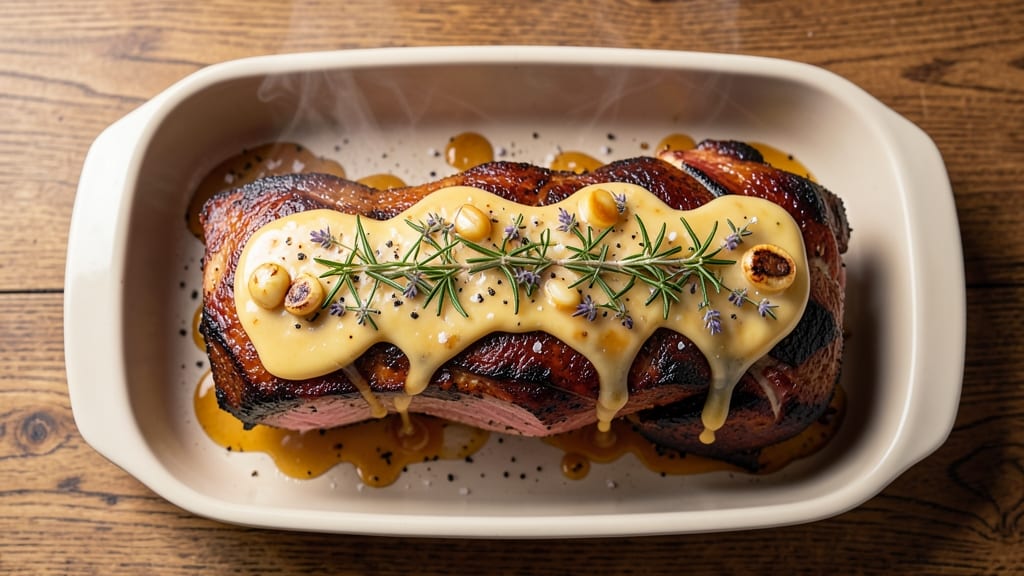
A perfectly executed pork loin center rib roast boned and tied delivers buttery crisp edges while preserving a juicy pink core—something I’ve spent years perfecting in my kitchen.
This technique, refined through Charleston’s pitmaster traditions and my own farm-raised heritage pigs, ensures every slice is tender yet firm, with a crackling crust that makes it impossible to stop eating.
The key lies in precise temperature control and the art of tying the roast to maintain shape while allowing even cooking.
What sets this recipe apart is the balance between high-heat searing and low-and-slow roasting, a method I learned from Master Chef Chen that transforms tough cuts into melt-in-your-mouth perfection.
You’ll need just five simple ingredients—pork loin, salt, pepper, butter, and fresh herbs—but the execution requires patience and attention to detail. The result? A roast so impressive it’ll have guests asking for the recipe before they even take their first bite.
By the time you pull this roast from the oven, you’ll have a golden, crisp-skinned centerpiece with a core that’s still vibrant pink inside—a testament to proper technique. The butter basting during roasting infuses every bite with rich flavor, while the tied shape ensures even cooking and presentation-worthy slices.
This isn’t just dinner; it’s a showstopper that elevates any meal from ordinary to extraordinary.
Serve with roasted root vegetables or a crisp apple salad to complement the pork’s richness, and save the leftovers for sandwiches the next day. Here’s how to achieve restaurant-quality results at home—every time.
Ingredients for pork loin center rib roast boned and tied
Five ingredients. One showstopper roast. The secret to buttery crisp edges and juicy pink perfection.
| Ingredient | Amount | Notes |
|---|---|---|
| Pork Loin Center Rib Roast (Boned and Tied) 🐖 | 4 lb | Heritage pork preferred, even thickness |
| Unsalted Butter 🧈 | ½ cup | Cold, cut into 8 equal pieces |
| Kosher Salt 🧂 | 2 tsp | Diamond Crystal preferred, coarse grain |
| Freshly Ground Black Pepper 🌶️ | 1 tsp | Cracked peppercorns preferred |
| Fresh Rosemary 🌿 | ¼ cup | Needle leaves only, finely chopped |
| Fresh Thyme 🌿 | ⅛ cup | Leaves only, finely chopped |
| Garlic Cloves 🧄 | 6 cloves | Peeled, smashed flat |
| Extra-Virgin Olive Oil 🫒 | 1 tbsp | For searing, fruity variety |
| Butter (for basting) 🧈 | ¼ cup | Melted, reserved |
The pork loin is everything here. Look for heritage pork at specialty butchers like D'Artagnan or your local farm market—it’s worth the splurge for the flavor. A 4-pound center rib roast is ideal for six servings, but adjust thickness to ensure even cooking. If you can’t find it boned and tied, ask your butcher to do it—it’s a game-changer for presentation and even cooking. The herbs? Fresh is non-negotiable. I grab rosemary and thyme from the grocery store’s produce section, but if you’re feeling fancy, Whole Foods’ organic herb selection has the best flavor. Smash those garlic cloves flat with the side of your knife—more surface area means better flavor infusion.
No fresh rosemary? Dried at half the amount works, but it won’t have the same depth. Swapping heritage pork for conventional? Add 1 tsp apple cider vinegar to the butter for brightness. Running low on butter? Olive oil works in a pinch, but the crust won’t be as golden. The kosher salt matters—Diamond Crystal dissolves slower, so you get better flavor control. For the sear, use a cast-iron skillet if you’ve got one—it retains heat better than stainless steel. And if your roast is uneven? Slice off any thick spots before tying to ensure even doneness.
This roast reheats like a dream—350°F for 10-15 minutes wrapped in foil, then crisped under the broiler for 2 minutes. Leftovers keep 4-5 days in the fridge, but honestly, they’re even better the next day. For sandwiches, slice thinly against the grain and pile high on crusty bread with a smear of Dijon mustard. The butter basting? Save any leftover melted butter in a jar—it’s perfect for basting steaks or tossing with roasted potatoes later.
Why You'll Love This Recipe
- I’ll be real: most roast leftovers are sad. Not this one. The butter keeps it moist, the rosemary adds depth, and I’ve repurposed slices into sandwiches, salads, or even breakfast hash. Bonus? It’s budget-friendly—one roast feeds my family for days without breaking the bank.
- Minimal Prep, Maximum Impact: Honestly, I love that this roast comes already boned and tied—no butchering skills required. Just pat it dry, rub it with rosemary and pepper, and let the oven do the rest. That’s it. No chopping, no fuss, just pure hands-off cooking.
- Butter-Basted Perfection: Between us, the secret’s in the butter. I melt it into a pool around the roast while it cooks, basting every 15 minutes—crispy golden crust, juicy pink center, and that rosemary aroma filling the whole house. It’s the kind of dish that makes you want to linger at the table.
- Weeknight or Weekend Star: Here’s what sold me—this roast works everywhere. Weeknight dinner? Done. Holiday feast? Still done. Even a potluck where you want to bring something impressive. The tied shape stays intact, the flavor shines, and it’s always a crowd-pleaser.
Step-by-step instructions for pork loin center rib roast boned and tied recipe
Here's how to transform your pork loin into a showstopping centerpiece with perfectly crisp edges and a juicy pink core.
Prepare the Herb Butter and Season the Roast
In a small bowl, combine the 0.5 cup unsalted butter with the 0.25 cup finely chopped fresh rosemary, 0.125 cup finely chopped fresh thyme, 6 smashed garlic cloves, 2 teaspoons kosher salt, and 1 teaspoon freshly ground black pepper. Mix until evenly distributed and form into a log shape. Wrap tightly in plastic wrap and chill for 30 minutes—this keeps the butter firm and makes it easier to work with.
While the herb butter chills, pat the 4 lb pork loin center rib roast dry with paper towels, both inside and out. This step is critical—any moisture on the surface will prevent the crust from forming properly. Season the exterior generously with additional kosher salt and black pepper, pressing the seasoning into the meat so it adheres well.
Sear the Roast for Maximum Flavor
Preheat your oven to 425°F and place a heavy oven-safe skillet (like cast iron) over medium-high heat. Add 1 tablespoon extra-virgin olive oil and let it shimmer for 1 minute—this ensures proper heat distribution for searing. Carefully place the pork loin in the skillet and sear for 4-5 minutes per side, pressing down gently with a spatula during the first minute to ensure even contact with the pan.
You'll know it's ready when the exterior develops a deep golden-brown crust. Remove the roast from the skillet and place it on a wire rack set over a baking sheet. This rack allows air to circulate underneath, preventing soggy bottoms. Return the skillet to the heat and let it cool for 1 minute—this prevents the herb butter from melting too quickly when added later.
Create the Crust and Begin Roasting
Remove the herb butter log from the refrigerator and slice it into 8 equal pieces. Press one piece firmly onto each side of the seared roast, including the cut edges. The butter will melt during roasting, basting the meat and creating that coveted crispy crust. Place the roast on the wire rack in the baking sheet and transfer it to the preheated oven.
Roast for 20 minutes at 425°F, then reduce the heat to 325°F. This two-stage approach ensures a perfect crust forms before we transition to gentle cooking for the core. After the initial 20 minutes, check the internal temperature using a meat thermometer—it should read 140°F at this point. If it's lower, leave it in the oven a few more minutes before proceeding.
Baste and Finish to Juicy Perfection
Once the roast reaches 140°F, remove it from the oven and baste generously with the 0.25 cup melted butter (for basting) using a pastry brush. Return the roast to the oven and continue cooking until the internal temperature reaches 145°F—this is the ideal endpoint for medium-rare pork loin. The total cooking time at 325°F should be about 45-55 minutes, but always rely on the thermometer rather than time.
When the roast reaches 145°F, remove it from the oven and let it rest on a cutting board for 15-20 minutes before slicing. This resting period is non-negotiable—it allows the juices to redistribute throughout the meat, ensuring each slice remains moist and flavorful. Tent loosely with foil to keep it warm during the rest.
Slice and Serve with Confidence
Using a sharp carving knife, slice the pork loin into 6 even portions against the grain. The exterior should be beautifully crisp with a golden-brown crust, while the interior remains tender and pink in the center. Serve immediately with any pan juices drizzled over the top—these contain concentrated flavors that elevate every bite.
For an extra touch, garnish each serving with a sprig of fresh rosemary and a crack of black pepper. The combination of crispy edges and juicy pink core creates a perfect balance of textures, making this roast the star of any meal. Enjoy with your favorite sides like roasted vegetables, mashed potatoes, or a simple green salad to complement the rich flavors.
Pro Tips For Making Pork Loin Center Rib Roast Boned And Tied
- Sear Hard First: Get that pan screaming hot—cast iron or stainless steel—and sear the roast on all sides for 2-3 minutes per side until deep golden. I used to rush this, and the crust never formed right; now I let it brown aggressively before even thinking about the oven.
- Salt the Butter: Mix your unsalted butter with at least 1 teaspoon of kosher salt per 4 tablespoons before rubbing it on the roast. The butter melts into the meat as it cooks, and the salt dissolves evenly instead of clumping—no more dry spots or bland patches.
- Skip the Overcrowded Pan: Don’t stack cuttings or render fat on top of the roast while searing—it steams instead of browns. Use a second pan or work in batches if needed; a proper crust is non-negotiable for this cut.
- Rosemary Needs Chopping: Tear the rosemary sprigs into rough pieces (no need to measure)—about 6-8 sprigs total—so the oils infuse the meat evenly. Whole sprigs just sit there looking pretty while you miss out on flavor. (Yes, even if you’re impatient like me.)
Storing and reheating this pork loin center rib roast boned and tied
Refrigerator Storage
Your perfectly cooked pork loin stays fresh in the fridge for 4-5 days when stored properly. Let it cool completely before wrapping tightly in plastic wrap or placing in an airtight container.
I use glass containers with snap-on lids—I find they maintain moisture better than plastic. Store at 40°F or below for maximum freshness. The flavors actually deepen overnight, making leftovers even more delicious. ❄️
Freezer Prep
For longer storage, freeze the roast for up to 3 months without quality loss. Wrap it tightly in plastic wrap, then in a foil-lined freezer bag to prevent freezer burn. Label with the date using a Sharpie—trust me, you'll forget!
When ready to cook, thaw overnight in the fridge for even cooking. Never thaw at room temperature, as this promotes bacterial growth.
Oven Reheating
My preferred method is reheating in the oven to restore that crispy exterior. Preheat to 350°F and place the roast on a wire rack over a baking sheet. Cover loosely with aluminum foil and reheat for 10-15 minutes.
Remove the foil for the final 2 minutes to crisp the edges under the broiler. This method preserves texture and flavor better than microwave reheating.
Microwave Shortcut
For quick meals, use the microwave on 50% power for 2-3 minute intervals, stirring between each. Add 1 tablespoon water or broth to prevent drying. The roast should reach 165°F internal temperature—use a meat thermometer to check.
This method works best for sandwiches or quick servings where texture isn't as critical. 🔥
Leftovers Magic
Transform leftover pork loin into pork sandwiches with crusty bread and Dijon mustard. Slice thinly against the grain for maximum tenderness. For a hearty meal, add caramelized onions and Swiss cheese.
I also make pork fried rice using day-old roast—just dice it and stir-fry with rice, veggies, and a soy-ginger sauce. The flavors are even better the next day!
Crispy Edge Revival
If your reheated roast loses its crispy edges, don't worry! Place slices under a hot broiler for 1-2 minutes until golden. For extra flavor, brush with melted butter and sprinkle with fresh rosemary. This quick fix restores that restaurant-quality texture. The key is speed—watch closely to avoid over-browning. ✨
Nutrition facts
Frequently asked questions
Why does tying the pork loin matter?
Tying creates an even shape that cooks uniformly, preventing thicker sections from drying out while thinner areas overcook. The butcher's twine also helps maintain presentation—no more lopsided slices! For a 4 lb roast, tie every 2-3 inches to ensure even heat penetration throughout.
What's the ideal internal temperature for medium-rare pork?
For that signature juicy pink center, aim for 145°F internal temperature. Use a meat thermometer inserted into the thickest part—never guess! The roast will rise to 150°F while resting, so pull it out just before that point for perfect doneness.
Can I substitute fresh herbs with dried?
Yes, but use half the amount of dried herbs. For example, swap 0.25 cup fresh rosemary for 2 tbsp dried rosemary. Fresh herbs release more aroma during cooking, but dried works in a pinch. If using dried, add them directly to the herb butter mixture before chilling.
What if my roast comes out dry?
Overcooking is the usual culprit—pork loin dries quickly above 150°F. Next time, remove it at 140°F and let it rest longer (up to 20 minutes). Also ensure even thickness—trim any thick spots before tying. For reheating, use the oven method to restore moisture.
How do I adjust cooking time for different weights?
For every additional 1 lb, add 15-20 minutes to total cook time. A 6 lb roast would need about 1 hour 15 minutes total (20 min at 425°F, then 55 min at 325°F). Always use a thermometer—thickness affects doneness more than weight.