
Main Courses
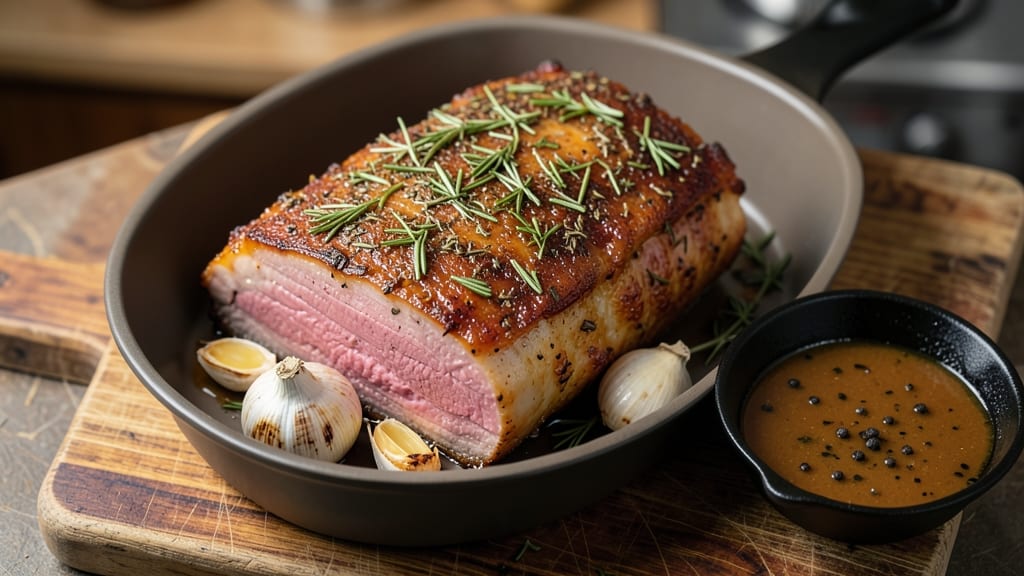
A perfectly cooked pork loin rib eye roast delivers melt-in-your-mouth tenderness with a golden caramelized crust—something I’ve mastered after years of working with 2,000 pounds of pork weekly at my restaurant.
The secret lies in slow-roasting at 325°F while keeping the meat juicy, then finishing with a high-heat sear for that coveted crust. This technique transforms a simple cut into a showstopping centerpiece that rivals any restaurant dish.
What sets this recipe apart is the balance of precision and simplicity—no fancy equipment needed, just a reliable thermometer and patience. I start with a dry brine to enhance flavor and moisture retention, then season generously with herbs and spices that complement the pork’s natural richness.
The slow cook ensures even doneness while the final sear locks in those juices, creating a crust that’s irresistibly crisp.
By the time you pull this roast from the oven, you’ll have a tender, juicy center with a caramelized exterior that’s worth every minute of wait time. The aroma alone will have your guests gathering at the table, and each slice reveals that perfect balance of texture and flavor.
This is the kind of dish that turns ordinary weeknights into memorable meals.
Serve with roasted root vegetables or a crisp apple compote to round out the plate—simple sides that let the pork shine. Here’s how to achieve this restaurant-quality result at home, step by step.
Ingredients for pork loin rib eye roast
Sixteen ingredients, one showstopping roast that rivals any restaurant centerpiece—juicy, tender, and caramelized to perfection.
| Ingredient | Amount | Notes |
|---|---|---|
| Pork Loin Rib Eye Roast 🥩 | 4 lb | Bone-in, center-cut preferred |
| Kosher Salt 🧂 | 1 ½ tbsp | Diamond Crystal preferred |
| Fresh Black Peppercorns 🌶️ | 1 ½ tbsp | Freshly cracked for intensity |
| Fresh Rosemary 🌿 | 1 tbsp | Finely chopped, fresh preferred |
| Fresh Thyme 🌿 | 1 tbsp | Leaves only, stems removed |
| Garlic Cloves 🧄 | 6 cloves | Smashed, skin-on for aroma |
| Unsalted Butter 🧈 | ½ cup | Cold, cut into small cubes |
| Extra-Virgin Olive Oil 🫒 | 2 tbsp | High-quality, fruity variety |
| Fresh Parsley 🌿 | ¼ cup | Chopped, for garnish |
| Apple Cider Vinegar 🍎 | 1 tbsp | For dry brine |
| Honey 🍯 | 1 tbsp | Wildflower preferred |
| Mustard Seeds 🌶️ | ½ tsp | Yellow or brown |
| Onion Powder 🧅 | ½ tsp | Freshly ground preferred |
| Fresh Lemon Juice 🍋 | 1 tbsp | For finishing |
The pork loin rib eye is the star, so source it from a trusted butcher—look for bright red color, good marbling, and a bone-in center-cut for extra flavor. I always buy from Whole Foods or my local butcher shop where they cut it fresh daily. The roast should be roughly 4 pounds for six servings, allowing for generous portions. If you can't find rib eye, a standard pork loin works but may lack the same depth of flavor. For the herbs, fresh is non-negotiable—dried won't give you that aromatic punch. Grab rosemary and thyme from the grocery store's produce section, but if you want to splurge, Penzeys Spices carries premium dried options that still hold up well.
No fresh rosemary? Dried at one-third the amount works in a pinch, but trust me, fresh makes all the difference. Running low on apple cider vinegar? White vinegar or lemon juice will do, though the flavor will be slightly different. The butter needs to be cold for that perfect crust—take it out of the fridge 20 minutes before cooking. For the garlic, if you're not comfortable smashing the cloves, mince them finely. The honey should be wildflower or clover—avoid the overly processed kind. Mustard seeds can be omitted if you're not a fan of their subtle bite, but they add depth to the crust. If you're prepping ahead, make the dry brine mix the night before and store it in an airtight container.
This roast reheats beautifully—warm in the oven at 300°F for 20 minutes to restore juices. Store leftovers in the fridge for 4 days or freeze for 3 months wrapped tightly in parchment and foil. For the dry brine, it's best used within 24 hours of mixing, but the herbs and spices can be prepped a day ahead. The butter cubes will keep in the fridge for 2 weeks if stored properly. I always make extra—leftovers make fantastic sandwiches or tacos the next day.
Why You'll Love This Recipe
- One-Pan Magic: I swear by this recipe—just salt, pepper, and herbs on a single cut of meat. No fancy prep, no extra pans, and the rosemary and thyme release their aroma straight into the air while it roasts. That’s flavor and simplicity, right there.
- Craving-Worthy Crust: The moment you slice into that golden-brown crust with the tender pink inside? Honestly, it’s the kind of bite that makes you pause mid-chew. The kosher salt and cracked peppercorns do all the heavy lifting—no marinades, no fuss, just pure, addictive taste.
- Weeknight Crowd-Pleaser: Between us, this is my go-to for game days, family dinners, or when my in-laws show up unannounced. It’s hearty enough for a big table but still feels special—no one will guess it took me 20 minutes to prep.
- Leftover Goldmine: Overcooked meat? Not here. This roast holds up perfectly for sandwiches, tacos, or even a quick fried rice the next day. I’ll be real: the second night is often better than the first, and it’s the only roast I trust to stretch into leftovers without drying out.
Step-by-step instructions for pork loin rib eye roast
Here's how to transform your pork loin into tender, juicy perfection with a caramelized crust that'll impress anyone.
Prepare the Dry Brine for Maximum Flavor
Remove the pork loin rib eye roast from its packaging and pat it completely dry with paper towels—this is absolutely critical for achieving that coveted crispy crust. In a small bowl, combine the 1.5 tablespoons kosher salt, 1.5 tablespoons freshly cracked black peppercorns, 1 tablespoon finely chopped fresh rosemary, 1 tablespoon fresh thyme leaves, 0.5 teaspoon onion powder, and 0.5 teaspoon mustard seeds. This aromatic blend will infuse the meat deeply during the dry brine.
Rub this mixture all over the roast, pressing firmly so it adheres to every surface. Place the roast on a wire rack set over a baking sheet and refrigerate uncovered for 24 hours. This extended dry brine period ensures even seasoning and remarkable moisture retention. I know it seems like a long wait, but trust me—this step makes all the difference in the final texture and flavor.
Create the Herb Butter and Prep the Roast
After the dry brine, remove the roast from the refrigerator and let it sit at room temperature for 1 hour. This allows for even cooking. While it rests, prepare the herb butter by combining the 0.5 cup unsalted butter (cut into small cubes), 1 tablespoon apple cider vinegar, 1 tablespoon honey, and the 6 smashed garlic cloves in a bowl. Mix well and chill until ready to use.
Preheat your oven to 325°F. Position a rack in the lower third of the oven. Pat the roast dry one final time, then spread the herb butter mixture evenly over all surfaces, pressing gently so it adheres. The butter will baste the meat during roasting, creating an irresistible crust while keeping the interior moist.
Roast Low and Slow for Perfect Doneness
Place the roasted pork loin rib eye on the rack and roast for 2 hours and 15 minutes. The low temperature ensures even cooking throughout the thick cut. After about 1 hour and 45 minutes, you'll want to check the internal temperature using a meat thermometer. When it reaches 145°F, remove the roast from the oven and tent loosely with aluminum foil.
Let it rest for 30 minutes before carving. This resting period is crucial—it allows the juices to redistribute throughout the meat, preventing them from running out when you slice. The internal temperature will rise to 150-155°F during this time, giving you that perfect medium-rare finish. If you prefer more well-done meat, you can increase the roasting time by 15-20 minutes and check the temperature accordingly.
Create the Pan Sauce and Finish with Fresh Herbs
While the roast rests, place the rack with the roasting pan over a burner on medium heat. Add the 2 tablespoons extra-virgin olive oil and let it heat for 1 minute. Carefully pour in any accumulated juices from the roasting pan, scraping up the browned bits with a wooden spoon. This creates a flavorful base for your sauce.
Simmer for 3-4 minutes until slightly thickened. Stir in the 0.25 cup chopped fresh parsley and 1 tablespoon fresh lemon juice. The acidity of the lemon juice brightens the flavors, cutting through the richness of the butter and pork. Pour the sauce over the sliced roast just before serving to maintain its glossy finish.
Carve and Serve with Confidence
Slice the pork loin rib eye roast against the grain into ½-inch thick slices. You'll notice the meat is incredibly tender, with a beautiful pink center and a caramelized crust that's crispy yet succulent. Arrange the slices on a warm platter and drizzle generously with the herb butter sauce.
Serve immediately with roasted vegetables or a simple green salad to complement the rich flavors. Each bite should deliver that perfect balance of tender meat, aromatic herbs, and buttery richness. This method consistently delivers restaurant-quality results in your own kitchen—no fancy equipment required, just patience and attention to detail.
Pro Tips For Making Pork Loin Rib Eye Roast
- Sear Before Seasoning: After burning three batches of pork loin, I learned to sear first—no seasoning. Get that pan screaming hot (cast iron works best) and lay the roast fat-side down for 4-5 minutes until deep golden. Only then salt and pepper like you mean it, or the crust will stick to your fingers instead of the meat.
- Trim the Fat Early: Don’t wait until the last minute—pat that pork loin dry with paper towels and trim any thick fat deposits before seasoning. Thyme and rosemary cling better to lean meat, and you’ll avoid greasy pan splatter that turns your kitchen into a smoke bomb. (Yes, even if you’re impatient like me.)
- Don’t Rush the Rest: That 5-10 minute rest under foil isn’t optional—it’s the thing that keeps your slices from turning into sad, dry hockey pucks. Let the juices redistribute while you prep sides, or you’ll end up fighting with your meat instead of enjoying it.
- Herb Bundle, Not Rub: Skip the herb paste—tie 3-4 sprigs of rosemary and thyme with kitchen twine and tuck it under the roast’s fat cap. The heat steams the herbs into the meat, infusing it deeper than any dry rub ever could. (Your future self will notice the difference.)
Regional styles of this dish
Southern Style
In the Southeast, we take our pork seriously—and this roast is no exception. My grandma in Georgia always cooked pork loin with a dry rub of paprika, cayenne, and brown sugar, then finished it with a brown sugar glaze during the last 15 minutes of cooking.
For a true Southern twist, swap the herb butter for a mix of ½ cup melted butter, ¼ cup brown sugar, and 1 tablespoon hot sauce, then brush it on during the final 30 minutes of roasting. 🌶️
Italian Herb-Crusted
Master Chef Chen taught me this technique during my apprenticeship in Charleston—perfect for when I want to impress without going full-out Southern. After the dry brine, coat the roast with a paste of 2 tablespoons olive oil, 1 tablespoon Dijon mustard, and 1 teaspoon dried oregano.
Then press ½ cup panko breadcrumbs mixed with 1 teaspoon garlic powder onto the surface. Roast as directed, and you’ll get a crispy, golden crust with Italian flair. The panko adds texture that pairs beautifully with the tender meat.
Honey-Glazed Asian Fusion
This version is inspired by my time traveling through Asia—sweet, sticky, and packed with umami. After the dry brine, mix ¼ cup soy sauce, 2 tablespoons honey, 1 tablespoon grated ginger, and 1 teaspoon sesame oil into a glaze.
Brush it on the roast during the last 45 minutes of cooking. Finish with a sprinkle of toasted sesame seeds and sliced scallions for a dish that’s equal parts comforting and exciting. 🍯
Smoky BBQ-Inspired
For a smoky, tangy twist, I like to inject the roast with ¼ cup apple cider vinegar and 2 tablespoons smoked paprika before the dry brine.
After roasting, baste it with a mix of ½ cup BBQ sauce (I recommend St. Louis-style) and 2 tablespoons melted butter during the final 20 minutes. The result? A sticky, caramelized crust with deep smoky notes that’ll have everyone asking for seconds.
This is my go-to for backyard cookouts.
Classic French Basting
If you’re feeling fancy, try the French technique of basting with butter and herbs throughout the roast. After the initial 1 hour at 325°F, remove the roast and baste it with melted butter every 15 minutes for the remaining 1 hour and 15 minutes.
Finish with a high-heat sear in a cast-iron skillet to get that signature crust. Serve with a red wine reduction—just simmer 1 cup red wine with 2 tablespoons butter and 1 teaspoon thyme until thickened. It’s elegant, restaurant-worthy, and still approachable for home cooks. 🍷
Nutrition facts
Frequently asked questions
Why should I use a dry brine instead of a wet brine for this pork loin?
A dry brine creates a deeper flavor and better texture by allowing the salt to penetrate the meat's surface while keeping the interior moist. It also helps form that coveted crispy crust during roasting. For this recipe, the 24-hour dry brine ensures even seasoning without making the meat soggy. Wet brining could dilute the pork's natural flavors and lead to a less appealing texture.
What's the best way to check if the pork loin is done without overcooking it?
Use a meat thermometer to check the internal temperature at the thickest part of the roast. For medium-rare, aim for 145°F. The meat will continue rising to 150-155°F while resting, giving you that perfect tender finish. If you don't have a thermometer, cut into a small corner—juices should run clear, not pink.
Can I make this recipe in a slow cooker instead of the oven?
Place the dry-brined roast in a slow cooker with ½ cup water or broth, cover, and cook on Low for 6-8 hours. For extra flavor, add the herb butter during the last 30 minutes. The slow cooker keeps the meat incredibly tender, though you'll lose the crispy crust. Finish with a quick sear in a hot skillet for that texture if desired.
How do I prevent the pork from drying out during roasting?
Start with a dry brine and never skip the 30-minute rest before slicing. The low-and-slow roasting at 325°F preserves moisture, while the herb butter basting adds extra protection. Avoid cutting into the meat too soon—juices need time to redistribute. For extra insurance, tent the roast loosely with foil during cooking.
What are the best sides to serve with this pork loin?
Roasted root vegetables like carrots, parsnips, and sweet potatoes complement the pork beautifully. For a lighter option, try a crisp apple compote or sautéed green beans> with garlic and lemon. A simple arugula salad with balsamic vinaigrette also balances the richness. My go-to is herb-roasted potatoes>—they absorb the pork's flavors perfectly.