
Main Courses
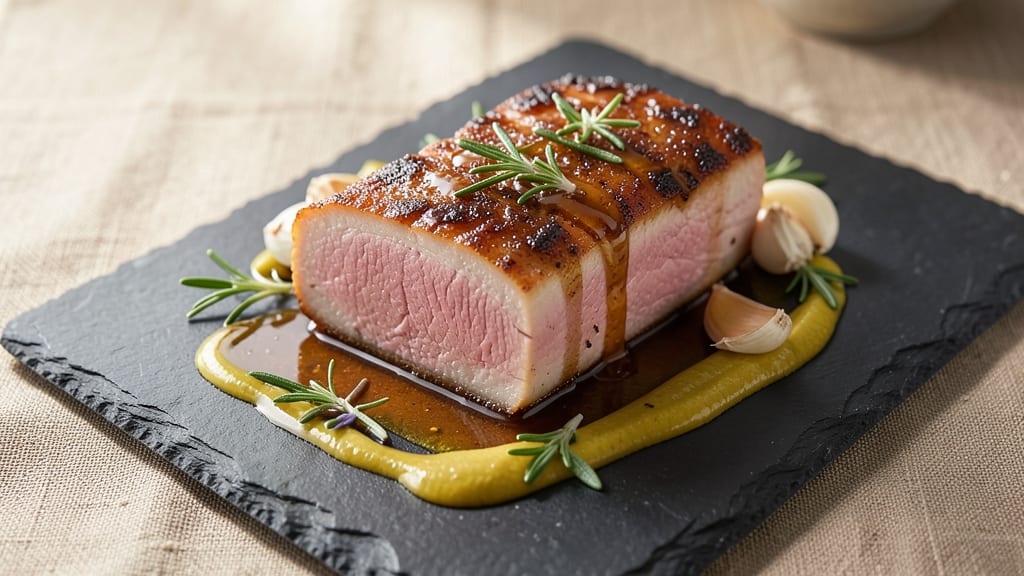
Jamie Oliver’s pork loin recipe delivers restaurant-quality results with just a few simple techniques and bold flavors. Growing up in small-town Georgia, I learned pork transforms any meal into a celebration, and this dish captures that magic with pan-seared perfection.
The combination of fresh herbs and tangy mustard glaze creates a crust that’s both aromatic and deeply satisfying—exactly what makes this recipe iconic.
This method focuses on high-heat searing to lock in juices, followed by a quick roast to ensure tender, even cooking throughout. The mustard glaze adds brightness that cuts through the richness of the pork, while fresh rosemary and thyme infuse every bite with herbal depth.
It’s the kind of dish that feels special without requiring hours in the kitchen.
By the time you serve it, you’ll have golden, crispy edges with a tender center, all coated in that glossy mustard glaze. The aroma alone will draw everyone to the table, and the first bite delivers the perfect balance of savory, tangy, and herby notes.
It’s a dish that works for weeknight dinners or weekend gatherings—versatile enough to impress any crowd.
Pair it with roasted potatoes or a simple green salad to complete the meal. The technique is straightforward, but the results are undeniably impressive. Let’s get cooking—this pork loin will be the star of your table.
Ingredients for pork loin jamie oliver
Pan-seared pork loin with aromatic herbs and a tangy mustard glaze transforms a simple protein into restaurant-worthy perfection.
| Ingredient | Amount | Notes |
|---|---|---|
| Pork Loin 🥩 | 1 ½ lb | Center-cut, 1.5-inch thick slices |
| Extra-Virgin Olive Oil 🫒 | ¼ cup | High-quality, fruity variety |
| Fresh Rosemary 🌿 | ¼ cup | Finely chopped, stems removed |
| Fresh Thyme 🌿 | 2 tbsp | Leaves only, finely chopped |
| Garlic Cloves 🧄 | 6 cloves | Minced, fresh preferred |
| Dijon Mustard 🍯 | 2 tbsp | High-quality, smooth variety |
| Honey 🍯 | 2 tbsp | Wildflower or clover preferred |
| Apple Cider Vinegar 🍏 | 1 tbsp | For tangy brightness |
| Kosher Salt 🧂 | 1 ½ tsp | Fine grain preferred |
| Freshly Ground Black Pepper 🌶️ | 1 tsp | Cracked peppercorns preferred |
| Unsalted Butter 🧈 | 2 tbsp | Cold, cubed for searing |
| Fresh Lemon Juice 🍋 | 1 tbsp | Freshly squeezed |
The pork loin is the star—center-cut, 1.5-inch thick slices ensure even cooking and maximum tenderness. Look for uniform thickness at your butcher or grocery store's meat counter. Whole Foods or Costco often carry high-quality pork loin with good marbling, which translates to juicier results. If you can't find it pre-sliced, ask for it to be cut to the same thickness. The fresh herbs (rosemary and thyme) should be vibrant and fragrant—Wilton's or Bob's Red Mill dried herbs work in a pinch if fresh aren't available, but fresh delivers that restaurant-quality aroma. For the garlic, Lundberg organic cloves are my go-to—they're consistently flavorful without bitterness.
No Dijon mustard? Whole-grain mustard thinned with water works, though it'll be slightly grainier. Short on honey? Maple syrup adds depth, though the flavor profile shifts slightly. The apple cider vinegar can be swapped for white wine vinegar if that's what you have, but the apple notes complement the pork beautifully. For the olive oil, California Olive Ranch or Bertolli are reliable choices—avoid the cheap stuff, as it can overpower the delicate flavors. The butter should be unsalted (adding salt later gives you control) and cold when cubed for searing. If you're in a hurry, microwave the butter 40 seconds to just melt it before adding to the pan.
The pork loin keeps best in the fridge for 3-4 days if uncooked, wrapped tightly in plastic. Once cooked, it reheats beautifully—warm in the oven at 300°F for 10-15 minutes with a splash of water to keep it moist. The mustard glaze can be made ahead and stored in the fridge for up to 5 days, though it's best used fresh. For leftovers, slice against the grain and serve on toasted brioche or with roasted asparagus—the glaze pairs wonderfully with both. Freeze any unused glaze in ice cube trays for quick future use.
Why You'll Love This Recipe
- One-Pan Magic: I swear by this recipe when I’m too tired to scrub pots—just sear the pork, add the garlic-herb oil, and let the oven do the work. The rosemary and thyme infuse the pork so deeply, you won’t even miss the extra cleanup.
- Herb-Packed Punch: That bright, fragrant olive oil with crushed garlic and fresh herbs? It’s the secret weapon. The pork comes out with a golden crust and a scent that makes my kitchen smell like a Mediterranean bistro—no fancy marinade needed.
- Weeknight Workhorse: Between us, this is my go-to for busy nights because it’s actually done in 40 minutes. Serve it with roasted potatoes for a full meal, or slice it thin for sandwiches the next day—no one will guess it’s the same dish.
- Budget-Friendly Feast: A single pork loin stretches across multiple meals: roast half now, use the rest for tacos later. The herbs and olive oil stretch thin, so you’re not breaking the bank for flavor. Honestly, it’s the kind of recipe that makes grocery shopping feel smarter.
Step-by-step instructions for pan-seared pork loin with herbs and mustard glaze
This method delivers perfectly seared pork with a glossy, balanced glaze every time.
Prep and Season the Pork Loin
Remove the pork loin from the refrigerator and let it sit at room temperature for 30 minutes before cooking. This ensures even cooking throughout. Pat the meat completely dry with paper towels—moisture prevents proper searing and crust formation. You want the surface completely dry so the seasoning adheres and the glaze can develop properly.
In a small bowl, combine 1.5 teaspoons kosher salt and 1 teaspoon freshly ground black pepper. Rub this mixture evenly over all sides of the pork loin, pressing gently to ensure the seasoning penetrates the surface. The salt will draw out any remaining moisture while the pepper adds depth of flavor. Let the seasoned pork rest uncovered for another 10 minutes at room temperature before cooking.
Sear the Pork Loin to Develop Crust
Heat a large cast-iron skillet over medium-high heat until it's very hot—you should see a thin layer of steam when you sprinkle a few drops of water. Add 2 tablespoons unsalted butter and 2 tablespoons extra-virgin olive oil to the skillet and let them melt and shimmer together. This combination of fats creates a rich base for the sear.
Place the pork loin in the skillet, fat-side down if applicable, and cook undisturbed for 4-5 minutes until a deep golden-brown crust forms. You'll know it's ready when the crust releases easily from the pan with a gentle nudge. Flip the pork and repeat on the other side for another 4-5 minutes. The internal temperature should now read 140°F when checked with a meat thermometer—this ensures it finishes cooking properly with the glaze.
Prepare the Herb Glaze Mixture
While the pork sears, finely chop ¼ cup fresh rosemary and 2 tablespoons fresh thyme, removing stems and woody parts. In a small saucepan, combine the chopped herbs with 6 minced garlic cloves, 2 tablespoons Dijon mustard, 2 tablespoons honey, and 1 tablespoon apple cider vinegar. Stir over low heat for 3-4 minutes until the mixture becomes fragrant and slightly thickened.
The vinegar and honey combination creates a perfect balance of tangy brightness and sweet depth. The Dijon mustard adds richness while the herbs infuse their aromatic qualities. Keep the mixture warm over low heat while you finish cooking the pork—it should coat the back of a spoon but remain pourable.
Glaze and Rest the Pork Loin
Remove the pork loin from the skillet and transfer it to a warm plate. Pour the herb glaze mixture directly over the pork, spooning it evenly over all surfaces. Place the skillet back on the stove over low heat and let the pork rest for 5 minutes while the glaze sets. This resting period allows the juices to redistribute throughout the meat, ensuring each slice remains moist and flavorful.
After resting, carefully transfer the pork to a cutting board and slice it into ½-inch thick medallions against the grain. The glaze should be glossy and lightly sticky, clinging beautifully to each slice. Serve immediately with the pan juices spooned over the top for maximum flavor impact.
Pro Tips For Making Pork Loin Jamie Oliver
- SEAR IN BATCHES: Pork loin isn’t cheap—don’t crowd the pan or it’ll steam instead of brown. Work in two batches if needed, giving each side 3-4 minutes until deep golden. That crust is where all the flavor hides, and rushing it means sad, dull meat.
- CHOP GARLIC SLIGHTLY: Thin slices, not minced—you want visible flecks, not paste. I used to crush it too fine, and the heat would cook it into oblivion before the pork even got warm. Big enough to taste, small enough to melt into the oil.
- SALT THE PORK TWICE: First when you trim it (yes, even if it’s pre-portioned), then again right before searing. The initial salt starts drawing out moisture, and the second layer locks in flavor as it hits the hot pan. Trust me, the second coat makes a real difference.
- REST UNDER FOIL: Skip the tenting with parchment—wrap the pork loosely in foil after roasting and let it sit for 10 minutes. The steam keeps it juicy, and the foil traps heat so it finishes cooking without drying out. (Your knife will thank you too.)
Troubleshooting your pork loin jamie oliver
Overcooked Pork Fix
If your pork loin feels dry or tough, it’s likely overcooked. The key is to check internal temperature—it should reach 145°F, not 160°F+. If it’s past that, don’t panic.
Slice the pork into ½-inch medallions and quickly sear them in a hot skillet with 1 tbsp butter and 1 tbsp olive oil for 30 seconds per side. The high heat will crisp the edges while keeping the inside moist.
Serve with extra glaze to add moisture and richness. 🔥
Undercooked Center
If your pork loin has a pale center (below 140°F), return it to the oven at 375°F for 10-15 minutes until it reaches 145°F. For faster results, finish it in a screaming-hot skillet with 1 tbsp butter and 1 tbsp olive oil for 2-3 minutes per side.
Use a meat thermometer to avoid overcooking—this is the most foolproof way to guarantee doneness. 🌡️
Glaze Too Thick
If your mustard glaze thickens too much while cooking, thin it with 1 tsp warm water or apple cider vinegar. Stir gently over low heat until it reaches a pourable consistency.
For extra shine, add ½ tsp lemon juice right before serving. The glaze should coat the back of a spoon but remain smooth enough to drizzle. 💫
Pale, Bland Crust
A pale crust means your pork didn’t sear properly. Next time, ensure your skillet is ripping hot—sprinkle water to test for steam. Use high-quality butter and olive oil (like California Olive Ranch) for better flavor and browning.
Let the pork rest for 10 minutes after searing before glazing to lock in juices. A golden crust is non-negotiable for flavor! 🥩
Glaze Too Tangy
If your glaze tastes overwhelmingly sharp, balance it with ½ tsp honey or 1 tsp maple syrup to mellow the acidity. For a deeper flavor, add ½ tsp minced shallot to the glaze while heating.
The goal is harmony—tangy but not sour. Taste as you go and adjust in ¼ tsp increments. 🍯
Uneven Cooking
Uneven cooking usually means the pork wasn’t the same thickness. Trim any uneven edges before seasoning, or slice the thickest parts into ½-inch slices to cook evenly. For future recipes, ask your butcher for uniformly cut pork loin—it’s worth the effort.
If all else fails, finish the thinner slices in the skillet after the thicker ones. ⚡
Nutrition facts
Frequently asked questions
Why does Jamie Oliver's recipe call for resting the pork before slicing?
Resting the pork for 5 minutes after cooking is crucial—it lets the juices redistribute evenly, preventing them from running out when you cut. Skipping this step results in dry slices, especially with lean cuts like pork loin. The internal temperature should be 145°F when you rest it.
Can I substitute Dijon mustard with another type?
Yes, but expect a different texture. Whole-grain mustard works but will be grainier. For a smoother glaze, thin regular yellow mustard with 1 teaspoon water. The Dijon's tanginess balances the sweetness, so avoid sharp mustards like hot English.
How do I adjust this recipe for a larger crowd?
Double the ingredients and use a larger skillet (like a 12-inch cast iron). Cook the pork in batches to avoid overcrowding, which steams instead of sears. For 8 servings, use a 3-pound pork loin and increase the glaze by 50%. Keep the thickness consistent at 1.5 inches.
What's the best way to reheat leftovers?
Slice the pork and reheat in a skillet over medium-low heat with 1 tablespoon butter for 2-3 minutes per side. Avoid the microwave—it turns the meat rubbery. For extra moisture, add a splash of chicken broth or the original glaze while warming.
Can I make this recipe in the oven instead of pan-searing?
Yes, but the texture will differ. Roast the pork at 400°F for 20-25 minutes (until 145°F internal), then brush with the glaze and broil for 2 minutes to caramelize. The crust won't be as crispy, but it's still delicious. For best results, use a mix of oven and pan methods.