
Main Courses
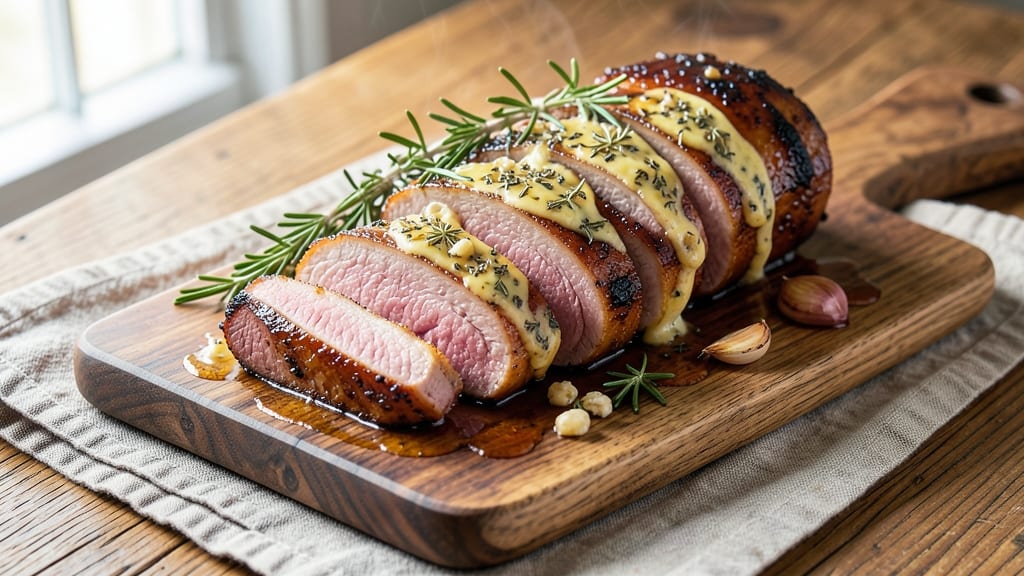
Mastering a pork loin rib rack roast transforms weeknight dinners into showstopping centerpieces that rival restaurant-quality cuts. Growing up in small-town Georgia, I learned pork isn't just meat—it's the heart of family gatherings, where every roast became a tradition.
This herb-crusted technique preserves that juicy tenderness while building a flavorful crust that keeps guests reaching for seconds.
The secret lies in precise temperature control and a well-balanced herb crust that seals in moisture without overpowering the pork's natural richness. We'll use a reverse sear method—starting low and slow to develop even doneness, then finishing with a high-heat sear for that coveted caramelized exterior.
This approach ensures your center cut remains tender and succulent, with a crust that's crisp enough to stand up to bold sides like roasted root vegetables or garlic mashed potatoes.
What you'll achieve is a perfectly roasted pork loin with a golden-brown herb crust that crackles with every bite, revealing juicy, melt-in-your-mouth meat beneath. The aroma alone will have everyone gathering at the table, and the technique is straightforward enough for confident home cooks while delivering restaurant-worthy results.
Pair it with a bold red wine or crisp craft beer to complete the experience.
This method works equally well for holiday feasts or Sunday suppers, scaling effortlessly to serve four or twelve. The key is patience—letting the pork rest before carving ensures every slice stays juicy, and the herb crust remains intact.
Let's create a roast that becomes the star of your table, just like it did in my grandmother's kitchen.
Ingredients for pork loin rib rack roast
Herb-packed crust meets tender meat—just twelve ingredients for a showstopping centerpiece.
| Ingredient | Amount | Notes |
|---|---|---|
| Pork Loin Rib Rack 🐖 | 2 lb | Bone-in, center cut preferred |
| Extra-Virgin Olive Oil 🫒 | 2 tbsp | For crust and searing |
| Fresh Rosemary 🌿 | ¼ cup | Finely chopped, stems removed |
| Fresh Thyme 🌿 | ¼ cup | Leaves only, packed |
| Garlic Cloves 🧄 | 6 cloves | Minced, fresh preferred |
| Diamond Crystal Kosher Salt 🧂 | 1 ½ tbsp | For crust and seasoning |
| Freshly Ground Black Pepper 🌶️ | 1 tsp | Coarse grind preferred |
| Unsalted Butter 🧈 | ½ cup | Cold, cubed for crust |
| Fresh Sage Leaves 🍃 | ⅛ cup | Chopped, for added depth |
| Granulated Garlic 🧄 | 1 tsp | For extra flavor punch |
| Dried Parsley 🌿 | 1 tbsp | For garnish and color |
| Red Wine 🍷 | ½ cup | Dry, for deglazing |
The pork loin is the star, so look for bone-in center cuts—they stay juicier. Costco or Whole Foods often carry premium rib racks with good marbling. If you can't find bone-in, a thick, even-cut loin works. Pat it dry before seasoning—this helps the crust adhere. I always ask the butcher for the thickest cut available, around 1.5-2 inches, for perfect doneness without drying out. The herbs should be fresh: rosemary and thyme from the grocery store's produce section (not the dried aisle) make all the difference for that vibrant flavor.
No fresh rosemary? Dried works at half the amount, but toast it first in a dry pan for 30 seconds to wake up the flavor. Short on butter? Olive oil works too, though butter adds richness. The red wine can be swapped for extra beef broth or apple cider vinegar if you're avoiding alcohol. For the garlic, freshly minced always tastes better than pre-minced or jarred, but if you're in a pinch, granulated garlic in a pinch (literally). The crust relies on cold butter for texture—don't skip chilling it before mixing. And trust me on the coarse black pepper—it adds a nice bite that regular pepper can't match.
This roast reheats beautifully—just warm in the oven at 300°F for 15 minutes covered with foil. Keeps 3-4 days in the fridge, wrapped tightly in butcher paper. For longer storage, freeze portions for up to 3 months. I always make extra because leftovers make amazing sandwiches the next day. The herb crust stays crisp for about 2 days if stored properly, so use it within that window for best texture. If you're prepping ahead, assemble the crust up to a day in advance and refrigerate it—just press it onto the pork right before roasting.
Why You'll Love This Recipe
- Here’s what sold me: that golden crust from the olive oil and garlic, paired with tender meat inside. It’s the kind of roast where every bite has texture—no dry, sad pork here.
- I’ll be real: most roasts turn into sad, dry scraps. Not this one. The rosemary and thyme keep it flavorful for days—perfect for wraps, grain bowls, or reheated with a pan of veggies. Zero waste.
Step-by-step instructions for herb-crusted pork loin rib rack
This method delivers melt-in-your-mouth tenderness with a perfectly crisp herb crust every time.
Prepare the Herb Butter Crust
In a food processor, combine the 0.5 cup unsalted butter with the 0.25 cup fresh rosemary, 0.25 cup fresh thyme, 6 cloves garlic cloves, 1 tsp granulated garlic, and 1.5 tbsp diamond crystal kosher salt. Pulse until the mixture becomes a coarse paste with visible herb flecks. This herb butter will form the foundation of your crust, locking in moisture while creating that irresistible golden-brown exterior.
Transfer the herb butter to a small bowl and let it sit at room temperature for 15 minutes while you prepare the pork. The butter should soften slightly but remain cool enough to cling to the meat rather than melt into it. This step is crucial for developing that signature crust that separates this recipe from ordinary roasts.
Season and Sear the Pork
Pat the 2 lb pork loin rib rack completely dry with paper towels—this is non-negotiable for achieving crisp skin. Using your fingers, gently press the 1 tsp freshly ground black pepper into the meat's surface to ensure even seasoning. Then, rub the softened herb butter all over the pork, pressing firmly to create a thick, even coating. The butter should adhere well, creating a protective barrier that will crisp beautifully in the oven.
Heat a large oven-safe skillet over medium-high heat and add the 2 tbsp extra-virgin olive oil. Once the oil shimmers, carefully place the pork in the skillet, fat-side down. Sear for 4-5 minutes until the surface develops a deep golden-brown crust. Flip the pork and sear the other side for another 3-4 minutes. This initial searing step creates a flavorful crust while helping to render some of the pork's natural fats, which will baste the meat during roasting.
Roast to Juicy Perfection
Preheat your oven to 425°F while the pork sears. Once the pork has developed a good crust on both sides, transfer the skillet to the preheated oven. Roast for 20-25 minutes, then reduce the heat to 325°F and continue roasting for an additional 20-25 minutes, or until the internal temperature reaches 145°F when measured with a meat thermometer in the thickest part of the meat.
Here's the thing—pork loin rib rack can dry out quickly if overcooked. The 145°F internal temperature is your target, but don't rush it. The meat will continue to carry over to 150°F as it rests, giving you that perfect juicy texture. If you're unsure, use the thermometer as your guide rather than relying on time alone. The pork should feel firm to the touch but still yield slightly when pressed gently with your fingers.
Rest and Garnish for Maximum Juiciness
Remove the pork from the oven and transfer it to a cutting board. Tent loosely with aluminum foil and let it rest for 10-15 minutes. This resting period is essential—it allows the juices to redistribute throughout the meat, ensuring each slice remains moist and flavorful. Skipping this step will result in dry, disappointing pork. I know it's tempting to cut into it immediately, but trust the process.
While the pork rests, pour the 0.5 cup red wine into the skillet and scrape up any browned bits from the bottom. Bring to a simmer over medium heat for 2-3 minutes to create a simple pan sauce. Stir in the 0.125 cup fresh sage leaves and 1 tbsp dried parsley, then drizzle this fragrant sauce over the sliced pork before serving. The wine reduces the acidity of the pork while adding a touch of complexity to the dish.
Pro Tips For Making Pork Loin Rib Rack Roast
- CRANK THE OVEN HIGH FIRST: I used to start pork loin at 375°F and wonder why it never got that crispy crust—turns out, you need to shock it. Sear the ribs at 450°F for the first 10 minutes with the oil and herbs, then drop to 350°F. The high heat locks in juices while building flavor.
- DON’T SKIP THE ROSEMARY SPRIGS: Fresh rosemary and thyme lose their punch when chopped into a paste. Instead, tie 2-3 sprigs of each with kitchen twine and tuck them between the ribs before roasting. They’ll infuse the meat without turning to mush—just pull them out before serving.
- LET IT REST—REALLY: I know, you’re starving, but cutting into that pork right out of the oven is a crime. Tent it with foil and walk away for 10-15 minutes. The meat will reabsorb juices instead of leaking all over your plate—trust me, your knife will thank you.
- USE THE FAT CAP: That white fatty layer on the ribs? Don’t trim it. It renders down during roasting, basting the meat and adding richness. If you’re worried about calories, just scrape off the crispy bits at the end—keep the rest for flavor.
Flavor customization for this pork loin rib rack roast
Herb Variations
For a Mediterranean twist, swap the rosemary and thyme for 1 tbsp dried oregano and 1 tbsp lemon zest—this brightens the crust beautifully. I’ve used this variation for summer gatherings, and it pairs perfectly with grilled vegetables.
For a Southern-inspired flavor, add ½ tsp smoked paprika and ½ tsp onion powder to the herb butter for a subtle smoky depth that reminds me of my grandmother’s cooking. 🌿
Spice Level Boost
If you love heat, fold ½ tsp cayenne pepper or 1 tsp crushed red pepper flakes into the herb butter before applying it to the pork. This adds a slow-building warmth that complements the richness of the meat.
I’ve found that Penzeys brand hot sauces work well for precise heat control—just a few drops can elevate the flavor without overpowering. For a milder kick, try 1 tsp Aleppo pepper instead; it’s fruity and complex. 🌶️
Sweet and Smoky
For a caramelized crust, mix 2 tbsp brown sugar into the herb butter before applying it to the pork. Roast as directed, then brush the pork with 2 tbsp apple cider during the last 10 minutes of cooking.
This creates a sticky, glossy glaze that’s perfect for holiday meals. I’ve also used 1 tbsp maple syrup in place of the brown sugar for a deeper, earthier sweetness. 🍯
Citrus Infusion
Zest 1 large orange or lemon and add it to the herb butter for a bright, citrusy crust that cuts through the pork’s richness. The acidity also helps tenderize the meat slightly.
I’ve used this technique for Easter brunches, and it’s a crowd-pleaser. For extra zing, add 1 tbsp fresh orange juice to the pan sauce at the end. 🍊
Cheesy Crust Option
For a luxurious twist, fold ½ cup shredded Gruyère or Parmesan cheese into the herb butter before applying it to the pork. The cheese melts slightly during roasting, creating a golden, crispy crust that’s irresistible.
I’ve used this variation for dinner parties, and it elevates the dish to restaurant-quality. Just be sure to press the cheese firmly into the meat so it doesn’t slide off during cooking. 🧀
Bacon-Wrapped Surprise
Wrap the pork loin in 4 slices of thick-cut bacon before roasting, securing it with toothpicks. The bacon crisps into a savory shell while infusing the pork with smoky flavor.
I’ve done this for weekend brunches, and it’s a hit with both kids and adults. Just remove the bacon 5 minutes before the pork is done to prevent overcooking. 🥓
Nutrition facts
Frequently asked questions
What's the best way to tell when pork loin rib rack is fully cooked?
Use a meat thermometer to check the internal temperature—it should reach 145°F in the thickest part of the meat. The pork will continue carrying over to 150°F as it rests, so don't overcook it. If you don't have a thermometer, press gently with your fingers: it should feel firm but still yield slightly.
Can I make this recipe without a food processor for the herb butter?
Use a sharp knife to finely chop the 0.5 cup butter into small cubes, then mix it with the minced herbs and garlic in a bowl using a fork. The texture won't be perfectly smooth, but it'll still create a flavorful crust. Just press it firmly onto the pork.
How do I prevent the herb crust from falling off during roasting?
Pat the pork completely dry before applying the herb butter—moisture is the enemy of adhesion. Press the crust firmly onto the meat, and chill the pork uncovered in the fridge for 15 minutes before roasting. This helps the butter set slightly and stick better.
What's the best way to reheat leftover pork loin rib rack?
Slice the pork and reheat in a skillet over medium-low heat with a splash of broth or water to keep it moist. For oven reheating, cover with foil and warm at 300°F for 15 minutes. Avoid microwaving—it dries out the meat. The herb crust stays crisp for about 2 days when stored properly.
Can I substitute bone-in pork loin for boneless?
Yes, but choose a thick, even-cut boneless loin (about 1.5-2 inches thick) to match the cooking time. Bone-in stays juicier because the bone conducts heat differently, but a well-marbled boneless cut will work too. Just reduce the roasting time by 5-10 minutes since boneless cooks faster.