
Main Courses
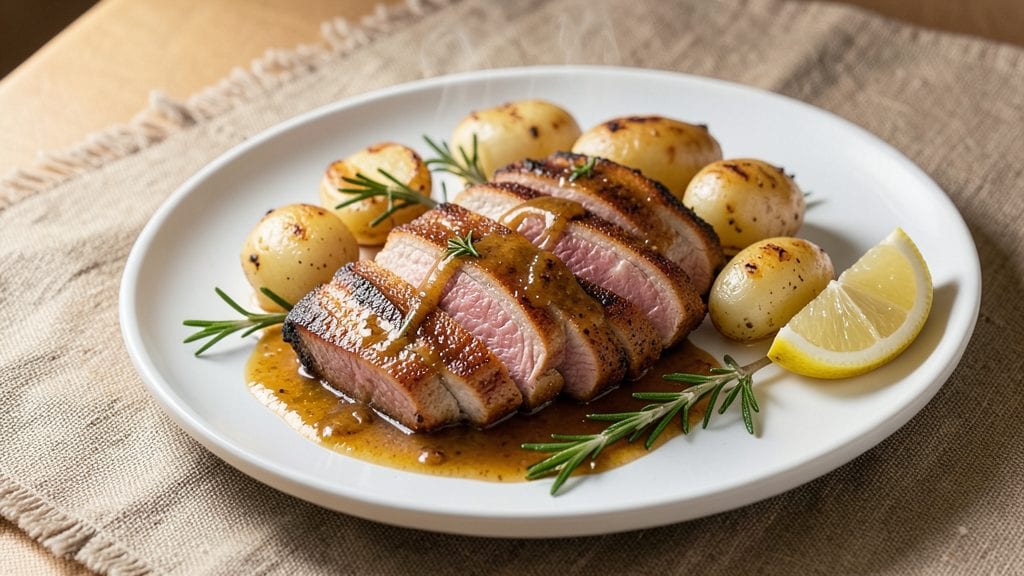
Pan-seared pork medallions deliver that perfect balance of crispy edges and juicy centers—something I perfected after years of testing cuts and techniques at my family’s backyard cookouts. The secret lies in thin, even slices and a hot cast-iron skillet, which locks in moisture while creating that golden crust.
I’ve made this recipe countless times for dinner parties, and it never fails to impress.
What sets this method apart is the 15-minute timeline—no long marinating, no complicated prep. You’ll start with tenderized pork loin, seasoned simply with salt, pepper, and a touch of garlic powder, then sear it just right over medium-high heat.
The key is timing: pull the medallions when the crust is golden but the inside still registers 145°F—that’s where the magic happens.
By the time you plate them, you’ll have perfectly cooked medallions with a caramelized crust that shatters at every bite, revealing tender, pink centers. The aroma alone will have everyone at the table anticipating dinner.
Serve with roasted asparagus or a bright citrus salad to round out the meal—this dish deserves a side that won’t overpower its clean, savory flavor.
For an extra touch, finish with a squeeze of lemon or a sprinkle of fresh parsley. This recipe is restaurant-quality without the fuss, and it’s the kind of dish that makes weeknight cooking feel special. Let’s get started—your table is waiting.
Ingredients for pork medallions
Thin-sliced pork loin, salt, pepper, and garlic powder—just what you need for restaurant-quality medallions.
| Ingredient | Amount | Notes |
|---|---|---|
| Pork Loin 🥩 | 1 ¼ lb | Center-cut, boneless, pounded thin |
| Kosher Salt 🧂 | 1 ½ tsp | Diamond Crystal preferred |
| Freshly Ground Black Pepper 🌶️ | ¾ tsp | Coarse grind preferred |
| Garlic Powder 🧄 | ½ tsp | Freshly toasted for depth |
| Extra-Virgin Olive Oil 🫒 | 2 tbsp | High smoke point preferred |
| Unsalted Butter 🧈 | 2 tbsp | Cold, cut into small cubes |
| Fresh Lemon 🍋 | 1 whole | Juiced, for finishing |
| Fresh Flat-Leaf Parsley 🌿 | ¼ cup | Chopped, for garnish |
| Cast-Iron Skillet 🔥 | 1 whole | 10-12 inch, preheated |
| Meat Thermometer 🌡️ | 1 whole | Instant-read preferred |
| Paper Towels 🧻 | 1 sheet | For patting dry |
The pork loin is non-negotiable here. Center-cut stays juicier than shoulder cuts, and boneless makes slicing uniform. Look for a piece with good marbling at Whole Foods or your local butcher—they can cut it paper-thin for you. If you're doing it yourself, pound it between plastic wrap to 1/4-inch thickness. That evenness is what gives you perfect cooking every time. I always grab mine from Costco when it's on sale, but any quality grocer will have it. Pat the slices dry with paper towels before cooking—this step is critical for that crispy crust.
No garlic powder? Fresh garlic minced into the oil adds a whole new dimension. Short on olive oil? Avocado oil has a higher smoke point, but stick with olive for that classic flavor. The butter should be cold and cubed—it creates the perfect crust when it melts against the hot skillet. No fresh parsley? Dried parsley at half the amount works, but fresh is ideal. The lemon juice should be freshly squeezed—bottled won't cut it. For extra flavor, add a pinch of smoked paprika to the seasoning mix, but keep it optional. This dish is flexible, but those key elements—thin slices, dry surface, and hot skillet—are non-negotiable for that perfect sear.
These medallions shine best when served immediately, but they reheat beautifully in a 350°F oven for 5 minutes. The crust won't be as crispy, but the meat stays juicy. Store leftovers in an airtight container for up to 3 days. For meal prep, cook a double batch and freeze half—thaw overnight in the fridge before reheating. The lemon juice and parsley can be prepped ahead and stored separately. Serve with roasted asparagus or a simple arugula salad to let the pork be the star. This dish is all about that first bite—crispy outside, juicy inside—so don't overthink the sides.
Why You'll Love This Recipe
- One-Pan Magic: I swear by this recipe when I’m too tired to scrub pots—just slice the loin, toss it in a hot pan with olive oil, and let the garlic powder work its magic. The salt and pepper crust forms in minutes, and you’re left with a sheet pan that’s basically self-cleaning.
- Crispy-Creamy Payoff: That first bite? Chef’s kiss. The outside gets a golden sear while the inside stays juicy—thanks to the olive oil’s heat and the garlic powder’s warmth. It’s the kind of balance that makes you forget about sad, dry pork chops.
- Lunchbox Hero: Between us, these medallions are my go-to for meal prep. Slice them thin, pack them with a sprinkle of salt, and they hold up beautifully in salads or wraps for days. (Yes, even on a Tuesday night.)
- Budget-Friendly Protein: A pound of pork loin stretches further than you’d think, and with just five ingredients, it’s a steal. I’ve fed four people for under $12, and they still ask for seconds—proof that simple doesn’t mean boring.
Step-by-step instructions for pan-seared pork medallions
Here's how to achieve that perfect balance of crispy edges and tender centers every time.
Prepare the Pork Medallions for Cooking
Begin by patting the 1.25 lb pork loin completely dry using the sheet of paper towels. This step is crucial—any moisture left on the surface will prevent that golden-brown crust we're after. Place the pork loin between two sheets of plastic wrap and pound it gently but firmly with a meat mallet until it reaches about ½-inch thickness. This ensures even cooking throughout each medallion.
Create a dry rub by combining the 1.5 tsp kosher salt, 0.75 tsp freshly ground black pepper, and 0.5 tsp garlic powder in a small bowl. Generously coat both sides of each pork medallion with this mixture, pressing it into the meat so it adheres well. Let the seasoned medallions rest at room temperature for 15 minutes while you prepare your cooking equipment. This resting period allows the meat to come to room temperature, which promotes more even cooking.
Sear the Medallions in the Cast-Iron Skillet
Place the 1 whole cast-iron skillet over medium-high heat until it's properly preheated. Add the 2 tbsp extra-virgin olive oil and allow it to heat for 2 minutes until it shimmers but doesn't smoke. This is the moment that matters: you want the oil hot enough to create that perfect sear without burning the medallions.
Carefully add the pork medallions to the skillet, working in batches if needed to avoid overcrowding. Cook undisturbed for 2 minutes per side, pressing down gently with a spatula during the first minute to prevent curling. You'll know they're ready to flip when they release easily from the pan and develop a golden-brown crust. The medallions should reach an internal temperature of 140°F at this point, measured with the meat thermometer.
Finish with Butter and Lemon
Remove the medallions from the skillet and transfer them to a warm plate, tenting loosely with aluminum foil to keep them warm. Reduce the heat to medium and add the 2 tbsp unsalted butter to the skillet, allowing it to melt and foam. Tilt the skillet slightly and spoon the melted butter over the medallions to baste them.
Juice the 1 whole fresh lemon and add about 1 tablespoon of the juice to the skillet, scraping up any browned bits from the bottom. Return the medallions to the skillet and cook for an additional 1 minute to absorb the lemon-butter sauce. This finishing step adds brightness and depth of flavor that perfectly complements the crispy exterior and juicy interior.
Rest and Garnish for Serving
Transfer the medallions to a serving platter and let them rest for 5 minutes. This brief resting period allows the juices to redistribute throughout the meat, ensuring each bite remains moist and flavorful. The medallions should reach a final internal temperature of 145°F, which is the safe minimum for pork.
Garnish each medallion with about 1 tablespoon of the chopped 0.25 cup fresh flat-leaf parsley and serve immediately. The crispy crust should contrast beautifully with the tender, juicy center, and the lemon-parsley garnish adds a fresh finish that brightens every bite. These medallions pair perfectly with roasted vegetables or a simple arugula salad for a complete meal.
Pro Tips For Making Pork Medallions
- Dry the Pork Like Your Life Depends on It: Wet pork sticks to the pan and steams instead of searing. Pat those medallions thoroughly with paper towels—even if they look dry, do it again. I used to skip this, and my medallions ended up gray and sad instead of golden and crisp.
- Salt the Night Before: Pork loin is lean, and salt draws out moisture. Season the medallions generously with kosher salt and let them sit uncovered in the fridge for at least 4 hours (or overnight). This keeps them juicy and ensures that crust actually sticks.
- Start Hot, Then Back Off: Get that pan screaming hot with olive oil before adding the pork—you want a deep sizzle, not a gentle hum. After 2 minutes, drop the heat to medium. I learned this the hard way when my first batch turned out charred outside and raw inside.
- Use a Meat Thermometer: Pork medallions are done at 145°F (63°C), but guesswork leads to overcooked, tough cuts. Stick that thermometer in the thickest part—if it’s not there yet, let them rest under foil for another 2-3 minutes. No more dry, rubbery pork.
Dietary considerations for this dish
Gluten-Free Adaptation
If you're watching gluten, this recipe is already naturally gluten-free! The pork medallions, olive oil, butter, salt, pepper, garlic powder, lemon, and parsley all contain no gluten. Just double-check your kosher salt and garlic powder brands for cross-contamination warnings—some brands process ingredients in shared facilities.
I use Diamond Crystal and McCormick for my gluten-free cooking. 💛
Dairy-Free Option
For a dairy-free version, simply swap the 2 tbsp unsalted butter in the finishing step with 2 tbsp avocado oil. The medallions will still develop a beautiful crust, though the flavor profile will be slightly different.
I like to add an extra ½ tsp smoked paprika to compensate for the missing richness. This works perfectly when serving to guests with lactose intolerance.
Low-Carb Adjustments
The pork medallions themselves are naturally low-carb, but watch your sides! Skip starchy vegetables like potatoes or corn, and opt for roasted zucchini or cauliflower mash instead. The lemon-parsley garnish adds bright acidity that pairs beautifully with low-carb dishes.
I often serve these medallions with a side of keto-friendly cauliflower rice cooked in garlic butter. The contrast in textures makes every bite satisfying!
Keto-Friendly Version
To make this recipe fully keto-compliant, ensure your pork is center-cut loin with minimal marbling. The seasoning remains the same, but use 1 tbsp coconut oil instead of olive oil for cooking—the higher smoke point works better for searing.
Skip the butter entirely and finish with 1 tbsp ghee instead. The lemon juice and parsley keep the dish flavorful without adding carbs. Pair with sautéed spinach or roasted Brussels sprouts for a complete keto meal. 🍽️
Vegetarian Substitute
While pork is the star of this dish, you can create a vegetarian version using thick-cut portobello mushrooms or extra-firm tofu. For mushrooms, slice them ½-inch thick, brush with olive oil, and sear like the pork. Add 1 tsp soy sauce to the seasoning for umami depth.
For tofu, press it overnight to remove moisture, then slice and sear in the same way. Neither will match the texture of pork, but they'll give you that crispy exterior with a satisfying bite!
Nutrition facts
Frequently asked questions
Why do I need to pound the pork to ¼-inch thickness?
Thin slices cook evenly and develop that perfect crispy crust without drying out. Pounding ensures each medallion reaches 145°F throughout, so you get tender, juicy centers every time—no dry bites!
What if my skillet isn't cast iron?
No problem! A well-seasoned stainless steel or carbon steel skillet works just as well. Just make sure it gets properly preheated—the medallions need that hot surface for the best sear. Avoid nonstick pans for this recipe—they won't create that golden crust.
Can I make these medallions ahead of time?
You can prep the seasoned pork slices up to 24 hours ahead, but cook them fresh for the best results. If you must cook ahead, let them cool, wrap tightly in foil, and refrigerate. Reheat in a 350°F oven for 5 minutes—add a splash of water to the pan to keep them moist. The crust won't be as crispy, but they'll still be juicy!
What's the best way to avoid overcooking?
Use a meat thermometer—it's your best friend! Pull the medallions when they hit 140°F (they'll rise to 145°F while resting). Overcrowding the pan also raises the temperature, so cook in batches. Let them rest 5 minutes before slicing to lock in juices.
Can I substitute another cut of pork?
Center-cut pork loin is ideal, but pork tenderloin works too—just pound it thin. Avoid shoulder or rib cuts—they're fattier and can get tough. If you must use another cut, trim excess fat and add 1 extra tablespoon of oil to the pan for extra moisture. The secret is thin, even slices!