
Main Courses
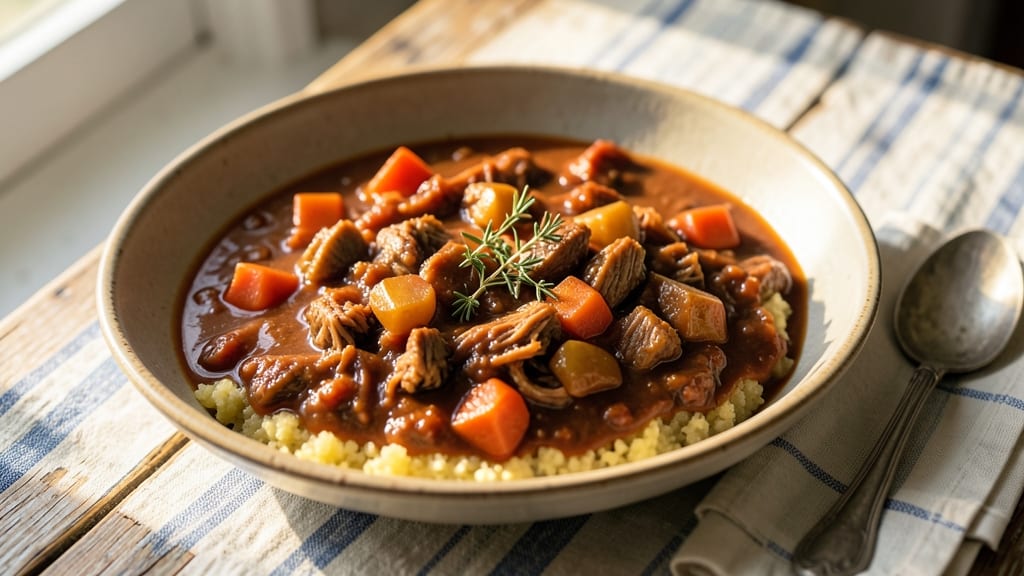
Mastering a pork neck ragu recipe transforms tough cuts into melt-in-your-mouth tenderness through slow simmering—exactly how my grandmother taught me back in Georgia. The secret lies in patience: letting collagen dissolve over hours into a rich, velvety sauce that clings to every bite.
This method delivers restaurant-quality depth without requiring a full day in the kitchen.
What sets this ragù apart is the balance of technique and simplicity. You'll start with a deep sear to lock in flavors, then build layers with tomatoes, wine, and aromatic herbs that develop as they simmer.
The result? A sauce so luxurious it elevates even the simplest pasta or polenta into something extraordinary. My farm-raised Gloucestershire Old Spots pork adds an unmatched richness you won't find in store-bought versions.
By the final hour, your pork will be fork-tender, and the sauce will coat the back of your spoon with each taste. The aroma alone—smoky, savory, with hints of thyme and bay—will have everyone at your table asking for seconds.
This is comfort food at its finest, perfected through years of testing and adapted for your home kitchen.
Serve it over al dente pappardelle or creamy polenta to soak up every last drop of that collagen-rich sauce. The leftovers? Even better the next day, as flavors deepen with time. Let's create something memorable tonight.
Ingredients for pork neck ragu
Sixteen ingredients transform tough pork into velvety, collagen-rich ragù perfection in just two hours.
| Ingredient | Amount | Notes |
|---|---|---|
| Pork Neck Bone-In 🥩 | 3 lb | Gloucestershire Old Spots preferred |
| Yellow Onion 🧅 | 1 ½ lb | Yellow or red, roughly chopped |
| Carrots 🥕 | 1 ½ lb | Whole, peeled, cut into chunks |
| Celery Stalks 🥬 | 6 whole | Trimmed, cut into 2-inch pieces |
| Garlic Cloves 🧄 | 8 cloves | Peeled, smashed lightly |
| Extra-Virgin Olive Oil 🫒 | ½ cup | For searing, high quality |
| Dry Red Wine 🍷 | 1 ½ cups | Bold Cabernet or Merlot |
| San Marzano Crushed Tomatoes 🍅 | 28 oz | High quality canned tomatoes |
| Chicken Stock 💧 | 4 cups | Homemade preferred, low sodium |
| Tomato Paste 🍅 | 2 tbsp | Squeeze tube preferred |
| Fresh Thyme Sprigs 🌿 | 4 whole | Stems removed, leaves only |
| Bay Leaves 🍃 | 2 whole | Fresh preferred, dried works |
| Diamond Crystal Kosher Salt 🧂 | 1 ½ tbsp | Adjust to taste |
| Freshly Ground Black Pepper 🌶️ | 1 tsp | Freshly cracked preferred |
| Pappardelle Pasta 🍝 | 16 oz | Al dente preferred |
The pork neck is the heart of this dish—look for Gloucestershire Old Spots if you can find it, but any well-marbled pork neck will work. Local butchers often have the best cuts, but Costco or Whole Foods carry reliable options too. The key is to avoid lean cuts; you want that fat marbling to render into rich sauce. If you can't find bone-in, use bone-in pork shoulder instead. For the vegetables, buy them fresh but don't stress over perfection—rough chopping works just fine. The carrots and celery should be about the same size as your onion pieces for even cooking.
No red wine? Dry sherry or beef stock with a splash of balsamic works in a pinch, though the flavor will be slightly different. Fresh thyme is ideal, but dried thyme at one-third the amount gets you close. For the tomatoes, San Marzano cans are worth the investment—they're sweeter and less acidic. If you can't find them, any high-quality crushed tomatoes will do. The tomato paste can be skipped if you're short, but it adds that concentrated depth. For the pasta, De Cecco or Barilla are reliable brands, but any good-quality pappardelle will work. The chicken stock can be store-bought if needed, just make sure it's low-sodium.
This ragù tastes even better the next day as the flavors meld together. Store leftovers in an airtight container in the fridge for up to 5 days or freeze for 3 months. I like to portion it into containers so I can grab a serving for quick meals. The sauce thickens as it cools, so you can always add a splash of water or stock when reheating. If you make a big batch, freeze half right away—it's perfect for lazy weeknights when you need something hearty. The aroma alone will have your whole house smelling like Sunday dinner.
Why You'll Love This Recipe
- One-Pot Magic: I swear by this—just toss the pork neck, onions, carrots, and celery into a pot, add some stock, and let it simmer. No chopping mountains of veggies, no last-minute ingredient scrambles. That bone-in pork? It practically falls off the bone while the veggies melt into the sauce.
- Deep, Rich Payoff: The slow cook transforms tough pork neck into something tender and ridiculously flavorful. That crispy edge on the meat? The caramelized onions and garlic? It’s the kind of taste that makes you forget you’re feeding the family—you’re treating yourself.
- Leftovers That Shine: Between us, this ragu begs to be made extra. Freeze half for lazy nights, or reheat it with polenta and fresh herbs—suddenly, Tuesday dinner feels like a restaurant meal. (Yes, even on a Tuesday night.)
- Budget-Friendly Feast: Pork neck is cheaper than shoulder, but it delivers more flavor per bite. Plus, the veggies stretch the dish further—no wasted ingredients here. Honestly, it’s my go-to for feeding a crowd without breaking the bank.
Step-by-step instructions for slow-simmered pork neck ragu
This method transforms tough pork neck into melt-in-your-mouth ragu with deep, complex flavors.
Sear the Pork Neck for Maximum Flavor
Pat the 3 lb pork neck bone-in dry with paper towels—this ensures a proper sear. Heat the 0.5 cup extra-virgin olive oil in a heavy Dutch oven over medium-high heat until shimmering but not smoking. Place the pork neck fat-side down and sear undisturbed for 8-10 minutes until deeply golden brown. Flip and sear the other side for another 6-8 minutes.
Here's the thing—don't rush this step. The deep caramelization creates the foundation for your ragu's rich flavor. If the oil starts to smoke excessively, reduce heat slightly. Once browned, remove the pork and set aside on a plate. You'll notice the pork releases easily when properly seared—this is your cue to move forward.
Build the Flavor Base with Vegetables and Wine
In the same Dutch oven, add the 1.5 lb yellow onion, 1.5 lb carrots cut into chunks, and 6 whole celery stalks cut into 2-inch pieces. Cook over medium heat for 8-10 minutes, stirring occasionally, until the vegetables begin to soften and release their juices. Add the 8 cloves garlic cloves (smashed lightly) and cook for another 30 seconds until fragrant.
Now pour in the 1.5 cups dry red wine, scraping up all the browned bits from the bottom of the pan. This technique, called deglazing, captures all the flavor that would otherwise burn. Let the wine simmer for 3-4 minutes until reduced by half. You'll see the alcohol burn off and the wine concentrate into a rich, syrupy liquid—this is when the magic really starts happening.
Develop the Ragu with Tomatoes and Stock
Stir in the 2 tbsp tomato paste and cook for 1-2 minutes until it darkens slightly. Add the 28 oz San Marzano crushed tomatoes, 4 cups chicken stock, 4 whole fresh thyme sprigs (stems removed), and 2 whole bay leaves. Bring to a gentle simmer, then add the seared pork neck back to the pot. The liquid should come about halfway up the sides of the pork—if it's too shallow, add a splash of water.
Here's where patience pays off. Cover the pot and simmer gently over low heat for 1 hour 30 minutes, stirring occasionally. You're looking for a gentle simmer where bubbles occasionally break the surface—this ensures the collagen breaks down properly without curdling. The pork should become fork-tender, and the sauce will thicken as it reduces. I check the sauce every 30 minutes to ensure it's not sticking or burning at the bottom.
Finish and Season the Ragu
Remove the pork neck from the pot and let it rest on a cutting board for 10 minutes. Strain the cooking liquid through a fine-mesh sieve into a clean pot, pressing on the vegetables to extract all their flavor. Return the strained sauce to the pot and simmer uncovered over medium-low heat for 15-20 minutes until it reaches your desired consistency—it should coat the back of a spoon but still be saucy enough to cling to pasta.
Season with the 1.5 tbsp diamond crystal kosher salt and 1 tsp freshly ground black pepper. Taste and adjust—you might need a bit more salt depending on your stock. Return the pork neck to the pot and let it warm through for 5 minutes. The pork should now shred easily with two forks, releasing that collagen-rich, velvety meat into the sauce.
Serve with Perfectly Cooked Pappardelle
Cook the 16 oz pappardelle pasta in salted boiling water until al dente according to package instructions (usually 8-10 minutes). Reserve 1 cup of pasta water before draining. Toss the drained pasta with the pork ragu, adding reserved pasta water as needed to create a silky sauce that clings to every strand. Serve immediately with additional fresh thyme leaves sprinkled on top.
This ragu should be rich, velvety, and packed with flavor in every bite. The pork should melt on your tongue, and the sauce should coat the pasta beautifully. Real talk: the first time you make this, you might be tempted to rush the simmering time. But trust me—those extra 30 minutes of gentle cooking make all the difference between good and extraordinary.
Pro Tips For Making Pork Neck Ragu
- Brown the Bones First: Skip the slow start—sear the pork neck bones in batches over medium-high heat until deep golden. I used to rush this, and the ragu always tasted underdeveloped. Two minutes per side, no crowding, until the fat sizzles like crazy. That crust packs flavor you can’t braise out later.
- Chop Veggies Unevenly: Cut carrots, celery, and onions into rough, jagged chunks (no need for uniformity). The larger pieces stay intact longer, releasing sweetness and texture into the sauce. My grandmother called it "keeping the heart of the veggies"—and the ragu stays richer when they don’t turn to mush early.
- Deglaze with Wine Twice: After browning the meat, pour in just enough white wine to loosen the fond, then let it evaporate halfway before adding broth. Repeat once more—this doubles the depth of flavor without over-diluting. I learned this the hard way after a watery, pale ragu that tasted like sad soup.
- Simmer Covered, Then Uncovered: Keep the pot tightly covered for the first 2 hours to break down collagen, then uncover and reduce for the last 30 minutes. The uncovered finish thickens the sauce naturally and deepens the color. Sounds fussy, but it’s the difference between a rustic ragu and a restaurant-worthy one.
Serving suggestions for this dish
Pasta Pairing Perfection
For an authentic Italian experience, serve this pork neck ragu over 16 oz al dente pappardelle—its wide ribbon shape creates the perfect canvas for the rich sauce.
I always cook the pasta in well-salted water (about 2 tbsp kosher salt per gallon) until it has a slight bite, then reserve 1 cup pasta water before draining. Tossing the pasta with the ragu while adding reserved water creates that luxurious, clinging texture.
If you prefer a shorter noodle, fettuccine works beautifully too. 🍝
Polenta Elevation
For a heartier option, serve the ragu over creamy polenta—it soaks up every last drop of that collagen-rich sauce. I recommend making 2 cups stone-ground polenta (like Arrowhead Mills) cooked in 4 cups chicken stock until thick and smooth.
Let it cool slightly before serving, then top with the ragu and finish with grated Parmesan and fresh parsley. The contrast between the creamy polenta and rich ragu is pure comfort.
Breadsticks for Dipping
No Italian meal is complete without fresh bread for dipping! Warm homemade garlic breadsticks or crusty sourdough until golden and buttery. The olive oil drizzle and garlic seasoning make them irresistible alongside the ragu.
If you're short on time, even store-bought ciabatta works—just toast it until crisp. The texture contrast adds another layer of enjoyment. 🍞
Garnish Like a Pro
Finish your plate with fresh thyme leaves, grated Pecorino Romano, or toasted pine nuts for texture. A drizzle of high-quality extra-virgin olive oil adds shine and depth. I also love sprinkling flaky sea salt like Maldon on top for a final touch.
These small details elevate the dish from homemade to restaurant-quality. The aroma alone will have your guests begging for seconds!
Wine Pairing Wisdom
A bold Chianti Classico or Barbaresco wine cuts through the richness of the pork while complementing the tomatoes and herbs. The tannins in red wine balance the sauce’s fat content beautifully. If you prefer white, a dry Vermentino offers a crisp contrast.
For beer lovers, a dark Belgian ale like Duvel adds a malty depth. Always serve the wine slightly chilled—around 55°F—to enhance its flavors. 🍷
Nutrition facts
Frequently asked questions
Why does pork neck work better than pork shoulder for ragu?
The collagen in pork neck breaks down more dramatically during slow cooking, creating a silkier sauce than pork shoulder. The bone-in cut also adds depth to the flavor as it simmers. For maximum richness, look for well-marbled cuts—this fat renders beautifully into your sauce.
Can I make this ragu in a slow cooker instead of a Dutch oven?
Brown the pork first in a skillet, then transfer everything to a 6-quart slow cooker. Cook on low for 6-7 hours or high for 4 hours, adding a splash of water if needed. The texture will be slightly different but still delicious—just stir occasionally to prevent sticking.
What if my ragu turns out too thin or too thick?
For a thicker sauce, simmer uncovered for 10-15 minutes longer. If it's too thick, whisk in 2-3 tbsp reserved pasta water or stock gradually. The ideal consistency coats the back of a spoon but still clings to pasta. Remember: it thickens as it cools, so don't over-reduce.
How do I store and reheat leftovers?
Store in an airtight container in the fridge for 5 days or freeze for 3 months. To reheat, warm over medium-low heat with a splash of water or stock. Never microwave—it makes the sauce grainy. For best results, reheat in a saucepan with the lid slightly ajar.
Can I substitute bone-in pork shoulder for pork neck?
Yes, but expect slightly less collagen-rich sauce. Use the same method, but increase simmering time to 2 hours to ensure tenderness. The flavor will be excellent, though the texture may be slightly firmer. If using bone-in, remove the bone before serving for easier eating.