
Main Courses
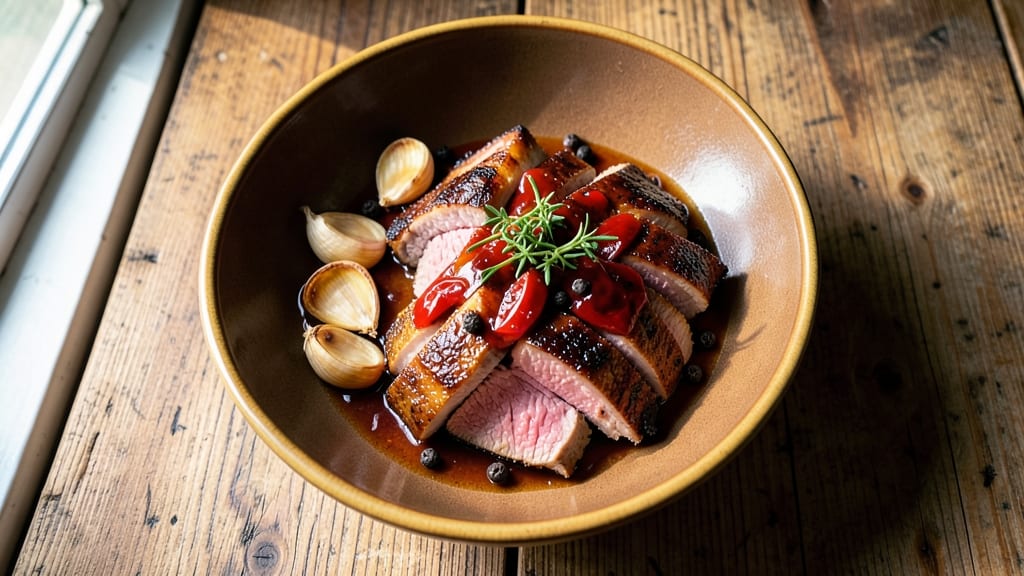
This pork pernil recipe transforms a simple cut into a showstopper with crispy edges and tender, juicy centers—just like the dish I first tasted at a Filipino family gathering in Charleston.
This recipe blends traditional slow-roasting techniques with my years of perfecting pork at The Smoky Pig, ensuring restaurant-quality results at home. The secret lies in the marinade and precise heat control, turning tough pork shoulder into melt-in-your-mouth perfection.
The process begins with a flavorful marinade of soy sauce, calamansi (or lime), garlic, and black pepper, which tenderizes the meat and builds a savory crust. Roasting at 325°F for hours allows the fat to render slowly, creating that signature crispy exterior while keeping the interior moist.
I’ve tested this recipe countless times, adjusting techniques to guarantee foolproof results every time—no guesswork, just guaranteed success.
What you’ll end up with is a dish that’s crispy on the outside, tender on the inside, and packed with deep, smoky flavors that make it the centerpiece of any meal. The aroma alone will have your guests anticipating the first bite, and the texture—crunchy, then succulent—is impossible to resist.
This is the kind of pork dish that feels like a celebration, whether you’re serving it at a family dinner or a holiday feast.
Scalable for any occasion, this recipe works just as well for a small gathering as it does for a crowd. Pair it with steamed rice and a simple green salad for a complete meal, or serve it as the star of a larger spread.
The key is patience—slow cooking is the only way to achieve that perfect balance of crispy and tender. Let’s get started on creating your own showstopping pork pernil.
Ingredients for pork pernil
Six ingredients transform tough pork into melt-in-your-mouth perfection—crispy outside, tender inside, just like Filipino family gatherings.
| Ingredient | Amount | Notes |
|---|---|---|
| Pork Shoulder 🥓 | 4 lb | Boneless, cut into 2-inch wedges |
| Soy Sauce 🍶 | ½ cup | Kosher or light variety preferred |
| Calamansi Juice 🍋 | ¼ cup | Substitute lime juice if unavailable |
| Garlic Cloves 🧄 | 8 cloves | Minced, fresh preferred |
| Black Peppercorns 🌶️ | 1 tbsp | Freshly cracked for best flavor |
| Brown Sugar 🍚 | ¼ cup | Light or dark, packed |
| Olive Oil 🫒 | ¼ cup | Extra-virgin for richness |
| Ground White Pepper 🌶️ | 1 tsp | For subtle peppery depth |
| Salt 🧂 | 1 ½ tsp | Kosher or sea salt |
| Bay Leaves 🍃 | 2 whole | Fresh or dried |
| Ground Cinnamon 🌿 | ½ tsp | Optional, for warmth |
| All-Purpose Flour 🌾 | ¼ cup | For coating wedges |
The pork shoulder is non-negotiable—look for well-marbled cuts at Whole Foods or your local butcher. If you can't find calamansi, lime juice works perfectly (it's what I use 90% of the time). The garlic should be fresh—pre-minced garlic loses flavor fast. For the peppercorns, crack them yourself with a mortar and pestle if you've got one; otherwise, a clean spice grinder works. Brown sugar adds just enough caramelization without overpowering the savory flavors. The olive oil? Use something fruity and high-quality—none of that cheap cooking oil stuff. And if you're feeling fancy, grab a few extra bay leaves at Trader Joe's—they keep for months in a cool, dark place.
No soy sauce? Coconut aminos or tamari work in a pinch, though the flavor will be slightly different. Short on calamansi or lime? Orange juice with a pinch of salt mimics the acidity. The flour is just for coating—cornstarch works too if you want extra crispiness. Want to skip the cinnamon? No problem, but it adds a subtle warmth that pairs beautifully with the pork. The black peppercorns are key—if you only have white pepper, use half the amount. And if you're prepping ahead, marinate the pork overnight for maximum tenderness. The wedges should be about 2 inches thick—any larger and the center won't cook through evenly.
This dish reheats beautifully—just 10 minutes at 350°F brings it back to life. Store leftovers in the fridge for 4 days, or freeze for up to 3 months (portion into single servings for easy reheating). The wedges crisp up again when reheated, so don't skip this step if you're serving seconds. For a crowd, double the recipe—it scales perfectly. And if you've got extra marinade, save it for dipping or use it to baste the pork during roasting. Trust me, every drop counts.
Why You'll Love This Recipe
- I swear by this combo: pork shoulder, soy sauce, and calamansi juice. That’s it. No fancy marinades or hours of prep—just those five things transform tough cuts into melt-in-your-mouth perfection. Honestly, the calamansi brightens everything up with almost no effort.
- Let’s be real: most roasted pork leftovers are sad. Not this. The flavors deepen overnight, so reheating it the next day tastes like a cheat meal. Plus, it’s budget-friendly—one pork shoulder feeds a family for days without breaking the bank.
Step-by-step instructions for slow-roasted pork pernil
Here's how to transform simple pork wedges into crispy, golden pernil with tender hearts.
Prepare the Pork Wedges for Maximum Crisp
Start by cutting the 4 lb pork shoulder into 2-inch wedges, making sure each piece has a good amount of fat attached. Pat them completely dry with paper towels—this is crucial for crispy skin. You'll see the fat start to glisten as you dry them thoroughly.
In a small bowl, mix together the 0.25 cup all-purpose flour, 1.5 tsp salt, 1 tbsp black peppercorns (freshly cracked), 1 tsp ground white pepper, 0.5 tsp ground cinnamon, and 2 whole bay leaves. This dry rub will create the perfect balance of savory and aromatic flavors. Coat each pork wedge generously with this mixture, pressing it into the meat so it adheres well.
Marinate for Deep Flavor Infusion
In a large bowl, combine the 0.5 cup soy sauce, 0.25 cup calamansi juice (or lime juice), 0.25 cup brown sugar, 0.25 cup olive oil, and the 8 cloves minced garlic. This marinade will tenderize the meat and add that signature sweet-savory depth. Place the coated pork wedges in the marinade, turning them to ensure they're fully coated. Cover and refrigerate for at least 4 hours, or overnight for even better results.
Here's the thing—don't skip the marinating time. The acid in the calamansi juice and soy sauce breaks down the meat fibers, while the sugar and oil create that beautiful caramelized crust during roasting. You'll notice the pork absorbs the marinade and becomes more vibrant in color.
Roast Until Crispy and Golden
Preheat your oven to 325°F. Arrange the marinated pork wedges on a wire rack set over a baking sheet, leaving space between each piece so they can crisp up properly. This rack setup is key—it allows hot air to circulate around the wedges, ensuring even cooking and that coveted crispy exterior.
Roast for 2 hours to 2 hours 15 minutes, or until the internal temperature reaches 195°F and the edges are deep golden brown with crispy skin. I like to check the temperature with a meat thermometer inserted into the thickest part of a wedge. If the skin isn't crispy enough after this time, broil for 2-3 minutes at the end—just watch it closely to avoid burning.
Rest and Serve with Fluffy Hearts
Once the pork reaches the perfect internal temperature, remove it from the oven and let it rest for 15 minutes before serving. This resting period is where the magic happens—the juices redistribute throughout the meat, ensuring each bite is moist and flavorful. You'll notice the pork becomes even more tender as it rests.
As you serve the crispy wedges, you'll find the centers remain wonderfully tender and juicy, creating that perfect contrast with the crispy exterior. The marinade's flavors will be concentrated on the surface, giving you that delicious balance in every bite. Garnish with extra minced garlic if you like, and serve with steamed rice to soak up all that delicious juices.
Pro Tips For Making Pork Pernil
- Score the Shoulder: Use a sharp knife to cut shallow slashes (about ½-inch deep) across the fat cap of the pork shoulder—don’t go too deep, or you’ll lose juices. This lets the marinade (soy + calamansi) penetrate faster and gives you crispy edges when roasted. I used to skip this, and the meat always felt dense.
- Toast the Garlic: Crush the garlic cloves first, then dry-toast them in a hot pan with the black peppercorns until fragrant (about 30 seconds). This deepens their flavor way more than raw garlic ever could—just don’t let them burn, or you’ll taste bitterness. Works even better if you grind them slightly after toasting.
- Don’t Rush the Rest: After roasting, let the pork shoulder rest for at least 15 minutes under foil before slicing. I know, it’s tempting to cut into it right away, but the juices will pool on your plate instead of staying in the meat. Trust me, the slices will be juicier if you wait.
- Marinate Overnight (Minimum): The soy and calamansi need time to tenderize the pork—at least 4 hours, but overnight is ideal. I’ve tried rushing it, and the flavor just isn’t as bright. If you’re short on time, slice the pork thinner (½-inch) to speed up absorption, but don’t skip the marinade entirely.
Creative variations of this recipe
Filipino-Style Lechon Kawali
For a true taste of the Philippines, transform your pernil into lechon kawali by adding 1 cup coconut milk to the marinade and roasting the wedges at 350°F instead of 325°F.
After roasting, baste the pork with the reserved marinade mixed with 2 tbsp soy sauce and 1 tbsp brown sugar for a glossy, caramelized finish. Serve with sinigang (Filipino tamarind soup) for a complete fiesta experience. 🌶️
Spanish-Style Cochinillo
Inspired by Spanish tapas, this version uses suckling pig (if available) instead of pork shoulder, marinated in white wine, rosemary, and garlic for just 2 hours before roasting at 400°F for 1 hour.
The high heat creates a crackling skin, while the wine adds a bright acidity that cuts through the richness. Garnish with fresh rosemary sprigs for an elegant touch.
Caribbean Jerk-Inspired Twist
Add a Caribbean flair by mixing 2 tbsp jerk seasoning (store-bought or homemade with allspice, thyme, and Scotch bonnet) into the marinade. Roast the wedges at 300°F for 3 hours to develop deep smoky flavors, then finish under the broiler for 3 minutes to crisp the skin.
Serve with mango salsa and plantain chips for a fusion feast that’ll transport your guests to the islands. 🌴
Honey-Glazed Asian Fusion
Swap the brown sugar for ½ cup honey and add 1 tbsp grated ginger and 1 tbsp sesame oil to the marinade. Roast as directed, then brush the wedges with a glaze of ¼ cup honey and 1 tbsp soy sauce during the last 15 minutes.
The result? A sticky, caramelized crust with a subtle umami depth. Pair with steamed jasmine rice and quick-pickled cucumbers for balance.
Smoky BBQ Competition Style
For a showstopper at your next cook-off, smoke the wedges in a pellet grill at 250°F for 4 hours using hickory or applewood pellets, then finish in the oven at 450°F for 10 minutes to crisp.
Baste with a BBQ sauce (I love Sticky Fingers) mixed with 1 tbsp vinegar for tang. The low-and-slow smoke infuses the meat with deep, woodsy notes that’ll have judges reaching for their scorecards. 🔥
Herb-Crusted Mediterranean
For a lighter, herb-forward take, coat the wedges in a mix of ½ cup breadcrumbs, 2 tbsp chopped parsley, 1 tbsp chopped mint, 1 tsp dried oregano, and 1 tsp lemon zest before roasting.
The herbs add freshness that brightens the rich pork, while the breadcrumbs create a golden, textured crust. Serve with tzatziki and roasted Mediterranean vegetables for a Mediterranean-inspired spread.
Nutrition facts
Frequently asked questions
Can I use pork shoulder substitutes like pork loin or pork butt?
Pork shoulder is ideal for this recipe because of its fat content, which creates that signature crispy exterior while keeping the interior tender. Pork loin is leaner and will dry out—it's better for quick-cooking methods like grilling. Pork butt (Boston butt) works in a pinch, but trim excess fat to prevent greasiness. For best results, stick with pork shoulder or pork tenderloin cut into 1.5-inch wedges.
How do I fix pork pernil that's too dry or not crispy enough?
If the pork is dry, it likely didn’t rest long enough or was overcooked. Always let it rest for 15 minutes before serving. For crispiness, roast at 325°F for the full 2 hours—don’t rush it! If the skin isn’t crispy, broil for 2-3 minutes at the end (watch closely to avoid burning). For extra moisture, baste with the reserved marinade during roasting.
Can I make pork pernil in an air fryer for a quicker version?
Preheat the air fryer to 375°F and cook the wedges in batches for 12-15 minutes, flipping halfway, until the internal temp reaches 195°F and the edges are golden. The air fryer speeds up the process but may not get as crispy as oven-roasting. For extra crispiness, spray with olive oil and broil for 2 minutes at the end.
What’s the best way to store and reheat leftovers?
Store leftovers in an airtight container in the fridge for up to 4 days or freeze for 3 months. To reheat, place wedges on a baking sheet and warm at 350°F for 10-12 minutes until crispy again. Avoid microwaving—it ruins the texture! For extra crispiness, broil for 1-2 minutes after reheating.
How do I adjust this recipe for a crowd or smaller gatherings?
This recipe scales perfectly! For a crowd, double the marinade and use 8-10 lb pork shoulder, roasting in batches. For smaller groups, reduce to 2 lb pork and cut wedges into 1.5-inch pieces. The key is maintaining the same 2-inch wedge thickness for even cooking. Use a larger roasting pan or two smaller ones to avoid overcrowding.