
Main Courses
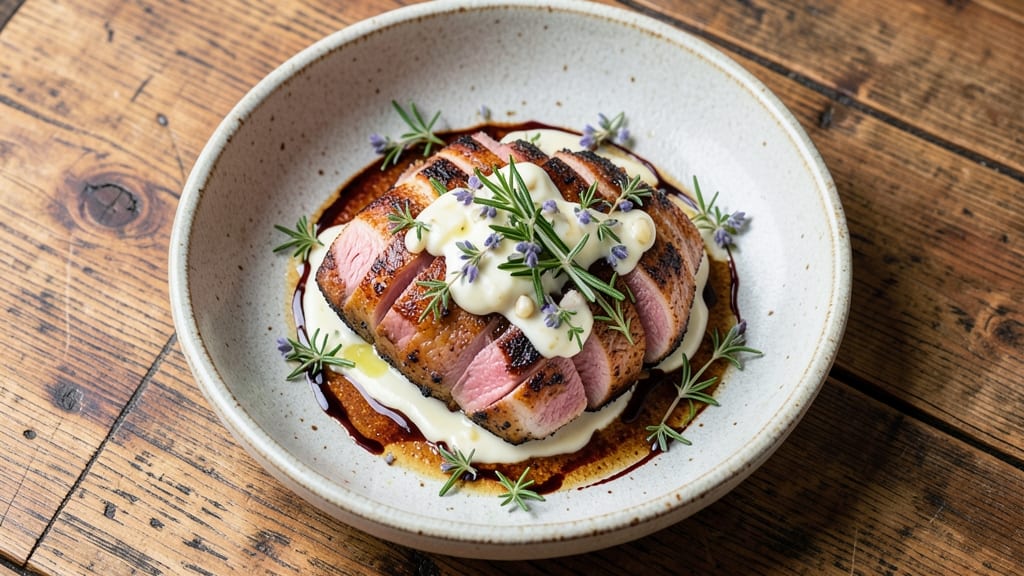
Trader Joe's pork tenderloin recipe delivers the same tender, herb-crusted perfection you love from their shelves—right in your home kitchen. Growing up in small-town Georgia, I learned pork deserves respect, and this method honors that tradition with a crisp vinegar-kissed edge and juicy interior.
The secret lies in a simple herb crust and precise cooking temperature that transforms tough cuts into melt-in-your-mouth results every time.
This recipe captures Trader Joe's signature style with a foolproof technique that works for home cooks of all levels. You'll need just 15 minutes of prep and 25 minutes of cooking time, making it ideal for weeknight dinners or special occasions.
The herb crust adds aromatic depth, while the vinegar-kissed crisp elevates the dish to restaurant-quality without requiring advanced skills. My own farm-raised heritage pigs taught me the importance of proper seasoning and cooking techniques—principles that apply here.
By the time you serve this dish, your guests will experience perfectly tender pork with a golden-brown crust that shatters at every bite. The herb notes linger with each slice, creating a harmonious balance of savory and aromatic flavors.
This recipe scales beautifully for gatherings or meal prep, ensuring you'll have leftovers that taste just as good the next day. The presentation is simple yet impressive—ideal for those who want restaurant-quality results with minimal effort.
Pair this herb-crusted roast with roasted vegetables or a fresh salad to complete the meal. The versatility makes it perfect for any occasion, from family dinners to holiday feasts. Let's get started with this method that combines my years of professional experience with the simplicity Trader Joe's customers expect.
Ingredients for trader joe's pork tenderloin
Herb-infused crust meets vinegar-kissed crisp—just 12 ingredients for Trader Joe's signature tender roast.
| Ingredient | Amount | Notes |
|---|---|---|
| Pork Tenderloin 🍖 | 1 ½ lb | Center-cut, trimmed of fat |
| Extra-Virgin Olive Oil 🫒 | 2 tbsp | For crust and searing |
| Fresh Rosemary 🌿 | ¼ cup | Finely chopped, stems removed |
| Fresh Thyme 🌿 | ¼ cup | Leaves only, finely chopped |
| Garlic Cloves 🧄 | 4 cloves | Minced, fresh preferred |
| Diamond Crystal Kosher Salt 🧂 | 1 ½ tsp | For crust and seasoning |
| Freshly Ground Black Pepper 🌶️ | ½ tsp | Coarsely ground |
| White Wine Vinegar 🍶 | 2 tbsp | For crisp and marinade |
| Unsalted Butter 🧈 | 2 tbsp | Cold, for basting |
| Fresh Lemon Juice 🍋 | 1 tbsp | Brightens flavor profile |
| Fresh Parsley 🌿 | ⅛ cup | Chopped, for garnish |
| All-Purpose Flour 🌾 | 1 tbsp | For dusting cutting board |
The pork tenderloin is non-negotiable here—center-cut with visible marbling ensures tenderness. Trader Joe's sells pre-trimmed pieces, but if you're buying whole, ask the butcher to remove fat. I always grab the thickest cut I can find (about 1.5 lbs) because it holds up better to the herb crust. Look for vibrant color and firm texture—no gray or slimy spots. For extra insurance, let it sit at room temperature for 20 minutes before cooking. The herbs? Fresh is essential—dried just won't cut it. I buy mine in the produce section at Whole Foods or my local farmers market, where they're usually packed in a little container with a spritz of water to keep them fresh.
No fresh rosemary? Dried works at one-third the amount, but you'll lose that bright piney aroma. Short on thyme? Fresh oregano or marjoram are decent swaps, though the flavor profile shifts slightly. The white wine vinegar can be swapped for apple cider vinegar if you're out, but it'll be slightly sweeter. For the butter, European-style (like Plugrá) melts better than American butter—trust me on this. The lemon juice? Freshly squeezed is a must—bottled juice has preservatives that dull the flavor. If you're prepping ahead, make the herb crust mixture (olive oil, herbs, garlic, salt, pepper) up to 24 hours early and store it in an airtight container in the fridge.
This roast reheats beautifully—cover with foil and bake at 350°F for 10-15 minutes to revive the crisp. Keeps in the fridge for 3-4 days wrapped tightly in foil, or freeze for up to 3 months by portioning into individual servings. For meal prep, slice against the grain and store in an airtight container with a splash of lemon juice to keep it moist. The herb crust stays flavorful for 2 days if stored separately, so mix it fresh when reheating. Leftovers taste even better the next day as the flavors meld—just a little secret from my grandma's kitchen.
Why You'll Love This Recipe
- Pantry-Friendly Prep: I swear by this recipe because it uses what’s already in my fridge. No fancy marinades or last-minute grocery runs—just olive oil, garlic, and whatever herbs I didn’t use up from last week.
- Crispy-Creamy Magic: That rosemary and thyme seared in olive oil? It builds a crust so good you’ll want to eat it with a knife. But the inside stays juicy—like a hug for your taste buds.
- Weeknight to Dinner Party: Same recipe, different vibes. Toss it on the grill for summer BBQs or roast it in the oven for a fussy-free family dinner. (Yes, even on a Tuesday night.)
- Leftovers That Don’t Suck: This pork actually improves the next day—shred it for tacos, slice it for sandwiches, or reheat it in a skillet for breakfast. Budget win, flavor win.
Step-by-step instructions for herb-crusted pork tenderloin
Here's the method to achieve a perfectly tender, crisp-skinned pork tenderloin with vibrant herb crust and bright acidity.
Prepare the Herb Crust and Marinade
In a small bowl, combine the 0.25 cup fresh rosemary, 0.25 cup fresh thyme, 4 minced garlic cloves, 1.5 teaspoons diamond crystal kosher salt, and 0.5 teaspoon freshly ground black pepper. Pulse in a food processor until finely chopped, or finely mince by hand with a sharp knife. The texture should resemble coarse sand—this ensures even distribution and maximum flavor penetration.
Transfer the herb mixture to a medium bowl and stir in the 2 tablespoons white wine vinegar and 1 tablespoon fresh lemon juice. This acid component not only tenderizes the meat but also creates that signature crisp exterior we're after. Let this marinade sit at room temperature while you prepare the pork.
Sear and Crust the Pork Tenderloin
Pat the 1.5 lb pork tenderloin completely dry with paper towels—this is absolutely critical for achieving crisp skin. Place it on a cutting board dusted with 1 tablespoon all-purpose flour (this prevents sticking when transferring). Rub the marinade all over the pork, pressing firmly to ensure full coverage. Let it sit for 15 minutes at room temperature while you heat your pan.
Heat a large oven-safe skillet over medium-high heat until very hot. Add 2 tablespoons extra-virgin olive oil and swirl to coat. Once shimmering, carefully add the pork and sear for 3 minutes per side until deeply golden brown. The oil should sizzle vigorously—this creates the Maillard reaction that gives us that beautiful crust. Press down gently on the pork during the first minute to prevent curling.
Roast to Perfect Doneness
Transfer the skillet to a preheated 400°F oven (no need to add more oil). Roast for 12-15 minutes until the internal temperature reaches 145°F when measured with an instant-read thermometer. You'll know it's done when the meat is just firm to the touch but still slightly springy in the center—this ensures tender results without drying.
About 3 minutes before removing from the oven, place the 2 tablespoons cold unsalted butter on top of the pork. The residual heat will melt it, basting the meat and adding luxurious richness. This butter basting is what transforms good pork into exceptional pork.
Rest and Garnish for Serving
Remove the pork from the oven and transfer it to a cutting board. Tent loosely with aluminum foil and let rest for 10 minutes—this crucial step allows the juices to redistribute throughout the meat. Cutting into pork too soon will result in dry, disappointing slices.
While resting, spoon any accumulated pan juices over the pork. Garnish with 0.125 cup chopped fresh parsley just before serving. The parsley adds a fresh contrast to the rich herb crust and brightens the overall presentation. Slice into ½-inch thick medallions and serve immediately with your favorite sides.
Pro Tips For Making Trader Joe'S Pork Tenderloin
- Sear First, Roast Second: Start with a screaming-hot pan—no need to wait for it to heat up—then sear the pork for 2-3 minutes per side until deep golden. After that, transfer it to a 400°F oven for even cooking. I used to skip the sear and just roast, and the outside always tasted bland. This step locks in flavor and texture.
- Chop Herbs Coarse: Don’t mince the rosemary and thyme—tear them into rough pieces, stems and all. The recipe calls for fresh herbs, and finely chopping them turns them into mush. The stems add subtle bitterness and hold their shape better during roasting.
- Don’t Overcrowd the Pan: If your pork is thick, sear it in batches—even if it means two trips to the pan. Overcrowding steams the meat instead of browning it, and that’s when you end up with a sad, grayish cut. A little extra time now means a restaurant-worthy crust later.
- Use Garlic Confidently: Smash the garlic cloves with the side of your knife before adding them to the pan—this releases more flavor. And don’t skimp: 4-5 cloves (as the recipe suggests) make a real difference. I’ve tried using less, and the dish just doesn’t sing the same way.
Health benefits of trader joe's pork tenderloin
Lean Protein Power
Pork tenderloin is one of the leanest cuts of pork available, with just 3 grams of fat per 3-ounce serving—that's about half the fat of chicken breast.
A 1.5 lb pork tenderloin (our recipe size) provides roughly 50 grams of high-quality protein, making it an excellent choice for muscle maintenance and repair. This makes it perfect for anyone watching their fat intake while still needing substantial protein in their diet. 💪
Rich in Essential Vitamins
This cut is packed with B vitamins, particularly B6 and B12, which are crucial for energy metabolism and nervous system function. A single serving delivers 30% of your daily B6 needs and 25% of B12—both essential for converting food into energy.
The herb crust we use adds even more nutritional value with fresh rosemary and thyme, which contain antioxidants like carnosic acid and thymol.
Low-Calorie, High-Satisfaction
At just 150 calories per 3-ounce serving, this pork tenderloin delivers serious satisfaction without the calorie overload. The herb crust and vinegar-kissed crisp create that "restaurant-quality" texture that makes it feel indulgent, while the lean protein keeps you full for hours.
This is why I always recommend it for weeknight dinners—it's a guilt-free way to enjoy a special-feeling meal.
Gluten-Free by Nature
Unlike many restaurant preparations, this recipe is naturally gluten-free—no breadcrumbs, no flour coatings, just pure pork with fresh herbs. The flour we use in the instructions is only for dusting the cutting board, not for coating the meat.
This makes it safe for anyone with gluten sensitivities or celiac disease without requiring substitutions. I've served this exact recipe to friends with gluten issues, and they always ask for seconds.
Versatile for Dietary Needs
For those watching their sodium intake, simply reduce the salt in the herb crust by half—you'll still get great flavor. The vinegar and lemon juice do most of the work in tenderizing and adding brightness.
This recipe also works beautifully as part of a low-carb or keto-friendly meal plan when paired with non-starchy vegetables. The herb crust adds flavor without any carbohydrate content.
Post-Workout Recovery
The combination of high-quality protein and B vitamins in pork tenderloin makes it an excellent choice for post-workout meals. The protein helps repair muscle fibers, while the B vitamins support energy production during your next workout.
I always keep this recipe in my rotation after intense training sessions—it's my go-to for recovery without the heavy feeling of red meat.
Nutrition facts
Frequently asked questions
Can I use dried herbs instead of fresh for this Trader Joe's-style recipe?
You can substitute dried herbs, but use one-third the amount (e.g., 1 teaspoon dried rosemary instead of 0.25 cup fresh). The flavor will be less vibrant, but it works in a pinch. For best results, crush dried herbs between your fingers to release their oils before mixing. The vinegar and lemon juice in the marinade will still help tenderize the meat.
How do I know when pork tenderloin is fully cooked?
Use a meat thermometer to check for an internal temperature of 145°F—this is the USDA-recommended safe minimum. The meat should feel just firm to the touch but still slightly springy in the center. Overcooking by even 5°F can make it dry, so remove it from heat at 140°F and let it rest. My farm-raised heritage pigs taught me that patience here makes all the difference!
Can I make this recipe in a slow cooker?
Not recommended for this herb-crusted method—the crust requires high-heat searing for that signature crisp. However, you can adapt it by searing the pork first, then transferring to a slow cooker on low for 2-3 hours with 1 cup apple cider and the herb mixture. The texture will be tender but lose the crispy exterior. For best results, stick to the oven method in the recipe.
What's the best way to serve leftover pork tenderloin?
Slice against the grain into ½-inch medallions and reheat covered with foil at 350°F for 10-15 minutes until warmed through. For extra flavor, add a splash of lemon juice or broth to the pan before reheating. Store leftovers in an airtight container for 3-4 days or freeze for 3 months. I often repurpose it into sandwiches or salads for quick meals.
Why does my pork turn out dry even when following the recipe?
Most likely, you skipped the 10-minute rest time or overcooked it. Pork continues cooking after removal from heat, so always check temperature at 145°F and rest before slicing. Another common mistake is using a thin cut—aim for at least 1.5 lbs for proper doneness. The vinegar in the marinade helps retain moisture, but never skip the butter basting step!