
Main Courses
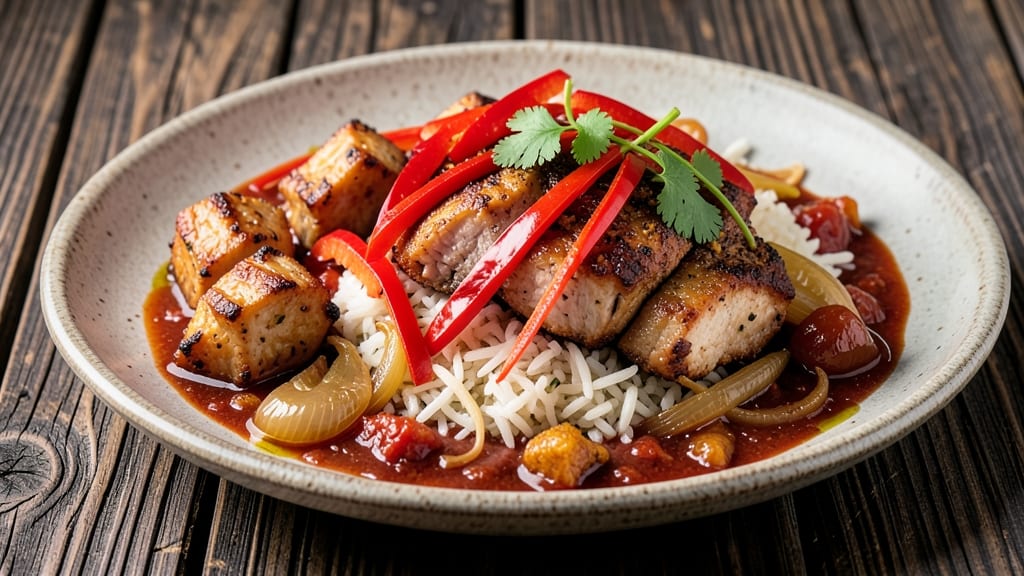
This pork picadillo recipe transforms humble ingredients into a rich, spiced tomato-rice stew where tender pork bites melt in your mouth. Growing up in small-town Georgia, I learned how pork could turn simple meals into family gatherings, and this dish captures that same warmth.
The sofrito base—tomatoes, onions, and peppers—builds deep flavor while the pork simmers until fork-tender, creating a dish that feels both comforting and sophisticated.
The secret lies in slow cooking the pork until it's so tender it nearly falls apart, then combining it with aromatic rice and a vibrant tomato sauce. This method delivers restaurant-quality results without requiring hours at the stove.
I've perfected it over years of cooking for crowds at The Smoky Pig, where we serve this as a centerpiece dish that always disappears first.
What you'll end up with is a hearty stew where each bite offers layers of flavor—smoky pork, caramelized vegetables, and a sauce that's both tangy and sweet. The rice absorbs the rich juices, making every mouthful satisfying.
This is the kind of dish that tastes even better the next day, as flavors meld and deepen with time.
Serve it with crusty bread to soak up every last drop of sauce or alongside a simple green salad for balance. The technique is straightforward, but the result is unforgettable—just like the meals I shared with my family back in Georgia. Let's get cooking!
Ingredients for pork picadillo
Simple ingredients that build layers of smoky, spiced flavor—just like Grandma used to make.
| Ingredient | Amount | Notes |
|---|---|---|
| Pork Shoulder 🥩 | 2 ½ lb | Bone-in for extra flavor |
| Yellow Onions 🧅 | 2 whole | Diced into small pieces |
| Red Bell Peppers 🌶️ | 2 whole | Diced, seeds removed |
| Garlic Cloves 🧄 | 6 cloves | Minced for aromatic base |
| Canned Tomato Sauce 🍅 | 2 cups | San Marzano preferred |
| Long-Grain White Rice 🍚 | 1 ½ cups | Uncooked, converted |
| Chicken Broth 💧 | 1 ½ cups | Low-sodium preferred |
| Ground Cumin 🌿 | 1 tbsp | Toasted for depth |
| Dried Oregano 🍃 | 1 tsp | Mexican oregano ideal |
| Bay Leaves 🌿 | 2 whole | Removed before serving |
| Olive Oil 🫒 | ½ cup | Extra-virgin for richness |
| Salt 🧂 | 1 ½ tsp | Adjust to taste |
| Black Pepper 🌶️ | ½ tsp | Freshly ground |
| Cayenne Pepper 🔥 | ¼ tsp | Optional for heat |
| Fresh Cilantro 🌿 | ¼ cup | Chopped for garnish |
The pork shoulder is non-negotiable here. Look for well-marbled cuts at your local butcher—it's worth the extra few cents. I always grab mine from Costco when I'm feeding a crowd, but the regular grocery store stuff works fine for a weeknight. The key is letting it cook low and slow until it's fork-tender. San Marzano tomato sauce makes all the difference—it's sweeter and less acidic, which balances the spices perfectly. If you can't find it, any high-quality canned tomato sauce will do, but don't use the watery kind from the back of the shelf.
No cumin? Smoked paprika at half the amount works in a pinch, though it won't be quite the same. Fresh cilantro is ideal for garnish, but dried oregano at one-third the amount keeps the dish on track. The bell peppers can be any color—red, yellow, or green—but make sure they're fresh. Pre-cut veggies from the store save time, but they're pricier. If you're in a hurry, those frozen diced peppers and onions work too. The rice? Jasmine or basmati adds a nice aroma, but long-grain white is classic for this dish.
This tastes even better the next day—double the batch and freeze half for lazy nights. Store leftovers in the fridge for 4-5 days or freeze for up to 3 months. I like to portion it into containers with a little extra sauce on top so it reheats beautifully. The flavors deepen overnight, so don't skip the next-day serving if you can help it.
Why You'll Love This Recipe
- One-Pan Magic: I swear by this recipe when I’m too tired to wash extra dishes. The pork shoulder slow-cooks right in the sauce with the peppers and onions—no stovetop juggling, just one pan to scrub.
- Sweet-Savory Balance: That caramelized onion and bell pepper combo? It’s like a party in your mouth. The smoky pork shoulder soaks up the tomato sauce, but the sweetness from the peppers keeps it from getting heavy.
- Meal Prep MVP: I make a double batch on Sundays because it reheats like a dream—no soggy textures, just rich, tender bites. Perfect for lunches or when I’m too wiped to cook after work.
- Budget-Friendly Feast: Pork shoulder is cheap, canned tomato sauce lasts forever, and bell peppers stretch the filling factor. Plus, it’s hearty enough to feed four for under $15—no fancy ingredients, just pure satisfaction.
Step-by-step instructions for pork picadillo recipe
Here's how to create this rich, spiced tomato-rice stew with perfectly tender pork bites.
Brown the Pork Shoulder for Maximum Flavor
Cut the 2.5 lb pork shoulder into 1-inch cubes for even cooking. Heat the 0.5 cup olive oil in a large Dutch oven over medium-high heat until shimmering. Working in batches to avoid crowding, add the pork cubes and sear for 3-4 minutes per side until golden brown. You want that deep caramelization to develop - don't rush this step or the pork will steam instead of brown.
As the pork browns, remove it from the pot and set aside. This initial searing builds the foundation for all that rich flavor that will infuse throughout your picadillo. The pork should release easily from the pan when ready to flip - if it sticks, your oil isn't hot enough and needs another minute to properly heat up.
Sauté the Aromatic Vegetables
In the same Dutch oven, add the diced 2 whole yellow onions and 2 whole red bell peppers. Cook for 5-6 minutes until the onions soften and the peppers begin to release their juices. Stir occasionally to prevent burning - you're looking for a deep golden color rather than charred spots.
Add the 6 minced garlic cloves and cook for another 30 seconds until fragrant. This quick cooking preserves the garlic's sweetness rather than letting it turn bitter. The vegetables should be tender but still retain some bite - they'll continue cooking throughout the stew's preparation. Here's where all those beautiful flavors start to meld together.
Build the Spiced Tomato Base
Stir in the 1 tbsp ground cumin, 1 tsp dried oregano, 1.5 tsp salt, 0.5 tsp black pepper, and 0.25 tsp cayenne pepper. Cook for 30 seconds to toast the spices and release their essential oils. Add the 2 cups canned tomato sauce and 1.5 cups chicken broth, scraping up any browned bits from the bottom of the pot.
Return the browned pork to the pot and add the 1.5 cups uncooked long-grain white rice and 2 whole bay leaves. Bring everything to a gentle boil, then immediately reduce heat to low. This is where the magic happens - the rice will absorb the flavors while cooking slowly in the liquid. Let it simmer uncovered for 30 minutes, stirring occasionally.
Simmer Until Tender and Flavorful
After the initial 30 minutes, check the pork for tenderness. It should be fork-tender with no resistance when pierced. If it needs more time, continue simmering for another 15-20 minutes, adding small amounts of water if the mixture becomes too dry. The rice should be tender but still have a slight bite - it will finish cooking as it absorbs the remaining liquid.
Remove the 2 bay leaves and taste the stew. Adjust seasoning if needed - you might need a bit more salt or cayenne to reach your preferred level of heat. The picadillo should have a thick, rich consistency with tender pork pieces and perfectly cooked rice throughout. Let it rest for 5 minutes before serving to allow the flavors to fully meld.
Finish and Serve with Fresh Cilantro
Garnish with the 0.25 cup chopped fresh cilantro just before serving. The bright herb cuts through the rich flavors of the stew and adds a fresh finish. Serve immediately while hot, with warm tortillas or crusty bread on the side. Each bite should deliver perfectly tender pork, flavorful tomato sauce, and aromatic rice all in one delicious package.
This dish tastes even better the next day as the flavors continue to develop, so it makes great leftovers too. The pork will continue to tenderize, making every subsequent bite even more satisfying. Enjoy your homemade pork picadillo - it's a true comfort food experience!
Pro Tips For Making Pork Picadillo
- CRISP THE PEPPERS FIRST: Toss sliced red bell peppers in a dry skillet for 2-3 minutes before adding onions—just until they soften and release their juice. This prevents them from turning mushy later when simmering in the tomato sauce, and it concentrates their sweetness. (Yes, even if you’re impatient like me, resist the urge to skip this.)
- SWEAT THE ONIONS LOW AND SLOW: After browning the pork shoulder, reduce heat to medium-low and cook the onions for 10-12 minutes until deeply golden, not just translucent. Burnt onions make the whole dish taste bitter, and properly caramelized ones add depth that canned sauce alone can’t match. Think of it as the flavor foundation—don’t rush it.
- CHUNK THE PORK SHOULDER: Cut the pork into 1.5-inch cubes before cooking, not thin strips. Larger pieces stay juicier and render fat more evenly, which self-bastes the meat as it cooks. If you’re worried about doneness, pull it at 195°F internal temp—it’ll finish in the sauce.
- USE FRESH GARLIC, BUT MINCE IT SMALL: Fresh garlic cloves add a punch canned sauce can’t replicate, but whole cloves burn fast. Mince them into tiny pieces (almost a paste) so they blend into the sauce without turning bitter. (I learned this the hard way after biting into a charred clove in my first batch.)
Common mistakes when making your pork picadillo
Skipping the Sear
One of the biggest mistakes I see is skipping the pork sear entirely. That golden crust isn't just for looks—it develops the Maillard reaction, which creates deep, complex flavors.
If you're in a rush and just toss the raw pork into the pot with everything else, you'll end up with bland, gray pork that lacks texture and depth.
I've learned this the hard way—once I tried making this for a crowd and skipped the sear, and the results were disappointing. 🔥
Overcrowding the Pan
When searing the pork, don't try to cook all the pieces at once. Crowding the pan causes the temperature to drop, leading to steamed pork instead of seared. Work in batches of 4-6 pieces at a time, giving each piece space to develop that perfect crust.
I use a 12-inch cast-iron skillet for this step, and it fits just enough pork to get a good sear without overcrowding. Trust me, this small step makes a huge difference in flavor.
Ignoring the Sofrito Base
The sofrito—those sautéed onions, peppers, and garlic—is the flavor foundation of picadillo. If you rush this step or skip it entirely, your dish will lack depth and complexity. Cook the vegetables until they're soft but not mushy, and let that garlic cook just until fragrant.
I once made this for a dinner party and used pre-chopped frozen veggies straight from the bag—it was a disaster. Fresh, properly cooked vegetables make all the difference. 🌶️
Underestimating Cook Time
Pork shoulder needs patience. If you pull it out as soon as it reaches 165°F, it'll be tough and chewy. Let it cook until it's fork-tender, which can take 1.5-2 hours depending on your heat level.
I've seen home cooks walk away from the stove and come back too soon, ruining what could have been a perfect dish. Use a meat thermometer—it's worth the investment. The pork should fall apart easily when pierced.
Adding Rice Too Early
Adding the rice right at the beginning can turn your stew into a mushy mess. The rice needs to cook slowly in the liquid, absorbing flavors as it goes. If you add it too soon, it'll turn to paste before the pork is tender.
Instead, let the pork and sauce simmer together first, then add the rice and cook it just until tender. I learned this the hard way when I was still learning—now, I always add the rice after the pork has had time to develop flavor. ✨
Skipping the Rest
Finally, never skip the 5-10 minute rest before serving. This lets the juices redistribute, making every bite more flavorful. I've seen people serve picadillo straight from the pot, and it's always less satisfying. Give it that short rest, and you'll notice the difference in texture and flavor.
It's a small step that makes a big impact—just like the ones my grandma taught me growing up in Georgia. 💫
Nutrition facts
Frequently asked questions
Can I use ground pork instead of pork shoulder?
While you can substitute ground pork, the texture will be different. Ground pork cooks much faster and won't develop the same tender, pull-apart quality. For best results, stick with pork shoulder cut into 1-inch cubes. If you must use ground pork, reduce the cook time by 20-30 minutes and add it after the vegetables have softened.
What's the best way to make this in a slow cooker?
Transfer the browned pork and sautéed vegetables to your slow cooker, then add all remaining ingredients. Cook on low for 6-7 hours or high for 3-4 hours. The rice will absorb the liquid naturally, so you may need to add ½ cup water if it looks too dry. Stir occasionally to prevent sticking.
How can I make this dish vegetarian?
Replace the pork with 1.5 cups of hearty mushrooms (like portobello or cremini) or 1 lb of chickpeas. For extra protein, add 1 cup of lentils or crumbled tofu. Keep the cooking time similar but check for doneness earlier. The tomato-rice base will still shine with these substitutions.
Why does my picadillo taste too acidic?
This usually happens when using low-quality tomato sauce or adding too much citrus. Balance the acidity by adding 1 tsp sugar or ½ tsp baking soda (just a pinch!) to neutralize it. For prevention, use San Marzano tomatoes and reduce the sauce slightly before adding it back to the pot.
Can I make this ahead of time for meal prep?
This dish tastes even better the next day. Cook it completely, then refrigerate for up to 5 days or freeze for 3 months. Reheat gently on the stove with a splash of water or broth to restore moisture. The flavors deepen over time, making it perfect for busy weeknights.