
Main Courses
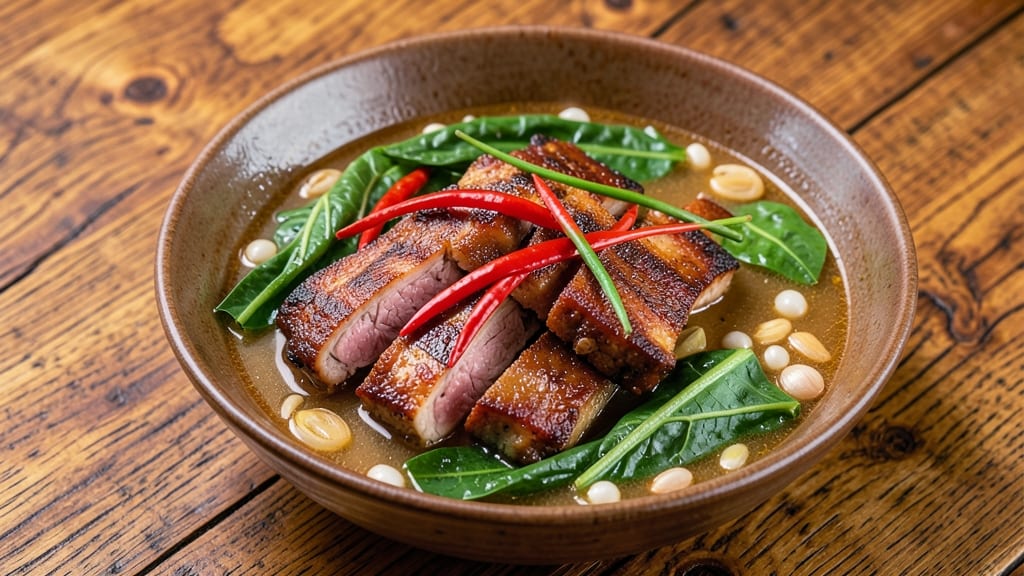
This pork ribs sinigang with gabi recipe brings the vibrant flavors of Filipino comfort food to your table—where tangy tamarind broth meets the earthy sweetness of gabi (taro leaves) in a single, unforgettable dish. 🌟 Growing up in Georgia, I learned early that pork transforms into something extraordinary when slow-cooked with the right balance of sour and savory, and this recipe is my homage to that tradition, elevated with Filipino technique.
The magic lies in the tamarind-based broth, which takes time to develop its signature sour depth, but I’ve included a modern shortcut using pre-made sinigang mix for those who want restaurant-quality results without hours of preparation.
The ribs themselves benefit from a simple yet effective marinade that keeps them tender, while the gabi leaves add a unique, slightly bitter contrast that cuts through the richness.
What you’ll achieve is a dish that’s both deeply comforting and strikingly complex—golden-brown ribs with fall-off-the-bone tenderness, a broth so tangy it wakes up your palate, and gabi leaves that soften into silky ribbons.
This isn’t just a meal; it’s an experience that transports you straight to a bustling Filipino market, where the air is thick with the scent of simmering soups and fresh vegetables.
Serve this with steamed rice and a side of pickled vegetables to balance the sourness, or let it stand alone as a hearty, flavor-packed main. The best part?
Once you master the broth, you can adapt it for other dishes like sinigang na hipon (shrimp) or even a lighter vegetable version.
Ingredients for pork ribs sinigang with gabi
Rich pork ribs, tangy tamarind broth, and silky gabi leaves create this Filipino masterpiece.
| Ingredient | Amount | Notes |
|---|---|---|
| Pork Ribs (St. Louis Style) 🥩 | 4 lb | Bone-in, skin-on preferred |
| Sinigang Mix (Pre-Made) 🍋 | ½ cup | Or homemade tamarind paste |
| Gabi Leaves (Taro Leaves) 🌿 | 1 lb | Fresh, blanched and chopped |
| Garlic Cloves 🧄 | 8 cloves | Minced for marinade and broth |
| Shallots 🧅 | 2 whole | Thinly sliced for broth |
| Long Green Chilies 🌶️ | 4 whole | Stemmed and chopped for heat |
| Potatoes 🥔 | 2 lb | Cubed, for broth base |
| Daikon Radish 🥕 | 1 lb | Julienned for texture |
| Fish Sauce 🍣 | ½ cup | High-quality for umami depth |
| Soy Sauce 🧂 | ¼ cup | For savory balance |
| Brown Sugar 🍚 | ¼ cup | For caramelized sweetness |
| Water 💧 | 8 cups | For broth simmering |
| Salt 🧂 | 1 tsp | Kosher or sea salt |
| Black Pepper 🌶️ | ½ tsp | Freshly ground preferred |
| Lime Wedges 🍋 | 4 whole | For serving, extra sourness |
| Steamed White Rice 🍚 | 6 cups | For serving, neutral base |
The pork ribs are the star—St. Louis style gives you the perfect balance of meat and bone. I always buy them bone-in because the collagen adds depth to the broth. Costco or local Filipino markets often have them prepped for cooking, but if you're buying whole, ask for the back ribs—they're more flavorful. For the gabi leaves, fresh is non-negotiable—they need that vibrant green color and slightly bitter taste. If you can't find them, spinach or kangkong (water spinach) work in a pinch, though the texture will differ. The sinigang mix shortcut is a game-changer for busy weeknights; Lion Brand or Filipino grocery stores carry great brands.
No pre-made sinigang mix? Make your own tamarind paste—it's easier than you think. Soak tamarind pods in water for 2 hours, blend with a bit of sugar, and strain. For the chilies, long green chilies are traditional, but jalapeños or serranos work if that's what you've got. Want less heat? Remove seeds or use just the stems. The potatoes and daikon radish are essential for body—they turn the broth from watery to hearty. Skip them if you're watching carbs, but honestly, they're worth it for that creamy texture.
This dish tastes even better the next day as flavors meld. Store in an airtight container in the fridge for up to 5 days. For longer storage, freeze portions for 3 months—just reheat gently with a splash of water. I always cook this on Sundays so I can enjoy leftovers all week. The ribs keep 4 days in the fridge if separated from the broth, while the gabi leaves should be added last to retain their bright green color. Serve with rice and pickled vegetables to balance the sourness—trust me, it's a match made in heaven.
Why You'll Love This Recipe
- One-Pot Magic: I swear by this—just toss the ribs, sinigang mix, and gabi leaves into a pot with garlic and shallots, then let it simmer. No frying, no flipping, no stress. The broth does all the work while you sip your coffee.
- Umami Bomb: That gabi leaf? It’s the secret weapon—earthy, slightly bitter, but so rich when it melts into the pork and broth. Honestly, the first time I tasted it, I immediately doubled the recipe.
- Leftovers That Shine: This dish begs for seconds, and the best part? It tastes even better the next day. I’ll often make a big batch on Sunday—some for dinner, some for lunches, and the rest reheats like a hug in a bowl.
- Budget-Friendly Feast: St. Louis ribs sound fancy, but they’re actually affordable, and the sinigang mix stretches the broth so far. Between us, I’ve fed six people for under $20 with this—plus, the gabi leaves add that gourmet touch without breaking the bank.
Step-by-step instructions for pork ribs sinigang with gabi
Here's how to create a rich, tangy stew with tender pork ribs and silky gabi leaves.
🔥 Step 1: Parboil the Pork Ribs
Place the 4 lb pork ribs in a large pot and cover with 8 cups water. Bring to a boil over high heat, then immediately reduce to a simmer. Cook for 15 minutes—this step removes impurities and pre-cooks the ribs slightly for easier shredding later.
Here's the thing—don't skip this step. It prevents the broth from turning cloudy later. After 15 minutes, drain the ribs and set them aside. You'll notice they'll be slightly firm but not fully cooked yet—that's exactly what we want.
🍳 Step 2: Build the Tangy Broth Base
In the same pot, add 2 lb potatoes (cubed), 1 lb daikon radish (julienned), 2 whole shallots (thinly sliced), 8 cloves garlic (minced), 4 whole long green chilies (chopped), and 0.5 cup sinigang mix. Pour in 8 cups fresh water and bring to a boil over medium-high heat.
Once boiling, reduce heat to medium-low and let it simmer uncovered for 30 minutes. You'll see the vegetables soften and the broth develop a golden hue. This is where the tamarind's signature tang starts to emerge—stir occasionally to prevent sticking.
After 30 minutes, add 0.5 cup fish sauce, 0.25 cup soy sauce, 0.25 cup brown sugar, 1 tsp salt, and 0.5 tsp black pepper. Stir well and let it simmer another 10 minutes until the flavors meld together. Taste and adjust seasoning if needed—this is your flavor foundation.
🥘 Step 3: Add the Pork and Gabi Leaves
Return the parboiled pork ribs to the pot. Increase heat to medium-high and bring the broth to a gentle boil again. Once boiling, reduce heat to medium-low and let it simmer uncovered for 1.5 to 2 hours. You'll know it's done when the ribs are fork-tender and easily pull apart at the bone.
About 30 minutes before the ribs are finished, add the 1 lb gabi leaves (taro leaves). These delicate leaves cook quickly—15-20 minutes is perfect. They should wilt and turn vibrant green, creating that signature silky texture we love in sinigang.
⏰ Step 4: Finish and Serve
Once the ribs are tender and the gabi leaves are cooked through, remove the ribs from the pot and let them rest for 5 minutes. While they rest, strain the broth through a fine-mesh sieve into a clean pot, pressing gently on the vegetables to extract all the flavor. Discard the solids.
Return the ribs to the strained broth and simmer for another 5 minutes to heat everything through. Serve immediately with 6 cups steamed white rice and garnish with 4 whole lime wedges for that final sour kick. The lime brightens the rich, savory flavors and cuts through the natural richness of the pork.
Pro Tips For Making Pork Ribs Sinigang With Gabi
- Blister the ribs first: Don’t skip this step—sear those St. Louis pork ribs in a screaming-hot pan with just a touch of oil for 2-3 minutes per side until they’re deeply browned. This locks in the juices before you even start the simmer, and trust me, the flavor difference is like night and day. (Yes, even if your kitchen smells like a barbecue joint for 10 minutes.)
- Soak gabi leaves properly: Gabi leaves are tough little greens, and they’ll fight you if you don’t prep them right. Blanch them in boiling water for exactly 30 seconds, then shock them in ice water to keep their vibrant green color and prevent mushiness. Drain well and pat dry—wet leaves just dilute your broth. (I learned this the hard way after my first batch turned into a sad, slimy soup.)
- Layer aromatics in stages: Throw in all your garlic and shallots at once, and you’ll end up with a bitter, overpowering broth. Instead, add half the garlic and shallots after the ribs have cooked for 20 minutes, then finish with the rest just before turning off the heat. This balances the flavors so the sinigang mix can shine without getting buried. (My grandmother swore by this, and she was right: it’s the difference between "meh" and "wow.")
- Taste the broth early: The sinigang mix is potent, but every batch of pork ribs has its own fat-to-liquid ratio. After 45 minutes of simmering, turn off the heat and taste the broth—if it’s too sour, add a splash of water or a pinch of sugar to balance it. If it’s bland, let it reduce another 10 minutes uncovered. (I was skeptical until I tried it, but now I do this every time. Your future self will thank you.)
Wine and beer pairings for this dish
Filipino White Wine
For this dish, I reach for Lambrusco—a slightly fizzy, dry Italian red that complements the tamarind's tang without overpowering it. The natural acidity in Lambrusco mirrors the broth's sourness, while its berry notes harmonize with the pork's richness.
I prefer Lambrusco di Sorbara for its lighter body—it's crisp enough to cleanse your palate between bites of tender ribs. 🍷
Local Craft Beer
A witbier like Allagash White is my go-to beer pairing. The citrusy coriander and peppery notes in this Belgian-style ale cut through the dish's fat and sweetness, while its effervescence refreshes your palate.
For a bolder option, try a Filipino-style pale ale—brands like Tanduay Light offer a malt-forward profile that balances the tamarind's sharpness. Serve slightly chilled to enhance the contrast.
Asian-Inspired Sake
If you're serving this at a dinner party, junmai sake (preferably dry or semi-dry) elevates the meal to new heights. The umami depth of sake enhances the fish sauce and soy sauce in the broth, while its subtle sweetness complements the brown sugar caramelization.
I recommend Hakkaisan Junmai—its clean finish lets the dish's flavors shine. Serve it warm to amplify the aromatic qualities.
Non-Alcoholic Pairings
For a non-alcoholic option, ginger beer (like Feather Ginger Beer) works surprisingly well. The ginger's spice echoes the long green chilies in the dish, while its slight sweetness balances the tamarind's acidity.
Alternatively, a sparkling yuzu soda adds a citrusy brightness that mirrors the lime garnish. Both options keep the meal refreshing and vibrant.
Pairing Pro Tips
No matter what you choose, serve your beverage room temperature—this lets the flavors meld better with the dish. I also suggest pouring a small amount of wine or beer into the broth during the final 5 minutes of simmering (about ¼ cup).
This infuses the liquid with subtle notes, creating a cohesive dining experience. Trust me, your guests will notice the difference. ✨
Nutrition facts
Frequently asked questions
Can I substitute gabi leaves with other greens?
While gabi (taro leaves) are traditional, you can use kangkong (water spinach) or spinach in a pinch. However, the texture and slightly bitter taste of gabi are hard to replicate—these alternatives will be milder and less complex. For best results, add them 15-20 minutes before finishing the dish.
How do I adjust the sourness level in the broth?
Start with ½ cup sinigang mix as a baseline, then taste and add more 1 tablespoon at a time until you reach your desired tang. For a milder version, reduce the mix to ¼ cup and boost with extra lime wedges at serving. Always balance with a pinch of sugar if needed.
Why are my pork ribs still tough after cooking?
Tough ribs usually mean undercooking or overcrowding the pot. Simmer uncovered for 2-2.5 hours until they pull apart easily. If using bone-in ribs, ensure they're fully submerged in liquid during the initial parboil. Braising in the broth (not boiling) is key—this breaks down collagen gently.
Can I make this dish ahead of time?
The flavors improve after 24 hours in the fridge. Store ribs and broth separately, then reheat gently with a splash of water. For best texture, add gabi leaves fresh when serving. Freeze portions for up to 3 months—just thaw overnight before reheating.
What’s the best way to serve this dish?
Pair with steamed white rice and pickled vegetables (like daikon or carrots) to balance the sourness. Garnish with lime wedges for extra tang. For a complete meal, add fried garlic or crispy shallots on top—these add crunch and contrast the silky broth.