
Main Courses
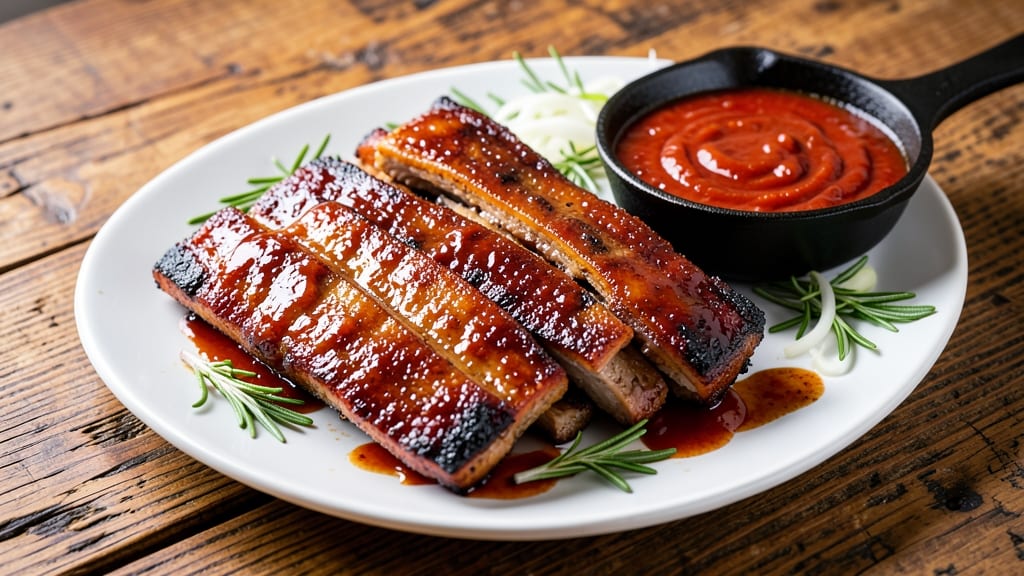
This sticky pork ribs recipe delivers melt-in-your-mouth tenderness and a glossy, caramelized glaze that'll have everyone asking for seconds. I perfected this method after years of experimenting with different cooking techniques and sauces—what started as a weekend project became my go-to for family gatherings.
The key lies in slow cooking and a precise sauce application that transforms tough ribs into something so tender it practically falls apart at the touch.
What makes this recipe truly special is the balance between simplicity and professional results. You don't need a smoker or fancy equipment—just a reliable oven and about 3 hours of hands-off time.
The sauce, made with just five ingredients, develops a perfect sweet-spicy balance that caramelizes beautifully as it cooks, creating that signature sticky glaze. My grandmother used to say "patience is the secret ingredient," and she was right—this recipe proves it.
By the end, you'll have ribs that are fork-tender with a glossy, caramelized surface that's impossible to resist. The meat pulls cleanly from the bone, and each bite delivers that perfect harmony of smoky, sweet, and slightly tangy flavors.
This is comfort food at its finest—rich, satisfying, and worth every minute of the cooking process. The best part? Leftovers reheat beautifully, making it perfect for meal prep or feeding a crowd.
Whether you're hosting a backyard BBQ or craving a hearty weeknight dinner, these ribs deliver restaurant-quality results without the fuss. The technique is straightforward, but the outcome is undeniably impressive. Let's get started on creating ribs that'll have your guests raving for weeks to come.
Ingredients for sticky pork ribs
Five essentials for the sauce, plus ribs that'll melt like butter—this is your shortcut to restaurant-worthy sticky pork ribs.
| Ingredient | Amount | Notes |
|---|---|---|
| Pork Baby Back Ribs 🥓 | 4 lb | Bone-in, meaty cuts preferred |
| Brown Sugar 🍚 | ½ cup | Dark or light, packed |
| Ketchup 🍅 | ½ cup | High-quality, no artificial flavors |
| Apple Cider Vinegar 🍎 | ¼ cup | For tangy depth |
| Smoked Paprika 🌶️ | 2 tbsp | For that smoky backbone |
| Garlic Powder 🧄 | 1 tbsp | Freshly ground preferred |
| Ground Black Pepper 🌶️ | 1 tsp | Freshly cracked for heat |
| Kosher Salt 🧂 | 1 ½ tbsp | Diamond Crystal preferred |
| Honey 🍯 | ¼ cup | Wildflower for floral notes |
| Yellow Onion 🧅 | 1 whole | Diced, for sauce base |
| Fresh Ginger 🌿 | 1 tbsp | Finely grated, aromatic |
| Unsalted Butter 🧈 | 2 tbsp | Cold, for basting |
| Aluminum Foil 📄 | 2 sheets | Heavy-duty, for wrapping |
The ribs are non-negotiable—baby backs give you that perfect balance of meat and bone, while spares are leaner and tougher. Costco or Whole Foods are your best bets for quality cuts. Look for vibrant color and good marbling—these are your indicators of tenderness. If you're buying a whole rack, trim off any excess fat or membrane for even cooking. Pro tip: ask the butcher to cut them into individual ribs if you prefer smaller portions. The sauce ingredients? Apple cider vinegar is key for that tangy backbone, while smoked paprika delivers that smoky depth without needing a smoker.
No honey? Maple syrup works in a pinch, though it has a slightly different flavor profile. Short on vinegar? Lemon juice at double the amount gets you close. The ketchup should be the good stuff—Heinz or Hunt's are solid choices, but avoid anything with artificial colors or high-fructose corn syrup. Fresh ginger is ideal, but ground ginger at half the amount works if you're in a hurry. For the butter, European-style has a higher fat content, which helps create that glossy glaze. If you can't find it, regular unsalted butter is fine—just don't skip it. The onions and garlic? Yellow onions add sweetness, while red onions bring a sharper bite if you prefer.
These ribs reheat like a dream—350°F for 15-20 minutes with a splash of apple juice or water to keep them moist. Store them wrapped in foil in the fridge for 3-4 days or freeze for up to 3 months. The sauce? It thickens as it cools, so reheat it gently with a splash of water or broth. I like to portion the ribs into individual foil packets before freezing—just thaw and reheat straight from the freezer. The leftovers? Even better the next day, especially if you let them sit at room temperature for 10 minutes before reheating.
Why You'll Love This Recipe
- I’ll be real: most sticky ribs dry out when reheated. Not these. The vinegar keeps them moist, and the sugar? It just gets better the second day. Plus, they’re cheap to make—feed a crowd without breaking the bank.
- Five-Ingredient Magic: Honestly, I swear by this combo—just ribs, brown sugar, ketchup, vinegar, and smoked paprika. That’s it. No fancy marinades or hours of prep; the sauce caramelizes right in the oven while you’re folding laundry.
- Sweet-Savory Balance: Between us, the brown sugar and vinegar create this perfect sticky glaze—crispy edges, tender meat, and that tangy-sweet punch. It’s the kind of flavor that makes people ask, “What’s in this?” and then beg for the recipe.
- Tailgate or Tuesday: Here’s what sold me—these ribs work everywhere. Grill for summer BBQs, oven-bake for lazy nights, or even meal prep for work. The sauce keeps them juicy, and the leftovers? Still amazing reheated.
Step-by-step instructions for sticky pork ribs
Here's how to transform tough baby back ribs into melt-in-your-mouth sweetness with a perfect balance of smoky depth and sticky glaze.
👨🍳 Step 1: Prepare the Dry Rub and Sauce Base
In a medium bowl, combine the 0.5 cup brown sugar, 2 tablespoons smoked paprika, 1 tablespoon garlic powder, 1 teaspoon ground black pepper, and 1.5 tablespoons kosher salt. Mix until the sugar is completely coated with the spices—this ensures an even distribution when applied to the ribs. The rub should look like coarse sandpaper, ready to cling to every crevice of the meat.
In a separate bowl, whisk together the 0.5 cup ketchup, 0.25 cup apple cider vinegar, 0.25 cup honey, and 1 tablespoon finely grated fresh ginger. This sauce will form the sticky, tangy-sweet foundation that makes these ribs legendary. Let both mixtures sit at room temperature while you prepare the ribs—cold ingredients can make the rub clump and the sauce separate.
🔥 Step 2: Sear the Ribs for Maximum Flavor
Preheat your oven to 275°F—low and slow is key for tender ribs, but we'll start with a high-heat sear to build flavor. Pat the 4 lb pork baby back ribs completely dry with paper towels, then generously apply the dry rub all over, pressing it into the meat so it adheres well. Place the ribs bone-side up on a foil-lined baking sheet.
Heat a large oven-safe skillet over medium-high heat and add the 2 tablespoons cold unsalted butter. When the butter foams and begins to brown (about 2 minutes), carefully transfer the ribs to the skillet, fat-side down. Sear for 5-6 minutes until the rub darkens and the meat develops a deep caramelized crust. Flip the ribs and sear the other side for another 5 minutes. This step creates the Maillard reaction that forms the flavor base—don't rush it, even if it seems like too much time.
🥘 Step 3: Build the Sticky Glaze and Braise
Remove the skillet from the heat and carefully pour the sauce mixture over the ribs, letting it pool in the crevices. Spoon any accumulated juices from the baking sheet over the top. Place the skillet in the preheated oven and cover tightly with 1 sheet of aluminum foil. This creates a steamy environment that helps tenderize the meat while the sauce thickens into a glossy glaze.
Braise for 2 hours, maintaining the 275°F temperature. About 30 minutes into cooking, check the ribs—if the sauce is evaporating too quickly, add a splash of water to the skillet to prevent burning. The ribs are done when they're fork-tender and the sauce has reduced to a thick, syrupy consistency. If you press on a bone with tongs, it should give slightly, indicating perfect tenderness.
⏰ Step 4: Glaze and Rest for Maximum Stickiness
Remove the ribs from the oven and uncover the skillet. Increase the oven temperature to 400°F. Using a spoon, coat the ribs generously with the reduced sauce, making sure every surface is glistening. Return the skillet to the oven (uncovered this time) and broil for 5-7 minutes until the sauce caramelizes and forms a thick, sticky crust. Watch closely—this final step transforms the ribs from tender to downright decadent.
Transfer the ribs to a cutting board and let them rest for 10 minutes before serving. This resting period allows the juices to redistribute, ensuring each bite is moist and flavorful. The sauce will continue to thicken as it cools, creating that signature sticky texture that makes these ribs irresistible. Serve with extra sauce spooned over the top and a side of crusty bread to soak up every last drop.
Pro Tips For Making Sticky Pork Ribs
- Trim the Fat First: Take 10 minutes to trim excess fat off the ribs before cooking—it doesn’t just help with browning, it keeps the sauce from turning greasy. I used to skip this, and my sticky glaze would always separate like oil on water.
- Brown Sugar First: Caramelize the brown sugar in the pan for 3-4 minutes before adding other ingredients—it deepens the flavor and prevents clumping. Sounds weird, but it works: the ribs get that rich, molasses-like stickiness without burning.
- Don’t Crowd the Pan: Cook the ribs in batches if needed—overcrowding steams them instead of searing, and you’ll end up with soggy edges. After burning three batches, I finally figured out: high heat needs space.
- Save the Vinegar Last: Add apple cider vinegar only in the final 5 minutes of cooking—it cuts through the sweetness but evaporates fast. I was skeptical until I tried it: the sauce stays balanced, not sour or one-dimensional.
Flavor customization for sticky pork ribs
Sweet Heat Balance
Adjust the sweet-to-spicy ratio by tweaking the brown sugar and smoked paprika. For extra heat, add 1 tsp cayenne pepper to the dry rub or 1 tbsp sriracha to the sauce.
My grandmother used to say "a little heat makes the sweetness sing"—I’ve found ½ tsp red pepper flakes in the sauce adds depth without overpowering. For milder ribs, reduce the paprika to 1 tbsp and add 1 tsp cinnamon instead. 🌶️
Smoky Depth Variations
Swap smoked paprika for 1 tbsp chipotle powder (adobo-style) for a deeper, smokier flavor with a subtle kick. For a liquid smoke option, add ½ tsp to the sauce—just don’t overdo it, or the ribs will taste artificial.
I once used 1 tbsp coffee grounds in the rub for a bold, earthy twist that worked surprisingly well. 🔥
Tangy Twist Options
Replace apple cider vinegar with balsamic vinegar for a richer, slightly fruity tang. For a citrusy note, add 1 tbsp orange juice to the sauce. My first dinner party flop?
Using lemon juice instead of vinegar—it made the sauce too sharp. Stick to apple cider or balsamic for balanced acidity. 🍎
Sweetness Adjustments
For a caramelized finish, add 2 tbsp molasses to the sauce. If you prefer less sweetness, reduce the brown sugar to ¼ cup and add 1 tbsp Dijon mustard for complexity.
I’ve also used maple syrup instead of honey—it’s less floral but works in a pinch. The key? Taste as you go! 🍯
Umami Boosters
Stir 1 tbsp soy sauce or 1 tsp fish sauce into the sauce for extra depth. For a meaty note, add 1 tbsp Worcestershire sauce. My grandmother’s trick? A pinch of MSG in the rub—it amplifies all the flavors without adding taste. Just a whisper makes a difference! 💡
Regional Style Swaps
For Carolina-style ribs, add 1 tbsp hot sauce (like Crystal) and 1 tsp brown sugar to the sauce. Kansas City lovers should fold in 1 tbsp mustard and 1 tsp garlic powder.
I once made Memphis-style ribs by adding 1 tbsp yellow mustard to the sauce—it gave them a tangy, creamy glaze. Each region has its own magic! 🗺️
Nutrition facts
Frequently asked questions
Can I use pork spare ribs instead of baby backs?
Yes, but you'll need to adjust the cooking time. Spare ribs are leaner and tougher, so braise them for 2.5-3 hours instead of 2 hours. The key is patience—they'll need that extra time to break down. For best results, trim excess fat first and keep the oven at 275°F throughout.
How do I prevent the sauce from burning during cooking?
Keep the sauce covered with foil for the first 2 hours to slow evaporation. If it starts drying out, add 1-2 tablespoons of water or apple juice to the skillet. The final 5-7 minutes of broiling should be watched closely—just uncover and baste with sauce until caramelized.
What's the best way to serve these sticky ribs?
Slice between the bones for easier serving, then arrange on a platter with extra sauce spooned over the top. Pair with crusty bread for soaking up the glaze or serve with pickled vegetables to cut through the richness. My grandmother always said, "Ribs deserve a side that sings to them"—try coleslaw or roasted sweet potatoes.
Can I make these ribs in a slow cooker?
Sear the ribs first, then transfer to a slow cooker with the sauce. Cook on Low for 6-7 hours or High for 4-5 hours, covered. In the last 30 minutes, increase heat to High and uncover to thicken the sauce. The texture will be slightly different but still delicious—just watch the sauce closely to prevent over-reduction.
Why did my ribs turn out tough instead of tender?
This usually happens from one of three issues: overcooking (check doneness by pressing a bone—it should give slightly), not enough time at low heat (stay at 275°F for the full 2 hours), or not enough moisture (keep the ribs covered with foil). If they're dry, try brushing with apple juice during cooking next time.