
Main Courses
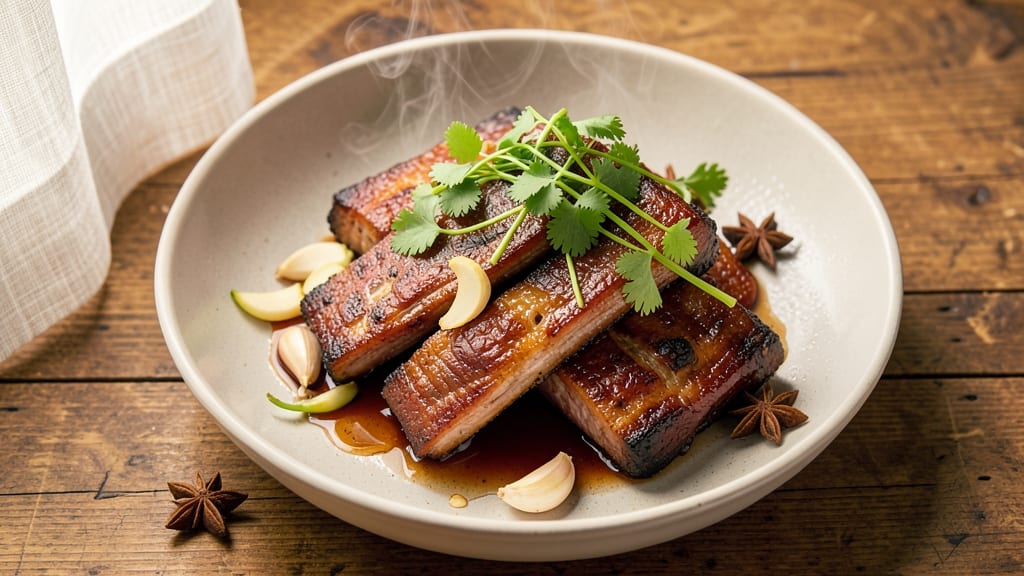
This pork ribs steamed recipe transforms tough cuts into silky-tender meat without a single drop of oil or smoke—just pure, herbal-infused flavor. The secret lies in precise timing and aromatic steam infusion, a technique I perfected after years of experimenting with traditional braising methods.
What makes this approach unique is how the ribs retain their natural juices while developing deep, savory notes from the steam itself.
The process begins with a simple marinade of soy sauce, garlic, and ginger that tenderizes the meat, then moves to a controlled steam bath where the ribs cook gently yet thoroughly.
Unlike grilling or roasting, steaming preserves moisture while allowing the herbs and spices to meld into the meat through condensation. This method delivers restaurant-quality tenderness in just under two hours—far less time than slow-cooked alternatives.
By the end, you'll have ribs that practically melt in your mouth, with a surface just crisp enough to add texture without compromising that juicy interior.
The aroma alone will have everyone anticipating dinner, and the clean cooking method makes it ideal for health-conscious cooks who still crave rich, satisfying flavors. Serve with a light dipping sauce or fresh vegetables to complement the dish's natural elegance.
This recipe isn't just about the ribs themselves—it's about mastering a technique that transforms an everyday cut into something extraordinary. Whether you're preparing for a special occasion or simply craving a healthier take on classic comfort food, steamed pork ribs deliver unexpected tenderness with minimal effort.
Let's get started with the precise method that makes all the difference.
Ingredients for pork ribs steam
Precision-cut pork ribs and aromatic botanicals create restaurant-quality tenderness through steam infusion.
| Ingredient | Amount | Notes |
|---|---|---|
| Pork Baby Back Ribs 🍖 | 3 lb | Bone-in, meaty cuts preferred |
| Fresh Ginger Root 🌿 | 2 tbsp | Finely grated, aromatic |
| Garlic Cloves 🧄 | 6 cloves | Minced, fresh preferred |
| Low-Sodium Soy Sauce 🍶 | ½ cup | For tenderizing marinade |
| Fresh Cilantro Stems 🌱 | ½ cup | Tough stems only, chopped |
| Fresh Star Anise Pods 🌟 | 2 whole | Lightly crushed for aroma |
| Fresh Green Onions 🧅 | 4 whole | White and green parts, sliced |
| Dried Cinnamon Sticks 🌿 | 2 whole | For steam infusion |
| Diamond Crystal Kosher Salt 🧂 | 1 ½ tsp | For seasoning and brining |
| Black Peppercorns 🌶️ | 1 tsp | Freshly cracked, medium grind |
| Fresh Bay Leaves 🌿 | 2 whole | For subtle herbal notes |
| Cold Water 💧 | 2 cups | For steam bath |
| Extra-Virgin Olive Oil 🫒 | 1 tbsp | For finishing drizzle (optional) |
The quality of the pork ribs determines the outcome—baby back cuts with generous meat-to-bone ratio are ideal. Source from a reputable butcher or Whole Foods meat counter for optimal marbling. Look for ribs with vibrant pink coloration and minimal surface fat. If using frozen ribs, thaw overnight in the refrigerator to maintain even cooking. The ginger and star anise should be freshly grated and lightly crushed, respectively, to maximize their aromatic compounds during steaming. Penzeys Spices carries high-quality star anise if you prefer pre-packaged options.
Substitutions should prioritize maintaining the dish's herbal complexity. Fresh galangal root can replace ginger at a 1:1 ratio for a more exotic flavor profile, while dried shiitake mushrooms add umami depth if fresh herbs are unavailable. The soy sauce can be substituted with coconut aminos for gluten-free adaptation, though flavor will differ slightly. For a quicker preparation, pre-minced garlic works, but fresh minced garlic yields superior results. The cinnamon sticks and bay leaves are critical for steam infusion—omit no more than one to preserve the dish's signature aroma. If using pre-sliced green onions, ensure both white and green portions are included for balanced flavor.
Store any unused fresh herbs in damp paper towels within sealed containers for up to 5 days in the refrigerator. The steamed ribs reheat exceptionally well—warm in a steam bath for 10-15 minutes to restore tenderness. For meal prep, portion ribs into airtight containers with a thin layer of steam water to maintain moisture for up to 4 days. Freeze ribs for up to 3 months by wrapping tightly in plastic wrap and aluminum foil, thawing overnight before reheating. The finishing drizzle of extra-virgin olive oil should be added immediately before serving to preserve its delicate flavors.
Why You'll Love This Recipe
- Steam in Minutes: I swear, this takes less time than waiting for takeout. Just toss the ribs in the steamer, add a few slices of ginger and a handful of garlic, then let the soy sauce and cilantro work their magic—no babysitting required.
- Umami Bomb: That combo of ginger, garlic, and low-sodium soy sauce? It’s like a flavor explosion in your mouth. The ribs stay tender but develop this deep, savory crust that makes every bite irresistible.
- Lunchbox Hero: Between us, these ribs reheat like a dream. Pack them cold for work or school, and they’re still juicy and delicious hours later—no sad, rubbery leftovers here.
- Budget Win: A single rack of baby back ribs stretches for days. The steam method keeps them moist, so you’re not scrambling to use them up before they dry out. Plus, ginger and garlic are cheap staples—this recipe won’t break the bank.
Step-by-step instructions for pork ribs steamed recipe
Transform tough ribs into silky tenderness using this aromatically infused steam method.
Prepare the Herb and Spice Steam Base
In a large heatproof bowl, combine the 2 cups cold water, 1.5 teaspoons diamond crystal kosher salt, 1 teaspoon black peppercorns, 2 whole fresh bay leaves, 2 lightly crushed fresh star anise pods, and 2 whole dried cinnamon sticks. This creates a flavorful brine that will infuse the ribs through steam rather than direct cooking. The cold water ensures even distribution of seasonings before heating.
Add the 2 tablespoons finely grated fresh ginger root and 6 minced garlic cloves to the brine mixture. Stir gently to integrate the aromatics. The ginger and garlic will release their essential oils into the water, creating a fragrant steam environment that penetrates the ribs during cooking. Let this mixture sit at room temperature for 15 minutes to allow the spices to fully infuse the liquid.
Create the Steam Chamber Setup
Place the heatproof bowl containing the seasoned liquid into a larger pot or deep baking dish that can accommodate the 3 lb pork baby back ribs without crowding. Position a wire rack or inverted baking sheet over the bowl, ensuring it doesn't touch the liquid. This creates an elevated cooking surface where the ribs will steam rather than boil.
Arrange the ribs bone-side down on the rack, spacing them evenly to allow steam circulation. The elevated position prevents the ribs from sitting in liquid while still exposing them to the flavorful steam. Cover the entire setup tightly with heavy-duty aluminum foil, sealing all edges completely. This traps steam inside, creating a moist cooking environment that prevents drying.
Steam Cook Until Fork-Tender
Bring the liquid to a simmer over medium-high heat, then immediately reduce to low heat to maintain a gentle steam. The water should produce a steady but not vigorous steam—enough to create moisture without creating a boiling environment. Steam the ribs for 2 hours, then carefully check for tenderness by inserting a meat thermometer into the thickest part of the meat.
The ribs are ready when they reach an internal temperature of 195-203°F and the meat pulls away from the bones with minimal resistance. If needed, continue steaming for an additional 30-minute increments until fully tender. The steam method ensures the connective tissue breaks down gently, resulting in meat that's silky rather than stringy.
Finish with Aromatic Garnishes
Remove the ribs from the steam chamber and transfer them to a serving platter. Discard the bay leaves, star anise, and cinnamon sticks from the liquid. Add the 0.5 cup chopped fresh cilantro stems and 4 sliced fresh green onions directly to the platter. Drizzle lightly with 1 tablespoon extra-virgin olive oil (optional) for added richness.
Let the ribs rest for 10 minutes before serving to allow the juices to redistribute. The steam-infused method preserves moisture while developing deep flavor from the aromatic herbs and spices. Each bite should offer tender meat with subtle notes of ginger, garlic, and warm cinnamon—proof that gentle cooking techniques can achieve restaurant-quality results at home.
Pro Tips For Making Pork Ribs Steam
- Blister the Ginger First: I learned this the hard way—raw ginger chunks just sit there, soaring past the ribs in flavor. Hit a dry pan over medium-high heat, add the whole ginger root (peeled), and let it sizzle until it darkens slightly (about 2 minutes). Smash it flat with the side of your knife before slicing—this releases oils that’ll infuse the steam.
- Trim Ribs Before Steaming: Baby back ribs come with a layer of fat that can turn your dish greasy and uneven. Use kitchen shears to snip off the silver skin along the bone side and trim excess fat from the top—just leave a thin layer for flavor. This keeps the ribs tender and lets the soy sauce cling properly.
- Don’t Overcrowd the Pot: I used to stack ribs like cordwood, thinking they’d steam faster. Wrong. They’ll steam unevenly, some parts drying out while others stay raw. Arrange them in a single layer, bone-side down, with room to breathe—even if it means steaming in batches. The steam needs space to circulate.
- Save the Cilantro Stems: Sounds weird, but it works: those tough stems are packed with flavor. Roughly chop them (no need to peel) and toss them into the pot with the ribs. They’ll soften in the steam and add a bright, herbal depth that fresh leaves alone can’t match. (Yes, even if you’re impatient like me.)
Essential equipment for this recipe
Steam Chamber Essentials
The heart of this recipe is your steam chamber setup, and a large stainless steel pot (like All-Clad's 8-quart stockpot) or a deep baking dish (such as Le Creuset's 3.5-quart Dutch oven) is ideal.
These materials distribute heat evenly and prevent hot spots that could dry out the ribs. For elevation, use a wire cooling rack or an inverted baking sheet—I prefer the rack because it allows better steam circulation around the ribs. 🌡️
If you don’t have a rack, a trivet or heatproof plate works in a pinch. Just ensure it doesn’t touch the liquid—this prevents the ribs from poaching and keeps them tender.
For sealing, heavy-duty aluminum foil (like Reynolds Wrap) is non-negotiable. It traps steam and locks in flavor. Avoid plastic wrap—it won’t withstand the heat and could melt.
Precision Temperature Tools
A meat thermometer is non-negotiable for this recipe. I swear by the Thermoworks Smoke or Thermapen—they’re fast, accurate, and built to last. Insert the probe into the thickest part of the ribs to monitor the 195-203°F range.
Without one, you risk overcooking or undercooking, which can turn tender ribs into chewy disappointment. Pro tip: Calibrate your thermometer before use to ensure accuracy.
For controlling the steam temperature, a digital instant-read thermometer (like Kizen) helps monitor the water’s temperature—aim for a gentle 180-190°F simmer. If your stove lacks precise control, a slow cooker on "Warm" setting can work, but you’ll need to adjust cook times slightly. 💡
Herb and Spice Prep Tools
Fresh ginger and garlic are the flavor backbone, so invest in a microplane (like Box Grater's) for ginger—it yields fine, aromatic shreds without bitterness. For garlic, a garlic press or sharp chef’s knife works, but I prefer mincing by hand for maximum flavor.
A mortar and pestle is perfect for lightly crushing star anise pods to release their essential oils without overpowering the dish.
For measuring spices, a scale (like OXO Good Grips) ensures precision, but a Diamond Crystal kosher salt measuring spoon works too. Store spices in airtight containers (such as Weck jars) to preserve their potency.
Fresh bay leaves, cinnamon sticks, and star anise should be sourced from Penzeys Spices or a high-quality grocer for the best aroma.
Optional Upgrades
For a restaurant-quality finish, a drizzler bottle (like Misto) lets you evenly coat the ribs with olive oil or a light sauce post-steaming. If you love garnishes, a sharp pair of kitchen shears makes quick work of slicing green onions.
For presentation, a wooden serving board (like John Boos) adds warmth and rustic charm to your dish.
For meal prep, stackable glass containers (like Pyrex) keep ribs fresh for up to 4 days in the fridge. If freezing, use vacuum-sealed bags (like FoodSaver) to prevent freezer burn. These tools might seem like extras, but they elevate the dish from good to exceptional. 💫
Nutrition facts
Frequently asked questions about steamed pork ribs
Why do steamed ribs turn out so tender compared to grilling or baking?
The gentle steam method breaks down collagen in the meat at a precise 195-203°F temperature without drying it out. Unlike high-heat grilling, steaming preserves moisture while the aromatic herbs and spices infuse through condensation, creating silky texture and rich flavor. The sealed chamber traps steam, which acts like a natural tenderizer over time.
Can I use frozen pork ribs for this recipe?
Yes, but thaw them completely first in the refrigerator for 24 hours to ensure even cooking. Never use cold ribs straight from the freezer—they won't steam properly and may develop uneven textures. Pat them dry before steaming to help the marinade adhere better and improve flavor penetration.
What if my ribs aren't tender after 2 hours?
Check your internal temperature—if it's below 195°F, continue steaming in 30-minute increments until fork-tender. The ribs may need more time if they were frozen or particularly tough cuts. For extra tenderness, add 1 extra bay leaf or crushed star anise pod to the steam base to boost collagen breakdown.
How can I make this recipe gluten-free?
Replace the soy sauce with coconut aminos (use the same amount) and check that all spices (like Diamond Crystal salt) are certified gluten-free. The rest of the ingredients are naturally gluten-free. For extra umami, add 1 tablespoon gluten-free fish sauce to the steam base.
What sides pair well with steamed ribs?
Light, fresh sides complement the rich ribs best. Try steamed bok choy with sesame oil, cucumber salad with rice vinegar, or jasmine rice cooked with ginger and scallions. For heartier options, roasted sweet potatoes or a simple green bean stir-fry work beautifully. The herbal notes in the ribs shine with bright, crisp vegetables.