
Main Courses
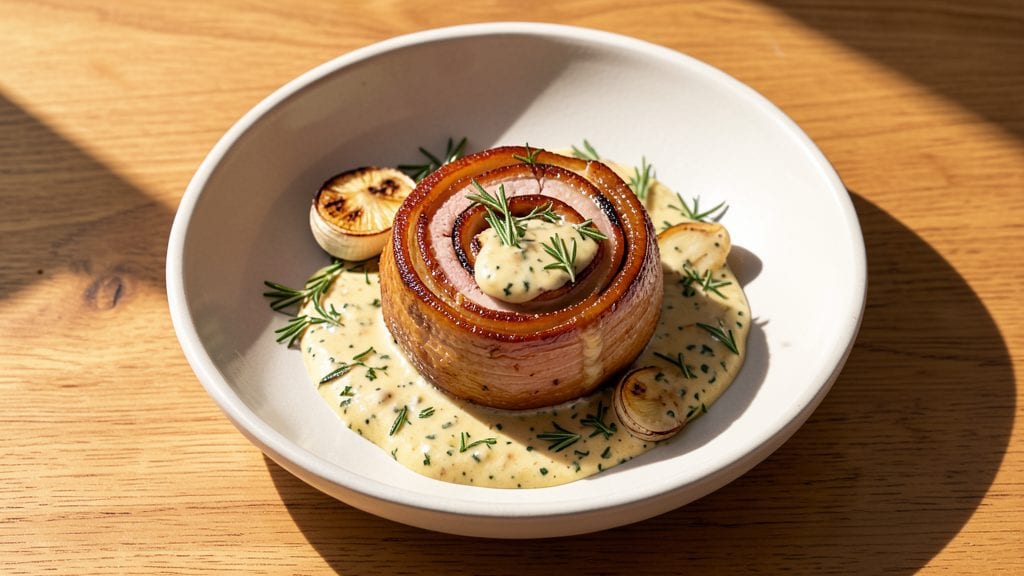
This pork roulade recipe transforms simple ingredients into an elegant centerpiece that feels like a restaurant-worthy creation. The secret lies in the herb-butter filling—rich, aromatic, and designed to stay juicy through roasting.
After years of experimenting with different techniques, I've perfected a method that ensures tender pork with a flavorful, never-dry center.
The process begins with a well-seasoned pork loin, carefully rolled around a mixture of garlic, fresh herbs, and butter that infuses every bite. Unlike many recipes that rely on breading or heavy marinades, this version lets the natural flavors of the pork shine while the filling adds depth.
Roasting at the right temperature—325°F—keeps the meat moist and the filling intact, delivering a result that's both impressive and foolproof.
What you'll end up with is a beautifully rolled cut of pork with golden, crisp edges and a center that's perfectly tender. The herb-butter filling melts slightly during cooking, creating pockets of flavor that make each slice unforgettable.
This dish pairs beautifully with roasted vegetables or a light salad, making it ideal for dinner parties or a special weeknight meal.
Whether you're serving a crowd or treating yourself to a refined meal, this pork roulade delivers restaurant-quality results with minimal effort. The key is precision in rolling and tying the pork, ensuring even cooking and a presentation that's as striking as it is delicious.
Let's get started on creating this showstopper.
Ingredients for pork roulade
Simple ingredients, restaurant-worthy results—this herb-butter filling transforms ordinary pork into a showstopper.
| Ingredient | Amount | Notes |
|---|---|---|
| Boneless Pork Loin 🐖 | 1 ½ lb | Center-cut, 1-inch thick |
| Unsalted Butter 🧈 | ½ cup | Cold, cubed for filling |
| Fresh Rosemary 🌿 | ¼ cup | Finely chopped, stems removed |
| Fresh Thyme 🌿 | ¼ cup | Leaves only, finely chopped |
| Garlic Cloves 🧄 | 6 cloves | Minced, peeled |
| Diamond Crystal Kosher Salt 🧂 | 1 ½ tsp | For seasoning pork |
| Freshly Ground Black Pepper 🌶️ | 1 tsp | Coarse grind preferred |
| Extra-Virgin Olive Oil 🫒 | 2 tbsp | For brushing pork |
| Fresh Parsley 🌿 | ⅛ cup | Chopped, for garnish |
| Heavy Cream 🥛 | ¼ cup | For pan sauce (optional) |
| Dried Mustard 🌶️ | 1 tsp | For pan sauce |
| Kitchen Twine 🧵 | 1 package | For securing roulade |
The pork loin is everything here. Center-cut is key—it's leaner and rolls more evenly. Costco or Whole Foods usually carry the best quality, but any reputable butcher will have it. Look for a piece with good marbling—just a little fat keeps it juicy. If your cut is thicker than 1.5 inches, pound it down gently with a meat mallet before rolling. The herb-butter filling needs to stay compact, so don't overstuff it. I like to prep everything else while the pork rests at room temp—30 minutes max—so it rolls smoothly without tearing.
No fresh rosemary? Dried works at half the amount, but it won't have the same punch. Short on thyme? Fresh oregano is a decent swap, though the flavor profile shifts slightly. The butter must be cold when you cube it—pull it from the fridge 10 minutes before mixing. For the pan sauce, if you're skipping the cream, chicken or pork stock reduces beautifully. The mustard adds depth, but if you're avoiding it, a pinch of Dijon mustard works too. And trust me, the kitchen twine is worth it—butcher's twine from the grocery store's baking aisle does the job perfectly.
This roulade reheats like a dream—325°F for 15 minutes wrapped in foil, then 5 minutes uncovered to crisp. The filling stays moist, and the pork doesn't dry out. For make-ahead prep, assemble the roulade and refrigerate it overnight—uncooked—then roast straight from the fridge. The pan sauce keeps for 3 days in the fridge, but I always make extra. It's perfect over mashed potatoes or polenta. Store the cooked roulade in airtight containers for 4 days, or freeze slices for 3 months. Just thaw overnight in the fridge.
Why You'll Love This Recipe
- No Butter Left Behind: I love how that slather of garlic-herb butter gets absolutely absorbed into every bite. The pork stays juicy while the crust turns golden—no dry edges here, promise.
- Weeknight Hero: Honestly, this is the kind of dish that makes me forget I’m cooking. Roll the pork, spread the butter mixture, bake—done. My kids even help roll it (even if it’s a little lopsided).
- Leftovers? More Like Leftovers Again: I always make extra because the roulade tastes even better the next day, sliced thin for sandwiches or cold bites. Budget-friendly too—pork loin stretches further than you’d think.
- Herb Magic: Fresh rosemary and thyme? That’s not just garnish—it’s the secret. The flavors meld into the butter while baking, so you’re not just eating pork; you’re eating comfort.
Step-by-step instructions for herb-butter pork roulade
Here's how to craft a showstopping roulade with juicy pork and rich herb butter.
Prepare the Herb-Butter Filling
In a small bowl, combine the 0.5 cup unsalted butter, 0.25 cup finely chopped fresh rosemary, 0.25 cup finely chopped fresh thyme, and 6 minced garlic cloves. Mix until the butter softens slightly and the herbs are evenly distributed throughout. This mixture should be cool but pliable—if it's too firm, let it sit at room temperature for 5 minutes. The butter acts as both a flavor carrier and moisture lock, ensuring your roulade stays succulent even after baking.
Spread this herb butter mixture evenly over the entire surface of the 1.5 lb boneless pork loin, using your fingers to press it gently into the meat. Don't be shy—this is what creates that luscious, melty filling when sliced. Cover and refrigerate for 30 minutes to allow the flavors to meld and the butter to adhere properly. This chilling step also helps the pork cook more evenly later.
Season and Roll the Pork
Remove the pork from the refrigerator and let it sit at room temperature for 15 minutes. While it's warming, season both sides generously with 1.5 tsp diamond crystal kosher salt and 1 tsp freshly ground black pepper, pressing the seasoning into the meat so it penetrates. The salt will help develop the crust while keeping the interior moist.
Place the pork on a piece of parchment paper and use a sharp knife to make shallow cuts about ½-inch apart lengthwise, being careful not to cut all the way through. This creates a flexible surface for rolling. Starting from one short end, tightly roll the pork into a log using the parchment to help guide it. Secure the roll with the kitchen twine, tying it every 2 inches to maintain its shape during cooking. The twine prevents unraveling while allowing the juices to stay contained.
Sear and Roast to Perfection
Heat 2 tbsp extra-virgin olive oil in a large oven-safe skillet over medium-high heat until shimmering. Place the pork roulade seam-side down and sear for 3-4 minutes until deeply golden brown. Flip carefully and sear the other side for another 3-4 minutes. This initial searing creates a flavorful crust while locking in juices. Transfer the skillet to a 425°F preheated oven and roast for 20-25 minutes, or until the internal temperature reaches 145°F when measured with an instant-read thermometer.
Here's the thing—don't cut into it immediately. Let the roulade rest for 10 minutes before slicing. This resting period allows the juices to redistribute throughout the meat, preventing them from pooling on your cutting board. While it rests, tent loosely with foil to keep it warm. The slices should be beautifully browned on the outside with that herb butter oozing out when cut.
Create the Pan Sauce (Optional)
After removing the roulade, place the skillet back on medium heat and add 0.25 cup heavy cream and 1 tsp dried mustard. Stir gently to scrape up any browned bits from the bottom of the pan—these contain concentrated flavor. Simmer for 2-3 minutes until the sauce thickens slightly. If it's too thin, reduce by another 1-2 minutes. This sauce adds an elegant finishing touch to your roulade, tying all the flavors together.
Slice the roulade into ½-inch thick pieces and serve immediately, drizzling with the pan sauce and garnishing with 0.125 cup chopped fresh parsley. The contrast of the warm, herby pork with the creamy sauce creates a restaurant-worthy dish that's surprisingly simple to make at home. Each bite should deliver perfectly balanced flavors—herbaceous, buttery, and just slightly savory from the sear.
Pro Tips For Making Pork Roulade
- Score the Meat First: Cut the pork loin lengthwise almost through—about 1/3 depth—before rolling. This keeps it intact while letting the filling peek through. I used to flatten it fully, and the roulade would unravel like a sad burrito.
- Salt the Pork Twice: Generously salt the pork loin before stuffing, then again after rolling. The first layer seasons deeply; the second locks in flavor as it cooks. Skip this, and your roulade tastes like it’s hiding something.
- Sear the Butter Hard: Brown the garlic and herbs in the butter until it’s deep golden, almost nutty. This adds layers of flavor that melted butter alone can’t match. I learned this after a buttery, bland roulade—don’t let that happen to you.
- Tie It Tight: Use kitchen twine every 2 inches along the roll, not just at the ends. This prevents the roulade from springing open mid-cook. Yes, it’s fiddly, but nothing’s worse than a half-unrolled pork log on your cutting board.
Perfect pairings for this recipe
Wine Pairings
A crisp, dry white wine like Sauvignon Blanc from New Zealand or Loire Valley Chenin Blanc complements the herbaceous notes of the roulade beautifully. The bright acidity cuts through the richness of the butter and pork, while the citrus undertones enhance the rosemary and thyme flavors.
I reach for a bottle of Cloudy Bay Sauvignon Blanc—its zesty finish cleanses your palate between each tender bite. 🍷
Beer Pairings
For beer lovers, a Belgian witbier like Hoegaarden or Stella Artois offers a refreshing contrast with its coriander and orange peel notes. The effervescence helps balance the richness of the herb butter, while the subtle sweetness rounds out the savory pork.
If you prefer darker options, a German Helles Lager provides a malty backbone that pairs wonderfully with the roasted flavors. 🍺
Side Dish Ideas
Roasted asparagus with lemon zest and crispy prosciutto creates a perfect balance of textures and flavors. The asparagus adds a fresh, slightly bitter note that contrasts with the richness of the pork, while the prosciutto enhances the herby filling.
For a heartier option, serve with creamy polenta—its mild, buttery texture soaks up the pan sauce beautifully. 🥗
Sauce Enhancements
Elevate your roulade with a drizzle of truffle oil—just ½ teaspoon adds earthy depth without overpowering. For a tangy twist, mix 1 tablespoon Dijon mustard with the pan sauce and a splash of white wine vinegar.
This brightens the dish and adds complexity. A sprinkle of toasted pine nuts or pistachios adds crunch and visual appeal. 💫
Dessert Pairings
End the meal with a light, citrusy dessert like lemon posset or honey-glazed figs to refresh your palate. The bright acidity of the posset or the natural sweetness of the figs provides a perfect contrast to the savory richness of the roulade.
For something more indulgent, a small dark chocolate tart with raspberry coulis balances the meal beautifully. 🍋
Nutrition facts
Frequently asked questions
Why does the herb butter filling stay moist in the pork?
The secret is using cold butter mixed with fresh herbs and garlic, which creates a flavorful moisture barrier. When spread on the pork and roasted, the butter melts just enough to infuse flavor without drying out. The 10-minute rest after cooking ensures juices redistribute, keeping every slice tender.
Can I make this ahead of time?
Yes! Assemble the roulade (uncooked) and refrigerate it overnight. Cook straight from the fridge—just add 5-10 extra minutes to the roasting time. For leftovers, store in airtight containers for 4 days or freeze slices for 3 months. Reheat at 325°F for 15 minutes wrapped in foil.
What if my pork tears when rolling?
Use a sharp knife to make shallow cuts (½-inch apart) before rolling—this creates flexibility. If it still tears, use the parchment paper to wrap and secure the edges with extra kitchen twine. A 1-inch thick center-cut loin rolls best. Never force it—patience prevents tears!
Can I substitute the herbs in the filling?
Swap rosemary for fresh sage or thyme for oregano, but keep the butter-to-herb ratio. For a bolder flavor, add ½ tsp smoked paprika or 1 tsp lemon zest. Avoid heavy herbs like dill—they can overpower the pork.
How do I achieve the perfect crust?
Sear the roulade on medium-high heat until deeply golden (3-4 minutes per side). Use olive oil for high smoke point and brush lightly after searing. Finish in a 425°F oven for crisp edges. Avoid crowding the pan—leave space for even browning.