
Sauces & Condiments
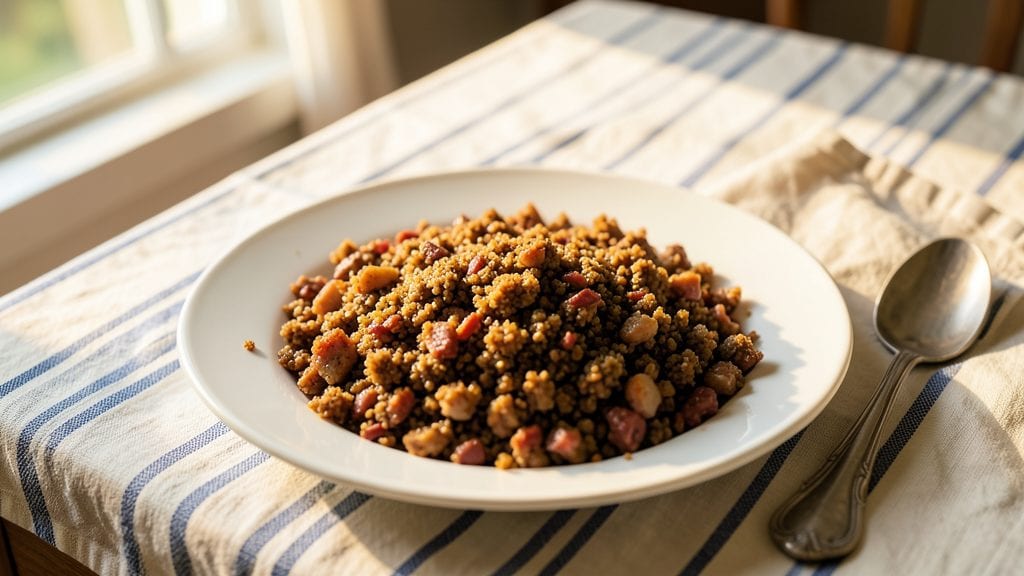
Mastering a pork seasoning rub recipe starts with this smoky-sweet blend that transforms simple pork into showstopping centerpieces. Growing up in small-town Georgia, I learned that the right rub could turn basic cuts into something extraordinary—just like my grandma’s pulled pork.
This blend delivers deep, complex flavor with just six ingredients, all dry-mixed for effortless application.
The secret lies in balancing sweetness with heat: brown sugar caramelizes beautifully while smoked paprika adds that signature BBQ depth. I developed this while competing on the Southeast BBQ circuit, where judges could spot an amateur rub from a mile away.
The key is applying it generously—about 1-2 tablespoons per pound—and letting it sit for at least 30 minutes before cooking to ensure maximum flavor penetration.
What you’ll get is pork that’s irresistibly aromatic with a perfect crust, whether you’re grilling chops or roasting a whole shoulder. The rub works equally well on ribs, tenderloin, or even pulled pork—just adjust the amount based on cut size.
This isn’t just seasoning; it’s the foundation for restaurant-quality pork at home.
Make a big batch and store it in an airtight container for up to three months. Trust me, once you try this blend, you’ll never go back to store-bought seasoning. Let’s get started with the ingredients—simple, but powerful.
Ingredients for pork seasoning rub
Six ingredients create this legendary pork seasoning rub—simple but unforgettable flavor.
| Ingredient | Amount | Notes |
|---|---|---|
| Brown Sugar 🍯 | 2 tbsp | Light or dark variety |
| Smoked Paprika 🌶️ | 2 tbsp | Sweet or hot preferred |
| Garlic Powder 🧄 | 1 tbsp | Not garlic salt |
| Onion Powder 🧅 | 1 tbsp | Fresh ground preferred |
| Coarse Kosher Salt 🧂 | 1 tbsp | Diamond Crystal preferred |
| Black Pepper, Coarsely Ground 🌶️ | 1 tbsp | Freshly ground ideal |
The brown sugar is your secret weapon here—it caramelizes beautifully during cooking, creating that perfect crust. I always grab Domino Sugar for its consistent quality, but honestly any good brand works. For smoked paprika, McCormick or Penzeys are my go-tos—they’ve got the right depth of smoke without being bitter. The key is freshness: if your spices smell stale, toss them. I keep mine in airtight containers in the pantry, where they stay potent for months. For the kosher salt, Diamond Crystal is non-negotiable—it’s flaky and dissolves perfectly, unlike that fine table salt dust.
No smoked paprika? Regular paprika plus a pinch of cayenne gets you close, though it won’t have that authentic BBQ aroma. Garlic powder is non-negotiable, but if you’ve got fresh garlic, toast and grind your own—it’s worth the extra minute. Onion powder can be swapped for dried minced onion at half the amount. Want more heat? Add 1/2 tsp cayenne pepper to the mix. And if you’re short on coarse salt, table salt at 2/3 the amount works in a pinch, though the texture won’t be quite as good.
This rub keeps beautifully in an airtight container for up to 6 months—I’ve had batches last even longer if stored properly. I always make a double batch so I’ve got some on hand. For best results, apply it 30 minutes before cooking to let the flavors meld. The rub works on everything from pork chops to ribs, so you’ll find yourself reaching for it often. Just don’t skip the brown sugar—it’s what makes this rub truly special.
Why You'll Love This Recipe
- Five-Ingredient Magic: I swear by this mix—just toss those pantry staples in a bowl, no fancy tools. The smoked paprika gives it that smoky depth without needing a grill, and the brown sugar caramelizes into a sticky, irresistible crust. Honestly, it’s the kind of recipe that makes me feel like I’m cheating the system.
- Sweet-Smoky Crunch: That crispy, caramelized edge? Pure satisfaction. The brown sugar and smoked paprika team up to create a flavor that’s sweet, savory, and just a little bit smoky—like a hug for your taste buds. (Yes, even on a Tuesday night.)
- Works Everywhere: Slap it on pork chops, ribs, or even roasted potatoes—this rub doesn’t play favorites. I’ve used it for weeknight dinners, backyard BBQs, and even as a quick marinade for pork tenderloin. It’s my go-to for anything that needs a little extra oomph.
- Lasts All Week: Make a big batch and store it in the fridge—it keeps for weeks, so you’re always ready for a flavor boost. Between us, I’ve had this rub sit in my spice drawer for months, and it still packs a punch. Budget-friendly? Absolutely. Stress-free? Even better.
Step-by-step instructions for creating a smoky-sweet pork rub
Here's how to craft a perfectly balanced blend that transforms any pork dish.
Measure All Ingredients Precisely
Start by gathering all your components on a clean workspace. Use a kitchen scale or measuring spoons to portion out exactly 2 tablespoons of brown sugar and 2 tablespoons of smoked paprika. I prefer using a light brown sugar here for a subtle caramel note that won't overpower the smoky elements, but dark works beautifully too if you want deeper richness.
Next, measure out 1 tablespoon each of garlic powder, onion powder, coarse kosher salt, and freshly ground black pepper. The key here is consistency—these dry ingredients need to be measured accurately so each application delivers the same bold flavor profile. I like to use a small bowl for each component to keep things organized during mixing.
Combine Dry Ingredients Thoroughly
In a medium mixing bowl, begin by adding the 2 tablespoons of smoked paprika. This is your flavor foundation, so don't skip this step—it's what gives the rub its signature smoky depth. Using a whisk or fork, spread the paprika evenly across the bottom of the bowl to create a thin layer.
Next, add the remaining dry ingredients: the 2 tablespoons of brown sugar, followed by the 1 tablespoon each of garlic powder, onion powder, coarse kosher salt, and black pepper. The salt and pepper should be distributed evenly throughout the mixture to prevent any clumping. Here's the thing—if you notice any lumps forming, especially with the brown sugar, simply press them down gently with the back of a spoon before mixing.
Mix Until Uniform and Clump-Free
Using a fork or small whisk, begin mixing the ingredients in circular motions. Start at the center of the bowl and work your way outward to ensure all components are evenly distributed. You're aiming for a texture that's fine and uniform, with no visible streaks of individual ingredients. This is particularly important with the brown sugar—it can sometimes clump if not mixed properly.
After about 30 seconds of mixing, pause to check for consistency. The rub should look like a cohesive, dry powder with no visible grains or uneven distribution. If you're still seeing some separation, particularly with the darker paprika, give it another 10-15 seconds of mixing. The goal is to create a blend that will adhere evenly to pork, whether you're using it on chops, ribs, or tenderloin.
Store Properly for Maximum Freshness
Once thoroughly mixed, transfer the pork rub to an airtight container. I recommend using a small glass jar with a tight-sealing lid—this preserves the flavors better than plastic and allows you to see the contents easily. The container should be completely sealed to prevent moisture from affecting the texture or causing the rub to clump over time.
Store the finished rub in a cool, dark place like a pantry. When used within 2 weeks, the flavors will remain vibrant and potent. If you notice the rub losing its aroma or developing any moisture, it's time to make a fresh batch. The smoky-sweet balance is what makes this rub exceptional, and proper storage ensures you can recreate that perfect flavor every time you use it.
Pro Tips For Making Pork Seasoning Rub
- TOAST THE PAPRIKA: I learned this the hard way—skipping this step makes the rub taste flat. Dry-toast the smoked paprika in a small pan over medium heat for 30 seconds until it smells rich and nutty. Let it cool completely before mixing—hot spices can melt the brown sugar into a gloppy mess.
- GRIND THE SALT FINE: Coarse kosher salt stays grainy and clumps in the rub. Pulse it in a spice grinder for 5-10 seconds until it’s almost powdery, but not quite flour. This ensures even distribution and prevents gritty bits when you pat it on the pork.
- DON’T SKIP THE REST: After applying the rub, let the pork sit uncovered in the fridge for at least 30 minutes (or up to 4 hours). This lets the salt draw out moisture, creating a better crust when you sear it—no one wants a soggy, sticky exterior.
- SWAP BROWN SUGAR FOR MOLASSES: If you’re short on time or want deeper flavor, replace half the brown sugar with dark molasses. It adds moisture and a caramelized depth without extra effort—just mix it in last so the sugar doesn’t crystallize. (Yes, it’ll look weird, but it works.)
Troubleshooting your pork seasoning rub
Uneven Application
If your rub isn’t sticking to the pork or clumping unevenly, you’re likely dealing with moisture issues. I’ve seen this happen when pork is too fresh or when the rub sits in humid conditions. First, pat the pork completely dry with paper towels before applying.
For extra adherence, lightly oil the meat with avocado oil or melted lard—just enough to help the rub cling. Also, store your rub in an airtight glass jar with a silica gel packet to absorb any moisture. 🧂
Clumping Rub
Brown sugar is notorious for clumping, especially in humid kitchens. To prevent this, sift the dry ingredients together before mixing, or use a fine-mesh sieve. If clumps form during storage, simply crush them with the bottom of a measuring spoon.
For extra insurance, store your rub in the freezer for up to 3 months—the cold preserves freshness and prevents clumping. I keep a backup batch in my freezer at all times. ❄️
Flat Flavor Profile
If your pork tastes bland after using the rub, the issue is likely under-seasoning or overcooking. Apply 1-2 tablespoons per pound of pork and let it sit for at least 30 minutes before cooking—this ensures flavor penetration.
For thicker cuts like pork shoulder, consider applying the rub twice: once before the initial cook and again after resting. Also, avoid high-heat searing too early, as this can burn the sugar before the smoky flavors develop. 🔥
Burnt Sugar Crust
A dark, bitter crust means your sugar caramelized too quickly. This happens when heat is too high or the rub sits on the meat for too long before cooking. Start with medium heat and gradually increase.
For extra protection, sprinkle a light dusting of cornstarch over the rub before cooking—it creates a barrier that prevents excessive browning. I’ve also had success using dark brown sugar instead of light for a deeper, less bitter crust. 🍯
Spice Overpowering
If your rub tastes too spicy or harsh, you might be using too much smoked paprika or old spices. Stick to the 2 tbsp smoked paprika measurement and avoid substitutions like cayenne unless you want heat.
Always check your spices for freshness—if they smell dull, replace them. For a milder version, reduce the paprika to 1.5 tbsp and add ½ tsp ground cinnamon for warmth without spice. 🌶️
Storage Issues
If your rub loses potency or develops an off smell, it’s likely absorbed moisture or oils. Store it in a cool, dark place like a pantry, not the fridge. For long-term storage, use vacuum-sealed bags or mason jars with oxygen absorbers.
I’ve kept this rub fresh for up to 6 months using this method. If you notice any moisture or clumping, discard and remake—old rub won’t improve with time. 🕒
Nutrition facts
Frequently asked questions
Can I use this pork seasoning blend on other meats?
This smoky-sweet blend works beautifully on chicken, turkey, or even beef. For poultry, reduce the smoked paprika to 1.5 tablespoons to avoid overpowering the delicate flavor. The brown sugar caramelizes wonderfully on beef ribs too—just increase to 2.5 tablespoons for extra depth.
How much rub should I use for different pork cuts?
For chops or tenderloin, use 1 tablespoon per pound. Thicker cuts like shoulder or ribs need 2 tablespoons per pound, applied generously. For whole roasts, make a paste with 1 tablespoon water per 2 tablespoons rub and coat thoroughly. The key is even distribution—don't skimp on the outer layers!
Can I make this rub spicier?
Yes! For extra heat, add ½ teaspoon cayenne pepper or 1 teaspoon chipotle powder to the base mix. For a Carolina-style kick, swap ½ tablespoon of the brown sugar for ½ tablespoon of hot honey powder (mix honey with powdered sugar). Always adjust gradually—you can't reverse too much spice!
Why does my rub clump when I store it?
Brown sugar absorbs moisture over time, causing clumping. To prevent this, store your rub in an airtight glass jar with a silica gel packet. For extra protection, keep it in the freezer for up to 3 months. If clumps form, simply crush them with a spoon—no need to remake the whole batch!
What's the best way to revive stale spices in this rub?
If your spices smell dull, toast them gently in a dry pan for 2-3 minutes until fragrant. For smoked paprika, reduce heat to low-medium to prevent burning. Add ¼ teaspoon ground cinnamon to compensate for lost depth. Remember: fresh spices make all the difference in flavor!