
Main Courses
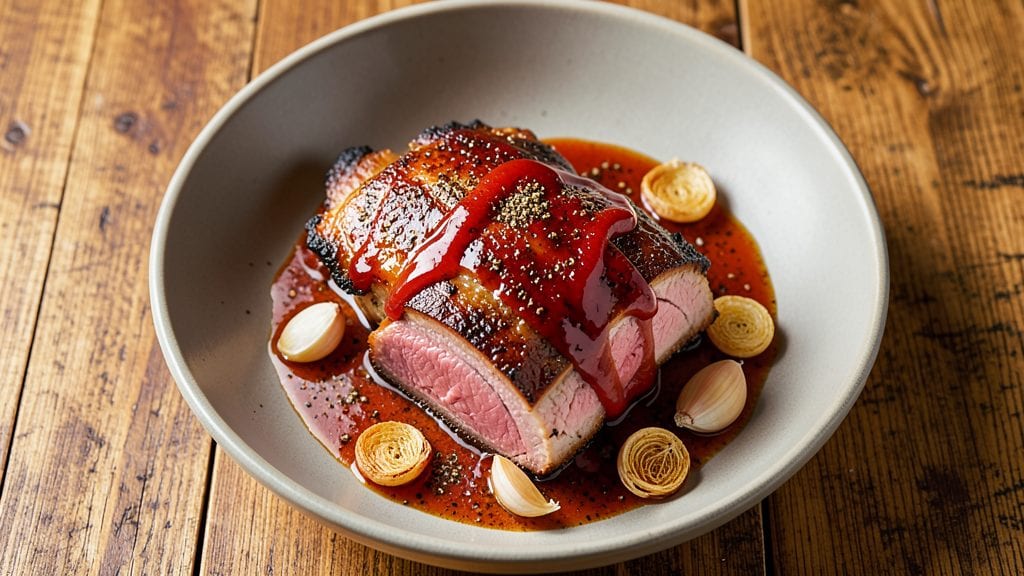
This pork shoulder hamonado recipe transforms tough cuts into fall-apart tender meat with a smoky, garlicky crust that clings to every bite—just like my abuela used to make.
The magic happens in the marinade: garlic, cumin, and vinegar work together to tenderize while building layers of flavor that caramelize beautifully during cooking. Growing up in small-town Georgia, I learned pork deserves respect, and this method delivers restaurant-quality results without the fuss.
The beauty of this recipe lies in its simplicity: one pan, minimal prep, and hands-off cooking. You'll start with a bold marinade of garlic, cumin, soy sauce, and vinegar that not only tenderizes the meat but creates that signature smoky crust when seared.
The pork slow-cooks until it practically melts in your mouth, while the marinade reduces into a sticky, flavorful glaze that ties everything together. It's the kind of dish that turns weeknight dinners into special occasions.
By the time you're done, you'll have perfectly tender pork shoulder with crisp edges and juicy centers, all coated in that aromatic glaze. The aroma alone will have everyone gathering around your table, and each bite delivers a perfect balance of smoky, garlicky, and slightly tangy flavors.
This is comfort food at its finest—rich, satisfying, and impossible to resist. Serve it with steamed rice and atchara for the full Filipino experience, or keep it simple with crusty bread to soak up every last bit of that delicious glaze.
What makes this recipe truly special is its versatility. The same marinade works beautifully with chicken or beef if you're feeling adventurous, and the cooking method adapts to your schedule—whether you're in a hurry or have all day to let the flavors develop.
The secret weapon here is patience: letting the pork cook low and slow ensures tender meat every time. Let's get started on creating this crowd-pleasing masterpiece that'll have everyone asking for seconds.
Ingredients for pork shoulder hamonado
Six ingredients transform tough pork into melt-in-your-mouth magic with smoky, garlicky perfection.
| Ingredient | Amount | Notes |
|---|---|---|
| Pork Shoulder 🐷 | 4 lb | Bone-in for extra flavor |
| Garlic Cloves 🧄 | 12 cloves | Freshly minced, not pre-minced |
| Ground Cumin 🌿 | 3 tbsp | Toasted for deeper flavor |
| Soy Sauce 🧂 | ½ cup | Low-sodium preferred |
| White Vinegar 🍎 | 0.38 cup | White or apple cider |
| Brown Sugar 🍚 | ¼ cup | Packed, for caramelization |
| Smoked Paprika 🌶️ | 2 tbsp | For authentic smoky flavor |
| Salt 🧂 | 1 tbsp | Kosher or sea salt |
| Black Pepper 🌶️ | 1 tsp | Freshly ground preferred |
| Olive Oil 🫒 | ¼ cup | Extra-virgin for richness |
| Atchara (Pickled Green Papaya) 🥒 | 1 jar | For authentic Filipino touch |
| Steamed Jasmine Rice 🍚 | 6 cups | For serving, optional |
The pork shoulder is where the magic starts—bone-in cuts add depth that boneless just can't match. Costco or local butchers often have great deals on this cut, but check for good marbling. If you're short on time, pre-cut pork shoulder from Trader Joe's works too. The garlic needs to be fresh and minced right before marinating—pre-minced loses its punch. For the cumin, a quick toast in a dry pan (30 seconds) brings out its earthy notes before mixing with other ingredients.
No soy sauce? Fish sauce at half the amount adds umami depth, or use Worcestershire sauce for tang. Skip the vinegar? Lime juice works, but the acidity is key for tenderizing. Brown sugar is non-negotiable for caramelization—coconut sugar works too if you're avoiding refined sugar. Smoked paprika is what gives it that authentic hamonado flavor; regular paprika won't cut it. For the atchara, any pickled green papaya works, even store-bought—just drain well before serving.
This marinade keeps 5 days in the fridge if you're prepping ahead. The pork itself reheats beautifully—add a splash of water while warming to prevent drying. For extra crispy edges, broil for 2-3 minutes at the end. The atchara? Eat within 1 week once opened. I always make double the marinade—freezes perfectly for next time, and the leftovers make killer sandwiches.
Why You'll Love This Recipe
- One-Pan Magic: I swear by this—just toss the pork shoulder in a pan with garlic, cumin, and soy sauce, then let it slow-cook. No chopping, no fuss, and the vinegar does the work of tenderizing while you sip your coffee.
- Flavor Bomb: That tangy-sweet combo? It’s ridiculous. The cumin adds warmth, the vinegar cuts through the richness, and the garlic? Oh, it’s like a hug for your taste buds. (Yes, even on a Tuesday night.)
- Leftovers Heaven: This recipe practically begs to be made extra. The pork stays juicy for days—perfect for tacos, sandwiches, or reheating with rice. Honestly, I’ve eaten it cold from the fridge and still craved more.
- Budget Stretch: Pork shoulder is affordable, and this method turns it into something special without breaking the bank. A single cut feeds my whole family, and the spices cost pennies. My wallet thanks me every time.
Step-by-step instructions for pork shoulder hamonado
Transform your pork shoulder into tender, flavorful hamonado with this simple one-pan method.
Season and Sear the Pork Shoulder
Start by patting the 4 lb pork shoulder dry with paper towels. This step is crucial—it helps the seasoning stick and creates that perfect crispy exterior. In a small bowl, mix together the 3 tbsp ground cumin, 2 tbsp smoked paprika, 1 tbsp salt, and 1 tsp black pepper. Rub this spice blend all over the pork shoulder, pressing it into the meat so it adheres well.
Heat a large Dutch oven or heavy pot over medium-high heat. Add the 0.25 cup olive oil and let it get hot but not smoking. Place the pork shoulder fat-side down in the pot and sear for 8-10 minutes until the fat renders out and the skin turns golden brown. Flip the pork shoulder and sear the other side for another 5-7 minutes. This initial searing locks in the juices and builds deep flavor.
Build the Flavorful Base
Remove the pork shoulder from the pot and set it aside. In the same pot, add the 12 cloves minced garlic cloves and cook for 30 seconds until fragrant—don't let them burn, or they'll turn bitter. Pour in the 0.5 cup soy sauce and 0.375 cup white vinegar, scraping up any browned bits from the bottom of the pot. These bits are packed with flavor, so don't miss this step.
Stir in the 0.25 cup brown sugar and bring the mixture to a gentle simmer. Let it cook for 5 minutes until the sugar begins to caramelize slightly. This step creates a sweet-savory balance that will penetrate the pork as it cooks. The mixture should smell rich and aromatic—like a perfect harmony of smoky, tangy, and sweet flavors.
Braise the Pork Shoulder Low and Slow
Return the pork shoulder to the pot, fat-side up, and pour enough water over it to come about halfway up the meat. This creates a moist environment that ensures tender, juicy pork. Bring the liquid to a gentle boil, then reduce the heat to low and cover the pot with a lid. Let the pork shoulder simmer for 3 hours, turning it occasionally to ensure even cooking.
After 3 hours, check the internal temperature of the pork using a meat thermometer. It should read 195-205°F—this is the "probe-tender" stage where the meat is falling-apart tender. If it hasn't reached this temperature, continue cooking for another 30-60 minutes. The pork will continue to cook slightly as it rests, so don't worry if it's not quite there yet.
Finish with Atchara and Rest
Once the pork shoulder is tender, carefully remove it from the pot and set it aside to rest. Strain the cooking liquid through a fine-mesh sieve into a clean pot, discarding any solids. Return the liquid to the pot and stir in the contents of the 1 jar atchara (pickled green papaya). Simmer this mixture for 5-7 minutes to infuse the tangy, slightly sweet flavors of the atchara into the sauce. The sauce should coat the back of a spoon and have a glossy, appetizing appearance.
Slice the pork shoulder against the grain into ¼-inch thick slices. Let the pork rest for 10-15 minutes before serving—this allows the juices to redistribute, ensuring each bite is moist and flavorful. Serve the sliced pork shoulder over 6 cups steamed jasmine rice, spooning the atchara-infused sauce generously over the top. The combination of tender pork, tangy atchara, and aromatic rice makes this dish a true crowd-pleaser.
Pro Tips For Making Pork Shoulder Hamonado
- SMASH THE GARLIC: DESCRIPTION: Don’t just mince those cloves—smash them flat with the side of your knife first. This releases more flavor into the pork as it cooks, and you won’t waste time chasing stray garlic pieces when the sauce reduces. (Yes, even if it looks like overkill.)
- LOW AND SLOW IS NON-NEGOTIABLE: DESCRIPTION: If your oven isn’t at 275°F (135°C) or below, you’re doing it wrong. Pork shoulder needs 4-5 hours to tenderize properly—any hotter and you’ll end up with chewy meat, no matter how much vinegar you drown it in.
- VINEGAR FIRST, SOY SECOND: DESCRIPTION: Deglaze the pan with white vinegar before adding soy sauce. The acid cuts through the fat and garlic, making the sauce silky instead of grainy. Dump the soy in later—it’ll thicken better and not turn bitter.
- SKIP THE CROWDED PAN: DESCRIPTION: Cut the pork shoulder into 1.5-inch chunks before searing—don’t stack them. Overcrowding steams the meat instead of browning it, and you’ll end up with a sad, pale hamonado. Work in batches if you must.
Best sauces and condiments for these flavors
Atchara Sauce
The star of this dish is the atchara-infused sauce—that tangy, slightly sweet green papaya relish that cuts through the richness of the pork.
I always use 1 jar of store-bought atchara (like Filipino Market or Asian grocery brands) for convenience, but homemade is even better if you have time. Simmer the atchara in the reduced pork braising liquid for 5-7 minutes to meld its flavors into the sauce.
For extra brightness, add 1 tbsp lime juice at the end. 🍋
Garlic Cumin Glaze
If you love bold flavors, reduce the braising liquid further after removing the pork to create a thick garlic-cumin glaze. Strain out any solids, then simmer the liquid uncovered over medium heat for 10-12 minutes until it coats the back of a spoon.
Brush this glaze over the sliced pork before serving—it adds a sticky, aromatic finish. For extra depth, stir in 1 tsp toasted sesame oil at the end. 🌿
Sweet Chili Drizzle
For a modern twist, drizzle the finished pork with a sweet chili sauce made from 2 tbsp sweet chili sauce (like Maesri) mixed with 1 tsp rice vinegar. This balances the smoky pork with a touch of heat and sweetness.
I like to serve this as a dipping sauce on the side or lightly drizzle it over the top. For extra crunch, sprinkle with toasted sesame seeds before serving. 🌶️
Creamy Avocado Dip
To cool down the rich pork, serve it with a creamy avocado dip made from 1 ripe avocado, 2 tbsp sour cream, 1 tbsp lime juice, and a pinch of salt.
Blend until smooth and serve chilled. This dip is perfect for scooping up extra sauce or pairing with extra rice. For a spicy kick, add ½ tsp sriracha to the mix. 🥑
Spicy Vinegar Dip
For a classic Filipino touch, whip up a quick spicy vinegar dip by mixing ¼ cup white vinegar, 1 tbsp soy sauce, 1 tsp sugar, and ½ tsp chili flakes.
This tangy, slightly spicy dip is perfect for balancing the richness of the pork. Serve it in a small bowl alongside the main dish for dipping or drizzling. 🍯
Caramelized Onion Topping
Elevate the dish with caramelized onions—sauté 1 large onion in 1 tbsp butter and 1 tbsp olive oil over low heat for 20-25 minutes until deep golden brown.
Spoon these sweet, jammy onions over the sliced pork just before serving. They add a luxurious texture that pairs perfectly with the tender meat. 🧅
Nutrition facts
Frequently asked questions
What makes this hamonado pork shoulder different from regular braised pork?
The magic lies in the marinade: a perfect blend of garlic, cumin, vinegar, and soy sauce that tenderizes while creating that signature smoky crust. Unlike traditional braising, this method builds layers of flavor through the marinade that caramelize beautifully during cooking, giving it that distinctive hamonado taste. The vinegar also adds a bright tang that cuts through the richness.
Can I use boneless pork shoulder instead of bone-in?
Yes, but you'll lose some flavor depth since bones add richness to the cooking liquid. If using boneless, trim excess fat and consider adding 1 extra cup of broth to the braising liquid to compensate. The cooking time remains the same, but bone-in always delivers more complex flavors.
How do I know when the pork is fully tender?
Use a meat thermometer to check the internal temperature—it should reach 195-205°F for that fall-apart texture. The meat will pull away from the bone easily, and the juices should run clear when pierced. If it's not quite there after 3 hours, add 30 more minutes and check again.
What if I don't have atchara? Can I substitute something?
Use pickled jalapeños for heat, pickled red onions for tang, or even quick-pickled cucumbers (1 cup cucumbers + ½ cup vinegar + 1 tsp sugar). For authenticity, try making atchara by thinly slicing green papaya, soaking in vinegar with salt and chili for 24 hours. The tangy element is key to balancing the rich pork.
Can I make this in a slow cooker instead of a Dutch oven?
Yes! Sear the pork first, then transfer it to a slow cooker with all marinade ingredients and 1 cup water. Cook on low for 8 hours or high for 5 hours. The texture will be slightly more tender, but the flavor remains rich. Just reduce the braising liquid separately to make a glaze after cooking.