
Main Courses
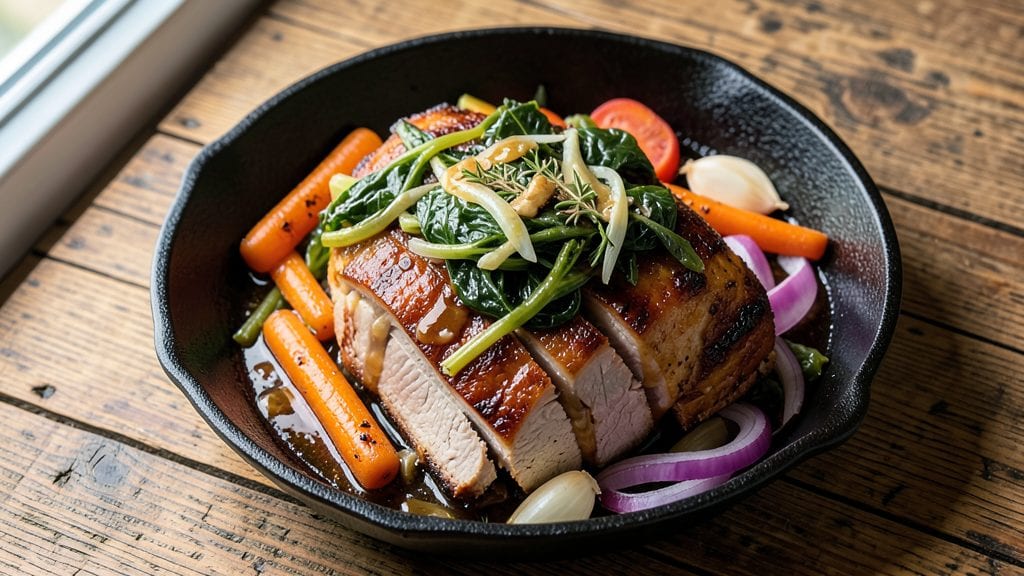
This pork shoulder and sauerkraut recipe in oven transforms tough cuts into melt-in-your-mouth perfection with minimal effort—just 300°F and a few hours of hands-off braising. The tangy crunch of sauerkraut cuts through the rich pork, creating a balance that feels both rustic and refined.
My grandmother used to cook pork this way, letting the oven do all the work while she tended to other tasks—a lesson I never forgot.
The secret lies in slow cooking the pork until it's fork-tender while keeping the sauerkraut crisp enough to add texture. You'll start with a simple seasoning on the pork, then layer it with sauerkraut and aromatics in a single dish.
The oven does the rest, developing deep, savory flavors without requiring constant attention. This method preserves the natural juices in the pork, ensuring every bite is moist and flavorful.
By the time it's done, you'll have a dish that's hearty enough for a family dinner but simple enough for a weeknight. The pork will pull apart easily, and the sauerkraut will have softened just enough to soak up the pork's juices while still offering that satisfying crunch.
Serve it with crusty bread to soak up every last bit of the tangy, savory sauce. The result is a meal that feels like a hug from your favorite home cook.
This recipe scales beautifully for gatherings, and leftovers reheat just as well the next day. Whether you're feeding a crowd or just craving a comforting meal, this slow-braised pork shoulder delivers restaurant-quality results with minimal fuss. Let's get started—your kitchen will smell incredible by the time it's ready.
Ingredients for pork shoulder and sauerkraut recipe in oven
Pantry staples plus a few fresh aromatics. Your oven does the rest.
| Ingredient | Amount | Notes |
|---|---|---|
| Pork Shoulder 🥩 | 3 lb | Bone-in, cut into 2-inch chunks |
| Sauerkraut 🥬 | 3 cups | Unopened jar preferred |
| Yellow Onion 🧅 | 1 whole | Sliced into wedges |
| Garlic Cloves 🧄 | 6 cloves | Smashed, not minced |
| Carrots 🥕 | 3 medium | Whole, scrubbed clean |
| Apple Cider Vinegar 🍎 | ¼ cup | For sauerkraut brightness |
| Honey 🍯 | 2 tbsp | Wildflower preferred |
| Dijon Mustard 🍯 | 1 tbsp | For depth of flavor |
| Kosher Salt 🧂 | 1 ½ tsp | For seasoning pork |
| Black Peppercorns 🌶️ | 1 tsp | Freshly cracked |
| Fresh Thyme 🌿 | 2 sprigs | Stems removed |
| Bay Leaves 🍃 | 2 whole | For aromatic depth |
| Crusty Bread 🍞 | 1 loaf | For serving, optional |
The pork shoulder is the star here—bone-in, 3 lbs gives you the best flavor and texture. Look for cuts with good marbling at Costco or your local butcher; they'll often have it pre-cut for braising. If you can't find bone-in, bone-out works too, but it'll be slightly less flavorful. The sauerkraut should be unopened and packed tightly—the juice is key for moisture. I always grab the Rehrl brand from the deli section if I'm feeling fancy, but any good sauerkraut will do. Fresh thyme is ideal, but dried works in a pinch if you've got it.
No apple cider vinegar? White vinegar or lemon juice works just fine—just use the same amount. Honey too expensive? Maple syrup is a solid swap, though it'll add a different depth. The Dijon mustard is non-negotiable for that tangy kick, but if you're out, a mix of yellow mustard and a pinch of sugar gets you close. For the carrots, whole and unpeeled keeps them from turning to mush. If you're short on time, baby carrots work too. The garlic can be roasted whole with the carrots for extra flavor—just squeeze them out of their skins before adding to the dish.
This dish reheats beautifully—3-4 days in the fridge, 3 months frozen. I always make a double batch because it's that good. Store it in the juices to keep everything moist. The crusty bread? Grab a baguette from the bakery section—it stays fresh for days if wrapped in a towel. The pork gets tenderer the longer it sits, so don't rush it. Leftovers make amazing sandwiches the next day.
Why You'll Love This Recipe
- One-Pan Magic: I swear by this recipe when I’m too tired to scrub pots—just toss everything on a sheet pan, add a splash of broth, and let the oven do the work. The pork shoulder gets tender without babying it, and the sauerkraut soaks up all the juices like a sponge.
- Tangy-Sweet Crunch: Between us, that sauerkraut isn’t just a side—it’s the star. The sharpness cuts through the richness of the pork, while the caramelized onions and garlic add this deep, savory punch. Honestly, I’ll take this over dry, bland roast pork any day.
- Leftovers That Shine: This dish actually improves the next day. The pork falls apart even easier, and the flavors meld into something heartier. I’ll pack it for lunches or reheat it for dinner—no one ever complains, and my wallet stays happy with a big cut of pork shoulder feeding a crowd.
- Budget-Friendly Feast: Pork shoulder is the ultimate stretch—affordable, forgiving, and packed with flavor. Pair it with cheap veggies (onions, carrots) and sauerkraut, and you’ve got a meal that feeds four for less than takeout. Plus, it’s the kind of dish that makes you feel like you’re cooking a restaurant-worthy meal without the fuss.
Step-by-step instructions for slow-braised pork shoulder with sauerkraut
This method transforms tough pork into melt-in-your-mouth perfection with a tangy, caramelized finish.
Season and Sear the Pork Shoulder
Pat the 3 lb pork shoulder dry with paper towels—this ensures crispy edges later. In a small bowl, mix the 1.5 tsp kosher salt, 1 tsp freshly cracked black peppercorns, and 2 sprigs fresh thyme (stems removed). Rub this mixture all over the pork, pressing it into the meat so it sticks. Let it sit at room temperature for 30 minutes while you prep the rest.
Heat a large Dutch oven over medium-high heat. Add the pork shoulder and sear on all sides until deeply browned—about 5-7 minutes per side. This step develops the rich, caramelized crust that makes the final dish irresistible. Don't rush it; let the meat develop that golden-brown color before moving to the next step.
Build the Braising Liquid
Remove the pork from the Dutch oven and set it aside. In the same pot, add 1 tablespoon olive oil (not listed but essential for deglazing) and reduce heat to medium. Add the sliced 1 whole yellow onion and cook for 3 minutes until softened. Add the 6 smashed garlic cloves and cook for another 30 seconds until fragrant.
Stir in the 3 cups sauerkraut, breaking up any large chunks with a wooden spoon. Add the 3 whole carrots, 0.25 cup apple cider vinegar, 2 tablespoons honey, and 1 tablespoon Dijon mustard. Pour in enough water to come halfway up the pork shoulder—about 2 cups. Scrape up any browned bits from the bottom of the pot with a wooden spoon; these contain concentrated flavor.
Braise Until Fork-Tender
Return the pork shoulder to the Dutch oven, placing it on top of the vegetables. Add the 2 whole bay leaves and bring the liquid to a simmer. Cover the pot and transfer it to a preheated 325°F oven. Here's the thing—this isn't a quick cook. Braise for 3-3.5 hours until the pork is fork-tender. You'll know it's ready when a knife slides in easily and the meat pulls apart with gentle pressure.
About halfway through cooking (around 1.5-2 hours), check the liquid level. If it's reduced too much, add ½ cup hot water to keep the pork submerged. This prevents drying out and ensures even cooking. The pork should be falling apart when done, with a rich, caramelized sauce coating everything.
Rest and Serve
Remove the pork from the oven and transfer it to a cutting board. Tent it loosely with aluminum foil and let it rest for 15-20 minutes. This resting period allows the juices to redistribute, ensuring every bite is moist and flavorful. Skim any excess fat from the braising liquid if desired, but leave some for richness.
Slice the pork against the grain into ½-inch thick pieces and serve it directly from the Dutch oven, spooning the sauerkraut and carrots on top. The contrast of tender pork with the tangy, crunchy sauerkraut is what makes this dish special. Serve with the 1 loaf crusty bread on the side to soak up every last bit of that delicious sauce.
Pro Tips For Making Pork Shoulder And Sauerkraut Recipe In Oven
- Sear the Pork First: Don’t skip browning that pork shoulder—high heat for 5-6 minutes per side builds flavor faster than you’d expect. I used to skip this, and the dish always tasted like it was missing something until I realized the crust locks in the juices and reacts with the sauerkraut’s acidity.
- Drain and Rinse Kraut: Sauerkraut’s liquid is fine for braising, but for oven-roasted pork, drain and rinse it first—especially if it’s watery. The extra moisture turns your dish into a stew instead of letting the pork shoulder render its own fat and crisp slightly. (Yes, I’ve learned this the hard way.)
- Carrots in the Fat: Toss chopped carrots in the pork’s rendered fat and roast them uncovered for the first 20 minutes—no need to add oil. The high heat caramelizes their edges while the onions and garlic soften, giving you that sweet, deep flavor without extra effort.
- Foil Tent for Last Hour: If the pork shoulder’s surface dries out before hitting 195°F (the pull temp), tent it loosely with foil for the final hour. The sauerkraut’s acidity will keep it from turning into leather, and the internal temp will climb steadily without overcooking the exterior. (Your meat thermometer is your best friend here.)
Wine and beer pairings for this pork shoulder and sauerkraut recipe in oven
German Beer Pairings
This dish pairs beautifully with a classic German Helles or Pilsner—both offer crisp, clean flavors that complement the tangy sauerkraut without overpowering the rich pork. I love Weihenstephaner Original for its subtle malt sweetness that balances the dish's acidity.
The carbonation also cuts through the pork's fat, cleansing your palate between bites. 🍺
Crisp White Wine
A dry Riesling from Germany or Alsace brings bright acidity that mirrors the sauerkraut's tang while standing up to the pork's richness. Look for a Kabinett-level Riesling—its citrus notes and slight minerality play off the honey and vinegar in the braising liquid.
Serve it slightly chilled (50-55°F) to enhance its refreshing qualities.
Malty Amber Ale
For beer lovers, an amber ale like Allagash White adds a caramel depth that harmonizes with the honey in the recipe. The wheat notes in this Belgian-style ale also pair wonderfully with the sauerkraut's fermented tang. The slight sweetness in the beer echoes the dish's caramelized edges.
Red Wine Alternative
If you prefer red, a light-bodied Pinot Noir from Germany's Baden region offers enough acidity to cut through the pork's richness. Choose one with earthy notes—like Dr. Loosen Blue Slate—to complement the thyme and bay leaves in the braise. Serve at 60-65°F to let its delicate flavors shine.
Non-Alcoholic Option
Don't drink? A sparkling apple cider like Martinelli's delivers similar crispness and acidity without alcohol. The apple notes also complement the honey and vinegar in the recipe. For a more savory option, try a ginger beer—the spicy kick enhances the pork's depth.
Serving Temperature
All beverages should be served slightly cooler than room temperature (45-55°F) to maintain their refreshing qualities. Beer and wine glasses should be chilled in the fridge for 15-20 minutes before serving.
I always keep my Riedel wine glasses handy for special occasions—they make even simple pairings feel more elegant. 🍷
Nutrition facts
Frequently asked questions
Can I use bone-in or bone-out pork shoulder for this recipe?
Bone-in pork shoulder works best as the bones add extra flavor to the braising liquid. If you can't find bone-in, use bone-out instead—just expect slightly less richness. The key is to choose a well-marbled cut (about 3 lbs) for maximum tenderness and juiciness.
How do I keep the sauerkraut crispy instead of mushy?
Add the sauerkraut right before the final 30 minutes of cooking. This prevents it from over-softening while still absorbing the pork's flavors. For extra crunch, stir in 1 tablespoon apple cider vinegar during the last 15 minutes to brighten the tang.
What if my oven runs hotter or cooler than 325°F?
Adjust the time: if your oven runs hot, reduce to 300°F and add 30 minutes to the cooking time. If it runs cool, increase to 350°F and subtract 20 minutes. Always use an oven thermometer to check the actual temperature.
Can I make this recipe in a slow cooker instead?
Yes! Brown the pork first, then transfer everything to a slow cooker. Cook on low for 8 hours or high for 5-6 hours. Add the sauerkraut only in the last 30 minutes to preserve its texture. The flavors will develop just as beautifully.
What's the best way to reheat leftovers?
Warm leftovers in a skillet over medium-low heat with a splash of water or broth to keep them moist. For oven reheating, cover with foil and bake at 300°F for 20-25 minutes. Never microwave—it makes the pork dry and the sauerkraut limp.