
Main Courses
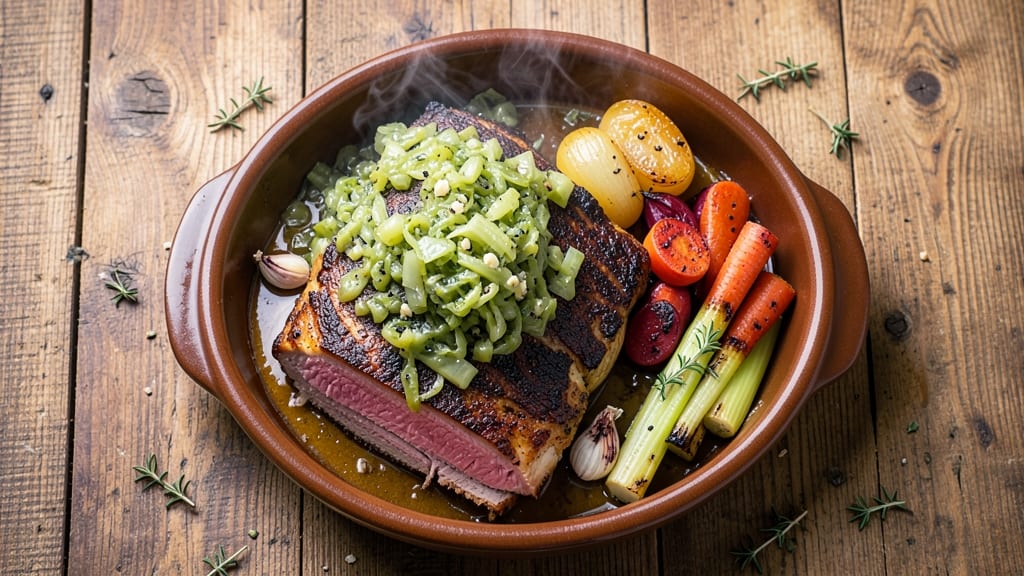
Mastering pork shoulder roast with sauerkraut delivers a smoky-sour balance that transforms simple ingredients into a restaurant-worthy meal. Growing up in small-town Georgia, I learned that slow-roasted pork shoulder—tender enough to pull apart with a fork—pairs perfectly with tangy sauerkraut to cut through the richness.
This recipe combines traditional techniques with modern precision, ensuring you achieve that perfect harmony of flavors every time.
The secret lies in the slow-roasting method, which develops deep, caramelized flavors while keeping the meat juicy and fall-apart tender. Meanwhile, the sauerkraut—whether store-bought or homemade—adds a bright, acidic contrast that elevates the dish.
With just a few key ingredients and about 3 hours of hands-off cooking time, you’ll have a meal that feels both comforting and refined, perfect for a weeknight dinner or a special gathering.
By the time you’re done, you’ll have a golden-brown pork shoulder with crisp edges and a tender interior, served alongside sauerkraut that’s warmed just enough to soften its texture without losing its tang.
The aromas alone—smoky, savory, and slightly sour—will have everyone at the table asking for seconds. This dish is foolproof, versatile, and designed to impress without requiring advanced skills.
Serve it with classic sides like creamy mashed potatoes or roasted root vegetables to round out the meal. The beauty of this recipe is its adaptability—whether you’re using a Dutch oven, slow cooker, or oven, the principles remain the same.
Let’s get started on creating a dish that tastes like home, but with professional flair.
Ingredients for pork shoulder roast and sauerkraut
Few ingredients, buttery pork, and that perfect tangy crunch. This is your one-pan smoky-sour masterpiece.
| Ingredient | Amount | Notes |
|---|---|---|
| Pork Shoulder (Boston Butt) 🥩 | 4 lb | Bone-in, skin-on preferred |
| Sauerkraut 🥬 | 2 cups | Store-bought or homemade, drained |
| Yellow Onion 🧅 | 1 whole | Medium size, sliced into half-moons |
| Carrots 🥕 | 3 whole | Medium size, cut into chunks |
| Celery Stalks 🌿 | 3 whole | Cut into 1-inch pieces |
| Garlic Cloves 🧄 | 6 cloves | Smashed, not minced |
| Apple Cider Vinegar 🍎 | ¼ cup | For tangy depth |
| Brown Sugar 🍯 | ¼ cup | Light or dark preferred |
| Dijon Mustard 🌶️ | 1 tbsp | For subtle heat |
| Smoked Paprika 🌶️ | 1 tbsp | For smoky flavor |
| Ground Black Pepper 🌶️ | 1 tsp | Freshly cracked |
| Kosher Salt 🧂 | 1 ½ tbsp | Diamond Crystal preferred |
| Olive Oil 🫒 | 2 tbsp | For searing |
| Fresh Thyme Leaves 🌿 | ¼ cup | Or 1 tsp dried thyme |
| Beer (Optional) 🍺 | 1 cup | Dark lager or stout preferred |
The pork shoulder is the star—look for a bone-in, skin-on cut at Whole Foods or your local butcher. That extra fat and bone keep the meat moist during slow roasting. If you're using store-bought sauerkraut, Reinhart's or Bubbier's are my go-tos—they've got that perfect tang without being too harsh. Fresh thyme matters here; grab a bunch and use half, freezing the rest. The beer? Only if you're feeling fancy—Guinness or a dark lager adds depth, but it's totally optional.
No smoked paprika? Regular paprika plus a pinch of liquid smoke works in a pinch. Short on beer? Apple juice or extra apple cider vinegar keeps the moisture. The onions, carrots, and celery are your mirepoix—don't skimp on chopping them evenly. They'll caramelize into sweet perfection. For the mustard, Dijon is non-negotiable—it's the secret to that perfect balance of tang and heat. If you're making this ahead, prep everything the night before and store it in the fridge—saves you time on cooking day.
This dish gets better the next day—honestly, the flavors meld into something magical. Store leftovers in the fridge for up to 5 days, or freeze portions for 3 months. To reheat, cover with foil and warm in the oven at 300°F until heated through. The sauerkraut will soften even more, but that's a good thing—it just means it's absorbed all those smoky flavors. Leftovers make killer sandwiches too—just pile it high on a crusty roll with a smear of mustard.
Why You'll Love This Recipe
- One-Pan Magic: I swear by this—just toss the pork, sauerkraut, and chopped veggies (onion, carrots, celery) into one roasting pan, add a splash of broth, and let the oven do the work. No chopping boards, no extra pots, just hands-off perfection.
- Savory Tangy Crunch: That sauerkraut isn’t just a side—it’s the star. The tangy bite cuts through the rich pork, while the caramelized onions and crispy edges on the meat make every bite ridiculously satisfying. (Yes, even on a Tuesday night.)
- Leftovers for Days: Between us, this recipe makes enough for lunch the next two days. The pork practically falls apart, so I repurpose it in sandwiches, scrambled eggs, or even tacos—no waste, just flavor.
- Budget-Friendly Feast: A whole pork shoulder feeds six for under $20, and the veggies stretch further than you’d think. Honestly, it’s the kind of meal that makes grocery day feel like a win.
Step-by-step instructions for pork shoulder roast with sauerkraut
Here's the straightforward method for a rich, smoky pork shoulder with tangy sauerkraut that's perfect for feeding four.
Season and Sear the Pork Shoulder
Pat the 4 lb pork shoulder dry with paper towels—this ensures a proper sear. In a small bowl, mix together 1.5 tbsp kosher salt, 1 tbsp smoked paprika, 1 tsp ground black pepper, and 0.25 cup fresh thyme leaves. Rub this mixture evenly over all sides of the pork shoulder, pressing it into the meat so it adheres well.
Heat a large Dutch oven or heavy pot over medium-high heat. Add 2 tbsp olive oil and let it get hot but not smoking. Place the pork shoulder fat-side down in the pot and sear for 8-10 minutes until the fat is golden brown and crispy in spots. Flip the pork shoulder and sear the other side for another 5-7 minutes. The goal is to create a flavorful crust while keeping the meat tender.
Build the Flavor Base
Remove the pork shoulder from the pot and set it aside. In the same pot, add the sliced 1 whole yellow onion, chopped 3 whole carrots, and chopped 3 whole celery stalks. Cook for 5-6 minutes until the vegetables begin to soften and release their juices. Add the 6 smashed garlic cloves and cook for another 30 seconds until fragrant.
Pour in 0.25 cup apple cider vinegar and scrape up any browned bits from the bottom of the pot—these contain concentrated flavor. If using, add 1 cup beer and let it simmer for 2-3 minutes until reduced by half. Stir in 0.25 cup brown sugar and 1 tbsp Dijon mustard, mixing well to combine. This creates a sweet-tangy foundation for the braise.
Braise the Pork Shoulder
Return the pork shoulder to the pot, fat-side up, and add 2 cups sauerkraut around it. Pour in enough water to come about halfway up the side of the pork shoulder—approximately 2-3 cups should do it. Bring the liquid to a gentle simmer, then reduce the heat to low. Cover the pot and let it cook for 3 hours, maintaining a low simmer.
After 3 hours, check the pork shoulder for doneness. It should be fork-tender with a probe thermometer reading 195-203°F in the thickest part. If it's not quite there, continue cooking for another 30-60 minutes, adding a splash of water if the liquid gets too low. The pork should be falling apart easily when pierced with a fork, indicating it's ready.
Rest and Serve
Once the pork shoulder is fully cooked, carefully remove it from the pot and transfer it to a cutting board. Tent it loosely with aluminum foil and let it rest for 15-20 minutes. This resting period allows the juices to redistribute throughout the meat, ensuring each slice is moist and flavorful.
While the pork rests, skim any excess fat from the braising liquid and adjust the seasoning if needed. Serve the pork shoulder sliced thickly, accompanied by the sauerkraut and vegetables from the pot. The combination of tender, smoky pork with tangy sauerkraut creates a perfect balance of flavors that's sure to impress.
Pro Tips For Making Pork Shoulder Roast And Sauerkraut
- Brown the Pork First: DESCRIPTION: Skip the slow start—sear that pork shoulder in a hot Dutch oven for 5-7 minutes per side before adding liquids. The crust locks in flavor and keeps the meat from turning out dry later. (Yes, even if you’re tempted to rush.)
- Drain and Rinse Sauerkraut: DESCRIPTION: Dump the sauerkraut into a colander and rinse it under cold water to cut the acidity. Strain out the brine, then pat it dry with a towel—this makes the kraut sweeter and prevents a soggy final dish. (Trust me, your taste buds will notice.)
- Don’t Overcrowd the Pot: DESCRIPTION: If your Dutch oven looks like it’s doing yoga after adding all the veggies, cook the carrots and celery in batches. Crowding steams them instead of browning, and you’ll end up with mushy roots instead of crisp-tender ones.
- Use the Fat: DESCRIPTION: After browning the pork, don’t scrape out the rendered fat—it’s liquid gold for building flavor. Deglaze the pot with a splash of apple cider vinegar or beer to lift those browned bits, then reduce it down for a richer sauce. (This isn’t the prettiest method, but it’s the tastiest.)
Perfect pairings for this pork shoulder roast and sauerkraut
Classic German Sides
This dish is pure German comfort food, so why not serve it with traditional sides? Potato dumplings (Kartoffelknödel) add a soft, starchy contrast that soaks up the smoky juices beautifully.
I make mine with grated potatoes, flour, and a pinch of nutmeg—just boil them in salted water until they float. Dark rye bread (Pumpernickel) on the side is another must for dipping into the sauerkraut juices. 🥔
Creamy Mashed Potatoes
For a Southern twist, serve with creamy mashed potatoes—just boil 2 lbs Yukon Gold potatoes until tender, mash with ½ cup butter, ½ cup whole milk, and 1 tsp salt.
The richness balances the tangy sauerkraut perfectly. I like to fold in ¼ cup sour cream for extra creaminess. 🥔✨
Roasted Root Vegetables
Toss carrots, parsnips, and celery root in 1 tbsp olive oil, 1 tsp smoked paprika, and ½ tsp thyme, then roast at 400°F for 30 minutes until caramelized. The sweetness complements the smoky pork beautifully. I often add a sprinkle of fresh parsley right before serving. 🍠
Crusty Bread and Mustard
A crusty baguette or sourdough loaf is essential for sopping up the braising liquid and sauerkraut. Serve with Dijon mustard on the side—it’s the perfect finishing touch for spreading on bread or mixing into the pork. I keep a jar of Maille Dijon on hand for this exact purpose. 🥖
Apple Compote
For a refreshing contrast, simmer 2 peeled and sliced apples, ¼ cup apple cider vinegar, 2 tbsp brown sugar, and 1 cinnamon stick for 15 minutes until syrupy. The acidity cuts through the richness of the pork, and the sweetness ties everything together. 🍎💫
Nutrition facts
Frequently asked questions
Can I use bone-in or bone-out pork shoulder for this recipe?
Bone-in pork shoulder is ideal because the bone adds flavor and keeps the meat moist during slow cooking. However, if you only have boneless, it will still work beautifully—just expect slightly faster cooking times. The skin-on version creates extra crispiness, but skinless will also turn out tender.
How do I know when the pork shoulder is fully cooked?
Use a meat thermometer to check the internal temperature at the thickest part—it should reach 195-203°F. The meat should also pull apart easily with two forks, indicating perfect tenderness. Never rely on color alone, as pork can look cooked before reaching safe temperatures.
Can I make this recipe in a slow cooker instead of a Dutch oven?
Sear the pork first, then transfer everything to your slow cooker on low for 7-8 hours or high for 4-5 hours. Add ½ cup water or beer to prevent drying out. The slow cooker method is even more hands-off and produces equally tender results.
What's the best way to reheat leftovers?
Place leftovers in an oven-safe dish, cover with foil, and warm at 300°F for 20-30 minutes until heated through. Avoid microwaving, as it can make the pork dry. For sauerkraut, reheat separately in a skillet with a splash of water to restore its texture. Leftovers taste even better the next day!
Can I substitute store-bought sauerkraut with something else?
If you can't find sauerkraut, try fermented cabbage (kimchi) for a spicy kick or quick-pickled cabbage (soak shredded cabbage in vinegar, sugar, and salt for 30 minutes). For a non-fermented option, sauté green cabbage with apple cider vinegar and caraway seeds to mimic the tangy flavor.