
Main Courses
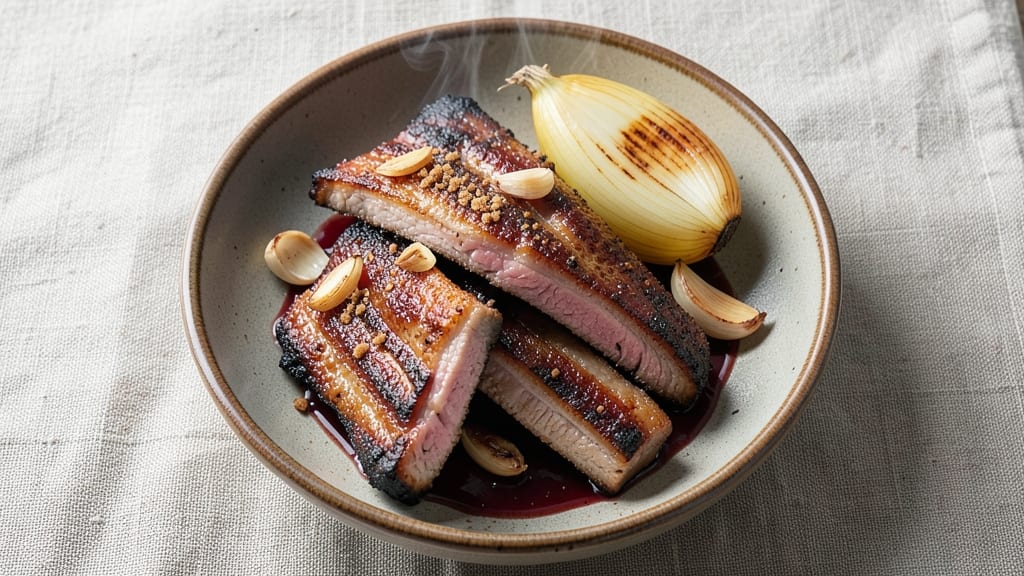
Mastering pork shoulder spare ribs transforms tough cuts into melt-in-your-mouth perfection that rivals any competition-style BBQ. Growing up in small-town Georgia, I learned that slow-braising unlocks flavors no quick cook could match—this method delivers that same restaurant-quality depth at home.
The key lies in patience and technique, not shortcuts, and I’ve perfected it after years of testing in my Atlanta kitchen.
This recipe focuses on two critical phases: first, a dry rub that forms a flavorful bark while tenderizing the meat, then a slow braise in apple cider and spices that infuses every rib with aromatic sweetness.
Unlike rushed methods, this approach ensures the connective tissue breaks down completely, leaving you with ribs that fall apart at the touch. You’ll need about 4 hours of active cooking time, but the results—caramelized edges, tender meat, and a rich sauce—are worth every minute.
By the end, you’ll have spare ribs so tender they practically shred with a fork, coated in a sticky-sauce glaze that’s perfect for dipping or slathering. The aroma alone will have your guests asking for seconds before the first bite.
Serve with classic sides like cornbread or collard greens for a full Southern spread. Let’s get started on creating ribs that’ll have everyone begging for your recipe.
For those who love leftovers, these ribs reheat beautifully—just warm them in the same braising liquid to restore their juices. The method also scales easily, so whether you’re feeding a crowd or meal prepping for the week, this foolproof technique delivers consistent results.
Trust me: once you try this, store-bought ribs won’t compare.
Ingredients for pork shoulder spare ribs
Four pounds of meat, a handful of spices, and four hours of patience. That's all you need for ribs better than any competition-style plate.
| Ingredient | Amount | Notes |
|---|---|---|
| Pork Shoulder Spare Ribs 🍖 | 4 lb | Bone-in, meaty ends included |
| Yellow Onion 🧅 | 1 whole | Chopped, yellow or red |
| Garlic Cloves 🧄 | 8 cloves | Peeled, for rub and braise |
| Apple Cider 🍎 | 2 cups | Unfiltered, not sweetened |
| Dry Mustard 🌶️ | 2 tbsp | Powdered, yellow or Dijon |
| Brown Sugar 🍚 | ½ cup | Packed, light or dark |
| Smoked Paprika 🌶️ | 1 tbsp | For deep smoky flavor |
| Ground Black Pepper 🌶️ | 1 tbsp | Freshly cracked preferred |
| Kosher Salt 🧂 | 2 tbsp | Coarse grain preferred |
| Apple Cider Vinegar 🍋 | ¼ cup | For tangy balance |
| Fresh Thyme 🌿 | ¼ cup | Leaves only, chopped |
| Fresh Rosemary 🌿 | ¼ cup | Needles only, chopped |
| Butter 🧈 | 4 tbsp | Unsalted, for finishing |
| Vegetable Oil 🫒 | 2 tbsp | For searing ribs |
The ribs are everything here. Look for pork shoulder spare ribs with good meat coverage—those meaty ends on the bones are where all the flavor happens. Costco or local butchers usually have the best cuts, but any grocery store with a decent meat counter will work. If you can't find spare ribs, baby back ribs will do in a pinch, though they'll cook faster. The key is to avoid ribs with too much fat—trim any excess before you start. For the cider, unfiltered is best—it's got more flavor and body than the sweetened stuff. If you can't find it, unsweetened apple juice works too, but you'll lose some depth.
No smoked paprika? Regular paprika plus a pinch of liquid smoke gets you close. Fresh herbs wilt fast, so dried thyme and rosemary at half the amount are fine if you're short. The mustard is non-negotiable—it cuts through the sweetness and adds a little tang. For the brown sugar, light or dark both work, but light has a cleaner flavor. If you're feeling fancy, swap the apple cider for dry white wine—just reduce the liquid by half since it's more concentrated. The butter at the end? Full-fat, unsalted—trust me on this one.
These ribs reheat like a dream—just warm them in their braising liquid for 10-15 minutes until heated through. The sauce thickens as it cools, so if it's too thin when reheating, simmer it uncovered for a minute or two. Store in the fridge for 4-5 days, or freeze for 3 months. I always make a double batch because they disappear faster than you'd think. Leftovers? Sandwiches for days.
Why You'll Love This Recipe
- One-Pan Magic: I swear by this recipe because it’s that kind of meal—just ribs, onions, and a splash of apple cider simmering together. No flipping pans, no stress, and honestly, the cleanup is just rinsing one sheet pan. That’s it.
- Tangy-Sweet Crisp: The apple cider and dry mustard work together like a dream—tender ribs with a glossy, slightly sticky glaze that’s not too sweet, not too sharp. Between us, that crispy edge when you bite in? Chef’s kiss.
- Weeknight or Weekend: I make these for lazy Tuesdays when I’m too tired to plan, and they’re just as welcome at a tailgate as they are on my dinner table. The leftovers? Even better the next day, especially reheated with a sprinkle of extra mustard.
- Budget-Friendly Feast: Pork shoulder spare ribs are cheaper than baby back, and this recipe stretches them across multiple meals without sacrificing flavor. My daughter picks out the best pieces, but we always end up with seconds—proof it’s a winner.
Step-by-step instructions for slow-braised pork shoulder spare ribs
Here's how to transform tough pork ribs into tender, caramelized perfection with this foolproof braising method.
Prepare the Dry Rub and Sear the Ribs
In a small bowl, combine the 2 tablespoons dry mustard, ½ cup packed brown sugar, 1 tablespoon smoked paprika, 1 tablespoon ground black pepper, and 2 tablespoons kosher salt. Mix until the sugar dissolves completely and the spices form a coarse paste. This dry rub will create that signature bark while keeping the meat tender.
Pat the 4 lb pork shoulder spare ribs completely dry with paper towels—this ensures maximum crispiness. Generously coat all sides with the dry rub, pressing it into the meat so it sticks. Let the ribs sit at room temperature for 30 minutes while you prepare the oven.
Preheat your oven to 325°F. Heat a large oven-safe Dutch oven over medium-high heat and add 2 tablespoons vegetable oil. Once hot, carefully add the ribs in a single layer and sear for 8-10 minutes per side until deeply golden brown. The goal is to develop flavor through the Maillard reaction—don't rush this step or the ribs will steam instead of brown.
Build the Braising Liquid and Begin Cooking
Remove the ribs from the Dutch oven and set aside. Add 1 whole chopped yellow onion and 8 peeled garlic cloves to the same pot, cooking for 2-3 minutes until softened. Deglaze the pot immediately with 2 cups apple cider, scraping up all those flavorful browned bits from the bottom.
Return the ribs to the pot, bone-side down. Add ¼ cup apple cider vinegar, ¼ cup chopped fresh thyme, and ¼ cup chopped fresh rosemary to the liquid. The acidity from the vinegar will tenderize the meat while the herbs infuse deep flavor. Bring the mixture to a simmer, then cover tightly with a lid or foil.
Transfer the pot to the preheated 325°F oven and cook for 2 hours. This low-and-slow approach breaks down the connective tissue, transforming tough meat into melt-in-your-mouth perfection. After 2 hours, flip the ribs bone-side up and continue cooking for another 30 minutes. You'll know they're ready when they pull away from the bone easily and the meat is fork-tender.
Finish with Butter and Serve
Remove the ribs from the oven and transfer them to a serving platter. Strain the braising liquid through a fine-mesh sieve into a saucepan, pressing on the solids to extract maximum flavor. Return the liquid to medium heat and reduce it by half, about 5-7 minutes, until it thickens slightly.
Remove the pot from heat and stir in 4 tablespoons butter, allowing it to melt completely. The butter adds richness and helps create a glossy finish on the ribs. Taste and adjust seasoning with additional salt if needed—remember, the ribs have been sitting in a flavorful bath, so they'll be well-seasoned.
Drizzle the reduced braising liquid generously over the ribs before serving. The combination of tender meat, caramelized edges, and aromatic sauce creates a dish that's equal parts comforting and impressive. Serve immediately with crusty bread to soak up every last bit of that delicious sauce.
Pro Tips For Making Pork Shoulder Spare Ribs
- Trim the Fat First: Before you even think about seasoning, grab a sharp knife and trim the thick fat cap off the pork shoulder spare ribs—about ¼-inch thick. I used to skip this, and my ribs ended up greasy instead of crispy. The fat renders out better when it’s thin, and your sauce won’t turn into a grease bomb.
- Brown Before Braising: Sear the ribs hard in a hot Dutch oven—3-4 minutes per side—until they’re deep golden. This isn’t just for looks; it locks in flavor and prevents them from turning mushy later. (Yes, even if you’re impatient like me.)
- Use Whole Onions: Peel and halve the yellow onion lengthwise, leaving the root intact so it holds together. Tossing chopped onion in will make your braising liquid watery and dilute the apple cider’s tang. Whole onions caramelize better and add depth without turning the sauce into soup.
- Deglaze with Cider Early: After searing the ribs, immediately pour in the apple cider and scrape up every browned bit from the bottom of the pot. This step—adding the cider right after browning—builds a richer base for your sauce. Skip it, and you’ll miss out on half the flavor.
Best sauces and condiments for this recipe
Classic Apple Cider Glaze
This is the foundation of my ribs—simple, balanced, and packed with depth. After braising, I reduce the apple cider and vinegar mixture until it thickens into a glossy sauce. For extra richness, I finish with 4 tablespoons unsalted butter while it's still warm.
The acidity from the vinegar cuts through the sweetness, while the cider adds natural caramel notes. If you want it smoother, blend the reduced liquid with an immersion blender before finishing with butter. 🍎
Smoky Chipotle Twist
For a smoky kick, add 1-2 chipotle peppers in adobo sauce (minced) to the braising liquid when you deglaze the pot. The heat builds gradually, perfect for those who love depth without overwhelming spice.
I also swap half the apple cider for chipotle-infused beer (like Deschutes Black Butte Porter) for extra complexity. This version pairs beautifully with cool, creamy sides like avocado mash.
Sweet and Tangy BBQ Sauce
For a sauce you can slather or dip, mix 1 cup ketchup, ½ cup apple cider vinegar, ¼ cup molasses, 2 tablespoons brown sugar, 1 tablespoon smoked paprika, and 1 teaspoon cayenne.
Simmer for 10 minutes until thickened, then brush over ribs in the last 30 minutes of cooking. This sauce caramelizes beautifully, creating a sticky, glossy finish. I love serving it with pickled jalapeños on the side for crunch and heat. 🌶️
Honey-Mustard Drizzle
This bright, tangy drizzle elevates the ribs without overpowering them. Whisk together ¼ cup honey, 2 tablespoons Dijon mustard, 1 tablespoon apple cider vinegar, and 1 teaspoon fresh thyme. Drizzle over ribs just before serving, or use it as a dipping sauce.
The honey adds a delicate sweetness, while the mustard keeps it from being cloying. This pairing works especially well with crusty sourdough bread for dipping.
Spiced Brown Butter Sauce
For a luxurious finish, melt 4 tablespoons brown butter in a saucepan, then add 1 teaspoon ground coriander, ½ teaspoon cinnamon, and a pinch of salt. Strain and drizzle over ribs before serving.
The nutty, caramelized flavor of brown butter adds a sophisticated touch. I often serve this version with roasted Brussels sprouts and crispy prosciutto for a gourmet twist on classic BBQ.
Nutrition facts
Frequently asked questions
What's the difference between pork shoulder spare ribs and baby back ribs?
Pork shoulder spare ribs come from the belly area and have more meat, fat, and connective tissue, making them ideal for slow braising. They're larger, meatier, and develop incredible flavor when cooked low-and-slow. Baby back ribs, from the top of the ribcage, are leaner and cook faster—perfect for grilling or quick braising methods.
Can I cook these ribs in a slow cooker instead of the oven?
After searing the ribs, transfer them to your slow cooker with all the braising ingredients. Cook on low for 6-7 hours or high for 3-4 hours, then finish with the butter. The texture will be slightly more tender since slow cookers maintain lower, more consistent temperatures. Just be sure to flip the ribs halfway through cooking.
Why do my ribs turn out tough instead of tender?
Most likely, they didn't cook long enough or weren't kept moist during cooking. Pork shoulder spare ribs need at least 2-3 hours of braising to break down the connective tissue. Always cover tightly with foil or a lid, and never skip the sear—it creates a flavorful crust while locking in juices. If using a Dutch oven, ensure it's oven-safe and fits your oven properly.
How do I store and reheat these ribs?
Store ribs in an airtight container with their braising liquid for up to 4-5 days in the fridge. To reheat, warm in the same liquid over medium-low heat for 10-15 minutes until heated through. For leftovers, they reheat beautifully—just avoid microwaving, as it can make them rubbery. The sauce thickens as it cools, so add a splash of water or apple cider if needed.
Can I substitute apple cider with something else?
Yes! For a richer flavor, use dry white wine (reduce liquid by half) or unsweetened apple juice. For a smoky twist, try chipotle-infused beer (like porter). Just maintain the same acidity level—vinegar or citrus juice works in a pinch. Avoid sweetened drinks as they'll make the ribs too cloying. The key is balancing sweetness with acidity for that signature tang.