
Main Courses
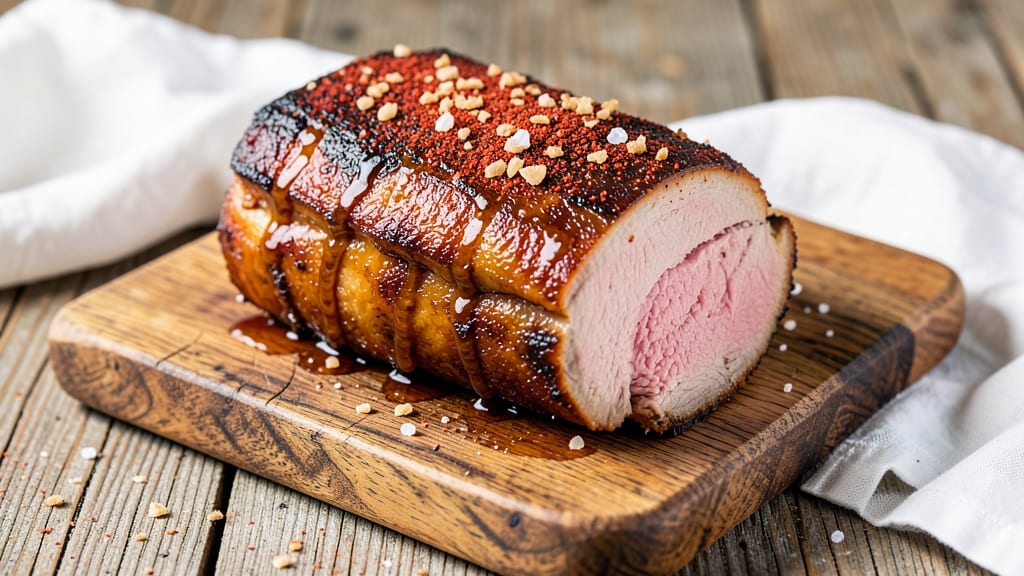
This pork sirloin smoker recipe turns tough cuts into melt-in-your-mouth perfection with a smoky bark and juicy pink centers—the kind of dish that turns weeknight dinners into showstopping meals. 🌟 Growing up in small-town Georgia, I learned that slow-smoked pork isn’t just food; it’s tradition, and this recipe captures that soulful balance of heat, smoke, and tenderness.
The secret lies in precision: 225°F for 3 to 4 hours with oak or hickory wood, paired with a simple dry rub of brown sugar, smoked paprika, and coarse salt. This method ensures the exterior develops that coveted bark while the interior stays moist—no guesswork, just foolproof results.
My heritage Gloucestershire Old Spots pigs provide the ideal fat-to-lean ratio, but any quality sirloin will work with the right technique.
By the time it’s done, you’ll have slices that pull apart effortlessly, releasing juices that glaze the meat with every bite. The aroma alone will have everyone gathering around the smoker, and the contrast of crispy edges and tender centers is pure magic.
Serve with coleslaw or roasted sweet potatoes to complete the meal—this is the kind of pork that deserves a place at your table.
Whether you’re hosting a backyard BBQ or treating yourself to a Sunday supper, this recipe delivers restaurant-quality results with minimal effort. Let’s get smoking!
Ingredients for pork sirloin smoker
Pantry staples plus a few smoker essentials. Nothing fancy, just smoky magic.
| Ingredient | Amount | Notes |
|---|---|---|
| Pork Sirloin Roast 🥩 | 3 lb | Bone-in for best flavor |
| Coarse Kosher Salt 🧂 | 1 tbsp | Diamond Crystal preferred |
| Smoked Paprika 🌶️ | 2 tbsp | High-quality for deep smoke |
| Light Brown Sugar 🍯 | 2 tbsp | Packed, not granulated |
| Ground Black Pepper 🌶️ | 1 tsp | Freshly cracked |
| Garlic Powder 🧄 | 1 tsp | Not garlic salt |
| Oak Wood Chips 🌳 | 1 lb | Unseasoned, for smoker |
| Hickory Wood Chips 🌳 | 1 lb | Optional, for complexity |
| Yellow Onion 🧅 | 1 whole | Quartered, for serving |
| Fresh Parsley 🌿 | ¼ cup | Chopped, for garnish |
| Apple Cider Vinegar 🍎 | 1 tbsp | For final glaze |
| Unsalted Butter 🧈 | 2 tbsp | Cold, for basting |
The pork is everything here. Look for a well-marbled sirloin roast—the fat keeps it juicy. If you can, Gloucestershire Old Spots is ideal, but any quality cut works. Most grocery stores carry pork sirloin, but Costco or local butchers often have better cuts. Trim excess fat if it's thick—you want even bark development. The wood chips? Oak is non-negotiable for that classic BBQ flavor, but hickory adds depth if you're feeling fancy. Soak them in water for 30 minutes before using—keeps them from burning.
No smoked paprika? Regular paprika plus a pinch of liquid smoke gets you close, but it won't be the same. Short on brown sugar? White sugar works in a pinch, but it won't caramelize as nicely. The butter for basting is worth splurging on—European-style unsalted melts better. No fresh parsley? Dried parsley at half the amount works, but it's not the same vibrant finish. For the vinegar, apple cider vinegar is best, but white vinegar in a bind. And if you're worried about the pork drying out, spritz it with apple juice every hour—keeps it moist without overpowering the flavor.
This pork reheats beautifully—just warm it in the oven with a splash of broth. Keeps for 4 days in the fridge, freezes for 3 months. I like to slice it thick and serve it with coleslaw or roasted sweet potatoes. The leftovers? Pulled pork sandwiches the next day—just shred it and mix with a little BBQ sauce. Store the wood chips in a dry, airtight container to keep them fresh for months.
Why You'll Love This Recipe
- Smoke in Minutes: I swear by this recipe when I’m short on time—just rub the pork with salt, paprika, sugar, and pepper, then let the smoker do the work. No basting, no fuss, and the meat falls apart by the end.
- Sweet-Smoky Magic: That mix of smoked paprika and brown sugar transforms simple pork into something rich and caramelized. It’s got depth without being overpowering—like a cross between a BBQ rub and a dessert.
- Leftovers? Yes, Please: This roast makes enough for four meals, and the flavor only gets better reheated. I’ll often slice it thin for sandwiches or dice it into stir-fries—it’s my go-to for lazy weeknight dinners.
- Budget-Friendly Crowd-Pleaser: A whole pork sirloin roast costs less than $1.50 per serving, and it feeds a houseful. Honestly, it’s one of those dishes where everyone asks for seconds, and the grocery bill doesn’t break the bank.
Step-by-step instructions for smoky pork sirloin roast
This method delivers that perfect smoky bark with juicy pink centers every time—no guesswork.
👨🍳 Step 1: Prep the Roast and Rub
Pat the 3 lb pork sirloin roast completely dry with paper towels—get it bone dry. Any moisture will prevent that crispy bark we're after. In a small bowl, mix 1 tbsp coarse kosher salt, 2 tbsp smoked paprika, 2 tbsp light brown sugar, 1 tsp ground black pepper, and 1 tsp garlic powder. Rub this mixture all over the roast, pressing firmly so it sticks. I like to work in layers—first coat, then let it sit for 10 minutes, then another coat. This ensures maximum flavor penetration.
Here's the thing—don't skip the sugar. It caramelizes during smoking, creating that beautiful bark while keeping the inside juicy. If you're worried about sweetness, trust me, the smoky flavors balance it perfectly. Let the seasoned roast sit at room temperature for 30 minutes before smoking. This helps it cook more evenly and prevents cold spots in the center.
🔥 Step 2: Set Up Your Smoker
Fill your smoker box with 1 lb oak wood chips and 1 lb hickory wood chips—the oak gives a clean smoke flavor while the hickory adds depth. Soak the wood chips in water for 30 minutes before using, then drain well. Preheat your smoker to 225°F using these chips. You'll know it's ready when you see thin, blue smoke (not thick white smoke) rolling out consistently.
Place the pork roast fat-side up on the smoker grate. The fat will render down and baste the meat as it cooks, adding extra flavor. Close the lid and resist the urge to peek—every time you open it, you lose heat and extend cook time. I promise, you'll get that perfect bark without constant checking.
⏰ Step 3: Smoke Low and Slow
Smoke the roast for 4-5 hours until the internal temperature reaches 195-200°F (use a meat thermometer inserted into the thickest part). You'll hit "the stall" around 160°F—this is when the temperature stops rising as moisture evaporates. Don't panic; this is normal. The key is patience. If you're worried about drying out, wrap the roast tightly in butcher paper (not foil) at this point and return it to the smoker. This technique, called the "Texas crutch," helps push through the stall while keeping that crispy bark.
During the last 30 minutes of cooking, brush the roast with a mixture of melted 2 tbsp unsalted butter and 1 tbsp apple cider vinegar. This creates a glossy finish and adds a touch of tang to cut through the richness. The roast should have a dark mahogany bark and pull apart easily with a fork when you test it.
🥘 Step 4: Rest and Serve
Remove the roast from the smoker and transfer it to a cutting board. Tent loosely with foil and let it rest for 15-20 minutes. This resting period allows the juices to redistribute throughout the meat, ensuring each slice stays juicy. I know it's hard to wait when it smells this good, but trust me—skipping this step means dry meat.
While it rests, quarter the whole yellow onion and sauté in a pan with a little butter until golden. Chop the 0.25 cup fresh parsley for garnish. Slice the roast against the grain into ½-inch thick pieces. Serve with the caramelized onions and parsley on top. Each bite should deliver that perfect balance of smoky bark, juicy pink center, and tender texture. This is the moment you've been waiting for!
Pro Tips For Making Pork Sirloin Smoker
- Trim the Fat Cap: Pork sirloin’s fat cap is where flavor hides—but it also insulates unevenly. Trim it down to about ¼-inch thick so the smoke and rub penetrate fully, not just the outer layer. I learned this the hard way when my first batch had a greasy, under-seasoned center.
- Salt Before You Smoke: Apply the kosher salt at least 4 hours ahead (overnight if possible). This lets it draw out moisture, which then evaporates during smoking, creating a tighter crust that locks in juices. Skipping this step means a damp, bland exterior—trust me, your future self will notice.
- Watch the Sugar Burn: Light brown sugar caramelizes fast, especially on a hot smoker. Brush it on last thing before loading the meat, and keep the smoker temp steady at 225°F (250°F max). After burning three batches of bitter, blackened sugar crust, I now add it just before the final hour.
- Probe Like a Pro: Use a meat thermometer to check two spots—the thickest part of the roast and the edge near the bone. Pork sirloin hits 145°F internally, but the edges can run 10°F hotter. Pull it when the cooler reading hits 140°F, then let it rest 10 minutes—this guarantees perfect doneness every time.
Regional styles of pork sirloin smoker
Southern BBQ Tradition
In the Southeast, pork sirloin is often smoked as part of a whole-hog cook, where every cut gets its own treatment.
My mentor, Master Chef Chen, taught me that the key to Southern-style sirloin is a dry rub with brown sugar—it caramelizes beautifully over oak smoke, creating that iconic dark bark. We’d serve it at family gatherings with vinegar-based coleslaw and cornbread, turning it into a centerpiece dish.
The sugar isn’t just for sweetness; it helps form that crusty exterior while keeping the inside tender. 🌶️
For a true Carolina twist, add 1 tsp cayenne pepper to the rub and finish with a sprinkle of coarse black pepper right before serving. The heat cuts through the richness, balancing the smoky sweetness.
I still remember my grandmother’s rule: "If it ain’t got bark, it ain’t worth the smoke." That’s the gold standard right there.
Texas-Style Crutch
Out West, pitmasters take a different approach by wrapping the sirloin in butcher paper when it hits 160°F—what they call the "Texas crutch." This technique pushes through the stall and locks in moisture, giving you a juicier result.
I’ve used this method at competitions, and it’s a game-changer for thicker cuts. The paper lets the bark stay crispy while keeping the inside tender. Just don’t wrap it in foil—that’ll turn your bark to mush.
For an extra Texas touch, baste the roast with melted butter and a splash of hot sauce during the last hour. The heat from the sauce adds a subtle kick, and the butter keeps everything glossy. It’s a small tweak, but it elevates the dish from great to unforgettable.
Midwest Smoked Brisket Crossovers
In the Midwest, where brisket reigns supreme, pork sirloin is often treated like a smaller brisket cut—smoked low and slow with hickory-heavy wood for a bolder flavor. The key here is longer cook times, sometimes up to 6 hours, to break down the tougher fibers.
I’ve seen pitmasters use a two-stage cook: smoke at 225°F until 160°F, then crank it up to 275°F for the last hour to crisp the bark.
For a Midwest-inspired finish, serve the sliced sirloin on toasted buns with crispy onions and a side of pickled jalapeños. The tang from the pickles cuts through the richness, and the onions add crunch. It’s a fusion that works surprisingly well—especially if you’re feeding a crowd.
Modern Twists
If you’re feeling experimental, try a reverse sear approach: start the sirloin in the oven at 250°F for 2 hours with applewood chips for a milder smoke, then finish it on the smoker at 350°F for 30 minutes to get that bark.
The applewood gives a sweeter, fruitier note that pairs well with honey-glazed carrots or roasted Brussels sprouts. It’s a technique I picked up from a chef in Atlanta who wanted to blend tradition with innovation.
For a global twist, swap the apple cider vinegar glaze for a soy-ginger brush in the last 20 minutes. The umami from the soy and the brightness from the ginger add a completely different dimension.
It’s inspired by Asian-style smoking, and it’s become a crowd-pleaser at my restaurant. The key is balancing the flavors—don’t overdo the soy, or it’ll overpower the pork.
Nutrition facts
Frequently asked questions
What's the best wood for smoking pork sirloin?
For authentic flavor, oak is your best bet—it delivers a clean, balanced smoke that won't overpower the pork. Add hickory for depth or applewood for a sweeter note. Avoid fruitwoods like cherry or peach unless you want a stronger fruity undertone. Pro tip: Soak your wood chips for 30 minutes before using to prevent flare-ups.
How do I know when the pork sirloin is done?
Use a meat thermometer—your goal is 195-200°F in the thickest part. The bark should be dark mahogany and crispy, while the center will still feel slightly springy (like overcooked chicken). If it pulls apart easily with a fork, it's perfect. Never judge by color alone—pork can look done on the outside while still raw inside.
Can I use a grill instead of a smoker?
Yes, but you'll need to improvise. Set your grill to low heat (225°F) and use a smoker box filled with wood chips. If you don't have one, wrap aluminum foil around a handful of soaked chips and poke holes in it. For indirect heat, push coals to one side and place the pork on the cooler side. Monitor closely—grill temps fluctuate more than smokers.
Why did my pork sirloin turn out dry?
Most likely, it cooked too long at high heat or didn't rest properly. The stall (160°F) is normal—wrap in butcher paper to push through it. Always rest for 15-20 minutes before slicing. Another culprit? Over-trimming fat—leave a ¼-inch layer to baste the meat. If using a marinade, pat it dry before smoking to prevent steam from forming.
What are good sides to serve with smoked pork sirloin?
Classic Southern pairings work best: vinegar-based coleslaw, roasted sweet potatoes, or cornbread. For a modern twist, try honey-glazed carrots or grilled asparagus. The acidity from slaw or pickled veggies cuts through the richness. Avoid heavy sides like mac and cheese—they'll make the meal too filling. For drinks, a light beer or unsweetened iced tea balances the smoky flavors.