
Main Courses
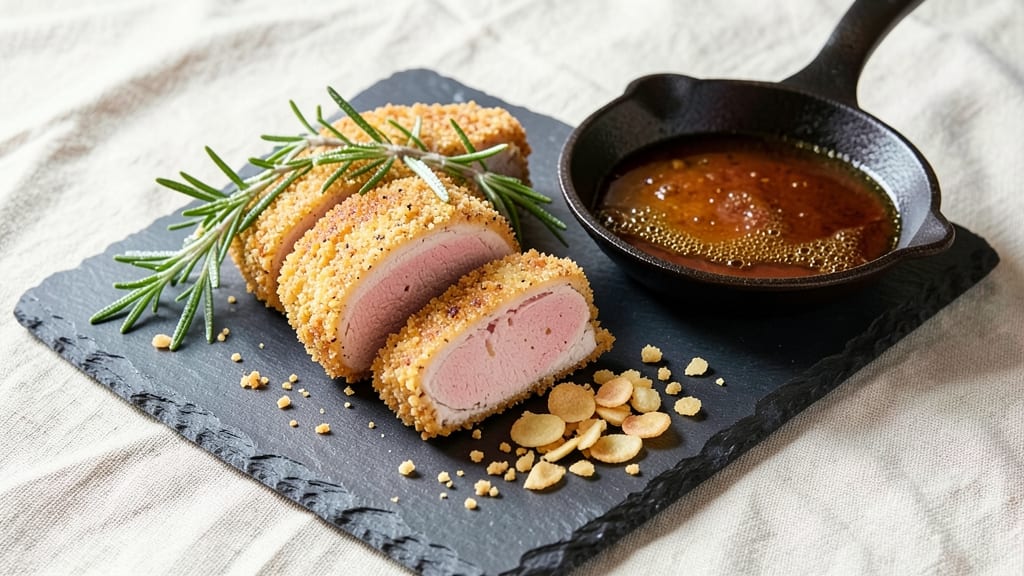
A pork tenderloin breading recipe that delivers a crispy cornflake crust while keeping the meat impossibly juicy inside is the secret weapon I perfected after years of testing in my Atlanta kitchen. Growing up in small-town Georgia, I learned pork deserves respect—tender, flavorful, and never dry.
This method combines a light cornflake crust with a precise seasoning blend that locks in moisture while creating that satisfying crunch.
The key lies in the breading technique: a three-stage coating of flour, egg wash, and crushed cornflakes ensures maximum crispiness without overwhelming the delicate pork.
We're talking golden-brown shards that shatter at the touch, revealing pink centers that stay tender and juicy at 145°F. This isn't your typical heavy breading—just enough texture to satisfy without sacrificing the meat's natural flavor.
What you'll end up with is a restaurant-quality cut that's foolproof to execute at home. The cornflakes add a subtle sweetness that pairs perfectly with the savory pork, while the internal seasoning ensures every bite delivers that melt-in-your-mouth texture.
This recipe serves four and comes together in under 45 minutes, making it ideal for weeknight dinners that feel special.
Serve with a herb butter sauce or apple compote to complement the crispy exterior and tender interior. The leftovers reheat beautifully, though I can't promise they'll last that long. Let's get cooking—this pork tenderloin will become a regular on your dinner table.
Ingredients for pork tenderloin breading
Fourteen ingredients, three stages, and a crust that shatters like gold—this is your pork tenderloin game-changer.
| Ingredient | Amount | Notes |
|---|---|---|
| Pork Tenderloin 🥩 | 1 ½ lb | Center-cut, trimmed of silver skin |
| All-Purpose Flour 🌾 | ½ cup | Lightly sifted for even coating |
| Large Eggs 🥚 | 2 whole | Room temperature for even coating |
| Cornflakes 🍞 | 1 ½ cups | Crushed into fine crumbs (not powder) |
| Granulated Garlic Powder 🧄 | 1 tbsp | Freshly ground preferred |
| Onion Powder 🧅 | 1 tbsp | Fine grind for even distribution |
| Diamond Crystal Kosher Salt 🧂 | 1 tsp | For seasoning and crust |
| Ground Black Pepper 🌶️ | ½ tsp | Freshly cracked for best flavor |
| Paprika 🌶️ | ½ tsp | Smoked variety for depth |
| Unsalted Butter 🧈 | 2 tbsp | Melted for basting |
| Fresh Thyme Leaves 🌿 | ¼ cup | Chopped, for internal seasoning |
| Extra-Virgin Olive Oil 🫒 | 1 tbsp | For searing pork |
The pork tenderloin needs to be center-cut—that's where the tenderness lives. Butcher shops often have it pre-trimmed, but if you're grabbing from the grocery store, ask for the silver skin removed—it's that thin, papery layer. I always buy mine from Whole Foods or my local Hearthside Farms butcher—they keep it vacuum-sealed and fresh. The cornflakes? Kellogg's are my go-to—they crush perfectly without turning to dust. For the spices, Penzeys or the bulk bins at Trader Joe's are worth the splurge if you cook often.
No cornflakes? Panko breadcrumbs work in a pinch, but they'll be denser. Short on fresh thyme? Dried thyme at one-third the amount gets you close. The flour is non-negotiable for that initial coating—it's what helps the egg wash stick. For the egg wash, room temperature eggs are key—they coat more evenly. If you're prepping ahead, you can mix the dry breading ingredients (flour, spices, crushed cornflakes) up to 2 days ahead in an airtight container. The butter and olive oil should be high-quality—this isn't the place to skimp.
This breading stays crispy for 3 days in the fridge if stored properly—keep the pork in an airtight container with a paper towel underneath to absorb any moisture. For longer storage, freeze the breaded tenderloin for up to 3 months. Thaw overnight in the fridge before cooking. The leftovers reheat beautifully in a 350°F oven for 10-12 minutes—just cover with foil to keep them moist. Trust me, they'll disappear faster than you can say 'crispy crust'
Why You'll Love This Recipe
- Crispy in Minutes: I swear by the cornflake crust—it’s the secret to that perfect crunch without frying. Just toss the flour, egg, and crushed cornflakes together, dip, and bake. No breading station needed.
- Garlic Kiss Magic: That granulated garlic powder? It’s the flavor MVP. The breading sticks like glue, and every bite delivers a warm, savory punch that makes plain pork taste like it belongs on a restaurant menu.
- Weeknight Wonder: Between us, this is my go-to for busy nights. The tenderloin cooks fast, the breading stays crispy, and leftovers reheat like a dream. Pack it for lunch or freeze it—no guilt, just satisfaction.
- Budget-Friendly Flex: Pork tenderloin is lean, affordable, and this recipe stretches it further. Use half for dinner, save the rest for sandwiches or salads. Honestly, I’ve fed four people for under $10 with this trick.
Step-by-step instructions for crispy cornflake-crusted pork tenderloin
This method delivers a perfect balance of crunchy cornflake crust and succulent pink centers every time.
Prepare the Pork with Internal Seasoning
Preheat your oven to 375°F. Pat the 1.5 lb pork tenderloin dry with paper towels—this ensures maximum crispiness in the crust. Using a sharp boning knife, make a shallow lengthwise cut down the center without cutting all the way through, then open it like a book. This creates a flat surface for even cooking.
In a small bowl, combine the 0.25 cup chopped fresh thyme leaves, 1 tbsp granulated garlic powder, 1 tbsp onion powder, 1 tsp diamond crystal kosher salt, and 0.5 tsp ground black pepper. Gently stuff this mixture into the opened pork, then close it back up and secure with kitchen twine. The thyme infuses flavor while the spices create a flavorful crust from within.
Create the Cornflake Breading Station
In a shallow dish, whisk together the 0.5 cup all-purpose flour, 0.5 tsp paprika, and an additional 0.5 tsp diamond crystal kosher salt. In another dish, crack the 2 whole large eggs and whisk them lightly—room temperature eggs create a smoother coating. In a third dish, crush the 1.5 cups cornflakes into fine crumbs using a rolling pin or ziplock bag and a heavy pan. The finer the crumbs, the more even the crust.
This three-step breading station prevents cross-contamination and ensures each layer adheres perfectly. Work quickly once you start breading to maintain the cornflakes' crispiness.
Sear and Baste the Pork
Heat 1 tbsp extra-virgin olive oil in a large oven-safe skillet over medium-high heat until shimmering. Dip the pork in the flour mixture first, shaking off any excess, then in the egg wash, allowing excess to drip off. Press the pork into the cornflake crumbs, coating all sides thoroughly. The cornflakes should stick firmly—don't be shy with the crumbs.
Carefully place the coated pork in the hot skillet and sear for 2 minutes per side until golden brown. Remove the pork and set it aside. Reduce heat to medium, add the 2 tbsp melted unsalted butter to the skillet, and let it foam for 30 seconds. Return the pork to the skillet, spooning the butter over it to baste.
Bake to Juicy Perfection
Transfer the skillet to the preheated 375°F oven and bake for 20-25 minutes, or until the internal temperature reaches 145°F on a meat thermometer. The cornflake crust should be deep golden brown and crispy, while the pork should be juicy pink inside. If the crust begins to brown too quickly, tent loosely with foil to prevent burning.
Here's the thing—this is where patience pays off. The cornflakes need time to fully crisp while the pork reaches its perfect doneness. You'll know it's done when the crust is crackling and the juices run clear when you pierce the thickest part with a knife.
Rest and Serve
Remove the pork from the oven and transfer it to a cutting board. Let it rest for 10 minutes before slicing—this crucial step allows the juices to redistribute, ensuring each slice remains moist and flavorful. The cornflake crust will stay crispy during this time, so don't skip it.
Slice the pork into ½-inch thick medallions and serve immediately. The contrast of the crispy cornflake crust with the tender, juicy pork creates a truly satisfying bite. Pair with roasted vegetables or a fresh herb sauce to complete the meal.
Pro Tips For Making Pork Tenderloin Breading
- PAT THE DRY: Wrap your pork in paper towels and press hard for 10 minutes before breading. I learned this the hard way—wet meat soaks up egg and flour like a sponge, turning your crispy crust into a sad, gluey mess. Trust me, the extra two minutes save you from second-guessing the whole dish.
- CRUSH THOSE FLAKES: Pulse the cornflakes in a food processor for 10 seconds before mixing. Whole flakes clump into uneven armor, leaving soft spots where the breading won’t stick. A quick pulse gives you that perfect, fine crumb texture without overworking it—just enough to make the crust uniform.
- DON’T SKIP THE REST: Let the breaded pork sit on a wire rack for 5 minutes after dredging. The flour needs time to absorb the egg fully, or it’ll slide off in the pan. I used to rush this, and half my breading ended up in the fryer. Five minutes is all it takes—set a timer if you’re impatient like me.
- SEAR IN BATCHES: Cook only 2 pieces at a time in hot oil, or your pan will steam instead of brown. Crowding the pan drops the temperature, and suddenly you’re left with soggy breading instead of that golden, shatteringly crisp finish. A little patience here guarantees the texture you’re after.
Common mistakes when making great pork tenderloin breading
Over-Breading Pitfalls
One of the biggest mistakes I see is going too heavy-handed with the cornflake breading. When you layer on too many cornflakes, they create an uneven, soggy crust instead of crispy shards. I recommend pressing the pork firmly into the crumbs—just enough to stick—rather than piling them on.
The cornflakes should form a ¼-inch thick layer maximum. Too much breading also extends cooking time, risking dryness in the center. 🥩
Skipping the Resting Phase
I can't stress this enough: never skip the 10-minute rest after baking. Cutting into the pork immediately causes juices to spill out, leaving you with dry, flavorless slices. The cornflake crust will stay crispy during this time, but the internal temperature continues to rise 5-10°F after removal from heat.
This carryover cooking ensures perfect doneness. Trust the process—your patience will be rewarded with juicy, tender meat.
Uneven Seasoning Inside
The internal seasoning blend is where flavor happens, so don't rush this step. When stuffing the thyme and spices into the pork, make sure to distribute them evenly between both sides of the cut. I've seen home cooks load all the seasoning on one side, leaving the other half bland.
Use your fingers to gently press the mixture into the meat before closing it up. This ensures every bite has that aromatic thyme and savory spice profile. 🌿
High Heat Searing Mistakes
Many home cooks crank the heat too high when searing, which burns the cornflake crust before the pork cooks through. Aim for medium-high heat until you see the oil shimmering but not smoking. If your pan is smoking excessively, reduce the heat immediately.
The cornflakes need time to crisp properly, not char. I use a cast iron skillet because it retains heat evenly—my Lodge skillet is my go-to for this recipe. 🔥
Improper Temperature Control
Using an oven thermometer is non-negotiable for consistent results. I've seen home ovens run 25°F hotter or colder than their settings, which completely throws off cooking times. For this recipe, maintain a precise 375°F throughout baking.
If your crust browns too quickly, tent it loosely with foil. The internal temperature should reach 145°F—any higher risks dryness. A good instant-read thermometer is your best friend here.
Using Cold Ingredients
Cold eggs and cold pork are the enemies of crispy breading. Room temperature ingredients coat more evenly and create a better seal for moisture retention.
Take your eggs out of the fridge 30 minutes before breading, and let the pork sit at room temperature for 20 minutes after patting it dry. I learned this lesson the hard way—my first attempts with cold ingredients always resulted in uneven crusts and less-than-juicy meat.
This small step makes a world of difference. ❄️
Nutrition facts
Frequently asked questions
Can I use panko instead of cornflakes for the breading?
Yes, but expect a denser texture. Panko creates a thicker, more substantial crust that works well for heartier dishes. For a lighter, crispier version like this recipe, cornflakes provide that signature shatter while keeping the crust delicate. If you prefer panko, reduce the amount to 1 cup instead of 1.5 cups to maintain crispiness.
How do I keep the breading from falling off?
The key is proper layering and timing. Start with a thin, even flour coating, then press the pork firmly into the cornflakes—don't just dust them on. For extra adhesion, chill the breaded pork in the fridge for 15-20 minutes before cooking to help the egg wash set. Also, avoid overcrowding the pan during searing, which can cause steam and loosen the crust.
What's the best way to reheat leftovers without losing crispiness?
Reheat in a 400°F oven for 8-10 minutes on a wire rack over a baking sheet. The elevated rack allows hot air to circulate around the crust, keeping it crispy. Avoid microwaving—it turns the breading soggy. For extra crunch, broil for 1-2 minutes at the end, watching closely to prevent burning.
Can I make this recipe ahead of time?
Bread the pork up to 24 hours ahead and store it uncovered in the fridge to keep the crust dry. Cook within 48 hours for best results. For longer storage, freeze the fully breaded tenderloin (uncooked) for up to 3 months. Thaw overnight in the fridge before cooking. The cornflakes stay crispy when stored properly.
Why does my pork come out dry?
Overcooking is the most common cause. The pork is done at 145°F internal temperature—any higher and it dries out. Use a meat thermometer for accuracy. Also, avoid cutting into it immediately; let it rest for 10 minutes to redistribute juices. If your oven runs hot, tent the pork with foil during baking.