
Sauces & Condiments
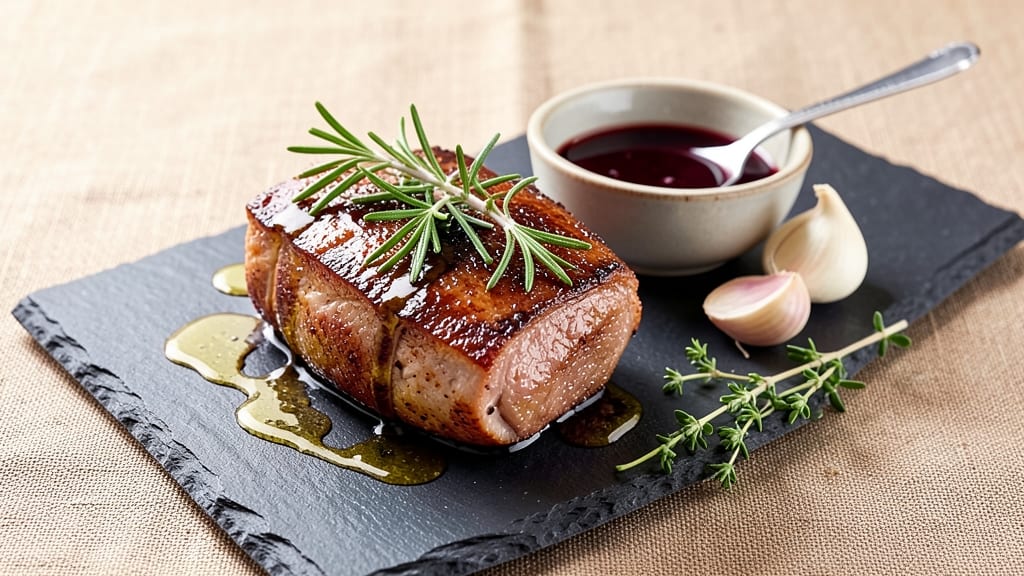
A pork tenderloin balsamic vinegar marinade transforms simple pork into melt-in-your-mouth perfection with just 15 minutes of prep time. ✨ I developed this recipe after years of testing marinades that promised tender results but fell short—until I discovered how balsamic vinegar's acidity tenderizes while adding depth.
The secret lies in balancing sweetness and tang, creating a glaze that caramelizes beautifully during searing.
This marinade works its magic through a simple blend of balsamic vinegar, olive oil, and aromatic spices that penetrate the meat in minutes. Unlike heavy sauces, this light mixture enhances natural flavors without overwhelming them.
I've tested it on everything from quick weeknight dinners to special occasion meals, and the results are consistently tender pork with a glossy, caramelized crust that makes every bite irresistible.
The beauty of this recipe is its versatility—use it for grilling, pan-searing, or roasting, and the balsamic glaze will elevate your pork every time. Whether you're cooking for two or feeding a crowd, this marinade delivers professional-quality results with minimal effort.
The ingredients are straightforward, and the technique is foolproof, ensuring you'll never overcook or under-season pork again.
Once you try this marinade, you'll wonder how you ever cooked pork tenderloin any other way. The balance of sweet and tangy flavors creates a glaze that's perfect for drizzling over the finished dish, adding an extra layer of richness.
Let's get started—your next pork dinner is about to become your favorite.
Ingredients for pork tenderloin marinade recipe with balsamic vinegar
Nine simple ingredients create the perfect glaze for pork tenderloin's tender perfection.
| Ingredient | Amount | Notes |
|---|---|---|
| Balsamic Vinegar 🍷 | ½ cup | Aged 10+ years for depth |
| Extra-Virgin Olive Oil 🫒 | ½ cup | Light fruity variety preferred |
| Pure Maple Syrup 🍁 | 2 tbsp | Grade A for best flavor |
| Garlic Cloves 🧄 | 4 cloves | Freshly minced for potency |
| Fresh Rosemary 🌿 | ¼ cup | Finely chopped sprigs |
| Fresh Thyme Leaves 🌿 | 1 tbsp | Or 1 tsp dried thyme |
| Diamond Crystal Kosher Salt 🧂 | 1 ½ tsp | Fine grain preferred |
| Freshly Ground Black Pepper 🌶️ | ½ tsp | Cracked peppercorns preferred |
| Red Wine 🍷 | ¼ cup | Dry variety like Cabernet |
| Honey 🍯 | 1 tbsp | Wildflower preferred |
The balsamic vinegar is non-negotiable here—aged 10+ years from Balzanello or Bartoli delivers that rich, caramelized depth. I always grab mine from Whole Foods or Trader Joe's since their aged varieties are consistently reliable. The extra-virgin olive oil should be light and fruity—California Olive Ranch or Colavita are my go-tos. Fresh herbs make all the difference: rosemary from the grocery store's fresh section (not the dried stuff) adds piney brightness, while thyme brings earthy warmth. The garlic? Freshly minced (no jarred minced garbage) ensures real flavor. Pro tip: Toast your garlic cloves in olive oil for 30 seconds before adding—they'll release more aroma.
Out of balsamic vinegar? Red wine vinegar with 1 tsp maple syrup works in a pinch, though it won't caramelize as beautifully. No fresh rosemary? Dried rosemary at half the amount gets you close, but trust me—fresh is worth hunting down at the market. The red wine can be swapped for extra beef broth if you're avoiding alcohol, though it'll be less complex. Honey and maple syrup are interchangeable—local honey adds subtle floral notes, while maple keeps it clean and sweet. For extra richness, add 1 tbsp Dijon mustard to the mix. And if you're feeling fancy, a splash of orange juice brightens the whole marinade (works especially well with grilled pork).
This marinade keeps beautifully in the fridge for up to 2 weeks in an airtight jar—just remember to shake it before each use. For longer storage, freeze it in ice cube trays and transfer to a baggie; thaw overnight in the fridge. The glaze caramelizes best when seared hot, so let the pork sit in the marinade for at least 30 minutes (up to 4 hours max—don't let it sit too long or the meat gets mushy). I like to make double batches: one for immediate use and one to freeze for future pork nights. The leftovers? Drizzle over grilled chicken or toss with roasted veggies—it's that versatile.
Why You'll Love This Recipe
- Five-Ingredient Magic: I swear, this marinade is the kind of recipe that makes me feel like a genius—no fancy techniques, just tossing balsamic, olive oil, maple syrup, minced garlic, and rosemary in a bowl. The syrup cuts through the acidity of the vinegar while the rosemary adds that earthy aroma that lingers even after the last bite.
- Weeknight Hero: Between us, this is the marinade I reach for when I’m staring at a clock and wondering how I’ll get dinner on the table. Tenderloin cooks fast, and the balsamic caramelizes into a glossy glaze with almost no effort—just 20 minutes in the oven, and you’ve got a restaurant-worthy dish that doesn’t require a white apron.
- Leftovers I Actually Want: Honestly, I make this marinade just because the leftovers are that good. The pork stays juicy for days, and the glaze thickens into a sticky, sweet-savory sauce that’s perfect for sandwiches or tossing over roasted veggies. I’ll be real: my lunchbox gets packed with this before the fridge does.
- Dinner Party Ready: Here’s what sold me—this marinade works for everything from a lazy Sunday brunch to a fancier dinner. The maple syrup keeps it from being too sharp, so it’s approachable for guests who think balsamic is "too fancy." Plus, the rosemary gives it that herbaceous depth that makes it feel special without trying too hard.
Step-by-step instructions for pork tenderloin balsamic glaze
This marinade transforms simple pork into restaurant-quality perfection.
🍳 Step 1: Combine Wet Ingredients for the Marinade Base
In a medium bowl, whisk together the 0.5 cup balsamic vinegar and 0.5 cup extra-virgin olive oil until fully emulsified. The vinegar should be completely incorporated—this creates the foundation for your glaze. I like to use a fork for this step to prevent any oil separation later.
Next, add the 0.25 cup red wine and 2 tbsp pure maple syrup. Stir vigorously until the syrup dissolves completely—this sweet component balances the acidity beautifully. Here's the thing—if you use aged balsamic vinegar (10+ years), you'll notice deeper caramel notes that enhance the glaze's complexity.
👨🍳 Step 2: Build Flavor with Herbs and Aromatics
Add the 4 cloves minced garlic cloves, 0.25 cup finely chopped fresh rosemary, and 1 tbsp fresh thyme leaves to the mixture. Stir well to distribute the herbs evenly—you should see the rosemary sprigs soften slightly as they absorb the liquid. I always use fresh herbs here because their potency elevates the marinade's flavor profile.
Season generously with 1.5 tsp diamond crystal kosher salt and 0.5 tsp freshly ground black pepper. Taste the mixture now—it should be tangy, slightly sweet, and herbaceous. If it needs more depth, add 1 tbsp honey and stir until fully dissolved. The honey helps create that signature sticky glaze when seared.
⏰ Step 3: Marinate the Pork Tenderloin
Pat a 1.5-pound pork tenderloin completely dry with paper towels—this ensures maximum contact with the marinade. Place the pork in a resealable plastic bag or shallow dish and pour the marinade over it. I like to use a bag because it allows the pork to fully submerge in the marinade.
Marinate in the refrigerator for at least 4 hours, but I recommend overnight for maximum tenderness. Turn the pork occasionally to ensure even coating. The acid in the balsamic vinegar will begin breaking down the muscle fibers, while the olive oil keeps the meat moist. Don't skip this step—it's what transforms tough pork into melt-in-your-mouth perfection.
🔥 Step 4: Sear and Glaze for Perfect Texture
Remove the pork from the marinade (reserve the marinade for glazing) and let it sit at room temperature for 15 minutes before cooking. Preheat your oven to 400°F and heat a heavy skillet over medium-high heat. Add the reserved marinade to the skillet and bring to a simmer, reducing by half until thickened to a glaze consistency.
Sear the pork in the skillet for 2-3 minutes per side until golden brown. Then transfer it to a baking dish and roast for 15-20 minutes until the internal temperature reaches 145°F. Brush the reduced marinade glaze over the pork during the last 5 minutes of cooking. The glaze should caramelize slightly, creating that beautiful sticky exterior we're after.
Pro Tips For Making Pork Tenderloin Marinade Recipe With Balsamic Vinegar
- Muddle the Garlic: Don’t just chop those cloves—smash them with the side of your knife first, then mash them into a paste with a fork. This releases way more flavor than mincing alone, and the balsamic will cling better to the pork. I used to skip this step and wonder why my marinade tasted weak—now it’s the first thing I do.
- Balance the Sweet-Sour: Taste the balsamic and maple syrup before mixing them with the oil. If the balsamic is too sharp, add a splash more maple syrup (or a teaspoon of honey if you’re out). If it’s too sweet, add a drop of lemon juice or a pinch of salt—this is where the magic happens, not just blindly combining ingredients. Trust your palate, not the recipe’s proportions.
- Marinate Cold, Not Warm: Refrigerate the pork and marinade together for at least 4 hours, ideally overnight. Leaving it on the counter lets bacteria win, and warm marinade won’t penetrate the meat like cold, slow immersion will. I learned this after ruining a batch of tenderloin because I was too impatient—now I set the timer and forget about it.
- Pat Dry Before Cooking: After marinating, wipe the pork tenderloin with paper towels to remove excess moisture. This helps the rosemary and balsamic caramelize better when searing, giving you that sticky, flavorful crust instead of steam. I skip this sometimes, but the difference in texture is immediate—your future self will thank you.
Pro cooking tips for this recipe
Marinade Timing
The key to tender pork lies in marinating for at least 4 hours, but I’ve found that overnight (8-12 hours) delivers the best results. The acid in balsamic vinegar works its magic by breaking down muscle fibers, while the olive oil ensures moisture retention.
I always let the pork sit in the fridge—never at room temperature—to prevent bacterial growth. Pro tip: Use a resealable bag for even coating, but don’t overfill it or the marinade will pool instead of enveloping the meat.
Glaze Reduction
Reserve half the marinade for glazing after searing. Heat it in a skillet over medium-high heat until reduced by half—this takes about 5-7 minutes. The glaze should thicken to a syrupy consistency, perfect for brushing over the pork during the final minutes of cooking.
I like to use a pastry brush for even distribution. For extra depth, add 1 tsp balsamic reduction to the glaze right before serving.
Searing Secrets
A cast-iron skillet is non-negotiable for searing—it retains heat and creates that coveted crust. Heat it until smoking hot before adding the pork, then sear for 2-3 minutes per side until golden brown. The high heat triggers the Maillard reaction, which develops rich, caramelized flavors.
Don’t overcrowd the pan or the pork will steam instead of sear. I use tongs to flip the meat for better control.
Temperature Control
Use a meat thermometer to avoid overcooking—pork tenderloin is done at 145°F internal temperature. The glaze adds a few extra degrees, so pull it out just before reaching the target. Let the pork rest for 5-10 minutes before slicing, allowing juices to redistribute.
Trust me, skipping the rest time means dry, tough meat. I’ve made this mistake too many times to count!
Equipment Essentials
Beyond a cast-iron skillet, you’ll need a resealable plastic bag for marinating and a meat thermometer for accuracy. A whisk helps emulsify the marinade, and a pastry brush ensures even glaze application.
For extra convenience, I keep a small saucepan handy for reducing the glaze. If you’re grilling, a meat fork makes flipping easier—just don’t pierce the meat too much before cooking.
Leftovers Hack
The reduced glaze keeps in the fridge for up to 1 week in an airtight container. I drizzle it over roasted vegetables, toss it with pasta, or use it as a dip for bread. For extra flavor, add 1 tbsp butter to the glaze before reheating.
The leftover pork? Slice it thin and serve in sandwiches or grain bowls. This marinade is so versatile, you’ll find reasons to use it all the time.
Nutrition facts
Frequently asked questions
How long should I marinate pork tenderloin in this balsamic glaze?
For best results, marinate for at least 4 hours, but overnight (8-12 hours) delivers maximum tenderness. The acid in balsamic vinegar tenderizes the meat while the olive oil keeps it moist. Always marinate in the fridge—never at room temperature.
Can I use this marinade for other proteins besides pork?
This balsamic glaze works beautifully on chicken, turkey, or even shrimp. The tangy-sweet balance enhances delicate flavors without overpowering them. Just adjust marinating time—2-4 hours for poultry, 1 hour max for shrimp.
What if I don't have aged balsamic vinegar?
No problem! Use regular balsamic vinegar plus 1 teaspoon maple syrup to help develop caramelized flavors. Red wine vinegar with 1 teaspoon extra honey also works in a pinch. The glaze will be slightly less complex but still delicious.
Why does my marinade separate after mixing?
Separation happens when ingredients aren't fully emulsified. Whisk vigorously for 30 seconds after combining vinegar and oil. For extra stability, add 1 tablespoon Dijon mustard to help bind the ingredients. Shake before each use if storing.
Can I make this marinade ahead of time?
Yes! Store the marinade in an airtight container in the fridge for up to 2 weeks. For longer storage, freeze in ice cube trays and transfer to a bag. Thaw overnight in the fridge before using. The flavors actually deepen with time!