
Sauces & Condiments
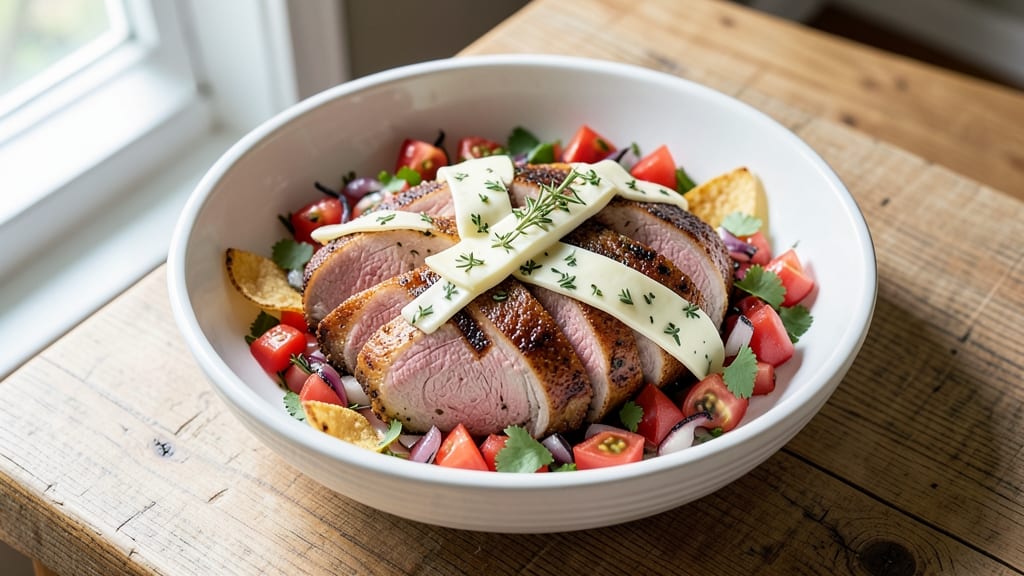
This pork tenderloin salsa recipe transforms a classic cut into a dish that balances tender meat with vibrant, fresh flavors—perfect for weeknight dinners or special occasions.
Growing up in small-town Georgia, I learned that the secret to pork lies in the crust and the sauce, and this method delivers both with precision. The herb-buttered crust creates a golden, flavorful seal, while the salsa—bright with tomatoes, onions, and cilantro—adds a zesty contrast that elevates every bite.
The beauty of this recipe is its versatility: you can grill, roast, or pan-sear the tenderloin, each method bringing out different textures while keeping the meat juicy and tender. The salsa isn’t just a topping—it’s the star, infused into the dish whether as a glaze, filling, or fresh garnish.
I’ve perfected this over years of cooking for crowds, and it never fails to impress, even with picky eaters.
By the time you serve this dish, you’ll have a crispy-edged, herb-infused tenderloin sliced into perfect medallions, each bite bursting with the freshness of the salsa. The combination of rich, buttery crust and bright, tangy salsa creates a harmony that’s both comforting and exciting.
This is the kind of recipe that turns a simple protein into a showstopper—ready in under an hour.
Pair it with roasted sweet potatoes or a crisp green salad to round out the meal, and don’t forget the extra salsa on the side for dipping. Here’s how to make it—step by step, just like I’ve done for years in my kitchen.
Ingredients for pork tenderloin salsa
Fresh herbs, tender meat, and bright salsa—this list delivers the perfect balance of crispy crust and zesty freshness.
| Ingredient | Amount | Notes |
|---|---|---|
| Pork Tenderloin 🥩 | 1 ½ lb | Center-cut, trimmed of fat |
| Unsalted Butter 🧈 | ½ cup | Cold, cut into small cubes |
| Fresh Rosemary 🌿 | ¼ cup | Finely chopped, fresh preferred |
| Fresh Thyme 🌿 | ¼ cup | Finely chopped, fresh preferred |
| Garlic Cloves 🧄 | 6 cloves | Minced, fresh preferred |
| Diamond Crystal Kosher Salt 🧂 | 1 ½ tsp | For crust and seasoning |
| Ground Black Pepper 🌶️ | 1 tsp | Freshly ground preferred |
| Roma Tomatoes 🍅 | 4 whole | Diced, seeds removed |
| Yellow Onion 🧅 | 1 whole | Diced, medium size |
| Fresh Cilantro 🌿 | ½ cup | Chopped, stems removed |
| Lime 🍋 | 1 whole | Juiced, seeds strained |
| Jalapeño Pepper 🌶️ | 1 whole | Seeded, finely diced |
| Extra-Virgin Olive Oil 🫒 | ¼ cup | For salsa, fruity variety |
| Fresh Parsley 🌿 | ⅛ cup | Chopped, for garnish |
The pork tenderloin is your star, so center-cut is non-negotiable—it stays juicy. Trim any visible fat before cooking. For the herbs, I always grab fresh rosemary and thyme from the grocery store's produce section—Whole Foods or Kroger have the best selection. If you're short on time, dried herbs work (use half the amount), but fresh gives that bright, aromatic punch. The garlic? Freshly minced makes all the difference—pre-minced jars just don't cut it. For the crust, cold butter is key—don’t skip chilling those cubes. And the salt? Diamond Crystal kosher is my go-to—it dissolves better and doesn’t clump.
No fresh cilantro? Fresh parsley or basil will work in a pinch, though the flavor’s a little different. Jalapeño too spicy? Swap in bell pepper or remove seeds entirely. The Roma tomatoes should be firm and vibrant—Heirloom varieties add sweetness, but regular Roma works fine. Lime juice? Freshly squeezed is a must—bottled just won’t taste the same. For the olive oil, Trader Joe’s or local olive oil shops have great options. If you’re making this ahead, prep the salsa ingredients the night before—it actually tastes better after sitting for a few hours, letting the flavors meld.
The pork tenderloin keeps best in the fridge for 2 days before cooking, but salsa? 3 days max—it oxidizes fast. Store the salsa in an airtight container with a thin layer of olive oil on top to keep it fresh. The crust herbs? Wrap them in damp paper towels and store in a baggie for up to 5 days. This dish reheats beautifully—just warm it gently in a skillet with a splash of water to keep it moist. Leftovers? I freeze portions of the salsa in ice cube trays for quick dipping later.
Why You'll Love This Recipe
- Two-Ingredient Seasoning: The butter, rosemary, and thyme basting mix is where the magic happens—no fancy marinades, just pure, fragrant flavor that clings to the pork like a hug. Honestly, I’ve tried store-bought rubs, but this combo? It’s the kind of taste that makes you pause mid-bite.
- Weeknight Hero: You’ll go from "what’s for dinner?" to "this is dinner" in under 45 minutes—no stress, no fuss. The salsa’s bright acidity cuts through the richness of the pork, so it never feels heavy, even when I’m too tired to think past bedtime.
- Leftovers That Shine: This recipe actually improves the next day. Slice the pork thin, toss it with the leftover salsa, and suddenly you’ve got a lunch that tastes like you put in effort. (Between us, it’s my go-to for packed lunches—no one suspects how little work went into it.)
- Budget-Friendly Luxury: Pork tenderloin is one of those proteins that feels special but won’t break the bank, and this recipe uses it all—no wasted scraps. Fresh herbs might seem like a splurge, but a few sprigs stretch far, and the flavor? That’s the real upgrade you’ll notice.
Step-by-step instructions for herb-buttered pork tenderloin with fresh salsa
Here's how to achieve perfectly tender pork with a golden herb crust and vibrant salsa that brings it all together.
Prepare the Herb Butter and Season the Pork
In a small bowl, combine the 0.5 cup unsalted butter with 0.25 cup finely chopped fresh rosemary and 0.25 cup finely chopped fresh thyme. Mix until evenly distributed and form into a log shape, wrapping tightly in plastic wrap. Chill in the refrigerator for 30 minutes—this keeps the butter firm for perfect application.
While the butter chills, trim any excess fat from the 1.5 lb pork tenderloin and pat it completely dry with paper towels. This step is crucial—moisture prevents the herb crust from forming properly. Season the pork generously with 1.5 teaspoons diamond crystal kosher salt and 1 teaspoon ground black pepper, pressing the seasoning into the meat so it adheres evenly.
Create the Herb Butter Crust and Sear the Pork
Preheat your oven to 425°F. Remove the herb butter log from the refrigerator and slice into ¼-inch thick rounds. Working quickly, press these butter slices onto the pork, covering all sides completely. The butter should melt slightly from the heat of the pork, creating a flavorful crust.
Heat a large oven-safe skillet over medium-high heat and add 0.25 cup extra-virgin olive oil. Once the oil shimmers, carefully place the pork in the skillet. Sear for 3-4 minutes per side until the herb butter crust turns a deep golden brown and the pork releases easily from the pan. This searing step locks in juices and builds flavor—don't rush it.
Roast the Pork to Perfect Tenderness
Transfer the skillet to the preheated oven and roast for 15-20 minutes or until the internal temperature reaches 145°F when measured with a meat thermometer. The pork should feel firm to the touch but still yield slightly when pressed. Overcooking here will make it dry—trust the thermometer over visual cues.
During the last 5 minutes of roasting, prepare the salsa by combining 4 diced roma tomatoes, 1 diced yellow onion, 0.5 cup chopped fresh cilantro, the juice of 1 lime, 1 finely diced jalapeño pepper, and 0.125 cup chopped fresh parsley in a bowl. Mix gently—you want the flavors to combine but still see distinct pieces. Let it sit at room temperature while the pork finishes cooking.
Rest and Assemble the Final Dish
Remove the pork from the oven and transfer it to a cutting board. Tent loosely with foil and let it rest for 10 minutes—this resting period allows the juices to redistribute, ensuring every bite is moist and flavorful. While it rests, give the salsa a final taste and adjust seasoning if needed. The acidity from the lime should brighten the flavors, but you might want to add a pinch more salt or lime juice to taste.
Slice the pork into ½-inch thick medallions and arrange on a serving platter. Spoon the fresh salsa generously over and around the pork, letting the vibrant colors contrast beautifully with the golden herb crust. Garnish with additional chopped fresh parsley for a pop of color and freshness. Serve immediately with warm tortillas or crusty bread to soak up every last bit of that herb-infused butter.
Pro Tips For Making Pork Tenderloin Salsa
- Trim the Fat First: Pork tenderloin is lean, but any visible fat or silver skin can turn your butter sauce into a greasy mess. Grab kitchen shears and snip it off—yes, even if it’s just a thin layer—before you sear. Trust me, your salsa won’t forgive you if you skip this.
- Sear in Batches: Crowd the pan, and your pork will steam instead of brown. Work in two batches over medium-high heat—about 3-4 minutes per side—until the butter pools and the meat develops that golden crust. Rushed searing means flavorless pork, no matter how good your salsa is.
- Smash the Garlic: Minced garlic burns faster than you think, especially with hot pork and butter. Crush 3-4 cloves with the flat side of your knife first, then toss them in whole for 30 seconds before stirring. This way, they infuse the butter without turning bitter—your salsa’s secret weapon.
- Rest Under Foil: The moment you pull the pork from the pan, tent it loosely with foil and let it sit for 5 minutes. Skipping this step means juices pooling on the cutting board instead of staying inside, and your slices will turn out dry. I know, I know—you want to eat it now—but wait.
Regional styles of these flavors
Southeast BBQ Style
This is how I’d adapt this recipe for my Georgia roots—swap the lime in the salsa for ¼ cup apple cider vinegar and add 1 tbsp smoked paprika to the herb butter. The vinegar gives that tangy kick we love in the South, while the paprika adds a subtle smokiness.
Serve with cornbread muffins instead of tortillas—trust me, it’s a match made in heaven. 🌶️
Charleston Market Twist
In Charleston, we love our seafood and fresh produce, so I’d add ½ cup diced cucumber and 2 tbsp chopped fresh dill to the salsa for a coastal touch. The cucumber keeps it light, and the dill ties into the rosemary in the crust.
Pair with stone-ground grits and a side of collard greens for a full Southern-inspired meal. The grits soak up the salsa beautifully.
Tex-Mex Fusion
For a Tex-Mex take, I’d use 1 tbsp ground cumin and 1 tsp chili powder in the herb butter, and add ½ cup black beans to the salsa. The cumin gives depth, while the beans add texture.
Serve with warm flour tortillas and a side of charro beans. This version is heartier and perfect for a crowd—just like the kind I’d make for my team at The Smoky Pig. 🌮
Italian-Inspired Adaptation
If you’re craving Italian flavors, replace the rosemary with 0.25 cup chopped fresh oregano and add 1 minced garlic clove to the salsa. Top the pork with shaved Parmesan cheese and serve with crusty ciabatta bread.
The oregano and Parmesan bring a Mediterranean flair that pairs surprisingly well with the bright salsa. I’d also add a sprinkle of red pepper flakes for a little heat.
Spicy Cajun Heat
For a Cajun-inspired version, add 1 tbsp Cajun seasoning (like Tony Chachere’s) to the herb butter and include 1 diced serrano pepper in the salsa. Serve with dirty rice and a side of grilled corn on the cob.
The Cajun seasoning adds a bold, spicy crust, while the serrano pepper brings extra heat to the salsa. This is a great dish for those who love their food with a kick! 🔥
Heritage Pig Farm Version
Using my own Gloucestershire Old Spots pork from my farm makes this dish even richer. The natural marbling in the meat keeps it juicy, and the herb butter crust shines even brighter.
For the salsa, I’d add 1 tbsp honey to balance the acidity—it’s a touch I picked up from my time in Charleston. The honey adds a subtle sweetness that rounds out the flavors perfectly. This version feels like a true farm-to-table experience. 🐷
Nutrition facts
Frequently asked questions
Can I make this recipe with leftover pork tenderloin?
Leftover pork works perfectly for this dish. Slice the cooked tenderloin into ½-inch medallions and reheat gently in a skillet with a splash of water to keep it moist. Then simply top with fresh salsa and serve. The salsa's bright acidity helps cut through any dryness, making it taste even better the second time around. Just avoid overcooking—warm through to 165°F max to prevent toughness.
How do I adjust the spice level in the salsa?
For milder salsa, remove all seeds and membranes from the jalapeño before dicing. For extra heat, keep the seeds and add ½ teaspoon red pepper flakes or swap in a serrano pepper. Remember: the lime juice will mellow some of the heat, but you can always add more if needed. Taste as you go—this salsa is meant to be vibrant, not overwhelming!
What's the best way to store leftovers?
Store the pork and salsa separately in airtight containers. The pork keeps well for 3-4 days in the fridge, while the salsa should be eaten within 2 days for peak freshness. For longer storage, freeze the salsa in ice cube trays—thaw and use within 1 month. Reheat pork gently in a skillet with a splash of water or broth to maintain moisture.
Can I use dried herbs instead of fresh?
Yes, but use half the amount of dried herbs (so ¼ teaspoon dried rosemary/thyme instead of 0.25 cup fresh). Fresh herbs provide superior flavor and aroma, but dried works in a pinch. For the salsa, dried cilantro won't work—fresh is essential for that bright, citrusy note. If you're short on fresh herbs, try a mix of parsley and basil as substitutes.
What sides pair best with this dish?
For a complete meal, try these pairings: Creamy mashed potatoes soak up the salsa beautifully, while grilled asparagus adds freshness. For something lighter, serve with cornbread or crusty bread. My favorite combo? Roasted sweet potatoes with a sprinkle of smoked paprika—it complements the herb crust perfectly. Don't forget a simple green salad with lime dressing to balance the richness.