
Main Courses
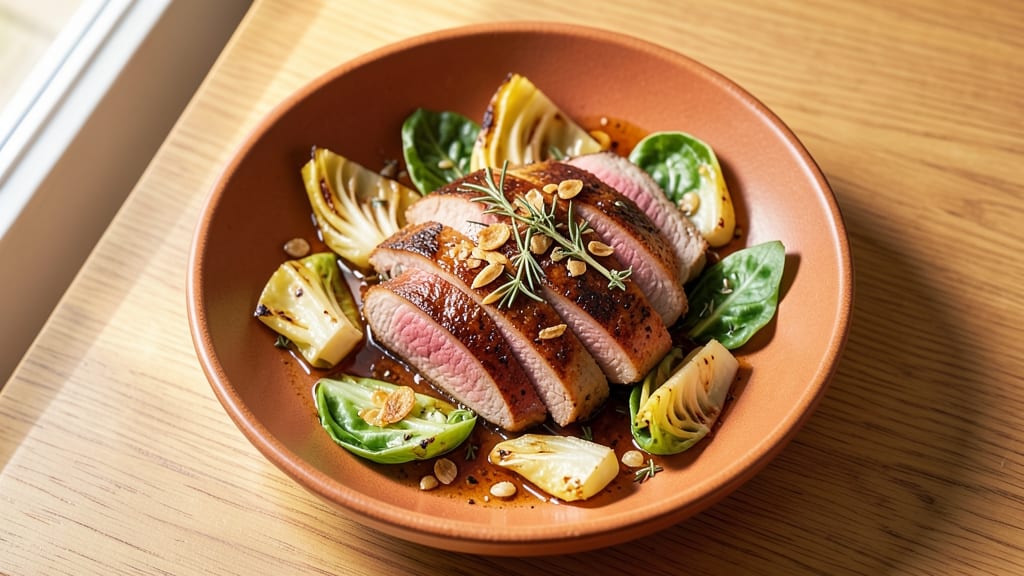
Mastering pork tenderloin with cabbage transforms a simple protein into a showstopping main course that balances tender, juicy meat with crisp, fresh cabbage. Growing up in small-town Georgia, I learned that pork's versatility could elevate even the humblest weeknight dinner—this recipe proves it.
The secret lies in a simple herb marinade that tenderizes the pork while infusing it with aromatic depth, paired with cabbage braised just enough to soften its edges without losing its satisfying crunch.
This recipe delivers restaurant-quality results in under 45 minutes with minimal prep—ideal for weeknight dinners or meal prep. The pork roasts to perfect medium-rare (145°F internal temperature) while the cabbage develops a caramelized sweetness from slow cooking in apple cider vinegar and a touch of brown sugar.
No fancy techniques required, just precise timing and a cast iron skillet (or Dutch oven) to ensure even heat distribution.
What you’ll end up with is a plate that’s equal parts elegant and comforting: golden-brown pork slices cut against the grain, served alongside cabbage that’s tender yet still holds its structure, its edges slightly crisped from the oven.
The flavors are bright and balanced—herby from the marinade, tangy from the cabbage, and rich from the pork’s natural fat. This dish pairs beautifully with mashed potatoes, wild rice, or even crusty bread to soak up every last bit of the pan juices.
For those watching their carb intake, swap the rice for roasted sweet potatoes or a fresh arugula salad. The recipe also scales effortlessly—double the pork for a crowd, or halve it for a cozy two-person dinner. Let’s get to the step-by-step instructions where the real magic happens.
Ingredients for pork tenderloin with cabbage
Herb-infused pork tenderloin meets caramelized cabbage for a dish that balances restaurant-quality richness with weeknight ease.
| Ingredient | Amount | Notes |
|---|---|---|
| Pork Tenderloin 🥩 | 1 ½ lb | Center-cut, trimmed of silver skin |
| Green Cabbage 🥬 | 1 small head | Heavier variety preferred |
| Extra-Virgin Olive Oil 🫒 | ¼ cup | For marinade and roasting |
| Apple Cider Vinegar 🍏 | ¼ cup | Braised cabbage flavor base |
| Brown Sugar 🍚 | 2 tbsp | Light or dark variety |
| Fresh Rosemary 🌿 | ½ oz | Finely chopped sprigs |
| Fresh Thyme 🌿 | ¼ oz | Leaves only, stems removed |
| Garlic Cloves 🧄 | 6 cloves | Minced for marinade |
| Diamond Crystal Kosher Salt 🧂 | 1 ½ tsp | For seasoning and marinade |
| Freshly Ground Black Pepper 🌶️ | 1 tsp | Coarsely cracked |
| Unsalted Butter 🧈 | 2 tbsp | Cold, for finishing |
| Fresh Parsley 🌿 | ¼ cup | Chopped, for garnish |
The pork tenderloin should be center-cut and trimmed—this ensures even cooking and maximum tenderness. For the cabbage, heavier varieties like Savoy hold up better to braising, though regular green cabbage works fine. Whole Foods or local farmers markets often carry the best quality, but any grocery store's produce section will suffice. The key is selecting a cabbage with crisp, unblemished leaves—avoid any with yellowing or wilted spots. For the herbs, fresh is non-negotiable—dried thyme can substitute at one-third the amount, but rosemary's piney notes are best captured fresh. If you're short on time, Costco's bulk herb section offers excellent quality at a reasonable price.
No fresh rosemary? Substitute with 1.5 teaspoons dried rosemary, but expect slightly less aromatic depth. Apple cider vinegar can be swapped for white wine vinegar or lemon juice, though the flavor profile will shift. The brown sugar adds necessary balance—coconut sugar works equally well—but avoid artificial sweeteners. For extra richness, add 1 tablespoon of Dijon mustard to the marinade. The cabbage can be prepped ahead: core and slice it up to 24 hours before cooking, then store it in a sealed container in the fridge. If you're using a Dutch oven, ensure it's well-seasoned for even heat distribution and easier cleanup.
This dish reheats beautifully—simply warm in a skillet with a splash of water or broth for 3-4 minutes until heated through. The pork tenderloin can be refrigerated for 3 days or frozen for 3 months when wrapped tightly in plastic wrap and foil. For the cabbage, store it separately in an airtight container for 4-5 days. To maximize flavor, let the pork rest for 10 minutes after roasting before slicing. The cabbage's caramelized edges are best enjoyed immediately, though it reheats well in a covered skillet with a pat of butter. Portion the components separately for easy meal prep—just reheat as needed.
Why You'll Love This Recipe
- One-Pan Magic: I swear by this recipe when I’m too tired to scrub pots—just sear the pork, toss in the cabbage, and let the vinegar and brown sugar work their sauce magic. No extra dishes, no stress, just clean-up in minutes.
- Sweet-Savory Balance: That caramelized brown sugar glaze on the pork? It’s the star. The apple cider vinegar cuts through the richness while the cabbage soaks it up, giving you tender meat and crisp-tender greens in every bite.
- Leftovers That Don’t Suck: Between us, pork tenderloin reheats better than most cuts, and this recipe’s sauce keeps it juicy. I meal prep half the batch for lunches—just reheat with a splash of water, and it’s like you made it fresh.
- Budget Meal for Crowds: A single tenderloin feeds four (or two very hungry people), and cabbage stretches further than you’d think. Honestly, I’ve served this at BBQs, potlucks, and lazy Sundays—never a complaint, always a win.
Step-by-step instructions for herb-roasted pork tenderloin with cabbage
Master this technique for perfectly tender pork paired with caramelized cabbage.
Prepare the Pork Tenderloin Marinade
In a medium bowl, combine the 0.25 cup extra-virgin olive oil, 0.25 cup apple cider vinegar, 2 tbsp brown sugar, 0.5 oz finely chopped fresh rosemary, 0.25 oz fresh thyme leaves, 6 minced garlic cloves, 1.5 tsp diamond crystal kosher salt, and 1 tsp freshly ground black pepper. Whisk until the brown sugar dissolves completely and the mixture becomes homogeneous.
Place the 1.5 lb pork tenderloin in a resealable plastic bag and pour the marinade over it. Gently massage the bag to ensure the pork is fully coated. Seal the bag and refrigerate for at least 4 hours, or preferably overnight. This extended marinating time ensures maximum tenderness and flavor penetration throughout the meat.
Roast the Pork Tenderloin to Perfect Doneness
Preheat your oven to 400°F. Remove the pork from the marinade (reserve the marinade for later use) and pat it dry with paper towels. This step is crucial for achieving a crispy exterior. Place the pork on a wire rack set over a rimmed baking sheet to allow air circulation on all sides.
Roast the pork for 20-25 minutes, or until the internal temperature reaches 145°F when measured with a meat thermometer. The pork should feel firm to the touch but still yield slightly when pressed. Remove from the oven and let it rest for 10 minutes before slicing. This resting period allows the juices to redistribute, ensuring each slice remains moist and flavorful.
Braise the Cabbage Until Tender-Crisp
While the pork rests, prepare the cabbage. Remove the outer leaves from the 1 small head green cabbage and discard. Cut the cabbage into 8 equal wedges, keeping the core intact to maintain shape. In a large skillet, heat 1 tbsp of the reserved pork marinade over medium heat until it begins to shimmer.
Add the cabbage wedges to the skillet, cut-side down. Cook for 8-10 minutes until the cut surfaces begin to caramelize and the cabbage becomes tender when pierced with a knife. Carefully flip the wedges and cook for another 5-7 minutes until the outer leaves are blistered and slightly charred. Remove from heat and set aside, reserving the braising liquid in the skillet.
Finish with Butter and Garnish
Return the skillet with the reserved braising liquid to medium heat and reduce it by half, scraping up any browned bits from the bottom of the pan. Remove the skillet from heat and stir in the 2 tbsp cold unsalted butter until it melts completely. The butter will add richness and help create a glossy finish.
Slice the rested pork tenderloin into ½-inch thick medallions and arrange on a serving platter. Spoon the braised cabbage wedges alongside the pork and drizzle generously with the reduced braising sauce. Garnish with 0.25 cup chopped fresh parsley for a pop of color and freshness. Serve immediately while the pork is still warm and the cabbage retains its vibrant texture.
Pro Tips For Making Pork Tenderloin With Cabbage
- SEAR THE PORK HARD: Get that pan screaming hot—no, really hot—before adding the pork tenderloin. I used to rush this and end up with steamed pork instead of caramelized crust. Two minutes per side until deep golden brown makes all the difference when you later glaze it with that sweet-tangy vinegar mix.
- SHRED THE CABBAGE THIN: Skip the big chunks—this isn’t stew. Cut the cabbage into paper-thin shreds so it cooks fast and soaks up the glaze instead of sitting soggy. A sharp knife and a steady hand (or a mandoline if you’re impatient) guarantee even cooking—no one likes chewy cabbage in a dish that should be tender.
- USE A MEAT THERMOMETER: Pork tenderloin’s small size tricks you into overcooking. Pull it at 140°F—yes, before it hits 145°F—then let it rest. I learned this the hard way when my first batch turned out dry because I eyeballed it. The glaze will keep it juicy, but don’t wait for the thermometer to lie to you.
- GLAZE IN BATCHES: Don’t drown the pork in the vinegar-sugar mix all at once—it’ll steam instead of caramelize. Cook half the cabbage first, then pull the pork, toss it in half the glaze, and let it sit while you finish the cabbage. The residual heat will make the glaze stick like glue, not puddle. (Your future self will thank you.)
Storing and reheating this pork tenderloin with cabbage
Refrigerator Storage
Store the pork tenderloin in an airtight container with a layer of plastic wrap directly on the meat to prevent drying. It keeps well in the fridge for 3 days when held at 40°F or below.
The cabbage, meanwhile, should be kept in a separate sealed container with a paper towel to absorb excess moisture—this preserves its texture for 4-5 days. I always portion the components separately for easy reheating. 🥬
Freezer Storage
For longer storage, wrap the pork tenderloin tightly in plastic wrap followed by aluminum foil to block freezer burn. It freezes beautifully for up to 3 months at 0°F.
The cabbage can also be frozen—blanch wedges for 2 minutes in boiling water first to maintain texture, then cool and freeze in a single layer before transferring to a freezer bag. Thaw overnight in the fridge before reheating. ❄️
Reheating Pork
To revive the pork, place it in a skillet over medium heat with 1 tablespoon of water or broth. Cover and cook for 5-7 minutes, turning occasionally, until reaching 165°F internal temperature.
For extra tenderness, add 1 teaspoon of the reserved marinade to the pan. I swear by this method—it restores the juices without drying out the meat. 🔥
Reheating Cabbage
For the cabbage, warm it in the same skillet over medium-low heat with 1 tablespoon of butter for 4-5 minutes, stirring occasionally. Add 1 tablespoon of water if it looks dry. The residual caramelization from the braising process ensures it reheats beautifully without losing its crisp edges. 💫
Meal Prep Tips
Double the recipe and store components separately for quick weeknight meals. I often prep the cabbage ahead and store it in the fridge, then roast the pork fresh when ready to serve.
For a complete meal, reheat the pork and cabbage together in a Dutch oven with ½ cup chicken broth for 10 minutes on low heat. The flavors meld beautifully during reheating. 💡
Serving Suggestions
Serve the reheated pork and cabbage with mashed sweet potatoes or wild rice pilaf to balance the dish. For a lighter option, pair with a mixed greens salad dressed with lemon vinaigrette.
The buttery cabbage and herb-infused pork create a satisfying plate that reheats just as well as it cooks. 🍽️
Nutrition facts
Frequently asked questions
Can I use a different cut of pork instead of tenderloin?
While pork tenderloin is ideal due to its tenderness, you can substitute with bone-in pork chops (thicker cuts like rib chops work best) or pork loin roast. For chops, increase cooking time by 5-10 minutes and use a meat thermometer to reach 145°F. The marinade will still work, but thicker cuts may need 30-45 minutes total roasting time.
How do I prevent the cabbage from turning mushy?
Cabbage stays crisp when cooked just until tender—test with a knife after 8-10 minutes of braising. Avoid overcrowding the pan, and always cut wedges with the core intact to maintain structure. For extra crunch, add cabbage wedges to the skillet in two batches if needed. The key is high heat and minimal liquid—this creates caramelization without steaming.
Can I make this recipe ahead of time?
Prep the marinade and slice the cabbage 24 hours ahead, storing both in airtight containers. Cook the pork and cabbage separately 1 day before serving, then refrigerate. Reheat pork in a skillet with 1 tbsp broth for 5-7 minutes and cabbage with 1 tbsp butter for 4-5 minutes. The flavors actually deepen overnight!
What’s the best way to serve leftovers?
Leftovers reheat beautifully as a pork and cabbage stir-fry. Sauté with 1 tbsp soy sauce and 1 tsp sesame oil for 3-4 minutes until heated through. For a heartier meal, serve over mashed potatoes or rice with a drizzle of the reduced braising sauce. The cabbage holds its texture well when reheated this way.
Can I substitute cabbage with another vegetable?
For a similar texture, try savoy cabbage (more delicate) or Napa cabbage (sweeter). For a different flavor profile, swap with Brussels sprouts (halve and roast) or green beans (blanch first). Avoid leafy greens like spinach—they wilt too quickly. Adjust cooking times based on the vegetable’s density.