
Sauces & Condiments
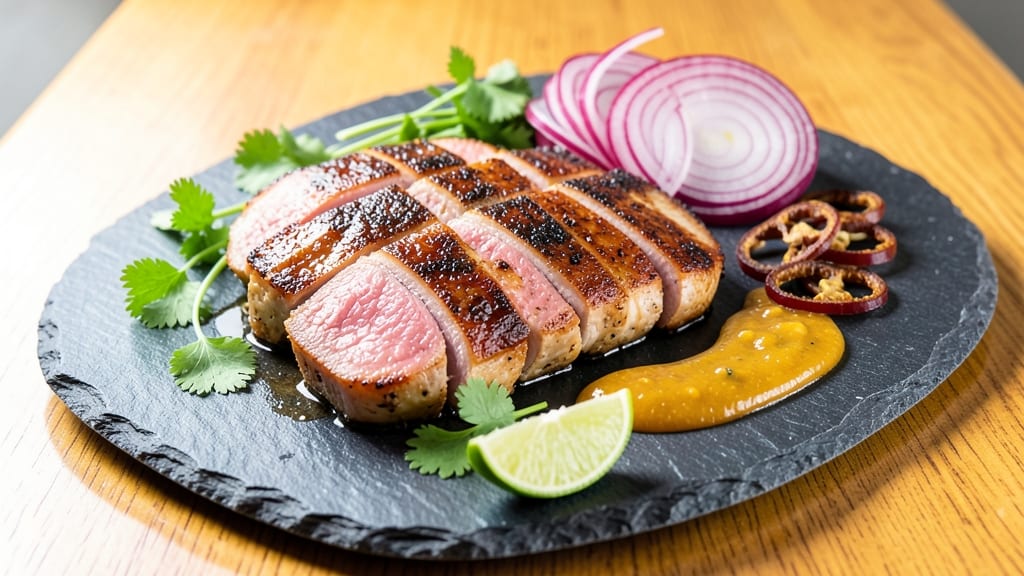
This pork tenderloin with mango chutney recipe bridges two worlds—smoky Southern pork and vibrant tropical flavors—that come together in a single, unforgettable dish.
Growing up in Georgia, I learned that pork deserved bold flavors, and this pairing delivers exactly that: a juicy, perfectly seasoned tenderloin cut with the bright, sweet-spicy contrast of homemade mango chutney.
The chutney isn’t just a side; it’s the star that elevates every bite, cutting through the richness of the meat with its tangy depth.
The secret to this dish lies in two techniques: slow-roasting the pork to lock in moisture and moisture, and balancing the chutney’s sweetness with just enough vinegar and chili to keep it vibrant.
I’ve tested this recipe countless times at The Smoky Pig, where we serve it as a centerpiece for summer menus.
The tenderloin stays tender and moist thanks to a simple brine and careful temperature control, while the chutney—whether fresh or lightly cooked—adds a tropical brightness that feels like a vacation in every bite.
What you’ll end up with is a dish that’s equal parts restaurant-worthy and home-cooked comfort: a golden-brown tenderloin with a crisp exterior, sliced into perfect medallions, and served alongside a glossy, chunky mango chutney that clings to every forkful.
The contrast of textures—tender pork against the chutney’s slight crunch—and flavors—smoky, sweet, and tangy—makes this a showstopper for dinner parties or a special weeknight meal. It’s the kind of dish that turns a simple dinner into an experience.
Pair it with a bed of jasmine rice or a crisp arugula salad to round out the meal, and don’t skip the garnish of fresh cilantro or lime wedges for that final touch of brightness. Let’s get cooking—this is pork tenderloin done right.
Ingredients for pork tenderloin with mango chutney
Juicy pork tenderloin meets vibrant mango chutney in this tropical-inspired dish that’s restaurant-worthy yet simple.
| Ingredient | Amount | Notes |
|---|---|---|
| Pork Tenderloin 🍖 | 1 ½ lb | Center-cut, trimmed of fat |
| Ripe Mangoes 🥭 | 2 cups | Diced, seedless, ripe but firm |
| Red Onion 🧅 | 1 whole | Finely diced, about 1 cup |
| Fresh Cilantro 🌿 | ½ cup | Stems removed, loosely packed |
| Jalapeño Pepper 🌶️ | 1 whole | Seeded, finely chopped |
| Fresh Lime 🍋 | 1 whole | Juiced, about 3 tbsp |
| Apple Cider Vinegar 🍶 | 2 tbsp | Raw, unfiltered preferred |
| Brown Sugar 🍚 | ¼ cup | Lightly packed, packed |
| Smoked Paprika 🌶️ | 1 tbsp | Sweet, not hot |
| Ground Black Pepper 🌶️ | 1 tsp | Freshly cracked |
| Kosher Salt 🧂 | 1 ½ tsp | Diamond Crystal preferred |
| Extra-Virgin Olive Oil 🫒 | 2 tbsp | For pork and chutney |
| Jasmine Rice 🍚 | 1 cup | Uncooked, long-grain |
| Fresh Chili Pepper 🌶️ | 1 whole | Serrano or Thai, optional |
The pork tenderloin should be center-cut and uniform—ask your butcher for the thickest cut available. Whole Foods or Costco usually carry excellent quality, but any reputable grocery store will have it. Look for bright red color and firm texture; avoid any with grayish edges or excessive fat. The mangoes are non-negotiable—ripe but firm ones (like Ataulfo or Tommy Atkins) give the best balance of sweetness and structure. If you can’t find ripe mangoes, Trader Joe’s often carries pre-ripened ones in their produce section. For the chutney, fresh jalapeño and cilantro make all the difference—dried spices just can’t replicate the brightness.
No ripe mangoes? Substitute 1.5 cups of frozen mango chunks (thawed and drained) or 1 cup of pineapple chunks for a similar sweet-tangy profile. Skip the jalapeño? Add an extra 1 tsp of smoked paprika and a pinch of cayenne for heat. The apple cider vinegar can be swapped for white vinegar or lime juice, but raw vinegar adds depth. For the pork, if you’re short on time, marinate it overnight in the olive oil, lime juice, and half the smoked paprika—it makes a noticeable difference. The brown sugar in the chutney? Coconut sugar works too, but regular sugar is fine if that’s what you’ve got.
The pork reheats beautifully—wrap slices in foil and warm in a 300°F oven for 10-15 minutes to keep it moist. The chutney keeps for 5 days in the fridge if stored in an airtight jar with a thin layer of olive oil on top to preserve freshness. For the rice, cook it ahead and reheat with a splash of water—jasmine rice absorbs flavors beautifully. Portion the chutney into small jars for easy lunches or appetizers. Freeze the chutney for up to 3 months if you’re not using it all at once.
Why You'll Love This Recipe
- One-Pan Magic: The tenderloin sears right alongside the onions and mango—no flipping between pans, no mess. I swear by this method: crispy edges on the meat, caramelized chutney pooling underneath, all while the jalapeño’s heat lingers just enough to wake up your taste buds.
- Sweet-Heat Balance: That ripe mango chutney? It’s the star. The natural sweetness of the fruit cuts through the pork’s richness, while the jalapeño adds a bright, lingering kick—like a tropical vacation in every bite. Honestly, my picky-eater husband actually finishes his plate now.
- Weeknight to Weekend: Throw it on the grill for summer BBQs or serve it sliced over rice for a lazy Sunday. The leftovers? Even better cold the next day—perfect for packed lunches or a quick reheat. Between us, this is the one dish that works for both Taco Tuesdays and fancy dinner guests.
- Budget-Friendly Luxury: Pork tenderloin is lean but packs serious flavor, and mango chutney stretches to dress up other proteins or even toast. I’ll be real: I’ve used half the chutney on eggs in the morning, and no one’s complained. It’s fancy enough to impress, cheap enough to make often.
Step-by-step instructions for pork tenderloin with mango chutney
Here's how to achieve perfectly tender pork with a vibrant, balanced chutney that harmonizes sweet, spicy, and tangy flavors.
Prepare the Pork Tenderloin for Perfect Tenderness
Pat the 1.5 lb pork tenderloin thoroughly dry with paper towels—this ensures maximum browning and crispy edges. Place it on a cutting board and make shallow slashes about ¼-inch deep and ½-inch apart along the length of the meat. This creates channels for the marinade to penetrate deeply and guarantees even cooking throughout.
In a small bowl, whisk together 2 tbsp extra-virgin olive oil, 1 tbsp smoked paprika, 1.5 tsp kosher salt, and 1 tsp ground black pepper. Rub this mixture all over the slashed pork, pressing gently to ensure it adheres to every cut. Let it sit at room temperature for 20 minutes before cooking—this allows the flavors to meld and the meat to cook more evenly from the start.
Sear the Pork for Maximum Flavor and Color
Heat a heavy skillet over medium-high heat until it's smoking hot. Add the pork tenderloin and sear for 4-5 minutes per side, turning occasionally, until it develops a deep golden-brown crust. You'll know it's ready when it releases easily from the pan—this means the meat has set up enough to hold its shape during the final cook.
Transfer the seared pork to a plate and tent loosely with foil. Let it rest for 5 minutes while you prepare the mango chutney. This resting period is crucial—it allows the juices to redistribute, ensuring each slice remains succulent and tender when sliced.
Create the Mango Chutney with Balanced Flavors
In the same skillet (no need to clean it—the browned bits add depth), add 1 whole red onion and 1 whole jalapeño pepper, both finely diced. Cook over medium heat for 4-5 minutes until the onions soften and become translucent. Add 2 cups ripe mangoes, diced, and cook for another 2 minutes, stirring occasionally, until the mango begins to soften slightly.
Reduce the heat to low and stir in 0.25 cup brown sugar, 2 tbsp apple cider vinegar, and the juice of 1 whole fresh lime. Add 0.5 cup fresh cilantro, stems removed, and 1 whole fresh chili pepper, finely chopped (if using). Simmer for 5-7 minutes, stirring frequently, until the mixture thickens slightly and the flavors meld together. Taste and adjust seasoning with additional salt or vinegar if needed.
Finish the Pork to Juicy Perfection
Preheat your oven to 400°F. Return the seared pork to the skillet and add ¼ cup water to the pan. Cover with a lid and transfer to the oven. Roast for 12-15 minutes, or until the internal temperature reaches 145°F when measured with an instant-read thermometer. The pork should be tender and juicy, with no pink remaining in the center.
Remove the pork from the oven and let it rest for 10 minutes before slicing. This resting time is essential—it allows the juices to fully redistribute, ensuring each slice is moist and flavorful. While the pork rests, keep the chutney warm over low heat to maintain its vibrant texture and flavor.
Serve with Jasmine Rice and Mango Chutney
Cook 1 cup jasmine rice according to package instructions, fluffing it gently with a fork once it's done. Slice the rested pork tenderloin into ½-inch thick medallions and arrange on a platter. Spoon the warm mango chutney generously over the top and serve immediately with the jasmine rice.
Each bite should deliver tender, juicy pork with a burst of sweet, tangy, and slightly spicy chutney. The contrast between the rich, savory pork and the bright, tropical chutney creates a harmonious balance that's both comforting and exciting. Don't forget to garnish with extra fresh cilantro for a pop of color and freshness.
Pro Tips For Making Pork Tenderloin With Mango Chutney
- Sear First, Then Roast: Pork tenderloin needs that crust to stay juicy, so hit it with a screaming-hot pan for 2-3 minutes per side before finishing in the oven. I used to skip this and ended up with bland, dry meat—don’t repeat my mistake.
- Dice Onion Like a Pro: Thin, even slices melt into the chutney better than chopped bits. Use a sharp knife and cut against the grain—this keeps the onion soft instead of mushy when blended. (Yes, it takes 30 seconds longer, but it matters.)
- Don’t Overblend the Chutney: Pulse the mango, jalapeño, and cilantro in short bursts—you want texture, not soup. A few visible chunks make the dish taste brighter and more interesting. I learned this after making a gloppy mess the first time.
- Rest the Pork Properly: Let the meat sit under foil for 5-10 minutes after cooking. I know, you’re eager to slice—just wait. This keeps the juices inside where they belong, not dripping onto your plate. (Trust me, it’s worth it.)
Common mistakes when making your pork tenderloin with mango chutney
Overcooking the Pork
The biggest mistake I see with pork tenderloin is letting it dry out. This cut is lean and forgiving, but once it hits 145°F internal temperature, it starts to toughen fast.
I’ve ruined more tenderloins than I’d admit by leaving them in the oven too long—always use a meat thermometer and pull it out immediately when it hits that temp. The meat will continue cooking slightly while resting, so don’t wait for it to climb higher. 🌡️
Skipping the Rest
Pork tenderloin needs that 10-minute rest after cooking to redistribute juices. I’ve seen home cooks slice into it right away, and it’s a crime—those juices will run out, leaving you with dry, flavorless meat.
Trust the process: tent it loosely with foil and let it chill out before cutting. This is non-negotiable for juicy results.
Uneven Chutney Heat
The mango chutney needs balance, and I’ve seen people either make it too sweet or too spicy. The key is the apple cider vinegar and jalapeño—they’re what cut through the mango’s sweetness. Taste as you go! If it’s too sweet, add more vinegar or lime.
If it’s too spicy, stir in a pinch of brown sugar. I’ve even added a splash of water to thin it out if it gets too thick—texture matters just as much as flavor.
Using Unripe Mangoes
Nothing ruins a chutney faster than unripe mangoes. They’ll turn mushy and cloyingly sweet instead of bright and tangy. Always pick mangoes that yield slightly to gentle pressure—like a ripe avocado. If you’re unsure, buy Ataulfo or Tommy Atkins varieties; they’re the most reliable.
Pro tip: Let them sit at room temperature for a day if they’re not perfectly ripe—they’ll sweeten up beautifully. 🥭
Ignoring the Sear
A proper sear builds flavor through the Maillard reaction, and I’ve seen people skip it or do it at too low a heat. Your skillet should be smoking hot before adding the pork—this creates that deep, caramelized crust.
If your pan isn’t hot enough, you’ll end up with gray, bland meat. I use a cast iron skillet preheated for at least 5 minutes on high heat. Don’t rush this step—it’s what makes the difference between good and amazing.
Overcrowding the Pan
When finishing the pork in the oven, some cooks add too much liquid or crowd the pan. This steams the meat instead of letting it brown properly.
Stick to just ¼ cup water in the skillet—enough to create steam but not so much that it turns the pork into a poached mess. Cover tightly with foil to trap the moisture while allowing the pork to cook evenly.
Overcrowding is a surefire way to end up with soggy, flavorless meat instead of crispy, juicy perfection.
Nutrition facts
Frequently asked questions
Can I make this recipe with frozen mango?
Yes, but thaw it completely first! Use 1.5 cups frozen mango chunks (thawed and drained) instead of fresh. For best texture, pat them dry with a paper towel before adding to the chutney. The flavor will be slightly less vibrant, but it still works in a pinch—just add an extra ½ tsp lime juice to brighten it up.
How do I adjust the heat level in the chutney?
The jalapeño and chili pepper provide the heat, but you can tweak it easily. For milder heat, remove the seeds and membranes from the jalapeño and use ½ of the chili pepper. For extra kick, add ¼ tsp cayenne pepper or keep the jalapeño seeds in. Always taste as you go—balance is key!
Can I grill the pork instead of roasting?
Grilling works beautifully for this recipe. Sear the pork over direct heat for 3-4 minutes per side until deeply browned, then move to indirect heat and cook to 145°F (about 10-12 minutes). Baste with the chutney ingredients while grilling for extra flavor. Just be sure to use a meat thermometer—grilling can dry out pork quickly.
What’s the best way to store leftovers?
Store the pork and chutney separately for best results. Wrap the pork slices tightly in plastic wrap and refrigerate for up to 3 days. The chutney keeps well in an airtight container for 5 days—add a thin layer of olive oil on top to preserve freshness. To reheat pork, warm in a skillet over low heat with a splash of water or broth to keep it moist.
Can I make the chutney ahead of time?
Yes, and I recommend it! The chutney actually tastes better after 24 hours as the flavors meld. Store it in an airtight jar in the fridge, and bring it to room temperature before serving. For extra freshness, garnish with extra cilantro or lime zest right before eating. If it thickens too much, thin with 1 tsp water or lime juice.