
Main Courses
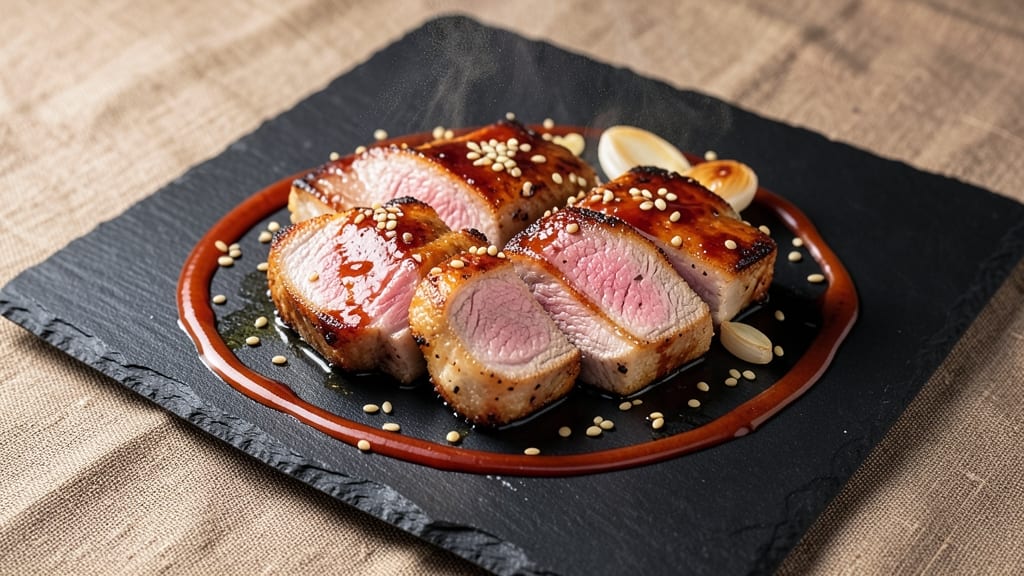
This pork teriyaki recipe delivers restaurant-quality results with a perfect balance of sweet, tangy, and umami flavors—all in just 30 minutes. The secret lies in marinating the pork for at least 30 minutes (or overnight for deeper flavor) and basting it with a homemade teriyaki sauce that caramelizes beautifully.
I developed this method after years of perfecting the art of balancing mirin, soy sauce, and sugar for that signature glossy glaze.
The beauty of this dish is its versatility—whether you're grilling outdoors or searing in a skillet, the technique remains the same. Thinly sliced pork chops or tenderloin absorb the marinade perfectly, while the sauce creates a sticky, caramelized crust that locks in moisture.
The result? Juicy, flavorful pork with a glossy sheen that makes every bite irresistible. This recipe also works beautifully with chicken or tofu for a lighter variation.
By the time you plate it, you'll have a dish that looks and tastes like it belongs on a high-end menu—golden-brown pork with a glossy glaze, served over steamed rice or paired with steamed vegetables.
The aroma alone will have everyone at the table asking for seconds. The key is patience during the basting process, allowing the sauce to caramelize without burning.
This method is foolproof, whether you're cooking for a weeknight dinner or a special occasion. The teriyaki sauce can be made ahead, and the marinade keeps the pork tender and flavorful. Let’s create a dish that’s as impressive as it is delicious—here’s how to make it perfect every time.
Ingredients for pork teriyaki
Sweet, tangy, and umami—just these 14 ingredients transform simple pork into restaurant-worthy perfection.
| Ingredient | Amount | Notes |
|---|---|---|
| Pork Tenderloin 🥩 | 1 ½ lb | Thinly sliced for even cooking |
| Mirin 🍶 | ½ cup | Sweet rice wine for balance |
| Soy Sauce 🥢 | ½ cup | Use low-sodium preferred |
| Brown Sugar 🍯 | ¼ cup | Light or dark preferred |
| Sesame Oil 🫒 | 1 tbsp | Toasted for nutty aroma |
| Garlic Cloves 🧄 | 4 cloves | Minced for depth of flavor |
| Fresh Ginger 🌿 | 1 tbsp | Grated, not powdered |
| Honey 🍯 | 1 tbsp | For extra glossy finish |
| Rice Vinegar 🍶 | 1 tbsp | For tangy brightness |
| Olive Oil 🫒 | 1 tbsp | For searing pork |
| Toasted Sesame Seeds 🌾 | 1 tbsp | For garnish and crunch |
| Green Onions 🧅 | 3 whole | Sliced for fresh garnish |
| Salt 🧂 | 1 tsp | Kosher or sea salt |
| Black Pepper 🌶️ | ½ tsp | Freshly ground preferred |
The pork tenderloin is your canvas here. Look for a piece with good marbling—it stays juicier. Most grocery stores sell pre-sliced tenderloin, but if you're buying whole, ask the butcher to slice it ¼-inch thick. Costco or Whole Foods often have the best quality. For the sauce, mirin is non-negotiable—it’s what gives teriyaki that signature sweet-tangy balance. Trader Joe’s sells a great affordable bottle, but if you can’t find it, a mix of dry sherry and sugar works in a pinch. Fresh ginger and garlic? Always buy them whole—they keep longer and taste better than pre-minced.
No mirin? Substitute ¼ cup sugar plus 2 tbsp water, but you’ll lose that authentic depth. Soy sauce? Low-sodium works best—you’ll add salt later. For a lighter version, swap half the pork for extra-firm tofu (press it first). The sesame oil is what gives that nutty aroma—use the toasted kind if you can find it, but regular works too. Brown sugar can be swapped for white, but it caramelizes better. And if you’re short on time, pre-made teriyaki sauce (like Kikkoman) is fine—just add an extra tbsp of honey to deepen the flavor.
This sauce keeps for 1 week in the fridge, but it’s even better the next day as the flavors meld. The pork? Use it within 2 days if you’re not cooking it right away. I like to double the sauce and freeze half in ice cube trays—perfect for quick stir-fries later. The sesame seeds and green onions? Add them right before serving so they stay fresh. And if you’re serving this for company, make the sauce ahead—it reheats beautifully.
Why You'll Love This Recipe
- One-Pan Magic: I swear by this recipe when I’m too tired to scrub pots—just sear the tenderloin, toss it in the teriyaki glaze (mirin, soy, brown sugar, sesame oil), and let it caramelize. The pork practically cooks itself while you stir, and cleanup? One pan, one spatula. Done.
- Sweet-Savory Balance: That glaze—sticky, glossy, with just the right kick—is where it all happens. The brown sugar melts into the soy and mirin for a depth that’s ridiculously good, while the sesame oil adds a nutty finish that makes every bite feel special. (Yes, even on a Tuesday night.)
- Weeknight Hero: This feeds my family of four without breaking the bank, and the leftovers? Just as good cold in lunchboxes the next day. I double the glaze, cook extra pork, and repurpose it for stir-fries or rice bowls—zero waste, maximum flavor.
- Budget-Friendly Luxury: Pork tenderloin is lean and affordable, and a little goes a long way when you’re glazing it. The mirin and sesame oil might sound fancy, but they stretch across multiple meals—think: drizzle on rice, toss with veggies, or even brush on tofu. Fancy taste, simple math.
Step-by-step instructions for glazed pork teriyaki
This method delivers restaurant-quality teriyaki every time—juicy pork with a glossy, perfectly balanced sauce.
Prep the Pork and Marinate for Maximum Flavor
Slice the 1.5 lb pork tenderloin into ½-inch thick medallions. I cut against the grain for tender bites. Pat the slices dry with paper towels—this helps the marinade cling and ensures a good sear later.
In a bowl, whisk together the 0.5 cup mirin, 0.5 cup soy sauce, 0.25 cup brown sugar, 1 tbsp sesame oil, 1 tbsp honey, 1 tbsp rice vinegar, 1 tsp salt, and 0.5 tsp black pepper. Add the sliced pork and toss to coat evenly. Let it marinate for at least 30 minutes in the fridge—this gives the flavors time to penetrate deeply.
Sear the Pork for Perfect Texture
Heat 1 tbsp olive oil in a large skillet over medium-high heat until shimmering. Add the marinated pork in a single layer, leaving space between pieces. Cook undisturbed for 2-3 minutes per side until golden brown—this creates that gorgeous caramelized crust we want.
Don't overcrowd the pan or the temperature will drop and you'll steam instead of sear. If needed, work in batches and keep the cooked pork warm in a 200°F oven. The pork should reach an internal temperature of 145°F before removing from heat.
Simmer the Sauce to Glossy Perfection
Reduce heat to medium and add the marinated pork back to the skillet. Pour in the reserved marinade (strain it if you prefer a smoother sauce) and scrape up any browned bits from the bottom—this adds incredible depth of flavor. Add the 4 cloves minced garlic and 1 tbsp grated fresh ginger, stirring to combine.
Bring the mixture to a gentle simmer and let it cook uncovered for 5-7 minutes. You'll see the sauce reduce and thicken slightly—this is when it develops that beautiful glossy finish. Taste and adjust seasoning if needed, adding a splash of water if the sauce gets too thick.
Finish with Fresh Garnishes
Remove the skillet from heat and stir in the 1 tbsp toasted sesame seeds. This adds a delightful nutty crunch that contrasts perfectly with the tender pork. Slice the 3 whole green onions into ½-inch pieces and sprinkle them over the top for a fresh, bright finish.
Serve immediately over steamed rice or noodles while the sauce is still warm and glossy. The pork should be tender with a perfect sear, and the sauce should coat everything beautifully. If you have leftovers, store them in the fridge for up to 3 days—the flavors actually improve overnight!
Pro Tips For Making Pork Teriyaki
- Marinate Longer Than You Think: I used to rush this step, thinking 30 minutes was enough, but pork tenderloin soaks up flavor like a sponge. Let it sit in the teriyaki mix for at least 2 hours (or overnight if you’re patient)—the mirin and sugar will penetrate deeper, and your sauce won’t just sit on top like sad wallpaper.
- Don’t Skip the Pre-Sear: High heat. Seriously, crank it up. A quick 2-3 minute sear in a screaming-hot pan before adding sauce locks in those juices and gives your pork a caramelized crust. Skip it, and you’re left with a sad, sticky slab instead of a restaurant-worthy bite.
- Reduce the Sauce Halfway: After searing, pour in the teriyaki mix and let it bubble for 5 minutes, then reduce the heat to medium-low and simmer uncovered for 10 more minutes. This cuts the sauce in half, thickening it into something glossy and sticky—not watery and weak. Trust me, your future self will thank you.
- Rest the Meat: After cooking, let the pork sit covered for 5 minutes before slicing. This keeps it from turning into a sad, stringy mess on your plate. I know, I know—it’s tempting to dive in right away, but that’s how you end up with a dry, disappointing meal. Wait it out.
Perfect pairings for pork teriyaki
Rice Pairings
Steamed jasmine rice is my go-to pairing—its delicate floral notes complement the teriyaki’s sweet-savory balance beautifully. For extra flair, I like to mix in ½ cup cooked wild rice for texture.
If you prefer a heartier option, short-grain sushi rice absorbs the sauce perfectly, creating little pockets of flavor with every bite. 🍚
Vegetable Sides
Sautéed bok choy with garlic and a splash of soy sauce adds a fresh, slightly bitter contrast to the rich pork. I also love steamed broccoli tossed with 1 tsp toasted sesame oil and a sprinkle of red pepper flakes for a spicy kick.
For a lighter option, try cucumber salad with rice vinegar and sesame seeds—it cuts through the richness like a cool breeze. 🥦
Drink Pairings
A crisp green tea like Sencha or Jasmine tea enhances the dish’s umami notes without overpowering them. For something stronger, a dry Riesling from Germany offers bright acidity that cleanses your palate between bites. If you prefer beer, a light Japanese lager like Asahi keeps things refreshing and balanced. 🍶
Sauce Variations
For a spicier kick, add 1 tsp gochujang to the teriyaki sauce before simmering. If you want extra richness, stir in 1 tbsp butter at the end for a silky finish.
For a lighter version, swap half the pork for grilled tofu—it absorbs the sauce just as well. 🌶️
Garnish Ideas
Fresh cilantro adds a bright, citrusy note that pairs wonderfully with the teriyaki’s depth. For a touch of luxury, drizzle with sriracha-infused honey before serving. Crispy fried shallots add a delightful crunch that elevates the dish to restaurant-level perfection. 🌿
Nutrition facts
Frequently asked questions
Can I use pre-made teriyaki sauce instead of making my own?
Yes, but adjust for balance! Store-bought teriyaki is convenient, but it often lacks the depth of homemade. Add 1 tbsp honey and 1 tsp mirin to enhance sweetness and brightness. For extra umami, stir in ½ tsp fish sauce or a pinch of MSG after cooking. The sauce will still caramelize beautifully.
How do I prevent the pork from drying out when basting?
Keep the heat at medium-low during basting and avoid overcrowding the pan. For extra moisture, add 2 tbsp water to the skillet while simmering. Cook the pork to 145°F internal temp—it will carry over to 150°F while resting. Let it rest 5 minutes before serving to redistribute juices.
What's the best way to reheat leftover pork teriyaki?
Reheat gently in a skillet over low heat with 1 tbsp water to prevent drying. For microwave safety, cover with a damp paper towel and heat in 30-second bursts. To revive the sauce's gloss, add 1 tsp mirin or honey while reheating. Never microwave uncovered—it makes the sauce rubbery.
Can I make this recipe with chicken or tofu instead of pork?
For chicken, use 1 lb boneless thighs (they stay juicier) and reduce marinating to 20 minutes. For tofu, press extra-firm tofu for 30 minutes, cut into ½-inch cubes, and pan-fry until golden before adding sauce. The teriyaki sauce works perfectly with both—just adjust cooking times accordingly.
Why did my sauce turn out too thick or too thin?
Thick sauce? Simmer uncovered longer to reduce. Too thin? Add 1 tsp cornstarch mixed with 1 tbsp water and stir until glossy. For prevention, simmer until slightly reduced before adding pork. The ideal consistency coats the back of a spoon but still flows easily—like honey.