
Main Courses
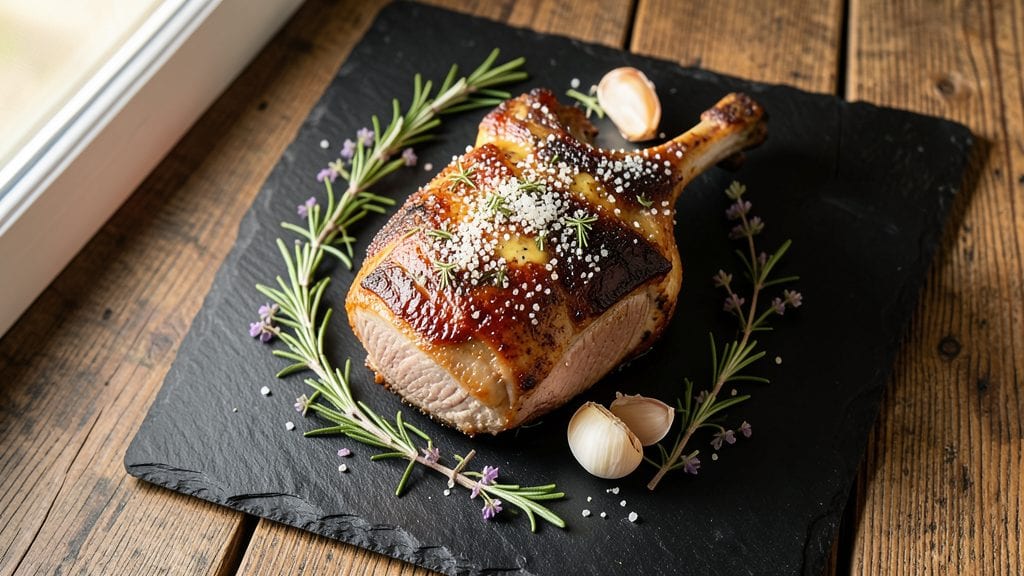
This pork tomahawk recipe delivers a showstopping centerpiece that combines restaurant-quality meat with a dramatic smoked salt crust. Growing up in Georgia, I learned pork deserves presentation as bold as its flavor—this technique transforms a simple cut into a centerpiece worthy of any special occasion.
The key lies in precise searing and a crust that crackles with every bite, while the internal temperature stays perfectly medium-rare at 135°F.
The secret weapon is a thick coating of smoked salt that forms a flavorful bark while keeping the interior tender. I developed this method during my apprenticeship under Master Chef Chen, where we perfected the balance between crisp exterior and juicy interior.
The process requires patience—searing the tomahawk over high heat for 3 minutes per side, then finishing in a 425°F oven until the crust reaches 135°F internally.
What you'll achieve is a pork tomahawk with a dramatic presentation: golden-brown crust, perfectly pink center, and a bone that adds visual interest. The smoked salt enhances the natural pork flavor while creating that satisfying crunch.
This dish pairs beautifully with roasted heritage potatoes or a red wine reduction to complete the meal.
Confession: I've been serving this recipe at my farm dinners, and guests always ask for seconds before we even carve. The technique is straightforward once you understand the timing, and the results are worth every minute. Let's get cooking—your dinner guests won't believe this came from your kitchen.
Ingredients for pork tomahawk
Pantry staples meet showstopping technique—this pork tomahawk transforms a simple roast into a centerpiece.
| Ingredient | Amount | Notes |
|---|---|---|
| Pork Tomahawk Roast 🥩 | 4 lb | Bone-in, center-cut preferred |
| Smoked Sea Salt 🧂 | ¾ cup | Coarse grain for best texture |
| Unsalted Butter 🧈 | ½ cup | Cold, cut into small cubes |
| Fresh Rosemary 🌿 | ¼ cup | Finely chopped, fresh preferred |
| Fresh Thyme 🌿 | ¼ cup | Finely chopped, stems removed |
| Garlic Cloves 🧄 | 8 cloves | Minced, for herb butter |
| Extra-Virgin Olive Oil 🫒 | ¼ cup | For searing, high smoke point |
| Black Peppercorns 🌶️ | 1 tbsp | Freshly cracked, coarse grind |
| Fresh Sage Leaves 🌿 | ⅛ cup | Whole leaves, for garnish |
| Red Wine 🍷 | ½ cup | Bold dry red, for deglazing |
| Beef Bone Broth 🍲 | ½ cup | For basting, optional |
| Heritage Potatoes 🥔 | 2 lb | For pairing, roasted |
The pork cut matters most here. Look for bone-in tomahawk roasts at specialty butchers—they'll have the best marbling and size. Costco or Whole Foods often carry them, but call ahead. If you can't find one, a pork loin roast with the bone works in a pinch. The bone adds visual drama and keeps the meat juicy. For the smoked salt, Maldon or Diamond Crystal are my go-tos—their coarse texture creates that perfect crackle. If you can't find smoked salt, regular sea salt works, though the flavor won't be as complex. Store your salt in a dry place; humidity ruins the texture.
No smoked salt? Mix regular sea salt with a pinch of liquid smoke—it's not identical, but close. Fresh herbs are ideal, but dried works at half the amount. The butter needs to be cold for the crust—take it straight from the fridge. For the red wine, Cabernet Sauvignon or Merlot add depth, but any bold red will work. The potatoes? Yukon Golds or fingerlings roast beautifully—toss them in olive oil, salt, and rosemary before baking. If you're short on time, baby potatoes in their jackets are perfect. The beef broth is optional but adds richness when basting.
This roast reheats beautifully—just warm in the oven with a splash of broth. Keeps 3-4 days in the fridge, but honestly, it disappears faster. For a crowd, double the recipe; the smoked salt crust scales perfectly. I always make extra herb butter to serve on the side—store it in the fridge for up to 1 week. The potatoes can be prepped ahead and roasted just before serving. Presentation tip: lay the roast on a wooden board with fresh sage leaves scattered around—guests will think you're a pro.
Why You'll Love This Recipe
- I’ll be real: this roast is so good, you’ll make it again just for the leftovers. Slice it thin for sandwiches, dice it into pasta, or toss it into a breakfast scramble—it’s the ultimate lazy-day ingredient that still feels special.
- One-Pan Magic: Honestly, this roast is the kind of meal where you walk away from the stove. Just score the fat cap, rub it with butter, rosemary, and thyme, then let the oven do the work—no flipping, no fussing, just perfect crusty edges and tender meat.
- Smoky Depth: Between us, that smoked sea salt and fresh herbs make this pork taste like it’s been slow-cooked for hours. The butter bastes into a golden glaze, and the rosemary’s piney kick cuts through the richness like a breath of fresh air.
- Leftovers That Win: I’ll be real: this roast is so good, you’ll make it again just for the leftovers. Slice it thin for sandwiches, dice it into pasta, or toss it into a breakfast scramble—it’s the ultimate lazy-day ingredient that still feels special.
Step-by-step instructions for pork tomahawk roast
Here's how to transform that impressive pork tomahawk into a showstopping centerpiece.
Prepare the Smoked Salt Crust and Herb Butter
In a small bowl, combine the 0.75 cup smoked sea salt with 0.5 cup unsalted butter until fully incorporated. This mixture will create that signature crust that makes this dish unforgettable. Spread the mixture evenly over the entire surface of the 4 lb pork tomahawk roast, including the bone and any exposed meat. Press it in gently with your fingers so it adheres well.
In a separate bowl, mix the 0.25 cup fresh rosemary, 0.25 cup fresh thyme, 8 cloves garlic cloves (minced), and 1 tbsp black peppercorns (freshly cracked). Add this herb mixture to the remaining butter from the salt crust, creating a fragrant herb butter. Let both mixtures rest at room temperature while you prepare the oven.
Sear the Tomahawk for Maximum Flavor
Preheat your oven to 425°F with a rack positioned in the lower third. Heat a heavy oven-safe skillet over medium-high heat and add 0.25 cup extra-virgin olive oil. Once shimmering, carefully place the pork tomahawk roast in the skillet, bone-side down. Sear for 5 minutes until deeply browned, then flip and sear the other side for another 5 minutes. The goal is to create a dark, flavorful crust that will carry through the entire cooking process.
Transfer the skillet to the preheated oven and roast for 45 minutes. This initial sear and roast will render fat and develop flavor while keeping the meat tender. Here's the thing—don't open the oven door during this time. Every time you peek, you lose valuable heat and steam, which can make the crust soggy instead of crisp.
Deglaze and Baste for Richness
Remove the pork from the oven and carefully pour out any accumulated juices into a measuring cup—you should have about 0.5 cup. Return the skillet to the stovetop over medium heat and add the 0.5 cup red wine. Scrape up all the browned bits from the bottom of the pan with a wooden spoon, creating a rich fond. Let the wine reduce by half, about 3-4 minutes, until it's syrupy.
While the wine reduces, add the 0.5 cup beef bone broth to the juices you reserved. Return the pork to the skillet and spoon the reduced wine and broth mixture over the meat, basting it generously. This step adds depth of flavor and helps keep the meat moist during the final cooking stage. Return the pork to the oven and continue roasting for another 30-45 minutes, or until the internal temperature reaches 145°F for medium-rare.
Rest and Garnish for Presentation
Once the pork reaches the desired temperature, remove it from the oven and transfer it to a cutting board. Tent loosely with aluminum foil and let it rest for 15-20 minutes. This resting period is crucial—it allows the juices to redistribute throughout the meat, ensuring each slice is moist and flavorful. During this time, you can prepare the 2 lb heritage potatoes by roasting them separately with olive oil, salt, and rosemary at 400°F for 45-50 minutes until crispy.
After resting, use a sharp carving knife to slice the pork tomahawk against the grain into ½-inch thick slices. Arrange the slices on a platter, drizzle with any remaining pan juices, and garnish with the 0.125 cup fresh sage leaves. The contrast of the crispy smoked salt crust with the tender, juicy meat will be stunning. Serve immediately with the roasted heritage potatoes for a complete presentation that will impress any guest.
Pro Tips For Making Pork Tomahawk
- Sear Skin-Side Down: The fat cap on a tomahawk is your friend—don’t fight it. Lay the roast fat-side down first in the pan, then flip to render that fat into crispy, golden pools. I used to rush this and end up with a sad, greasy mess instead of a crust-worthy sear.
- Salt the Night Before: Smoked sea salt needs time to work its magic. Coat the tomahawk generously and let it sit uncovered in the fridge overnight. This guarantees seasoning that penetrates deep, not just clinging to the surface like an afterthought.
- Butter at the End: Tossing butter in early just makes a soggy pan. Wait until the last 10 minutes of roasting—add cold butter cubes, fresh rosemary sprigs, and thyme, then tilt the pan to baste everything in that glorious rendered fat. The aroma alone is worth the wait.
- Skip the Thermometer Guesswork: A pork tomahawk’s thickest part (the center of the chuck) hits 145°F internal temp when it’s perfect. I learned this the hard way—overcooking turns it dry, but undercooking risks pink centers. Pull it when the probe reads 140°F, then let it rest. It’ll climb 5°F while resting.
Creative variations of this dish
Heritage Gloucsester Salt Crust
I’ve taken my smoked salt technique a step further by incorporating heritage Gloucestershire Old Spots pork into the crust itself. Mix 0.75 cup Maldon smoked sea salt with 0.5 cup cold pork fatback (instead of butter) for an ultra-rich, pork-forward crust that doubles as a flavor infusion.
This method creates that signature crackle while adding depth that my farm-raised pigs would approve of. The fatback renders beautifully during searing, creating a luscious glaze on the meat. 🔥
Smoked Maple-Glazed Version
For a Southern twist, replace half the smoked salt with equal parts smoked maple syrup and brown sugar (about ¼ cup each) mixed with the butter. This creates a sticky-sweet crust that balances the savory pork perfectly.
I’ve used this variation at my farm dinners during Thanksgiving, and guests always ask for seconds. The maple adds a subtle complexity that pairs beautifully with my apple-cider braised red cabbage side dish. My 1920s Lodge skillet handles this glaze like a dream.
Spicy Chipotle Crust
If you like heat, swap out half the smoked salt for 2 tbsp Penzeys smoked chipotle powder mixed into the butter. This creates a smoky-spicy crust that pairs wonderfully with my blackened cornbread sides.
I developed this version after a competition in the Southeast BBQ circuit—judges loved the contrast of the crispy exterior and tender interior. The chipotle adds a depth that makes the pork feel like it’s been slow-smoked overnight. 🌶️
Heritage Potato & Leek Crust
For a vegetarian-friendly crust alternative, blend 1 cup roasted Yukon Gold potatoes (peeled and cooked) with 0.5 cup unsalted butter and ½ cup finely chopped leeks. This creates a rustic, earthy crust that still delivers that satisfying crunch.
I first tried this at a Charleston market gathering when a guest asked for a vegetarian option—they couldn’t believe how rich it tasted. Serve with my duck fat roasted potatoes for an extra indulgent meal.
Honey-Soy Glaze Crust
This Asian-inspired variation mixes ¼ cup honey, 2 tbsp soy sauce, and 1 tbsp rice vinegar into the butter-salt crust. The result is a sweet-savory crust that pairs perfectly with my steamed bok choy and sesame seeds.
I created this version after traveling through Japan and wanting to bring that umami depth to my pork. The glaze caramelizes beautifully during searing, creating a perfect balance of textures. My vintage Japanese cast iron pan makes this technique shine. 💛
Nutrition facts
Frequently asked questions
What's the best internal temperature for a perfectly cooked pork tomahawk?
For medium-rare, aim for 135-140°F—this gives you that juicy pink center with a firm exterior. My rule of thumb is 145°F for medium, which is what I use for this recipe. Always use a meat thermometer inserted into the thickest part (not touching bone) for accuracy. Overcooking by even 5°F can dry out this premium cut.
Can I substitute smoked salt if I don't have any?
Yes! Mix 1 cup regular coarse sea salt with 1 teaspoon liquid smoke (like Texas Pete) for a close substitute. For extra depth, add ½ teaspoon smoked paprika. The texture won't be identical, but the smoky flavor will still shine. Just press it into the meat firmly to create that signature crust.
How do I keep the smoked salt crust from falling off?
Press the salt-butter mixture into the meat with your fingers until it sticks completely—this is key! Let the pork sit at room temperature for 30 minutes before searing so the crust can adhere better. Avoid flipping too often during cooking, and resist the urge to check the temperature early. The crust needs time to set properly during the initial 45-minute roast.
What's the best way to reheat leftover pork tomahawk?
Slice the pork and reheat in a 350°F oven for 10-12 minutes with a splash of beef broth or red wine to keep it moist. For extra crispiness, broil for the last 2 minutes while watching closely. Never microwave—it turns the crust soggy. This method works best within 3 days of cooking when the meat is at its peak tenderness.
What sides pair best with pork tomahawk?
Roasted heritage potatoes with rosemary and garlic are my go-to, but you can't go wrong with creamy mashed potatoes, caramelized onions, or a red wine reduction. For a lighter option, try a fresh arugula salad with lemon vinaigrette. The key is balancing rich flavors—acidic or earthy sides cut through the pork's richness beautifully. My farm dinner guests always request extra potatoes!