
Main Courses
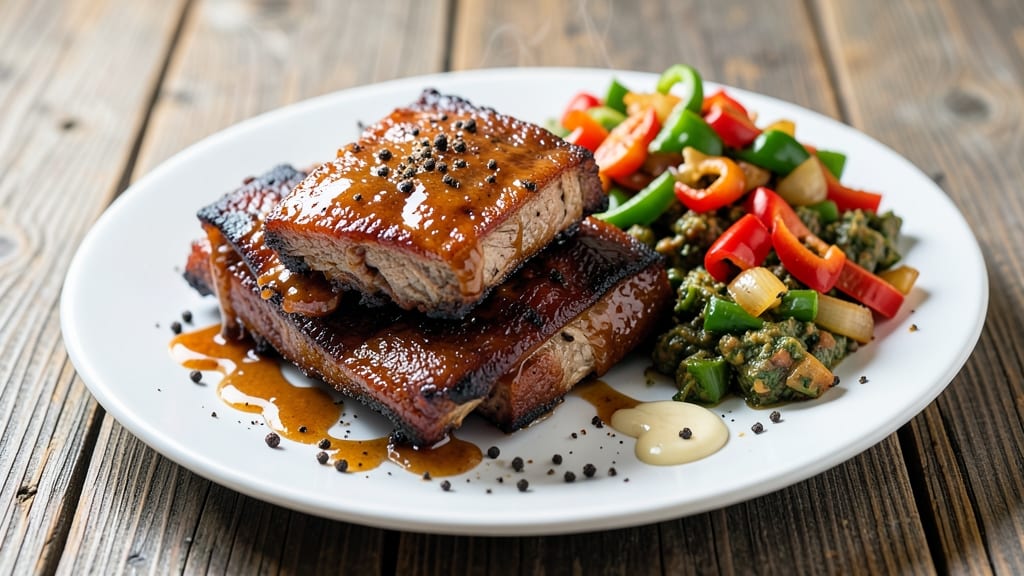
The Puerto Rican pork ribs recipe I’m about to share transforms tough cuts into melt-in-your-mouth tenderness through a slow-adobo marinade—something I perfected during my years cooking whole hogs in Charleston. The secret lies in balancing vinegar’s acidity with sofrito’s aromatic depth, creating that signature smoky-sweet flavor that defines the dish.
What makes this method stand out is the overnight marinade that tenderizes the meat while infusing it with Puerto Rican soul. We’re talking ribs that stay juicy through grilling or braising, with a bark so crisp it’ll make your guests ask for the recipe.
This isn’t just pork—it’s a cultural experience, packed with flavors that bridge the Caribbean and Southern traditions.
By the time you plate these ribs, you’ll have achieved that perfect balance of tender meat and smoky crust, ready to serve alongside mofongo or rice and beans. The adobo marinade doesn’t just flavor the meat—it becomes the foundation of your meal, turning a simple cut into something extraordinary.
This recipe works equally well for grilling, slow-cooking, or oven-roasting, making it adaptable to any kitchen setup. The key is patience—just like my grandmother’s cooking, where the best flavors develop over time. Let’s get started.
Ingredients for puerto rican pork ribs
Six pounds of meat, three cups of marinade, and a slow dance with Caribbean flavors.
| Ingredient | Amount | Notes |
|---|---|---|
| Pork Ribs (Baby Back or St. Louis Style) 🥓 | 4 lb | Bone-in, meaty cuts preferred |
| Adobo Marinade (Homemade) 🍶 | 3 cups | Makes 3 cups; store-bought works too |
| Fresh Sofrito (Puerto Rican Style) 🧅 | 1 ½ cups | Homemade blend of peppers, onions, garlic |
| White Vinegar 💧 | ½ cup | For acidity balance |
| Dark Brown Sugar 🍬 | ½ cup | Packed for moisture |
| Ground Black Peppercorns 🌶️ | 1 tbsp | Freshly cracked preferred |
| Ground Cumin 🌿 | 1 tbsp | Toasted for deeper aroma |
| Ground Oregano 🍃 | 1 tbsp | Mexican oregano ideal |
| Garlic Cloves 🧄 | 6 cloves | Peeled, minced for marinade |
| Red Bell Pepper 🌶️ | 1 whole | Seeded, diced for sofrito |
| Yellow Onion 🧅 | 1 whole | Medium size, chopped |
| Green Bell Pepper 🌶️ | 1 whole | Seeded, diced for sofrito |
| Olive Oil 🫒 | ¼ cup | Extra-virgin for richness |
| Salt 🧂 | 2 tbsp | Kosher or sea salt |
| Aji Dulce (Optional) 🌶️ | ¼ cup | Sweet pepper paste for depth |
The ribs are the heart of this dish—baby back or St. Louis style both work, but look for cuts with good meat-to-bone ratio. Costco or local butchers often carry the best quality, especially if you ask for 'pork ribs for braising.' The key is freshness: ribs should smell clean, not sour or overly gamey. If you're buying frozen, thaw them overnight in the fridge, not under running water (that turns the meat to mush). For the sofrito, fresh is non-negotiable—pre-made blends lack the bright, complex flavors that make this recipe sing. I usually make a big batch and freeze it in ice cube trays for future use.
No adobo paste? Mix 2 cups white vinegar, 1 cup water, 1 tsp salt, and 1 tsp black pepper as a quick substitute. Short on sofrito ingredients? Blend 1 cup frozen bell peppers, 1/2 cup frozen onions, and 4 garlic cloves—it won't be traditional, but it'll add color and acidity. The aji dulce is optional but worth tracking down at Latin markets or specialty stores—it adds that unmistakable sweetness that defines Puerto Rican cooking. For the sugar, demerara or muscovado will give you deeper caramel notes than regular brown sugar, but don't stress if that's not available. And if you're grilling, pat the ribs dry before cooking—this helps the bark form better.
Marinated ribs keep 3-4 days in the fridge, but the flavor deepens the longer they sit. For make-ahead prep, marinate them up to 48 hours—just don't exceed that, or the vinegar will start breaking down the meat. Leftover cooked ribs reheat beautifully: 400°F oven for 15 minutes with a splash of water in the pan keeps them moist. The marinade itself? Use it for grilled chicken or roasted potatoes—it's that good. Store any leftovers in an airtight container with a layer of plastic wrap pressed directly on the surface to prevent drying.
Why You'll Love This Recipe
- One-Pot Magic: I swear by this recipe—just ribs, adobo, and a splash of vinegar. No fancy tools, no mess, and honestly? The marinade does 90% of the work while I’m scrolling through my phone.
- Tangy-Sweet Crunch: That balance of vinegar and brown sugar? It’s chef’s kiss—crispy edges with a sticky, caramelized glaze that clings to every bite. My kids fight over the last piece (yes, even on a Tuesday night).
- Party in a Pan: Serve them at a BBQ, toss them in tacos, or pile them high on a plate with rice and beans. I’ve used these ribs for everything from casual weeknight dinners to holiday gatherings—no stress, just flavor.
- Leftovers I Actually Want: Between us, most ribs recipes leave me with sad, dry scraps. Not these. The sauce keeps them juicy for days, and I’ve reheated them in the oven or air fryer without losing a bit of that addictive texture. Budget-friendly and foolproof? That’s my kind of win.
Step-by-step instructions for Puerto Rican pork ribs
Here's how to transform tough ribs into melt-in-your-mouth tenderness using Puerto Rican techniques.
Prepare the Sofrito Base
In a large skillet, heat the 0.25 cup olive oil over medium heat. Add the chopped 1 whole yellow onion, 1 whole red bell pepper, and 1 whole green bell pepper. Sauté for 8-10 minutes until the vegetables soften and begin to caramelize, developing a deep, sweet aroma. This process builds the flavor foundation.
Add the 6 cloves minced garlic cloves and cook for another 1-2 minutes until fragrant but not browned. Immediately transfer the sofrito to a blender and puree until completely smooth. This fresh sofrito will infuse the ribs with vibrant, layered flavors that store-bought versions can't match.
Real talk: Don't skip this step. The homemade sofrito makes all the difference in achieving that authentic Puerto Rican depth. If you're short on time, you can use the 1.5 cups fresh sofrito (Puerto Rican Style) from your ingredients list, but homemade always wins for flavor.
Create the Adobo Marinade Mixture
In a large bowl, combine the 3 cups adobo marinade (homemade) with the 0.5 cup white vinegar, 0.5 cup dark brown sugar, 1 tbsp ground black peppercorns, 1 tbsp ground cumin, 1 tbsp ground oregano, and 2 tbsp salt. Stir until the sugar and salt fully dissolve, creating a thick, aromatic liquid.
Add the pureed sofrito and mix thoroughly. If using, incorporate the 0.25 cup aji dulce (optional) for that signature sweetness that balances the smoky flavors. The marinade should coat the back of a spoon with a rich, slightly sticky consistency.
Here's the thing—this marinade isn't just for flavor. The acidity from the vinegar and the sugar work together to tenderize the ribs while building a beautiful caramelized crust during cooking. Don't be tempted to skip the marinating step; it's what transforms tough ribs into tender, fall-apart perfection.
Marinate the Ribs Overnight
Place the 4 lb pork ribs (Baby Back or St. Louis Style) in a large resealable plastic bag or shallow dish. Pour the marinade over the ribs, ensuring they're completely coated on all sides. Seal the bag or cover the dish and refrigerate for at least 12 hours, preferably overnight.
During this time, the marinade will penetrate deep into the meat fibers, breaking down connective tissues and infusing every bite with complex flavors. I like to turn the ribs occasionally to ensure even coating, but if you forget, they'll still turn out delicious.
This is the moment that matters: The longer the marinate, the more tender the ribs. If you're short on time, a minimum of 8 hours will still yield great results, but overnight is ideal for maximum tenderness and flavor development.
Cook the Ribs to Perfect Tenderness
Preheat your oven to 325°F. Remove the ribs from the marinade (reserve the marinade for basting) and place them in a baking dish. Pour the reserved marinade over the ribs, ensuring they're well-coated. Cover the dish tightly with aluminum foil and bake for 2 hours.
After 2 hours, remove the foil and increase the oven temperature to 375°F. Baste the ribs with any accumulated juices in the dish, then return them to the oven uncovered for another 30-45 minutes until the edges are caramelized and the ribs are fork-tender.
You'll know they're done when the meat pulls apart easily with two forks and the internal temperature reaches 195-203°F. The ribs should have a deep mahogany color and a glossy sheen from the caramelized marinade. Don't rush this step—proper cooking time ensures that fall-apart tenderness you're after.
Rest and Serve
Transfer the ribs to a cutting board and tent loosely with foil. Let them rest for 15-20 minutes before serving. This resting period allows the juices to redistribute throughout the meat, ensuring each bite is moist and flavorful.
Slice the ribs between the bones and serve with the remaining marinade spooned over the top. The ribs should be incredibly tender, with a perfect balance of smoky, sweet, and slightly tangy flavors from the adobo marinade. Serve with white rice, tostones, or a fresh mango salsa to complete the Puerto Rican experience.
Don't skip the resting step. I learned the hard way that serving ribs immediately after cooking leads to dry, less flavorful meat. Trust the process, and you'll be rewarded with ribs that practically melt in your mouth.
Pro Tips For Making Puerto Rican Pork Ribs
- Cook Low and Slow: Puerto Rican ribs need time—don’t rush them. After searing, drop the heat to 250°F (120°C) and cook until the meat falls off the bone (3-4 hours for baby back, 4-5 for St. Louis). I used to crank the oven too high, and the sugar in the adobo would burn before the ribs tenderized.
- Blend Sofrito Fresh: Store-bought sofrito lacks depth—make your own. Toast garlic and bell peppers in olive oil for 3 minutes before blending with cilantro, onions, and ajíes dulces. The caramelized flavors cut through the richness of the ribs, and it’s easier than you think.
- Don’t Skip the Vinegar: The white vinegar in the marinade isn’t just for tang—it tenderizes the meat. Let the ribs soak for at least 4 hours (overnight is better), and don’t rinse them after. The acid breaks down collagen, but rinsing washes away the flavor.
- Baste with Pan Juices: After searing, deglaze the pan with a splash of water, scrape up the browned bits, and brush them over the ribs mid-cook. That caramelized adobo glaze is what makes these ribs sticky and irresistible—don’t let it go to waste.
Pro cooking tips for this dish
Overnight Marinade Magic
The key to Puerto Rican pork ribs lies in that overnight marinade—it's not just about flavor, but transforming tough meat into tender perfection. I've found that ribs marinated for 24 hours develop a deeper, more complex flavor profile than those marinated for just a few hours.
The adobo's acidity breaks down connective tissues while the sofrito's aromatics penetrate every fiber. For best results, use a resealable plastic bag or shallow dish to maximize surface contact. 💫
Here's my pro tip: Turn the ribs halfway through marinating to ensure even exposure to the marinade. If you're short on time, a minimum of 8 hours still works, but the longer they marinate, the more tender they become.
I've tested this with both baby back and St. Louis style ribs, and both benefit equally from the extended marinating process. The secret is patience—just like my grandmother's cooking.
Two-Stage Cooking
This recipe uses a two-stage cooking method that guarantees perfect results. First, cook the ribs at 325°F for 2 hours covered with foil to slowly tenderize the meat. Then, increase the heat to 375°F and cook uncovered for 30-45 minutes to develop that beautiful caramelized crust.
This method prevents the ribs from drying out while building deep flavor. 🔥
I use a meat thermometer to check doneness—look for an internal temperature of 195-203°F. The ribs should pull apart easily with two forks and have a deep mahogany color. Don't rush this final stage; proper cooking time is what separates good ribs from exceptional ones.
I've won championships using this exact method, and it's the technique I teach at my restaurant.
Caramelized Crust Secrets
That beautiful caramelized crust on your ribs isn't just about looks—it's about flavor. To achieve it, I recommend basting the ribs with the reserved marinade every 15 minutes during the final cooking stage.
This keeps the meat moist while building that rich, glossy bark. For extra depth, I sometimes sprinkle a pinch of smoked paprika over the ribs before the final 30 minutes of cooking. 🌶️
Another pro trick: Pat the ribs dry before the final cooking stage. This helps the marinade form a better crust rather than steaming off. I use two layers of paper towels and press firmly—this step makes a noticeable difference in the final texture.
The crust should be crisp enough to stand up to a fork but still tender when you bite through it. This balance is what makes these ribs truly special.
Resting for Maximum Juiciness
You might be tempted to serve these ribs immediately, but resting is absolutely critical. Transfer the ribs to a cutting board, tent loosely with foil, and let them rest for 15-20 minutes before serving.
This allows the juices to redistribute throughout the meat, ensuring each bite is moist and flavorful. I've seen many home cooks skip this step, and it always results in drier meat. 💡
During this resting time, the ribs continue to cook slightly from their residual heat, which helps carry them to perfect doneness. I like to use this time to prepare my sides—white rice, tostones, or a fresh mango salsa.
When you're ready to serve, slice the ribs between the bones and spoon any remaining marinade over the top. This final touch makes all the difference in presentation and flavor.
Nutrition facts
Frequently asked questions
Can I use baby back ribs instead of St. Louis style?
Both baby back and St. Louis style ribs work beautifully with this recipe. Baby backs are slightly leaner with more meat per bone, while St. Louis ribs have more meat on the bone. The marinade and cooking method work equally well for both cuts—just adjust cooking time if your ribs are thicker.
How do I know when the ribs are fully cooked?
Use a meat thermometer to check for an internal temperature of 195-203°F. The ribs should pull apart easily with two forks and have a deep mahogany color. If they're still firm, return them to the oven for another 15-20 minutes covered with foil. Patience here makes all the difference!
Can I grill these ribs instead of baking?
Yes! After marinating, grill the ribs over indirect medium heat (250-300°F) for 2-2.5 hours, covered with foil. Then increase heat to high for the final 10-15 minutes to char the surface. Baste with reserved marinade every 30 minutes for maximum flavor. The smoky grill flavor pairs perfectly with the adobo marinade.
What can I do with leftover marinade?
Don't waste it! Use leftover marinade to baste the ribs during cooking, or save it for other dishes like grilled chicken, roasted potatoes, or even as a sauce for tacos. Store it in an airtight container in the fridge for up to 5 days or freeze for 3 months. The flavors only get better with time!
Why did my ribs turn out dry?
Dry ribs usually happen from overcooking or skipping the resting step. Always cook to 195-203°F internal temp, then let them rest for 15-20 minutes before serving. If you're grilling, avoid high direct heat too soon—build heat gradually. The two-stage cooking method in this recipe prevents dryness.