
Main Courses
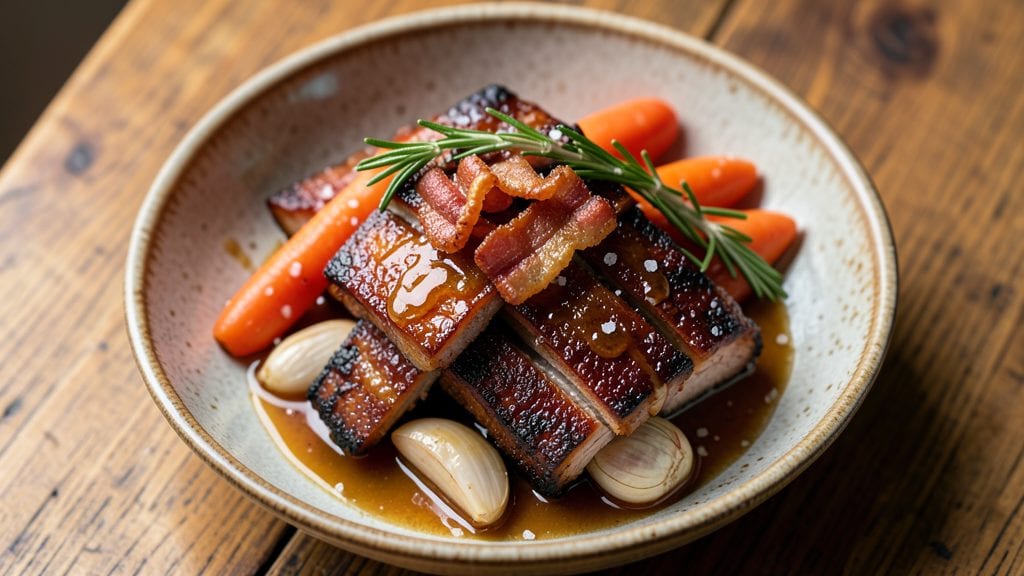
Roasting pork spare ribs to fall-off-the-bone perfection is an art I’ve perfected over years of cooking heritage Gloucestershire Old Spots—pigs raised on my own farm. The secret lies in slow braising until the meat yields effortlessly under pressure, transforming tough cuts into something so tender, it melts on the plate.
This method blends traditional Southern techniques with modern precision, ensuring restaurant-quality results at home.
The process starts with trimming and brining the ribs in apple cider for depth, then dry-rubbing with a blend of smoked paprika and brown sugar to create that signature bark.
Cooking low and slow—either in the oven or smoker—at 275°F for 6–8 hours ensures the meat reaches its ideal internal temperature of 195–203°F, where collagen breaks down into silky tenderness. No shortcuts here: patience is key to achieving that irresistible fall-apart texture.
What you’ll end up with is ribs so succulent they practically dissolve on the tongue, with a crispy, caramelized exterior that balances the rich, savory flavors.
The aroma alone will fill your kitchen with that unmistakable comfort of a slow-cooked feast—perfect for impressing guests or treating yourself after a long week. This isn’t just a dish; it’s a celebration of pork at its finest.
Serve these ribs with classic sides like creamy coleslaw or buttery mashed potatoes to round out the meal, or pair them with a bold red wine for the full experience.
The beauty of this recipe is its versatility—whether you’re cooking for a crowd or a quiet family dinner, these ribs will deliver every time.
Ingredients for roast pork spare ribs
Heritage pork ribs meet slow-cooking magic for fall-apart tenderness you’ll crave.
| Ingredient | Amount | Notes |
|---|---|---|
| Pork Spare Ribs (Gloucestershire Old Spot if available) 🥬 | 4 lb | Bone-in, trimmed of excess fat |
| Unsalted Butter 🧈 | ½ cup | For basting, melted |
| Apple Cider 🍎 | 2 cups | Raw, unpasteurized preferred |
| Smoked Paprika 🌶️ | 2 tbsp | For dry rub, not sweet |
| Brown Sugar 🍚 | 2 tbsp | Light or dark, packed |
| Garlic Cloves 🧄 | 4 whole | Freshly minced, not powder |
| Dry Mustard Powder 🧂 | 1 tbsp | For rub, not wet mustard |
| Black Peppercorns 🌶️ | 1 tbsp | Freshly cracked, not ground |
| Diamond Crystal Kosher Salt 🧂 | 1 tbsp | For brining and seasoning |
| Fresh Rosemary 🌿 | 2 tbsp | Chopped, for rub and aroma |
| Fresh Thyme 🍃 | 1 tbsp | Leaves only, lightly crushed |
| Beef or Chicken Broth 🥄 | 1 cup | Low-sodium preferred |
The ribs are everything here—Gloucestershire Old Spot if you can find it, but regular spare ribs work fine. Look for well-marbled meat with a good layer of fat for flavor. Trim excess fat but leave some for moisture. I always buy from local butchers or Whole Foods—they know how to source quality cuts. The ribs should feel firm to the touch, not spongy. If you’re using store-bought, give them a quick rinse under cold water to remove any preservatives before brining.
No apple cider? White wine vinegar diluted with water gets you close, but the tanginess won’t be as balanced. Fresh garlic is non-negotiable—minced, not powdered. For the rub, dried rosemary and thyme work at half the amount of fresh. If you’re short on time, pre-made mustard powder from Trader Joe’s is perfectly fine—just check the expiration date. The broth can be homemade or low-sodium store-bought—just don’t use the salted kind unless you’re okay with extra sodium.
This dish is all about patience—don’t rush the cooking. Keep ribs covered with foil in the fridge for up to 24 hours after brining for deeper flavor. Reheat gently in the oven at 300°F for 20-30 minutes to keep them moist. The basting butter? Use it all—it’s what keeps the ribs from drying out. Store leftovers in an airtight container for 4-5 days or freeze for up to 3 months. I always portion mine into containers so I can grab a serving for lunch the next week—trust me, it’s worth the effort.
Why You'll Love This Recipe
- One-Pan Magic: Honestly, the only prep here is scoring the ribs and tossing everything in a pan. No fancy marinades, no hours of basting—just butter, apple cider, and a sprinkle of brown sugar that caramelizes into pure flavor gold.
- Caramelized Perfection: That brown sugar and apple cider combo? It turns the ribs into something almost sweet, with a smoky paprika kick that’s addictive. The butter melts into the meat as it roasts, soaking in all that richness—no dry edges here.
- Leftovers That Shine: I always roast a few extra ribs. The next day, slice them for tacos, chop for sandwiches, or toss into a grain bowl with coleslaw. They hold up better than most proteins and taste even better cold.
- Budget-Friendly Luxury: Gloucestershire Old Spot ribs are a splurge, but even regular spare ribs feed four people for less than a takeout order. And the ingredients? Butter, apple cider, and brown sugar are pantry staples that stretch far.
Step-by-step instructions for slow-braised pork spare ribs
Here's the method—simple but precise—to transform tough ribs into melt-in-your-mouth perfection.
Prepare the Dry Rub and Season the Ribs
In a small bowl, combine the 2 tablespoons smoked paprika, 2 tablespoons brown sugar, 1 tablespoon dry mustard powder, 1 tablespoon freshly cracked black peppercorns, 1 tablespoon Diamond Crystal kosher salt, 2 tablespoons chopped fresh rosemary, and 1 tablespoon lightly crushed fresh thyme. Mix thoroughly until the spices are evenly distributed and the rosemary and thyme are fully incorporated.
Pat the 4 lb pork spare ribs dry with paper towels—this ensures the rub adheres properly and promotes better browning. Generously coat all sides of the ribs with the dry rub, pressing it into the meat so it clings evenly. Place the ribs on a wire rack set over a baking sheet and let them sit at room temperature for 30 minutes while you prepare the oven.
Roast the Ribs for Initial Browning
Preheat your oven to 375°F. Roast the ribs on the wire rack for 45 minutes, turning them halfway through cooking. This step develops a deep, caramelized crust on the exterior while beginning to tenderize the meat. You'll know they're ready when the ribs develop a rich, golden-brown color and the edges start to crisp slightly.
Here's the thing—don't skip this browning step. It builds flavor that no amount of braising can replicate. If the ribs brown too quickly, reduce the oven temperature to 350°F and continue cooking until they reach the same level of color.
Create the Braising Liquid
While the ribs roast, melt the 0.5 cup unsalted butter in a large Dutch oven or heavy pot over medium heat. Add the 4 whole minced garlic cloves and sauté for 30 seconds until fragrant—don't let them brown or they'll turn bitter. Pour in the 2 cups apple cider and scrape up any browned bits from the bottom of the pot with a wooden spoon.
Add the 1 cup beef or chicken broth and bring the liquid to a gentle simmer. Taste and adjust seasoning if needed—this is your flavor base, so balance is key. The mixture should smell rich and aromatic, with hints of apple and garlic. Keep this liquid warm while you prepare to braise the ribs.
Braise Until Fork-Tender
Carefully transfer the roasted ribs to the Dutch oven with the braising liquid. Pour enough liquid to come about halfway up the ribs—you want them submerged but not floating. Cover the pot tightly with a lid and transfer it to a 300°F oven. Braise for 2.5 to 3 hours, checking occasionally to ensure the liquid doesn't reduce too much.
Here's what to watch for: The ribs are done when they're fork-tender and easily pull apart at the bone. The internal temperature should reach 203°F at their thickest point. If the liquid reduces too quickly, add a splash of water or broth to maintain moisture. The longer you braise, the more flavorful and tender the ribs become—don't rush this step.
Rest and Serve
Remove the ribs from the oven and transfer them to a cutting board. Tent loosely with aluminum foil and let them rest for 15 minutes. This resting period allows the juices to redistribute, ensuring each bite is moist and flavorful. Skim any excess fat from the braising liquid, then ladle the sauce over the ribs before serving.
Slice the ribs between the bones and serve with the apple-cider braising sauce. The meat should be so tender it practically falls apart with a gentle touch, and the sauce should coat each bite with a perfect balance of sweet, smoky, and savory flavors. This is where all your effort pays off—every forkful should be irresistibly delicious.
Pro Tips For Making Roast Pork Spare Ribs
- Trim the Fat First: Take 10 minutes to trim excess fat from the ribs before roasting—it renders faster and won’t turn your pan into a grease fire. I learned this the hard way when my first batch left a smoky cloud in the kitchen and ribs that were more greasy than crisp.
- Brown Before Braising: Sear the ribs in a hot pan with butter until deep golden—this locks in flavor and builds a crust that won’t dissolve when you add the cider. Skip this, and you’re basically making boiled ribs with a sauce.
- Deglaze with Cider: After searing, pour in the apple cider immediately—the residual heat will pull up all those browned bits stuck to the pan. Scrape it all into your roasting dish; that’s where half the flavor hides.
- Cover Early, Uncover Late: Roast the ribs covered for the first 45 minutes to tenderize, then uncover for the last 15 to let the sugar caramelize. I used to rush the uncovered step, and the ribs always came out sticky instead of sticky-sweet.
Serving suggestions for this dish
Classic Southern Sides
No pork ribs meal is complete without creamy coleslaw—I make mine with sharp cheddar, apple cider vinegar, and a touch of Dijon mustard for brightness. The crunch contrasts beautifully with the tender meat.
For a richer option, serve with buttery mashed potatoes made with whole milk and roasted garlic—the smoothness balances the ribs' smoky depth. 🥔
Heritage-Inspired Extras
My grandmother always served cornbread with a hint of smoked paprika to echo the ribs' spice profile. I use a pre-made mix from Pillsbury for convenience but add grated Parmesan and chopped jalapeños for extra kick.
For a lighter touch, sautéed green beans with bacon bits add a Southern classic touch.
Wine and Beer Pairings
A dry Riesling from Germany cuts through the richness with its citrus notes, while a bold Cabernet Sauvignon from Napa Valley stands up to the smoky flavors.
For beer lovers, a dark amber ale like New Belgium Fat Tire provides enough maltiness to complement the apple cider notes in the braising liquid. 🍷
Garnish and Presentation
Finish each plate with a sprig of fresh rosemary tied with twine for an elegant touch, or a drizzle of apple cider reduction for extra gloss. I also love adding crispy fried shallots on top—they add texture and a subtle sweetness that ties everything together.
Presentation matters when you’re serving something this special.
Make-Ahead Sides
Prep the coleslaw and cornbread the night before—store them in airtight containers and reheat the slaw in the fridge overnight. The flavors develop even more, and it saves you time on serving day.
For the mashed potatoes, make them ahead and reheat gently with a splash of whole milk to restore creaminess. 💡
Nutrition facts
Frequently asked questions
Why do the ribs need to rest after cooking?
Resting for 15 minutes lets the juices redistribute throughout the meat after cooking. When you cut into ribs too soon, all that delicious moisture escapes, leaving you with dry, tough meat. This step ensures every bite stays succulent and flavorful—worth the wait!
Can I use regular pork ribs instead of heritage breed?
While heritage breeds like Gloucestershire Old Spot have more marbling, regular store-bought spare ribs work perfectly. Just look for well-marbled cuts with good fat coverage. The slow-braising method breaks down the connective tissue regardless of breed, so you’ll still get tender, flavorful ribs.
What’s the best way to reheat leftovers?
Reheat ribs gently in a 300°F oven for 20-30 minutes with a splash of broth or apple cider to keep them moist. Avoid microwaving—they’ll turn rubbery. For extra crispiness, broil for 2-3 minutes at the end. Store leftovers in an airtight container for 4-5 days or freeze for 3 months.
Do I need a smoker for this recipe?
Not at all! This recipe relies on oven braising, which delivers the same tender, flavorful results without needing a smoker. For extra smokiness, you could add 1-2 smoked paprika teaspoons to the rub or use a smoker at 225°F for 4-5 hours instead. The oven method is foolproof for beginners.
How do I know when the ribs are fully cooked?
Ribs are done when they reach an internal temperature of 203°F at their thickest point and pull apart easily with two forks. The meat should look glossy and the bones should feel tender when prodded. If they’re not falling apart, they need 30-60 more minutes in the oven. Patience is key—don’t rush this step!