
Main Courses
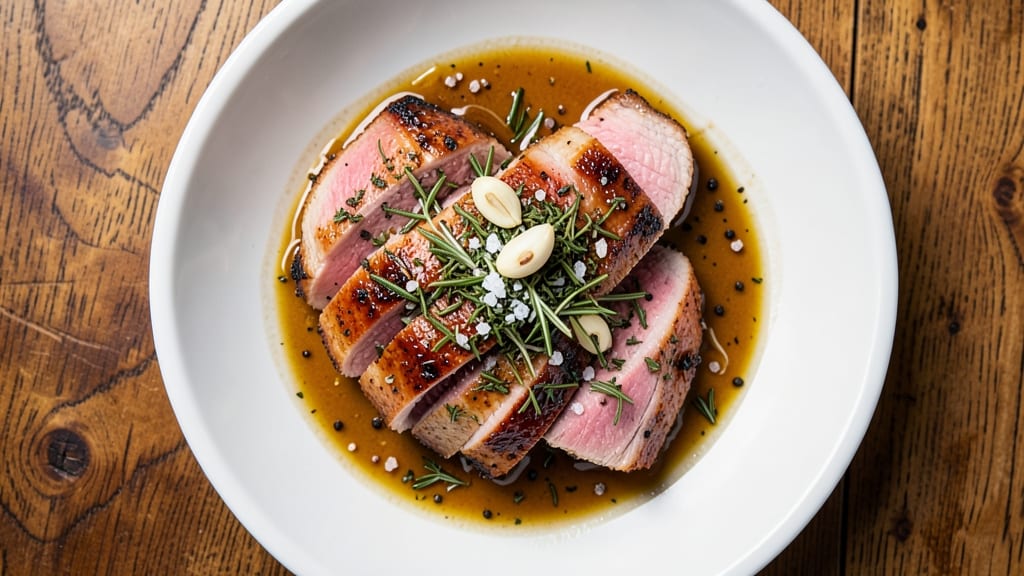
This savory pork tenderloin recipe delivers melt-in-your-mouth tenderness with a crisp herb crust that elevates any dinner table. Growing up in small-town Georgia, I learned pork transforms a simple meal into a family gathering centerpiece—this method preserves that tradition with restaurant-quality precision.
The secret lies in a dry herb crust that seals in juices while creating a flavorful bark, paired with precise pan-searing for even cooking.
What sets this recipe apart is the foolproof technique that ensures perfect results every time: a simple herb blend of rosemary, thyme, and garlic clove powder creates depth without overpowering, while the reverse sear method guarantees a juicy interior and golden exterior.
With just 15 minutes of active prep and 20 minutes of cooking, you’ll have a dish that rivals high-end steakhouses—no fancy equipment required.
The final result is tender, flavorful pork with a crisp crust that holds up to every bite, served with complementary sides like roasted vegetables or a rich pan sauce. This recipe bridges the gap between weeknight convenience and gourmet dining, proving that exceptional pork doesn’t require hours in the kitchen.
Let’s get to the technique that makes it work.
For those who prefer flexibility, this method adapts seamlessly to grilling or roasting—simply adjust the cooking time and temperature. The herb crust remains the star, delivering bold, aromatic flavor that pairs perfectly with classic Southern sides or fresh garden salads.
Whether you’re cooking for two or feeding a crowd, this pork tenderloin delivers consistent, impressive results.
Ingredients for savory pork tenderloin
Herb crust meets precise searing for restaurant-quality pork tenderloin. Simple ingredients, bold flavor.
| Ingredient | Amount | Notes |
|---|---|---|
| Pork Tenderloin 🥩 | 1 ½ lb | Center-cut, trimmed of fat |
| Fresh Rosemary 🌿 | ¼ cup | Finely chopped, fresh preferred |
| Fresh Thyme 🌿 | ¼ cup | Leaves only, stems removed |
| Garlic Cloves 🧄 | 4 cloves | Powdered or finely minced |
| Diamond Crystal Kosher Salt 🧂 | 1 ½ tbsp | Coarse grain preferred |
| Freshly Ground Black Pepper 🌶️ | 1 tsp | Coarse grind for texture |
| Extra-Virgin Olive Oil 🫒 | 2 tbsp | High smoke point preferred |
| Unsalted Butter 🧈 | 2 tbsp | Cold, cubed for searing |
| Yellow Onion 🧅 | 1 whole | Thinly sliced for pan sauce |
| Garlic Cloves 🧄 | 2 cloves | Minced for pan sauce |
| Chicken or Vegetable Broth 💧 | ½ cup | Low-sodium preferred |
| Fresh Parsley 🌿 | ¼ cup | Chopped, for garnish |
The pork tenderloin selection is critical—center-cut ensures even cooking, while trimming excess fat prevents flare-ups during searing. I source mine from Whole Foods or local butchers who specialize in pork; look for vibrant color and firm texture. Fresh herbs elevate the crust: rosemary and thyme from the grocery store’s refrigerated section (not dried) provide the aromatic depth this dish requires. For garlic, I prefer powdered for even distribution, but fresh minced works if you’re feeling traditional. The Diamond Crystal kosher salt is non-negotiable—its coarse texture clings perfectly to the meat’s surface, creating that coveted crust.
No fresh rosemary? Dried at one-third the amount works in a pinch, though texture suffers slightly. Substitute thyme with oregano or marjoram for similar earthy notes. For the pan sauce, low-sodium broth prevents over-salting, while shallots can replace onions if preferred. The butter should be cold and cubed—never melted—to create a golden, flavorful crust. If you’re grilling instead of pan-searing, increase the olive oil to 3 tablespoons for better heat distribution. The parsley is purely decorative but adds a fresh finish; skip if you’re serving with a robust side like roasted Brussels sprouts.
This recipe reheats beautifully—350°F for 8-10 minutes in a covered dish maintains moisture without drying. Store leftovers in an airtight container for up to 3 days, or freeze for 3 months by wrapping tightly in plastic wrap. For meal prep, portion the herb crust separately and coat the pork just before cooking to preserve freshness. The pan sauce can be made ahead and reheated gently; it’s even better the next day as flavors meld. Serve with roasted sweet potatoes or a crisp arugula salad to balance the richness.
Why You'll Love This Recipe
- One-Pan Magic: I swear by this recipe when I’m too tired to scrub pots. Toss the pork with rosemary, thyme, and garlic, then let the oven do the work—no flipping, no fuss, just golden perfection with zero extra dishes.
- Herb-Packed Punch: That crispy rosemary crust and thyme’s earthy warmth? It’s like a hug for your taste buds. The kosher salt cuts through the richness, so every bite feels balanced and ridiculously satisfying.
- Weeknight to Weekend: Between us—this cuts prep time in half for busy nights, but it’s also the star of my holiday table. Slice it thin for charcuterie boards or serve it whole for a showstopper main. No excuses not to impress.
- Leftovers That Don’t Suck: Honestly, I make this on Sundays just for leftovers. The pork stays juicy for days, and I repurpose it into sandwiches, salads, or even fried rice. Budget-friendly? Check. Zero waste? Double check.
Step-by-step instructions for herb-crusted pork tenderloin
Here's the method for achieving perfectly tender, herb-encrusted pork with a rich pan sauce.
Prepare the Herb Crust and Season the Pork
In a small bowl, combine the 0.25 cup fresh rosemary, 0.25 cup fresh thyme, 4 cloves garlic cloves (finely minced), 1.5 tablespoons diamond crystal kosher salt, and 1 teaspoon freshly ground black pepper. This herb mixture will create a fragrant crust that clings beautifully to the pork.
Pat the 1.5 lb pork tenderloin dry with paper towels—this is critical for achieving a crispy exterior. Using your hands, gently press the herb mixture into the surface of the pork, ensuring even coverage on all sides. The herb crust should adhere firmly and look vibrant. Let the pork sit at room temperature for 15 minutes before cooking to ensure even heat distribution throughout the meat.
Sear the Pork to Develop Flavor and Color
Heat a large skillet over medium-high heat and add 2 tablespoons extra-virgin olive oil. Once the oil shimmers (about 1 minute), add 2 tablespoons unsalted butter in cubes. Swirl to coat the pan evenly—this combination of oil and butter creates the perfect searing environment.
Place the pork tenderloin in the skillet and sear for 3-4 minutes per side, pressing down gently with a spatula during the first minute to ensure even contact with the pan. You're looking for a deep golden-brown crust that indicates the Maillard reaction is working. The internal temperature should reach 145°F at this stage, but don't rush—this sear locks in juices and builds flavor.
Roast to Perfect Medium-Rare Doneness
Transfer the seared pork to a plate and let it rest for 2 minutes while you prepare the oven. Preheat your oven to 400°F. Place the pork on a wire rack set inside a rimmed baking sheet to allow air circulation around the meat.
Roast the pork for 10-12 minutes until the internal temperature reaches 145°F—this ensures tender, medium-rare pork that's juicy throughout. The herb crust should be fragrant and slightly crispy. Remove the pork from the oven and tent loosely with foil to keep it warm while you prepare the pan sauce. This resting period is crucial for redistributing juices.
Create the Pan Sauce with Onion and Broth
Return the skillet to medium heat and add the 1 whole yellow onion (thinly sliced) and 2 cloves garlic cloves (minced). Cook for 4-5 minutes until the onions soften and begin to caramelize, stirring occasionally. This step builds depth of flavor in the sauce.
Deglaze the pan with 0.5 cup chicken or vegetable broth, scraping up any browned bits from the bottom—these contain concentrated flavor. Simmer for 3-4 minutes until the liquid reduces slightly and coats the back of a spoon. The sauce should be glossy and rich, ready to complement the tender pork.
Rest and Serve with Herb Garnish
Slice the pork tenderloin into ½-inch thick medallions against the grain for maximum tenderness. Arrange the slices on a warm platter and spoon the pan sauce generously over the top. The herb crust should still be vibrant and slightly crispy, while the meat remains juicy and pink in the center.
Garnish each serving with 0.25 cup fresh parsley (chopped) for a pop of color and freshness. Serve immediately with roasted vegetables or a simple salad to balance the rich flavors. The pork should be tender enough to pull apart with a gentle tug, with a fragrant herb crust that adds layers of flavor in every bite.
Pro Tips For Making Savory Pork Tenderloin
- CHOP GARLIC THIN: Fresh rosemary and thyme need room to breathe, and so does your garlic. Mince those cloves into tiny slivers—no need for a food processor—so they cook fast and infuse flavor evenly. I used to smash whole cloves and they’d just sit there like flavorless pebbles.
- SEAR ON HIGH HEAT: Don’t be shy with the heat. Get your pan screaming hot before adding the pork, and let it develop that crust for 2-3 minutes per side. After burning three batches trying to "gentle" sear, I finally realized: high heat = flavor, not fear.
- SALT THE MEAT TWICE: Start with a dry rub of salt (about 1 tsp Diamond Crystal per pound) before searing, then add another pinch after it hits the pan. The first layer seasons the surface, the second locks in moisture as it cooks. Yes, even if you’re impatient like me—wait 5 minutes before adding liquid.
- REST IT UNDER FOIL: The moment that pork hits 145°F, wrap it in foil and let it sweat for 5-10 minutes. I learned this the hard way—slicing into rare pork only to watch it dry out like a sad sponge cake. The foil traps heat, keeping it juicy while you finish your sides.
Dietary considerations for this recipe
Gluten-Free Adaptations
This recipe is naturally gluten-free, but I always double-check my ingredients to ensure no cross-contamination. The herb crust relies on kosher salt and fresh herbs, which are inherently gluten-free. If you're using pre-made seasoning blends, verify labels—some contain anti-caking agents with wheat derivatives.
For extra safety, I keep a dedicated herb grinder for gluten-free cooking to avoid any trace contamination from shared surfaces. 🌱
Low-Carb & Keto
Pork tenderloin is a keto-friendly protein powerhouse, with just 1.5 grams of carbs per 3-ounce serving when prepared without added sauces. Skip the pan sauce if strict about carbs, or make a quick version with 2 tablespoons butter, 1 tablespoon heavy cream, and a pinch of garlic powder.
The herb crust remains zero-carb, making this dish perfect for low-carb diets. I often serve it with roasted Brussels sprouts or a simple Caesar salad for a complete keto meal.
Allergen-Friendly
For dairy-free versions, omit the butter during searing and use 100% avocado oil instead—it has a high smoke point and neutral flavor. The pan sauce can be made dairy-free by using coconut aminos instead of broth (though flavor will differ slightly).
If nut allergies are a concern, check your olive oil brand—some are processed in facilities handling nuts. I always keep a separate oil bottle labeled "allergen-free" in my kitchen for these adaptations.
Protein-Packed
Each 3-ounce serving of this pork tenderloin provides about 28 grams of complete protein, making it ideal for muscle recovery or high-protein diets. The herb crust doesn't add significant calories, so you get all the benefits without extra fat.
For even more protein, I sometimes serve it with a side of Greek yogurt drizzle (mix 2 tablespoons plain Greek yogurt with 1 teaspoon lemon juice) instead of the pan sauce. This keeps carbs low while boosting protein intake further.
Dietary Swaps
Need to accommodate other dietary needs? For a vegetarian version, swap the pork for extra-firm tofu pressed and marinated in the same herb blend, then pan-fried until crispy. The cooking method remains identical—just reduce temperature to 375°F for roasting to prevent overcooking.
For pescatarians, try the same herb crust on salmon fillets, searing for 4 minutes per side instead. The technique translates beautifully across proteins while keeping the flavor profile intact. 💡
Nutrition facts
Frequently asked questions
Can I cook this pork tenderloin in the oven without pan-searing first?
Yes, but you'll need to adjust the method slightly. Skip the initial sear and roast the herb-crusted pork at 400°F for 18-22 minutes until the internal temperature reaches 145°F. The herb crust will still develop flavor, though it may be less crispy than pan-seared. For extra browning, broil for 2-3 minutes at the end, watching closely to avoid burning.
What's the best way to store leftovers?
Store cooked pork tenderloin in an airtight container in the refrigerator for up to 3 days. For longer storage, wrap tightly in plastic wrap and foil, then freeze for 3 months. Reheat gently in a skillet with a splash of broth or water to restore moisture—never microwave directly from frozen.
How do I adjust this recipe for a larger crowd?
Scale the ingredients proportionally while keeping the herb-to-meat ratio consistent. For 6 servings, use a 3 lb pork tenderloin and double the herb crust ingredients. Cooking time increases slightly—sear for 4-5 minutes per side and roast for 15-18 minutes. Divide the herb mixture evenly to ensure full coverage on all pieces.
Why is my pork tenderloin dry even after following the recipe?
Overcooking is the most common cause—pork tenderloin dries out quickly above 145°F. Use a meat thermometer and remove it immediately when it reaches the target temperature. Also, ensure you're slicing against the grain for maximum tenderness. If using a larger cut, consider brining for 30 minutes in ¼ cup salt per quart of water before cooking.
Can I grill this pork tenderloin instead of pan-searing?
Preheat your grill to medium-high (400-425°F) and cook for 12-15 minutes, turning occasionally. For extra flavor, add wood chips (hickory or apple) to the grill. The herb crust works perfectly on the grill, though you may need to increase the olive oil to 3 tablespoons for better heat distribution. Finish with the same pan sauce method or grill it directly with sliced onions and broth.