
Main Courses
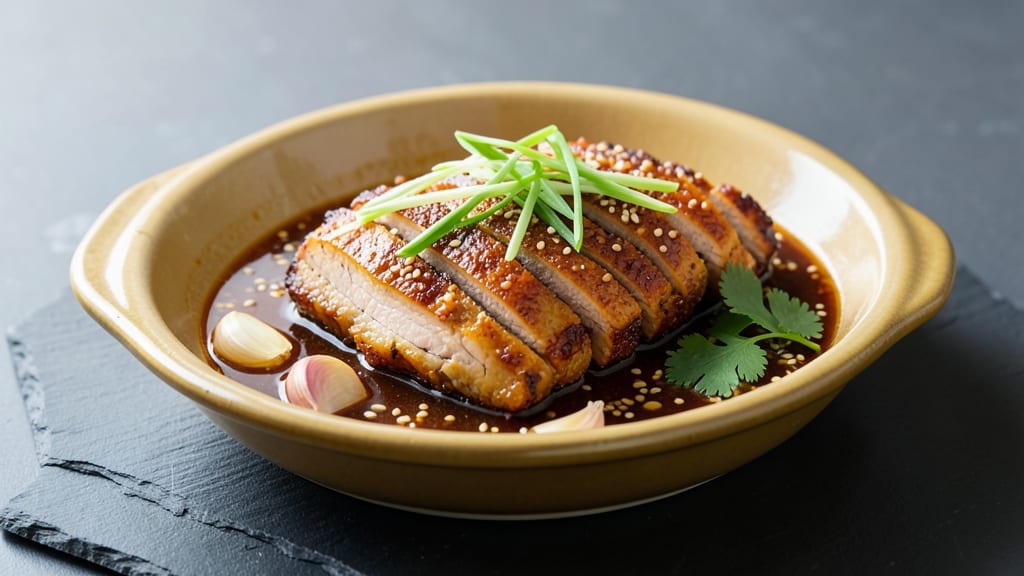
This Shanghai braised pork shoulder recipe brings the soul of Shanghai’s street-side eateries to your kitchen—deep, savory umami in every tender bite. 🔥 I first learned the art of long, slow braising from Master Chef Chen in Charleston, where pork was treated with the same reverence as it is in Shanghai, using soy sauce, sugar, and Shaoxing wine as the foundation.
The secret lies in marinating the pork shoulder overnight to infuse it with layers of flavor, then braising it low and slow in a rich liquid that transforms tough cuts into melt-in-your-mouth perfection. This one-pot method ensures minimal cleanup while delivering restaurant-quality results that’ll have your family returning for seconds.
By the end, you’ll have pork with a glossy, caramelized exterior and a fork-tender interior, soaked in a fragrant, slightly sweet sauce. It’s the kind of dish that feels indulgent but is surprisingly simple to execute—once you master the balance of salt, sweetness, and umami.
Serve it over steamed rice or noodles, and pair with pickled vegetables for a complete meal that transports you straight to Shanghai’s bustling markets. Let’s get started with this foolproof technique that’s been perfected over decades of cooking.
Ingredients for shanghai braised pork shoulder
Six pounds of pork shoulder meets Shanghai’s umami magic in this one-pot wonder.
| Ingredient | Amount | Notes |
|---|---|---|
| Pork Shoulder (Bone-In, Cut Into 2-3 lb Pieces) 🐷 | 5 lb | With skin, fat cap intact |
| Shaoxing Wine 🍷 | 1 cup | Dry, aged variety preferred |
| Light Soy Sauce 🧂 | ½ cup | Low sodium for balance |
| Dark Soy Sauce 🧂 | 2 tbsp | For color and depth |
| Granulated White Sugar 🍚 | ½ cup | Demerara or turbinado for caramelization |
| Garlic Cloves 🧄 | 8 cloves | Peeled, smashed for potency |
| Fresh Ginger 🌿 | 4 oz | Thinly sliced, skin removed |
| Star Anise Pods 🌟 | 4 whole | Whole for aromatic infusion |
| Cinnamon Sticks 🌿 | 2 whole | Ceylon preferred for brightness |
| Dried Red Chili Peppers 🌶️ | 2 tbsp | Stemmed, for subtle heat |
| Rock Sugar or Brown Sugar 🍚 | ¼ cup | For authentic sweetness |
| Vegetable Broth 💧 | 2 cups | Low sodium for control |
| Cornstarch 🌾 | 2 tbsp | For sauce thickening |
| Sesame Oil 🫒 | 1 tbsp | Toasted for aroma finish |
| Salt 🧂 | 1 tsp | Kosher, for marinade |
| Black Peppercorns 🌶️ | 1 tsp | Freshly cracked preferred |
The pork shoulder is everything here—bone-in, fat cap intact for maximum flavor infusion. Look for pork shoulder with visible marbling, which ensures tenderness. I always buy it from local butcher shops or Costco when available, but even the grocery store cuts work if they’re fresh. The fat cap should feel firm, not greasy—this means it’s properly chilled and ready for marinating. If you can’t find bone-in, bone-out pork works but requires 10-15% more cooking time to reach the same tenderness.
Shaoxing wine is non-negotiable—dry, aged varieties like Huadiao add depth that dry red wine can’t replicate. No Shaoxing? Dry sherry or mirin gets you close, though the flavor profile shifts slightly. For the soy sauces, low-sodium light soy balances the sweetness, while dark soy adds color and umami. Skip pre-minced garlic—peel and smash whole cloves for maximum aromatic release. The rock sugar is a must for that authentic caramelized finish; brown sugar works in a pinch, but it lacks the depth.
Marinate the pork for at least 12 hours—overnight is ideal—for the flavors to truly penetrate. Store the marinade in an airtight container in the fridge for up to 5 days. The braised pork keeps beautifully for 5-6 days in the fridge or freezes perfectly for up to 3 months. I always double the batch and freeze half—I portion it into containers so reheating is a breeze. The sauce thickens as it cools, so stir before serving to restore its silky texture. Pair with steamed jasmine rice and pickled mustard greens for that authentic Shanghai street-food vibe.
Why You'll Love This Recipe
- One-Pot Magic: I swear by this recipe when I’m too tired to dirty more than one pot. The pork shoulder goes in raw, the wine and soy sauces do the heavy lifting, and by the time the sugar caramelizes into a glossy glaze, I’m left with a dish that tastes like it simmered all day—no fancy techniques required.
- Umami Bomb: That first bite? The Shaoxing wine cuts through the richness of the pork while the dark soy sauce adds a deep, savory punch. Honestly, the balance of sweetness from the sugar and salt from the light soy sauce makes it impossible to stop eating—even my picky husband finishes his plate.
- Leftovers That Shine: Between us, this is my go-to for meal prep. The pork stays tender for days, and reheating it in the same braising liquid? It’s like time travel—just as good as the first serving. I’ll often slice it into sandwiches or toss it into fried rice, and no one ever guesses it’s been sitting in the fridge.
- Budget-Friendly Feast: A bone-in pork shoulder stretches to feed four (or five if you’re feeding teenagers). The ingredients? Basic pantry staples—no specialty items, no markup. I’ll be real: this is how I stretch my grocery budget without sacrificing flavor, and the fact that it’s so forgiving with timing makes it my secret weapon for busy nights.
Step-by-step instructions for Shanghai braised pork shoulder
Here's the method that delivers melt-in-your-mouth pork with a glossy, aromatic sauce every time.
🍳 Step 1: Sear the Pork Shoulder for Deep Flavor
Heat a heavy Dutch oven over medium-high heat until smoking hot. Pat the 5 lb pork shoulder dry with paper towels and place it fat-side down in the pot. Let it sear undisturbed for 8-10 minutes until the fat renders and the skin turns deep golden brown. Here's the thing—this initial sear locks in juices and builds the foundation for that rich, caramelized flavor we're after.
Flip the pork and sear the other side for another 6-8 minutes until well-browned. Remove the pork and set it aside on a plate. You'll notice the fat in the pot is shimmering—this is your signal to move to the next step. If the fat isn't golden, don't worry; we'll build more flavor as we go.
👨🍳 Step 2: Build the Aromatic Base
In the same Dutch oven, reduce the heat to medium and add the 8 cloves garlic cloves and 4 oz fresh ginger. Sauté for 1-2 minutes until fragrant but not browned—you're looking for that warm, pungent aroma that'll infuse the entire dish. Real talk: don't let it burn, or you'll end up with bitter flavors.
Add the 4 whole star anise pods, 2 whole cinnamon sticks, and 2 tbsp dried red chili peppers. Stir for 30 seconds to toast the spices lightly, releasing their essential oils. This step is the moment that matters: the spices should smell intensely aromatic, like walking through a spice market in Shanghai.
🥘 Step 3: Deglaze and Combine All Ingredients
Pour in the 1 cup shaoxing wine and scrape up all the browned bits from the bottom of the pot with a wooden spoon. This deglazing captures all that concentrated flavor that would otherwise stick to the pan. Let the wine simmer for 2-3 minutes until reduced by half—you'll see it go from a pale liquid to a glossy, syrupy consistency.
Add the 0.5 cup light soy sauce, 2 tbsp dark soy sauce, 0.5 cup granulated white sugar, and 0.25 cup rock sugar or brown sugar. Stir until the sugars dissolve completely. Return the pork to the pot, skin-side up, and pour in the 2 cups vegetable broth. Bring everything to a gentle simmer, then cover and transfer to a 300°F oven.
⏰ Step 4: Braise Until Fork-Tender
Braise the pork for 2.5-3 hours until the meat is fork-tender and pulls apart easily. I know it seems like a long time, but trust the process—this slow cooking transforms tough pork into melt-in-your-mouth perfection. Every 45 minutes, spoon the braising liquid over the pork to keep it moist and ensure even cooking.
About 30 minutes before the pork is done, remove it from the pot and set it aside. Skim any excess fat from the surface of the braising liquid (you should have about 1.5 cups remaining). In a small bowl, whisk together the 2 tbsp cornstarch with 2 tablespoons of the braising liquid to make a slurry. Stir this back into the pot and simmer for 3-5 minutes until the sauce thickens to a glossy consistency.
🍽️ Step 5: Finish and Serve
Return the pork to the pot and heat through for 2-3 minutes. Stir in the 1 tbsp sesame oil and season with 1 tsp salt and 1 tsp black peppercorns. The pork is ready when it reaches an internal temperature of 203°F—this ensures it's perfectly tender with no risk of dryness.
Slice the pork shoulder against the grain into ½-inch thick pieces and serve immediately with the braising sauce spooned over the top. Each bite should deliver tender, juicy pork with a glossy sauce that's perfectly balanced between sweet, salty, and umami. This is the dish that makes Shanghai-style braising worth every minute of waiting.
Pro Tips For Making Shanghai Braised Pork Shoulder
- Blister the Skin First: Hit that pork shoulder with a torch or broiler for 30 seconds per side before braising—it traps moisture and gives you that deep, caramelized crust. I used to skip this, and the meat always ended up dry no matter how long I braised it.
- Use Dark Soy for Color: Dark soy sauce isn’t just for looks—it’s the thing that matters most for that glossy, mahogany finish. Slather it on the meat before searing, not just in the braising liquid. (Yes, even if you’re impatient like me.)
- Simmer Low and Slow: After the initial sear, drop the heat to a bare simmer—think tiny bubbles, not a rolling boil. I learned this the hard way when my first batch turned out tough because I kept the heat too high. Two hours at low heat makes all the difference.
- Deglaze with Shaoxing Wine: Don’t just dump the wine in—let it sizzle for 30 seconds to cook off the alcohol before adding liquids. This keeps the sauce rich and prevents a boozy aftertaste. (Your future self will thank you.)
Perfect pairings for these flavors
Rice Pairings
Jasmine rice is the classic choice—its delicate floral aroma and slightly sticky texture soak up the rich braising sauce beautifully. I always cook 2 cups jasmine rice per pound of pork, using a 1:1.25 rice-to-water ratio in a rice cooker.
For extra indulgence, try sticky rice or short-grain rice, both of which hold up better to the sauce’s weight. 🍚
Pickled Vegetables
Pickled mustard greens or daikon radish add a bright, tangy contrast that cuts through the pork’s richness.
I make a quick batch by thinly slicing 1 lb mustard greens, packing them into a jar with a mix of 1 cup rice vinegar, 1 tbsp sugar, and 1 tsp salt. Let them pickle for at least 2 hours before serving.
For a shortcut, grab pre-pickled veggies from the Asian market section.
Steamed Buns
Warm, fluffy steamed buns (bao) are a must for soaking up every last drop of sauce. I love using store-bought frozen buns from the Asian aisle—just steam them for 8-10 minutes until puffy.
For homemade, try a simple dough of 2 cups all-purpose flour, 1 tsp instant yeast, and ¾ cup warm water, steamed in banana leaves for that authentic touch.
Cucumber Salad
A refreshing cucumber salad balances the meal’s richness. Thinly slice 2 Persian cucumbers and toss with 1 tbsp rice vinegar, 1 tsp sesame oil, ½ tsp sugar, and a pinch of salt.
Add 1 tbsp toasted sesame seeds for crunch. This light side keeps the meal fresh and vibrant.
Miso Soup
Start your meal with a bowl of miso soup to prime your palate. Simmer 2 cups dashi broth with 2 tbsp red miso paste and ¼ cup thinly sliced scallions until dissolved. Top with tofu cubes and seaweed strips> for a comforting, umami-packed starter. 🍜
Dessert Pairings
End with something light like lychee jelly or mango pudding to cleanse your palate. For a quick option, serve black sesame mochi—its nutty flavor and chewy texture contrast perfectly with the pork’s richness.
I often buy these from local Asian bakeries, but homemade versions are easy with store-bought mochi dough and black sesame paste.
Nutrition facts
Frequently asked questions
Why does Shanghai braised pork shoulder need to marinate overnight?
The overnight marinade is key to developing deep flavor and tenderness. The soy sauce, Shaoxing wine, and spices penetrate the meat, breaking down tough fibers while infusing it with umami. This step transforms the pork from tough to melt-in-your-mouth perfection—trust the process, even if it feels like waiting!
Can I substitute Shaoxing wine with something else?
If you can't find Shaoxing wine, use dry sherry or mirin as a substitute. For a non-alcoholic option, try apple cider vinegar + 1 tsp sugar. The wine adds depth that's hard to replicate, but these alternatives still deliver great results. Just remember the flavor profile will shift slightly.
How do I know when the pork is fully tender?
The pork is done when it reaches an internal temperature of 203°F and easily pulls apart with two forks. For extra assurance, press a knife into the thickest part—if it slides in smoothly with no resistance, you're golden. This low-and-slow method ensures the connective tissue dissolves completely, creating that signature Shanghai texture.
What's the best way to reheat leftovers?
Reheat in a skillet with a splash of water or broth over low heat until warmed through (5-7 minutes). The sauce will thicken as it cools, so stir occasionally. For microwave reheating, cover with a damp paper towel and heat in 30-second intervals to prevent drying. Leftovers keep for 5-6 days in the fridge or freeze for 3 months.
Can I make this in a slow cooker instead of the oven?
Yes! After searing and building the aromatic base, transfer everything to a 6-quart slow cooker and cook on low for 8-10 hours or high for 5-6 hours. The low-and-slow approach works perfectly, though you may need to thicken the sauce separately at the end since slow cookers don't reduce liquids as effectively.