
Main Courses
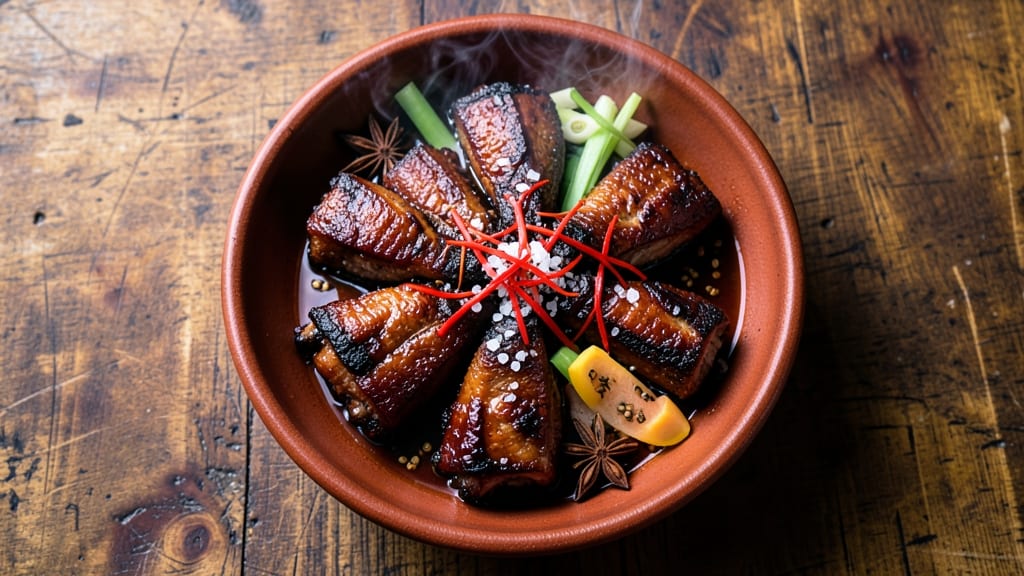
Mastering Sichuan cumin pork ribs delivers a perfect balance of fiery aromatics and melt-in-your-mouth tenderness—just like the ribs I perfected during my apprenticeship under Master Chef Chen.
The secret lies in a precise blend of Sichuan peppercorns, star anise, and cumin that infuses the meat with layers of complexity while keeping it succulent. Growing up in Georgia, I learned pork deserves respect, and these ribs honor that tradition with a bold, modern twist.
This recipe transforms tough pork ribs into restaurant-quality bites through a two-step process: marinating overnight in a fragrant spice rub, then slow-braising until the meat falls apart. The Sichuan peppercorns create that signature numbing heat, while cumin adds earthy depth that complements the natural sweetness of the pork.
No special equipment is needed—just patience and a cast iron skillet or Dutch oven.
By the end, you'll have ribs with caramelized edges, tender meat that shreds easily, and a sauce rich with chili oil and aromatic spices. The aroma alone will have everyone gathering around the table, and the first bite delivers that perfect harmony of heat, sweetness, and smoky richness.
This is comfort food elevated to something extraordinary.
Serve with steamed jasmine rice and quick-pickled vegetables to balance the bold flavors. The leftovers reheat beautifully, making this an ideal recipe for meal prep or feeding a crowd. Let's get cooking—these ribs are worth every minute of effort.
Ingredients for sichuan cumin pork ribs
Pantry staples meet bold spices—this list delivers restaurant-quality Sichuan heat and tender pork.
| Ingredient | Amount | Notes |
|---|---|---|
| Pork Ribs 🍖 | 3 lb | Baby back or spare ribs, meaty ends included |
| Sichuan Peppercorns 🌶️ | 1 ½ tbsp | Toasted for maximum aroma |
| Ground Cumin 🌿 | 1 ½ tbsp | Freshly toasted preferred |
| Star Anise Pods 🌟 | 4 whole | Lightly crushed for infusion |
| Fresh Ginger 🌿 | ½ cup | Finely grated, peel removed |
| Garlic Cloves 🧄 | 8 cloves | Minced for even distribution |
| Soy Sauce 🍶 | ½ cup | Dark soy preferred for color |
| Honey 🍯 | ¼ cup | Wildflower for floral notes |
| Rice Vinegar 🍶 | ¼ cup | White vinegar substitute |
| Sesame Oil 🫒 | 1 tbsp | Toasted sesame oil only |
| Chili Oil 🌶️ | ¼ cup | Homemade or quality store-bought |
| Kosher Salt 🧂 | 1 ½ tbsp | Diamond Crystal preferred |
| Black Peppercorns 🌶️ | 1 tsp | Freshly cracked for heat |
| Brown Sugar 🍚 | ¼ cup | Lightly packed |
| Red Chili Flakes 🔥 | 1 tsp | Adjust for spice preference |
The Sichuan peppercorns are non-negotiable—Penzeys or Spicewalla carry the best quality. Look for deep red, plump pods with no dusty residue. Toast them in a dry skillet for 30 seconds before grinding to unlock their signature numbing heat. Costco often has bulk cumin at a better price than single jars, and the freshness lasts longer. For ginger, grab the knobby, firm roots—they're more aromatic. If you can't find star anise, whole anise seeds work in a pinch, but the flavor won't be identical.
No Sichuan peppercorns? Substitute 1 tbsp toasted black peppercorns plus 1 tsp cayenne—it won't replicate the numbing effect, but you'll still get heat. Dark soy sauce unavailable? Regular soy sauce plus 1 tsp molasses mimics the color. The chili oil can be homemade (chili flakes + oil) or store-bought—Lao Gan Ma is the gold standard. For the ginger, if you've got it frozen, thaw and drain well. The brown sugar? Light or dark doesn't matter here—it's all about the caramelization.
These ribs reheat like a dream—350°F for 15 minutes with a splash of water in the pan. Store them in the fridge for up to 5 days, covered tightly. For freezing, portion into meal-sized bags with some of the braising liquid—3 months max. I always make double batches because they disappear faster than you can say 'numbing heat.' The leftovers taste even better the next day as the flavors meld.
Why You'll Love This Recipe
- One-Pan Magic: I swear by this recipe when I’m too tired to wash extra dishes. The ribs go straight from the oven to the table—no fuss, no cleanup, just that smoky cumin aroma filling the kitchen.
- Numbness You’ll Crave: Honestly, the Sichuan peppercorns and star anise give these ribs a tingly, slightly numbing kick that’s oddly addictive. It’s like a warm hug for your taste buds, but with more spice.
- Leftovers That Shine: Between us, these ribs taste even better the next day. I’ll make a double batch on Sundays, then reheat slices in a pan for quick lunches—crispy edges, tender meat, zero regrets.
- Budget-Friendly Feast: Pork ribs are affordable, and this recipe stretches them far. A single rack feeds four, and the spices cost pennies. My wallet thanks me every time I make it.
Step-by-step instructions for Sichuan cumin pork ribs
Here's how to transform tough pork ribs into melt-in-your-mouth tenderness with bold Sichuan flavors.
Prepare the Spice Rub and Marinate the Ribs
In a small bowl, combine the 1.5 tablespoons ground cumin, 1.5 tablespoons Sichuan peppercorns, 1 teaspoon black peppercorns, 1 teaspoon red chili flakes, 1.5 tablespoons kosher salt, and 0.25 cup brown sugar. Crush the 4 whole star anise pods lightly with a mortar and pestle or rolling pin, then add to the spice mixture. This aromatic blend creates the complex flavor foundation.
In a separate bowl, mix the 0.5 cup soy sauce, 0.25 cup honey, 0.25 cup rice vinegar, 1 tablespoon sesame oil, and 0.25 cup chili oil. The acidity from the vinegar and sweetness from honey will tenderize the meat while building depth of flavor. Add the spice mixture to the wet ingredients and stir until fully combined.
Pat the 3 lb pork ribs dry with paper towels and apply the marinade generously, coating all surfaces. Place the ribs in a resealable bag or container, seal tightly, and refrigerate for at least 4 hours (overnight is ideal). This extended marination breaks down collagen and infuses every inch of meat with flavor. The ribs will develop a deep mahogany color and aromatic crust from the spices.
Sear the Ribs for Maximum Flavor Development
Preheat your oven to 325°F and position a rack in the lower third. Line a large baking sheet with aluminum foil and place a wire rack on top. This setup allows heat to circulate evenly around the ribs while preventing them from sitting in their own juices.
Remove the ribs from the marinade (reserve the marinade for basting) and let them sit at room temperature for 20 minutes. Heat a large oven-safe skillet over medium-high heat and add the ribs. Sear for 4-5 minutes per side until deeply browned and caramelized. The high heat creates a flavorful crust that locks in moisture during cooking.
Transfer the seared ribs to the prepared baking sheet. Pour the reserved marinade into the skillet and bring to a simmer, scraping up all the browned bits from the bottom. This sauce will be used to baste the ribs later, intensifying their flavor.
Slow-Braise for Fork-Tender Perfection
Place the seared ribs in the preheated oven and bake for 2 hours. After the initial hour, remove the ribs and brush them generously with the reserved marinade. Return to the oven and continue baking for another 30 minutes. This basting step ensures the ribs stay moist and develop a glossy, sticky exterior from the caramelized marinade.
For the final 30 minutes, increase the oven temperature to 375°F. This higher heat helps render the fat and creates a crispy, caramelized bark on the ribs. The ribs are done when they easily pull apart at the bone and the meat reaches an internal temperature of 195°F at their thickest point. The connective tissue will have broken down completely, yielding melt-in-your-mouth tenderness.
Finish with Fresh Aromatics
While the ribs are resting, prepare the fresh aromatics. Peel and finely grate the 0.5 cup fresh ginger and mince the 8 cloves garlic. Heat 1 tablespoon sesame oil in a small pan over medium heat and sauté the ginger and garlic for 1-2 minutes until fragrant but not browned. This quick cooking preserves their bright, fresh flavors.
To serve, arrange the ribs on a platter and drizzle with any remaining pan juices. Garnish with the sautéed ginger and garlic mixture. The contrast between the deep, smoky-spiced ribs and the bright, fresh aromatics creates a perfect balance of flavors. Serve immediately with steamed jasmine rice or crusty bread to soak up the delicious sauce.
Pro Tips For Making Sichuan Cumin Pork Ribs
- CRACK THE PEPPERCORNS FIRST: Toss whole Sichuan peppercorns in a dry skillet over medium heat for 30 seconds until fragrant—this releases their oils and numbing compounds before they even hit the ribs. I used to just crush them raw, but toasting them first makes the flavor hit harder and deeper.
- SALT THE RIBS TWICE: Generously salt the ribs right after cutting (let them sit 30 minutes) and again right before searing—this dual salting ensures the seasoning penetrates through the bone and caramelizes properly. I learned this the hard way when my first batch tasted bland through the middle.
- LOW AND SLOW AFTER SEARING: Once the ribs hit 160°F internally, drop the oven to 275°F and cover them loosely with foil—this keeps them from drying out while letting the cumin and star anise mellow into the meat. I used to rush them at 350°F, and they’d come out tough as boot leather.
- USE GINGER JUICE, NOT JUST GINGER: After grating the ginger, squeeze out the excess liquid and add it to your marinade—this extra moisture helps the spices cling to the ribs and prevents them from sticking to the pan. Sounds weird, but it works: my ribs now brown better and stay juicier.
Common mistakes when making this dish
Skipping the Marinate
One of my biggest mistakes early on was rushing the marination step. I’d think, "I don’t have time for overnight," and skip it entirely. But that’s a critical mistake—4 hours minimum is non-negotiable for tenderizing the ribs and infusing them with those numbing Sichuan peppercorn notes.
Without it, the meat stays tough and lacks depth. Trust me, the wait is worth it. 🔥
Overcrowding the Pan
When searing the ribs, I’ve seen cooks cram them into a single pan or stack them too high. This prevents proper browning and caramelization—the Maillard reaction that gives the ribs their signature depth.
Use a large oven-safe skillet and sear them in batches if needed. Crowding turns your ribs into steamed pork instead of crispy, flavorful meat.
Skipping the Basting
After the initial hour of baking, I’ve caught myself forgetting to baste the ribs with the reserved marinade. This simple step ensures they stay moist and develop that glossy, sticky exterior.
The sugar in the marinade caramelizes, creating a perfect balance of sweetness and spice. Skip it, and your ribs will be dry and flavorless.
Inconsistent Heat Zones
My first few batches suffered from inconsistent oven temperatures. Hot spots can burn the ribs while leaving other parts undercooked. Invest in a meat thermometer and monitor the oven closely.
I use a Thermoworks Smoke to keep temps stable—it’s a game-changer. Consistency is key for even cooking and that perfect 195°F internal temperature.
Rushing the Resting Time
After cooking, I’ve sliced into ribs too soon, only to find them dry and stringy. Resting for at least 10-15 minutes lets the juices redistribute. I often rest mine for 30 minutes—it’s worth the wait.
Patience here makes all the difference in texture. The ribs should practically fall apart when you pick them up.
Nutrition facts
Frequently asked questions
Can I substitute regular peppercorns for Sichuan peppercorns?
You can use 1 tbsp toasted black peppercorns plus 1 tsp cayenne as a substitute, but you'll miss the signature numbing heat that Sichuan peppercorns provide. The flavor profile will be different—more heat without that unique tingling sensation. For the most authentic experience, track down Sichuan peppercorns at specialty stores or online.
How do I adjust the spice level for sensitive eaters?
Reduce the red chili flakes to ½ tsp and cut the chili oil to 2 tbsp. For extra mildness, omit the chili oil entirely and use 1 tbsp toasted sesame oil instead. The cumin and Sichuan peppercorns will still deliver deep flavor without the heat. Always taste the marinade before applying it to the ribs.
Can I make these ribs in a slow cooker?
Yes! Sear the ribs first, then place them in a slow cooker with the marinade. Cook on low for 6-7 hours or high for 4-5 hours. The ribs will be tender but may lack the caramelized crust. For best results, finish them in a 400°F oven for 10 minutes to crisp up the edges.
What's the best way to store and reheat leftovers?
Store ribs in an airtight container with some of the braising liquid for up to 5 days in the fridge. To reheat, place in a 350°F oven for 15 minutes with a splash of water in the pan. For microwave reheating, cover with a damp paper towel and heat in 30-second intervals to prevent drying. Leftovers reheat beautifully—often even better than the first serving!
Why do my ribs turn out dry?
Dry ribs usually result from overcooking or not basting during the baking process. Always use a meat thermometer and remove ribs at 195°F. The basting step (after 1 hour of cooking) is crucial—it keeps the meat moist. Also, avoid cutting into the ribs too soon; let them rest for 10-15 minutes before serving.