
Main Courses
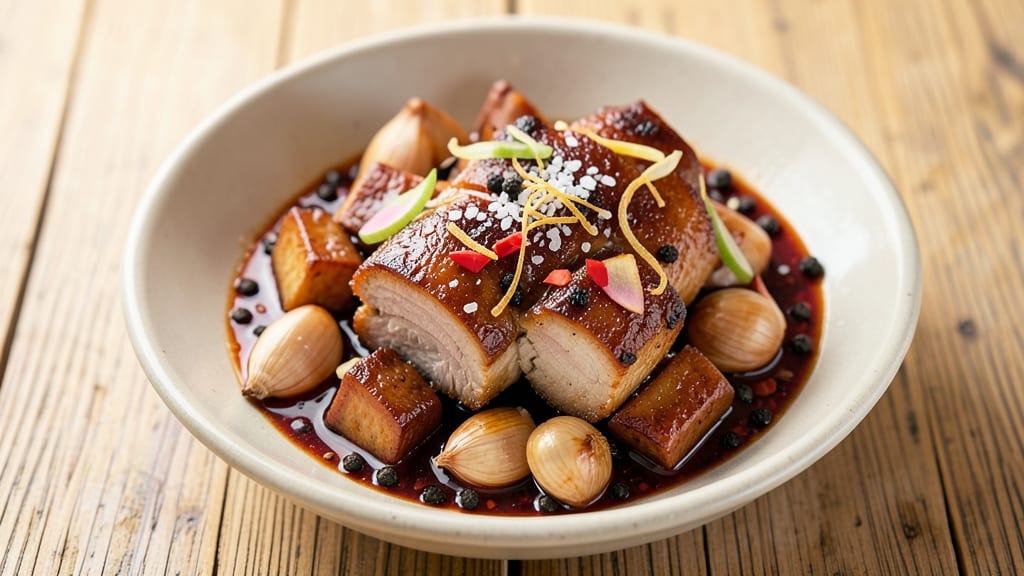
This Sichuan pork recipe delivers the bold, complex flavors of China's fiery cuisine right to your kitchen table with tender, silky meat and layers of chili heat and numbing spice.
Growing up in Georgia, I never imagined pork could taste this vibrant—until I apprenticed under Master Chef Chen and learned how Sichuan peppercorns and chili bean paste transform simple ingredients into something extraordinary.
The key lies in balancing the heat with sweetness while keeping the meat incredibly tender through precise stir-frying.
The magic happens in the marinade, where garlic, ginger, and a touch of sugar prepare the pork to absorb the aromatic spices without becoming tough. We'll stir-fry the meat in batches over high heat to achieve that signature caramelized exterior while maintaining a moist, silky interior.
The sauce—thickened with a touch of cornstarch—binds all the flavors together into a glossy, clinging coating that clings to every bite.
By the end, you'll have a dish that's perfectly balanced: fiery from the chili, subtly numbing from the Sichuan peppercorns, and deeply savory from the pork itself.
The aroma alone will have everyone gathering at the table, and each bite delivers that perfect harmony of textures and flavors that makes Sichuan cuisine so unforgettable. Serve it over steamed rice to soak up every last drop of that aromatic sauce.
This recipe scales beautifully for family dinners or gatherings, and the leftovers reheat just as well as the first serving. Whether you're introducing someone to Sichuan flavors or perfecting your own technique, this method ensures restaurant-quality results every time. Let's get cooking!
Ingredients for sichuan pork
Bold flavors start with these 14 ingredients—where fiery Sichuan meets tender pork magic.
| Ingredient | Amount | Notes |
|---|---|---|
| Pork Shoulder 🥩 | 1 ½ lb | Cut into 1-inch cubes, boneless |
| Garlic Cloves 🧄 | 6 cloves | Minced, fresh preferred |
| Fresh Ginger 🌿 | 2 tbsp | Finely grated, peeled |
| Sichuan Chili Bean Paste 🌶️ | 2 tbsp | Authentic brand like Lao Gan Ma |
| Sichuan Peppercorns 🌶️ | 1 tbsp | Toasted and crushed |
| Light Brown Sugar 🍯 | 1 tbsp | For balancing heat |
| Soy Sauce 🥢 | 2 tbsp | Dark soy preferred |
| Shaoxing Wine 🍷 | 2 tbsp | Substitute dry sherry if unavailable |
| Cornstarch 🌾 | 1 tbsp | For sauce thickening |
| Vegetable Oil 🫒 | ½ cup | High smoke point |
| Green Onions 🧅 | 4 whole | Sliced, white and green parts |
| Sesame Oil 🫒 | 1 tsp | For finishing aroma |
| Salt 🧂 | ½ tsp | Adjust to taste |
| Black Pepper 🌶️ | ½ tsp | Freshly ground |
The pork shoulder is key—look for well-marbled cuts at your butcher or Costco's pre-cut pork for convenience. Lao Gan Ma chili bean paste is non-negotiable for authentic heat (find it at Asian markets or Amazon), but if you're short on time, Doubanjiang works too. Sichuan peppercorns? Toast them in a dry pan for 2 minutes—that's when they release their signature numbing aroma. Fresh ginger and garlic should smell vibrant; if they're musty, grab new ones. The dark soy sauce (not regular soy) gives that signature deep color—Trader Joe's carries it if local stores don't.
No Sichuan peppercorns? Substitute 1/2 tsp cayenne plus 1/2 tsp black pepper—it won't numb but adds heat. Shaoxing wine unavailable? Dry sherry or even mirin works in a pinch. For the cornstarch slurry, use equal parts cornstarch and cold water—that's the trick to a glossy sauce. Green onions can be swapped for scallions or chives, but the white parts add crucial flavor. Prep all ingredients before cooking—this dish moves fast, and you'll want everything ready when the pork hits the pan.
The pork marinade keeps 2-3 days in the fridge, but the sauce reheats best within 2 days. For leftovers, store sauce separately—it thickens as it cools. Freeze portions for up to 3 months, but thaw gently in the fridge. Double the batch if you're feeding a crowd—the sauce gets even better the next day. Serve over steamed jasmine rice to soak up every last drop of that aromatic goodness.
Why You'll Love This Recipe
- I’ll be real: I always make extra because this pork gets better the second day. Shred it into rice bowls, toss it into noodles, or just reheat it straight from the pot—it’s the kind of dish that turns into three meals before you know it. (My freezer’s full of it, no shame.)
- One-Pan Magic: Between us, this dish is that rare recipe where the hardest part is deciding whether to use your wok or sheet pan. Toss the pork shoulder in with the chili bean paste and peppercorns, let it braise—no flipping, no fussing—just deep, sticky flavor that clings to every bite like it’s been there forever.
- Numb & Tingling Bliss: Honestly, the moment those Sichuan peppercorns hit the oil and start popping, you’re already hooked. That initial heat gives way to this lingering numbness—like your mouth is playing tricks on you—and the garlic-ginger base ties it all together with a punch that lingers for hours. (Yes, even on a Tuesday night.)
- Budget Stretch Star: Pork shoulder’s cheap, and a little chili bean paste goes a long way—this feeds four for the price of two takeout orders. Plus, the longer it cooks, the more tender (and flavorful) it gets, so you’re not just saving money, you’re getting better pork with every bite. Win-win.
Step-by-step instructions for Sichuan pork stir-fry
Here's how to create tender, silky pork with bold Sichuan flavors that balance heat and depth perfectly.
Prepare the Pork and Marinate for Maximum Flavor
Cut the 1.5 lb pork shoulder into 1-inch cubes and place them in a large bowl. Add the 6 cloves minced garlic, 2 tbsp finely grated fresh ginger, 2 tbsp Sichuan chili bean paste, 1 tbsp toasted and crushed Sichuan peppercorns, 2 tbsp soy sauce, 2 tbsp Shaoxing wine, 0.5 tsp salt, and 0.5 tsp black pepper. The Sichuan peppercorns will give that signature numbing heat, while the garlic and ginger build aromatic depth.
Use your hands to massage the marinade into the pork until every piece is thoroughly coated. Let it sit at room temperature for 15 minutes—this ensures even cooking and maximum flavor penetration. If you're short on time, you can marinate for 10 minutes, but longer is better for deeper flavor.
Build the Stir-Fry Base with Aromatics and Sauce
Heat 0.5 cup vegetable oil in a wok or large skillet over medium-high heat until shimmering but not smoking. Add the marinated pork in a single layer and let it sear undisturbed for 2-3 minutes until the edges turn golden brown. This initial sear locks in juices and builds a flavorful crust.
Push the pork to one side of the wok and add 1 tbsp light brown sugar to the empty space. Stir for 30 seconds until it melts slightly, then add the pork back into the wok. Stir-fry for 3-4 minutes until the pork is 80% cooked—it should still have a slight resistance when pierced with a fork. This step balances the heat with natural sweetness, creating a complex flavor profile.
Thicken the Sauce and Finish with Aromatics
In a small bowl, whisk together 1 tbsp cornstarch with 2 tablespoons of water to create a slurry. Pour this into the wok while stirring continuously for 1-2 minutes until the sauce thickens and coats the pork evenly. The sauce should cling to the meat rather than pool at the bottom—this is your signal that it's ready.
Add the 4 sliced green onions (white and green parts) and stir for 30 seconds until they wilt slightly. Remove the wok from heat and drizzle in 1 tsp sesame oil—this adds a nutty aroma that ties all the flavors together. The green onions add freshness to cut through the richness and heat.
Rest and Serve for Perfect Texture
Let the pork rest in the wok for 2-3 minutes off the heat. This allows the juices to redistribute, ensuring each bite is tender and flavorful. The pork should be silky with a slight resistance when pierced—this texture is key to a successful Sichuan stir-fry.
Serve immediately over steamed rice or noodles, garnished with extra sliced green onions if desired. The dish should be fiery yet balanced, with layers of numbing Sichuan peppercorn heat, sweetness from the brown sugar, and umami from the soy sauce and pork. Adjust the heat level by serving with extra chili bean paste or a cooling side like cucumber salad if needed.
Pro Tips For Making Sichuan Pork
- Char the Aromatics First: Toss minced garlic and ginger into a dry, smoking-hot wok before adding oil—this deep-fries their essence into the pork fat, locking in that nutty, pungent depth. I used to sauté them gently, and the dish always tasted flat until I realized how much flavor gets lost without that quick sear.
- Salt the Pork Twice: Wet the pork shoulder with salted water (1 tbsp salt per 2 cups water) before searing, then hit it again with a dry rub of Sichuan peppercorns and coarse salt after browning. The first salt tenderizes; the second builds that addictive crust. (Yes, even if you’re impatient like me.)
- Don’t Rush the Bean Paste: Bloom the Sichuan chili bean paste in pork fat low and slow—at least 5 minutes—until it turns glossy and smells like a spice market. Skipping this step leaves it raw-tasting and gritty, and no amount of stirring later will fix it.
- Save the Rendered Fat: Strain the pork fat through a fine-mesh sieve after searing to remove debris, then reserve 2 tbsp to finish the dish. That golden, meaty fat carries the Sichuan peppercorns’ numbing kick and ties everything together—don’t pour it down the drain. (Your future self will thank you.)
Perfect pairings for sichuan pork
Rice Pairings
Steamed jasmine rice is the classic companion to Sichuan pork—its delicate floral aroma and mild sweetness perfectly balance the dish's fiery complexity. I use long-grain jasmine rice from Thai Kitchen because it stays light and soaks up the sauce beautifully.
For extra flair, mix in 1 tsp toasted sesame seeds and a pinch of salt before serving. 🌾
For a heartier option, try sticky rice (also called glutinous rice) from Asian markets. Its chewy texture contrasts wonderfully with the tender pork, and it's especially popular in Southern Chinese cuisine.
Cook it in advance and keep it warm in a rice cooker—it reheats perfectly and pairs beautifully with the leftover sauce.
Vegetable Sides
A crisp cucumber salad with rice vinegar and chili oil cuts through the richness of the pork. Toss 2 cups sliced cucumbers with 1 tbsp rice vinegar, ½ tsp sugar, and 1 tsp chili oil—the cooling cucumber balances the heat perfectly.
I like to add ½ tsp toasted Sichuan peppercorns for an extra numbing kick. 🥒
Quick-pickled vegetables add tangy contrast. Thinly slice 1 carrot, 1 daikon radish, and 1 bell pepper, then soak in a mix of ¼ cup rice vinegar, 1 tbsp sugar, and ½ tsp salt for 30 minutes.
The bright acidity refreshes your palate between bites of spicy pork.
Drink Recommendations
A cold juniper green tea from Harney & Sons complements the dish's bold flavors without overpowering them. The tea's herbal notes and slight bitterness cleanse your palate between bites. For something stronger, try a light Chinese lager like Tsingtao—its crisp, clean finish balances the dish's complexity. 🍺
For a non-alcoholic option, I love lychee soda from Thai markets. The sweet, floral lychee flavor contrasts beautifully with the spicy pork, while the carbonation adds a refreshing lift. Serve it chilled over ice for the full experience.
Garnish Finishes
Fresh cilantro leaves sprinkled on top add a bright, herbaceous note that cuts through the richness. I also like adding crushed roasted peanuts for texture and a subtle earthiness. For extra heat, serve with extra chili oil on the side—let guests drizzle it to taste. 🌿
A drizzle of hoisin sauce (like Lee Kum Kee) before serving adds a glossy finish and deeper umami flavor. The sauce's sweetness balances the spice, while its sticky texture enhances the pork's tenderness. Keep it on the table for those who want to customize their plate.
Nutrition facts
Frequently asked questions
Why does Sichuan pork have that signature numbing sensation?
The signature "mala" or numbing sensation comes from Sichuan peppercorns, which contain a compound called hordenine that stimulates nerve endings differently than capsaicin (the compound in chili peppers). Toasting and crushing them releases this unique flavor—don't skip this step! The peppercorns also add a citrusy aroma that balances the dish's heat.
Can I substitute pork shoulder with another cut?
For best results, use pork tenderloin (cooks faster) or pork loin—both stay tender when stir-fried. If using pork belly, reduce cooking time by 20% since fat renders differently. Never use lean cuts like pork loin without marinating for at least 30 minutes to prevent dryness.
How do I adjust the heat level for sensitive eaters?
Reduce the chili bean paste to 1 tbsp and omit half the Sichuan peppercorns. For extra mildness, add 1 tsp honey to the sauce or serve with cooling sides like cucumber salad. The dish will still have depth without overwhelming heat. Always have pickled vegetables on hand—they refresh your palate naturally.
Why does my sauce turn watery after reheating?
This happens because starches break down when reheated. To fix it, whisk ½ tsp cornstarch with 1 tsp water and stir into the sauce while hot. For prevention, store the sauce separately from the pork and reheat them together over medium-low heat for 2-3 minutes, stirring constantly. The pork's natural juices will help restore thickness.
What's the secret to restaurant-quality texture?
Three keys: high heat (keep your wok smoking hot), small batches (don't overcrowd), and resting time (let the pork sit 2-3 minutes off heat). The sugar in the marinade caramelizes slightly during cooking, creating a glossy finish. For extra tenderness, slice the pork against the grain before cooking.