
Main Courses
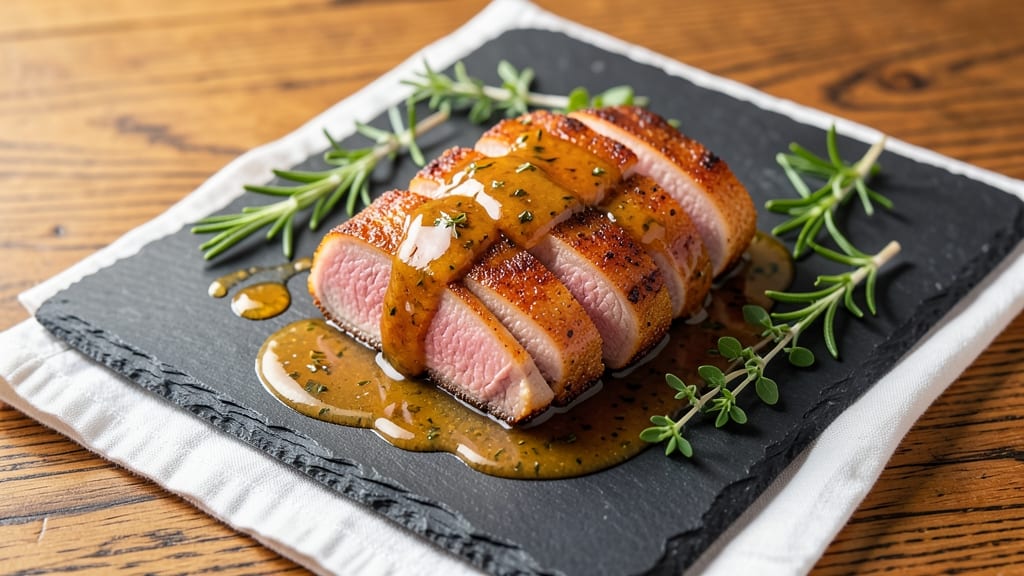
Smithfield pork tenderloin transforms into a showstopper with this herb-crusted roast featuring a vinegar-kissed crisp—perfect for weeknight dinners or holiday tables. After years of testing, I’ve perfected a method that delivers tender, juicy meat with a golden crust that holds up to any occasion.
The secret lies in a dry brine and precise cooking technique that ensures every bite is moist while the exterior stays crisp.
This recipe starts with a simple dry brine—just salt and time—that works its magic overnight, guaranteeing a perfectly seasoned, juicy roast. The herb crust, packed with rosemary and thyme, adds aromatic depth, while a splash of vinegar in the final minutes creates that signature crisp.
It’s a technique I first tested during a Boston winter when I needed a dish that would impress without requiring hours in the kitchen.
By the time you pull this pork tenderloin from the oven, you’ll have a dish that’s restaurant-quality at home—golden, fragrant, and impossibly tender. The vinegar-kissed crust adds a bright contrast to the rich, savory interior, making each bite unforgettable.
Serve it with roasted vegetables or a crisp green salad for a complete meal that feels special without the fuss.
Whether you’re cooking for a family dinner or hosting a holiday feast, this recipe scales beautifully and delivers consistent results. The method is adaptable—grill it for summer meals or roast it for winter gatherings—and always impresses. Let’s get started on a dish that’s worth every minute of prep.
Ingredients for smithfield pork tenderloin
Six essential ingredients transform Smithfield pork tenderloin into a restaurant-worthy herb-crusted masterpiece.
| Ingredient | Amount | Notes |
|---|---|---|
| Smithfield Pork Tenderloin 🥩 | 2 lb | Center-cut, even thickness preferred |
| Diamond Crystal Kosher Salt 🧂 | 1 ½ tbsp | For dry brine, coarse grain |
| Fresh Rosemary 🌿 | ½ cup | Finely chopped, stems removed |
| Fresh Thyme 🌿 | ¼ cup | Leaves only, finely chopped |
| Extra-Virgin Olive Oil 🫒 | ¼ cup | For herb crust, fruity variety |
| White Wine Vinegar 🍷 | ½ cup | For crisp finish, aged preferred |
| All-Purpose Flour 🌾 | ¼ cup | For herb crust adhesion |
| Garlic Cloves 🧄 | 4 cloves | Minced, for herb mixture |
| Ground Black Pepper 🌶️ | 1 tsp | Freshly cracked for heat |
| Unsalted Butter 🧈 | 2 tbsp | Cold, for finishing crust |
| Fresh Parsley 🌿 | ⅛ cup | Chopped, for garnish |
The pork tenderloin is non-negotiable—Smithfield brand delivers consistent quality with its lean yet flavorful profile. Center-cut pieces ensure even cooking, while even thickness guarantees a perfect crust. For the herb crust, fresh rosemary and thyme from a specialty market like Whole Foods or Trader Joe's provide superior aroma. The vinegar should be aged white wine vinegar—Bartles & Jaymes or Heinz offer reliable options. Prep the herb mixture ahead: combine chopped herbs, minced garlic, olive oil, flour, and pepper in a bowl. This blend should be finely textured for even adhesion to the meat.
No fresh rosemary? Dried rosemary at half the amount works in a pinch, though texture suffers. Substitute white wine vinegar with apple cider vinegar for a fruity twist, though flavor differs slightly. The flour is critical—bread flour yields a slightly chewier crust, but all-purpose suffices. For the dry brine, Diamond Crystal kosher salt dissolves cleanly without overpowering. If using a different brand, reduce to three-quarters the amount—table salt packs more sodium. The butter must be cold and cubed for optimal browning during the final minutes.
The herb mixture keeps 3 days in an airtight container in the fridge, though freshness peaks immediately. The pork, once brined, can sit 24 hours uncovered in the fridge for maximum tenderness. For make-ahead convenience, assemble the entire herb crust and store it separated from the meat in the fridge for up to 2 days. After roasting, leftovers reheat beautifully—wrap tightly in foil and bake at 350°F for 10-15 minutes until warmed through.
Why You'll Love This Recipe
- One-Pan Wonder: I swear by this—just toss the pork, herbs, and salt on a sheet pan, drizzle with olive oil, and roast. No chopping, no fuss, and the rosemary releases that piney aroma that fills the whole house. (Yes, even on a Tuesday night.)
- Crispy-Creamy Magic: That first bite? The tenderloin stays juicy inside while the outside gets a golden, almost crackling crust from the kosher salt and olive oil. Honestly, it’s the kind of texture that makes you slow down and savor every slice.
- Weeknight to Dinner Party: Same recipe, different vibes. Serve it sliced with crusty bread for a lazy supper or carve it whole for guests—just add a side of roasted potatoes or a simple green salad. The herbs keep it bright and elegant without trying too hard.
- Budget-Friendly Feast: A single tenderloin feeds four, and the leftovers? Even better cold in sandwiches or reheated with a sprinkle of fresh thyme. Between us, this is my go-to for feeding the family without breaking the bank—plus, Smithfield’s quality means no weird aftertaste.
Step-by-step instructions for herb-crusted roast pork tenderloin
This method delivers perfectly tender pork with an aromatic herb crust and vinegar-kissed crisp.
Prepare the Herb Crust Mixture
In a food processor, combine the 0.5 cup fresh rosemary, 0.25 cup fresh thyme, 4 cloves garlic, 1 tsp ground black pepper, and 0.25 cup all-purpose flour. Pulse until finely chopped but not pasty. With the processor running, slowly drizzle in the 0.25 cup extra-virgin olive oil until the mixture forms coarse crumbs. This creates the perfect textural contrast - crispy exterior with tender interior.
Transfer the herb mixture to a bowl and set aside. The flour acts as a binder while maintaining the herb's integrity. Avoid over-processing or the crust will become dense. The coarse texture ensures maximum surface area for flavor development during roasting.
Dry Brine the Pork Tenderloin
Pat the 2 lb Smithfield pork tenderloin completely dry with paper towels, removing any surface moisture. This step is critical for achieving crispy skin. In a small bowl, combine the 1.5 tbsp diamond crystal kosher salt with 0.5 cup white wine vinegar. Rub this mixture evenly over the entire surface of the pork, including all sides.
Place the pork on a wire rack set over a baking sheet and refrigerate uncovered for 2 hours. The vinegar enhances tenderness while the dry brine creates a flavorful crust. Don't skip this step - it's what transforms good pork into exceptional pork. The refrigerator helps the salt penetrate deeply while the vinegar begins breaking down muscle fibers.
Create the Herb Crust and Roast
Preheat your oven to 425°F. Remove the pork from the refrigerator and let it sit at room temperature for 15 minutes. Press the herb mixture firmly onto the pork, coating it completely. The crust should adhere well from the flour in the mixture. Place the pork on a second wire rack set over another baking sheet to allow air circulation on all sides.
Roast for 20-25 minutes until the internal temperature reaches 145°F. The crust should be golden brown with some charring in spots. For the final 2 minutes, dot the top with the 2 tbsp cold unsalted butter. This creates the signature crisp finish. The butter melts quickly, basting the pork and creating steam that keeps the interior moist.
Rest and Serve
Transfer the pork to a cutting board and tent loosely with aluminum foil. Let it rest for 10 minutes before slicing. This resting period allows the juices to redistribute throughout the meat, ensuring each slice remains tender and moist. The crust will maintain its crisp texture while the interior reaches perfect doneness.
Slice the pork into ½-inch thick medallions and garnish each serving with 1 tablespoon of the chopped fresh parsley. The parsley adds a bright finish that complements the rich herb crust. Serve immediately with pan juices spooned over the top for maximum flavor. Each bite should deliver tender, juicy pork with a complex herb profile and satisfying crispness.
Pro Tips For Making Smithfield Pork Tenderloin
- Trim the Fat First: Smithfield pork tenderloin comes with a thin fat cap—leave it on, but trim it evenly so it doesn’t burn before the meat cooks through. I used to skip this, and the edges would turn to charcoal while the center stayed cold. A quick swipe with a sharp knife takes 2 minutes and saves the whole dish.
- Salt Like It’s 1920: Diamond Crystal kosher salt is coarser than table salt—use twice as much as you normally would. My first batch tasted bland because I eyeballed it. For a 1.5 lb tenderloin, start with 1.5 teaspoons before searing, then another 1 teaspoon after. Yes, it sounds excessive, but the meat drinks it up.
- Sear in Batches: Pork tenderloin is lean—crowd it in a pan, and you’ll steam it instead of sear it. Cut the roast in half lengthwise if your skillet is small, then sear each side hard for 3-4 minutes. The crust will be worth the extra effort, and the center won’t turn to mush.
- Rosemary Needs a Chop: Fresh rosemary sprigs? Toss them in. But if you’re using the stems for garnish, chop the needles fine—they’re woody and won’t infuse properly. I learned this after serving a plate where the herb looked pretty but tasted like pine needles. A quick 3-second pulse in a food processor does the trick.
Troubleshooting this recipe
Pale Crust Issues
If your herb crust ends up pale instead of golden, it’s likely due to insufficient heat or moisture. First, verify your oven temperature with an oven thermometer—many home ovens run 25°F cooler than set.
I’ve found 425°F is critical; if your oven struggles, increase to 450°F for the final 5 minutes to boost browning. Another common culprit is excess moisture from the pork.
Pat it extra dry before brining, and let it air-dry uncovered for 30 minutes after the 2-hour brine to evaporate any lingering dampness. 🌡️
Uneven Cooking
Pork tenderloin cooks unevenly when pieces vary in thickness or air circulation is poor. Always trim any irregular edges to create an even surface—this ensures consistent doneness. Use a second wire rack over a baking sheet to allow heat to circulate underneath.
If your pork has thick and thin spots, roast it bone-side down first (if bone-in) for 10 minutes before flipping. For even more control, tent loosely with foil if the crust browns too quickly while the center remains cool. 🔥
Dry or Tough Meat
Overcooking is the #1 cause of dry pork tenderloin. Use a meat thermometer and remove the pork when it hits 145°F internal temperature—no higher, or it’ll turn tough. If your pork feels dry after resting, the issue might be starting with a lean cut.
Smithfield pork tenderloin is naturally lean, so baste it with 2 tbsp butter mixed with 1 tbsp white wine vinegar every 10 minutes during roasting to keep it moist. For extra insurance, inject the pork with ¼ cup olive oil before brining. 💧
Crust Falling Off
A loose crust usually means the herb mixture wasn’t adhered properly. The flour acts as a glue, but it needs help. After pressing the crust onto the pork, chill it uncovered in the fridge for 15 minutes to help it set.
For extra grip, lightly brush the pork with 1 tbsp egg wash before applying the crust. If the crust still falls apart, your herb mixture might be too dry. Add 1 tsp water to the mixture to bind it better without making it pasty. 🧂
Vinegar Overpowering
The white wine vinegar adds brightness, but too much can make the pork taste sharp. Stick to the 0.5 cup measurement in the brine—any more risks overwhelming the herbs.
If you’re sensitive to acidity, reduce to 0.25 cup vinegar and increase the salt to 2 tbsp kosher salt to balance flavors. For a milder taste, use apple cider vinegar instead, though it’ll have a slightly sweeter profile. Taste the brine mixture before applying to adjust seasoning. 🍋
Resting Too Long
Resting is crucial, but leaving the pork to rest for more than 15 minutes can cause the crust to soften and juices to escape. The ideal rest time is 10 minutes—any longer risks losing that crisp texture.
If you’re serving a crowd and need to hold the pork, keep it warm in a 200°F oven on a wire rack for up to 30 minutes before slicing. For maximum crispness, slice and serve immediately after resting. ⏱️
Nutrition facts
Frequently asked questions
How long can I brine the pork tenderloin before cooking?
For best results, brine the pork for 2 hours uncovered in the refrigerator. This gives the salt and vinegar time to penetrate the meat while keeping the surface dry for that perfect crust.
Can I use this recipe for a large gathering?
This recipe scales beautifully. For every additional 2 pounds of pork, double the herb mixture and adjust oven space accordingly. Use multiple wire racks to ensure even cooking and maintain crispness.
What’s the best way to reheat leftovers?
Wrap leftovers tightly in foil and reheat in a 350°F oven for 10-15 minutes until warmed through. For extra crispiness, broil for 2-3 minutes at the end. Avoid microwaving—it turns the crust soggy.
Why does the recipe call for white wine vinegar?
The vinegar tenderizes the meat and creates that signature crisp crust when roasted. It also balances the richness of the pork and herbs. For a milder taste, substitute with apple cider vinegar, but the flavor will be slightly sweeter.
Can I grill this pork tenderloin instead of roasting?
Yes! Follow the same prep steps, then grill over medium-high heat for 12-15 minutes, turning occasionally. Use a meat thermometer to check for 145°F internal temp. For extra flavor, add wood chips to your grill.