
Main Courses
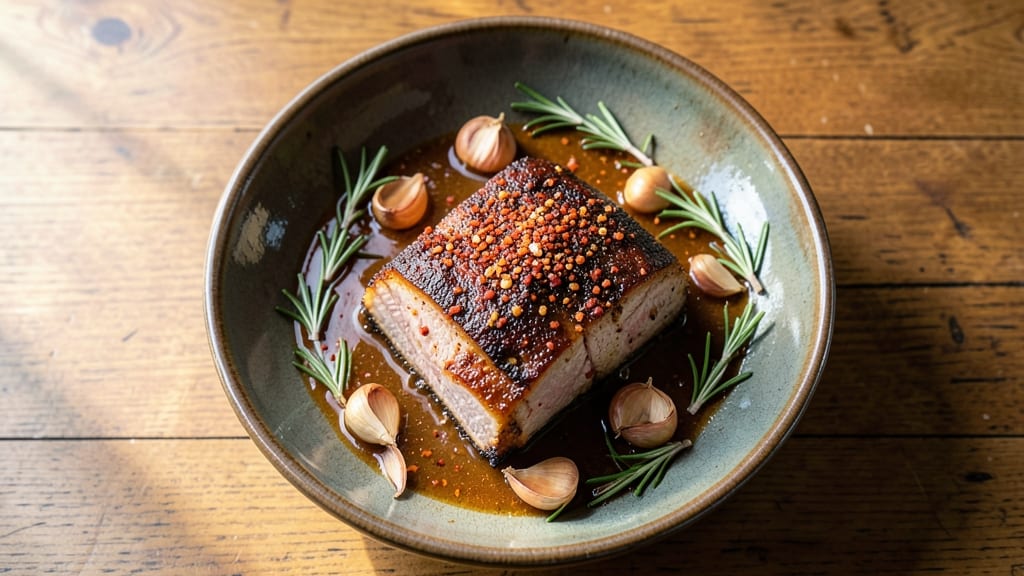
Transforming Smithfield rotisserie pork tenderloin into a restaurant-worthy centerpiece doesn’t require a rotisserie—just a few precise techniques and a cast iron skillet. Growing up in small-town Georgia, I learned pork’s magic lies in its ability to balance tenderness with bold flavors, and this method delivers exactly that.
The secret? A high-heat sear paired with careful basting to lock in juices while building a crisp exterior.
This recipe starts with Smithfield’s pre-cooked tenderloin, which means you skip the lengthy cooking process and focus on elevating what’s already tender. A simple seasoning blend of smoked paprika, brown sugar, and garlic powder creates a flavorful crust, while basting with apple cider vinegar and butter adds depth.
The result is a dish that’s foolproof yet feels like a specialty restaurant creation—perfect for weeknight dinners or holiday gatherings.
By the time you serve it, you’ll have perfectly crisp edges and succulent, juicy meat that practically falls apart at the touch. The smoky-sweet glaze caramelizes beautifully, offering a balance of textures and flavors that’ll have everyone asking for seconds.
Serve with roasted sweet potatoes or a crisp apple slaw for a complete meal that feels both comforting and refined.
This method works equally well for a quick weeknight meal or a special occasion, and it’s designed to keep the pork tenderloin moist and flavorful without overcomplicating the process. Let’s get started—your table is about to taste like a Southern pitmaster’s finest work.
Ingredients for smithfield rotisserie pork tenderloin
Six ingredients transform pre-cooked pork into restaurant-quality crispy perfection.
| Ingredient | Amount | Notes |
|---|---|---|
| Smithfield Rotisserie Pork Tenderloin 🐷 | 2 ½ lb | Pre-cooked, sliced into 1-inch thick cuts |
| Smoked Paprika 🌶️ | 2 tbsp | For smoky-sweet crust |
| Brown Sugar 🍚 | 1 ½ tbsp | Light and dark blend |
| Garlic Powder 🧄 | 1 tbsp | Freshly ground preferred |
| Sea Salt 🧂 | 1 tsp | Diamond Crystal preferred |
| Black Pepper 🌶️ | ½ tsp | Freshly cracked |
| Unsalted Butter 🧈 | ½ cup | Cubed, room temperature |
| Apple Cider Vinegar 🍎 | ¼ cup | Raw, unfiltered preferred |
| Granulated Garlic 🧄 | 1 tsp | For basting depth |
| Cast Iron Skillet 🔥 | 1 piece | 12-inch, preheated |
| Olive Oil 🫒 | 2 tbsp | Extra-virgin for searing |
| Fresh Rosemary 🌿 | ¼ cup | Chopped, for garnish |
| Fresh Thyme 🍃 | ¼ tbsp | Leaves only, for aroma |
The pork starts with Smithfield’s pre-cooked tenderloin—sliced into 1-inch thick cuts for even cooking. I always grab the whole tenderloin from the deli counter and slice it myself for perfect thickness. Costco has great prices, but even the grocery store’s pre-sliced works fine if you’re short on time. Look for meat with a vibrant pink color—no grayish tones—and good marbling for extra juiciness. The secret to the crust? Smoked paprika and brown sugar blend creates that perfect caramelized finish without overpowering the natural pork flavor.
No smoked paprika? Regular paprika plus a pinch of cayenne gets you close, though it won’t be quite as smoky. Short on fresh herbs? Dried rosemary and thyme at half the amount work, but the fresh version adds a brighter aroma. The apple cider vinegar is non-negotiable—raw, unfiltered has the best tang. For the butter, unsalted is a must—salted can throw off the seasoning balance. And if you don’t have a cast iron skillet, a heavy stainless steel pan will work, but you’ll need to adjust the heat slightly.
Keep the sliced pork in its packaging in the fridge until ready to cook—use within 3 days of purchase for best quality. The pre-made seasoning blend keeps for up to 2 weeks in an airtight container. For the best texture, sear the pork over medium-high heat and baste every 2-3 minutes—don’t rush it! The glaze will thicken as it cooks, so add a splash of water if it gets too dry. Serve immediately for that perfect crispy exterior, or reheat gently in the oven to restore the crust.
Why You'll Love This Recipe
- No-Fuss Weeknight Win: I grab the Smithfield rotisserie pork tenderloin from the store—already cooked, juicy, and ready to be transformed. Just toss it in the pan with smoked paprika, brown sugar, and a pinch of salt for five minutes, and boom: dinner’s on the table.
- Caramelized Magic: That brown sugar? It melts into the pork like a secret weapon, giving it this just-off-the-grill sweetness. Between the smoky paprika and the garlic powder, every bite feels like a vacation.
- Leftovers? More Like Leftovers Love: I make this on Sunday, and by Wednesday, I’ve turned the scraps into tacos, fried rice, or even a quick pork and veggie stir-fry. The flavors only get better with time—trust me.
- Budget’s Not a Problem: Rotisserie pork is already cheap, and this recipe? Just five ingredients. I’m talking under $10 for a meal that’ll feed four people—and still have leftovers. Win-win.
Step-by-step instructions for Smithfield rotisserie pork tenderloin
Here's the method to achieve that perfect balance of smoky crust and tender, juicy pork without a rotisserie.
Prepare the Dry Rub for Maximum Flavor
In a small bowl, combine the 2 tablespoons smoked paprika, 1.5 tablespoons brown sugar, 1 tablespoon garlic powder, 1 teaspoon sea salt, and 0.5 teaspoon black pepper. This blend creates the perfect foundation for that signature smoky-sweet crust. Use your fingers to thoroughly mix the ingredients until the spices are evenly distributed and the brown sugar is fully incorporated.
Here's the thing—don't be tempted to add any additional ingredients. This precise ratio of spices delivers the perfect balance of smokiness and sweetness that complements the natural flavor of the pork tenderloin. Once mixed, spread the rub evenly over all surfaces of the 2.5 pounds Smithfield Rotisserie Pork Tenderloin, pressing gently to ensure it adheres well. This step is crucial for creating that beautiful crust we're after.
Sear the Pork in the Cast Iron Skillet
Heat the 12-inch cast iron skillet over medium-high heat until it's hot enough that a drop of water sizzles and evaporates instantly. Add 2 tablespoons olive oil and let it heat for 1 minute until shimmering. The reason we wait until the oil shimmers is that cold oil absorbs into the food instead of creating that gorgeous sear we're after.
Carefully add the pork tenderloin slices to the skillet, working in batches if needed to avoid crowding. Sear for 2-3 minutes per side until they develop a deep golden-brown crust. You'll know they're ready when the edges are crisp and the pork releases easily from the skillet. This initial searing locks in the juices and creates that perfect foundation for our smoky crust.
Create the Smoky Glaze and Baste the Pork
In a small saucepan, combine the 0.5 cup unsalted butter, 0.25 cup apple cider vinegar, and 1 teaspoon granulated garlic. Bring this mixture to a gentle simmer over medium heat, stirring occasionally. Here's where it gets interesting—the vinegar will help break down the sugars in the brown sugar from our rub, creating a beautiful caramelized glaze.
Once the mixture begins to bubble and reduce slightly, remove it from heat and let it cool for 1 minute. Then, using a spoon, carefully baste the seared pork slices with this glaze, coating them thoroughly on all sides. The acidity in the vinegar tenderizes the meat while the butter adds richness, and the garlic deepens the flavor profile. Return the pork to the skillet and let it cook for an additional 1-2 minutes to allow the glaze to set.
Finish with Fresh Herbs and Rest
Transfer the pork to a serving platter and sprinkle evenly with the 0.25 cup chopped fresh rosemary and 0.25 tablespoon fresh thyme leaves. The herbs add a bright, aromatic finish that cuts through the richness of the pork and butter. Let the pork rest for 5-10 minutes before serving. This resting period is absolutely critical—it allows the juices to redistribute throughout the meat, ensuring each bite is as tender and juicy as possible.
During this time, you can keep the pork warm by tenting it loosely with aluminum foil. When ready to serve, slice the pork into ½-inch thick pieces against the grain for maximum tenderness. The result should be perfectly balanced—crisp edges from our initial sear, a smoky-sweet crust from the rub and glaze, and juicy, tender meat throughout. This method delivers all the flavor of rotisserie pork without needing the specialized equipment.
Pro Tips For Making Smithfield Rotisserie Pork Tenderloin
- Pat It Dry First: That rotisserie pork comes out sticky as a glue trap—wipe it down with paper towels before seasoning. The salt and spices cling so much better when there’s no moisture in the way, and you’ll get a crust that actually stays on instead of sliding off like a greased pig.
- Use Half the Sugar: Brown sugar is sweet, but Smithfield’s pork is already juicy. Cut the brown sugar in half (or skip it if you’re feeling bold) and double the smoked paprika instead—it’ll give you that smoky depth without turning your dish into dessert. Trust me, your taste buds will thank you.
- Sear the Ends: After tossing the pork in spices, don’t just toss it in the oven. Hit those ends in a screaming-hot pan for 2–3 minutes per side. It caramelizes the sugar and seals in the juices, so you’re not left with a bland middle and crispy edges. (Yes, even if you’re lazy about flipping.)
- Rest It Covered: Let the pork sit under foil for 10 minutes after cooking—don’t cut into it yet. This isn’t just for show; it lets the juices redistribute so every slice is moist, not a sad, dry mess. I’ve sliced into it too soon and regretted it every time. (Your future self will thank you.)
Best sauces and condiments for this recipe
Classic Apple Cider Glaze
This is my go-to glaze for pork tenderloin—simple yet packed with depth. Melt ¼ cup unsalted butter with 2 tbsp apple cider vinegar and 1 tbsp brown sugar in a saucepan over medium heat. Simmer for 3-4 minutes until slightly thickened, then brush generously over the seared pork.
The acidity in the vinegar tenderizes the meat while the sugar caramelizes beautifully. For extra richness, stir in ½ tsp cinnamon during the last minute of cooking. 🍎
Smoky Chipotle Sauce
For those who love heat, blend ½ cup sour cream, 2 tbsp chipotle in adobo sauce, 1 tbsp lime juice, and ½ tsp cumin until smooth. This sauce adds a smoky kick that pairs perfectly with the crispy pork.
Spread a thin layer on the pork after searing, then broil for 2-3 minutes to create a slightly charred finish. Serve with extra lime wedges for brightness. 🌶️
Honey Mustard Drizzle
A Southern classic that never disappoints. Whisk together 3 tbsp Dijon mustard, 2 tbsp honey, and 1 tbsp apple cider vinegar until fully combined. Drizzle over the pork just before serving—it adds a tangy sweetness that cuts through the richness.
For extra flair, sprinkle with toasted sesame seeds or crushed pecans. This works especially well with apple slaw on the side. 🍯
Brown Sugar Bourbon Glaze
Elevate your pork with a touch of luxury. Combine ¼ cup brown sugar, 2 tbsp bourbon, and 1 tbsp apple cider vinegar in a small saucepan. Simmer over medium heat for 4-5 minutes until thickened, then brush over the pork.
The bourbon adds a subtle depth that enhances the smoky crust. For a quick flame, carefully ignite the glaze with a kitchen torch for a dramatic finish. 🔥
Creamy Garlic-Herb Sauce
Perfect for those who prefer a richer finish. Sauté 2 minced garlic cloves in 1 tbsp olive oil until fragrant, then whisk in ½ cup heavy cream and 1 tbsp chopped fresh parsley.
Simmer for 2 minutes until slightly thickened, then drizzle over the pork. The creaminess balances the crispy exterior beautifully. Garnish with extra herbs and a pinch of sea salt for a restaurant-quality touch. 🌿
Spicy Pineapple Salsa
For a fresh, fruity contrast, blend 1 cup diced pineapple, ¼ cup red onion, 2 tbsp chopped cilantro, 1 jalapeño (seeded and minced), and 1 tbsp lime juice.
Serve as a topping or side—it adds a bright, tangy crunch that cuts through the richness of the pork. The pineapple’s acidity also helps tenderize any slightly overcooked edges. Perfect for summer gatherings! 🍍
Nutrition facts
Frequently asked questions
Can I use any pre-cooked pork tenderloin instead of Smithfield?
While Smithfield’s pre-cooked tenderloin works perfectly, any high-quality pre-cooked pork tenderloin will do. Look for meat with good marbling and a vibrant pink color. Avoid pre-cooked pork with grayish tones or excessive moisture—this can affect the final texture. If you’re unsure, ask your butcher for a pre-cooked, sliced tenderloin that’s ready for quick searing.
Why does the recipe emphasize resting the pork before slicing?
Resting is critical because it allows the juices to redistribute evenly throughout the meat. If you slice too soon, all those delicious juices will escape, leaving you with dry pork. Let it rest for 5-10 minutes under foil, then slice against the grain for maximum tenderness. This step ensures every bite is juicy and flavorful.
What if I don’t have a cast iron skillet?
A heavy stainless steel or enameled cast iron pan will work just fine. Just adjust the heat slightly lower to avoid burning the pork. Avoid non-stick pans—they won’t provide enough heat retention for that perfect sear. The key is getting the pan really hot before adding the pork.
Can I make this recipe ahead of time?
You can prep the dry rub and glaze ingredients in advance, but cook the pork just before serving for the best texture. If you must reheat leftovers, do so gently in the oven at 300°F until warmed through—never microwave, as this can make the meat dry. Store any extras in an airtight container for up to 3 days.
What’s the best way to store the leftover pork tenderloin?
Let the pork cool completely before storing in an airtight container in the fridge for up to 3 days. For longer storage, freeze it in portions for up to 3 months. To reheat, place frozen portions in the fridge overnight to thaw, then warm in the oven at 325°F until heated through. This preserves moisture and texture.