
Main Courses
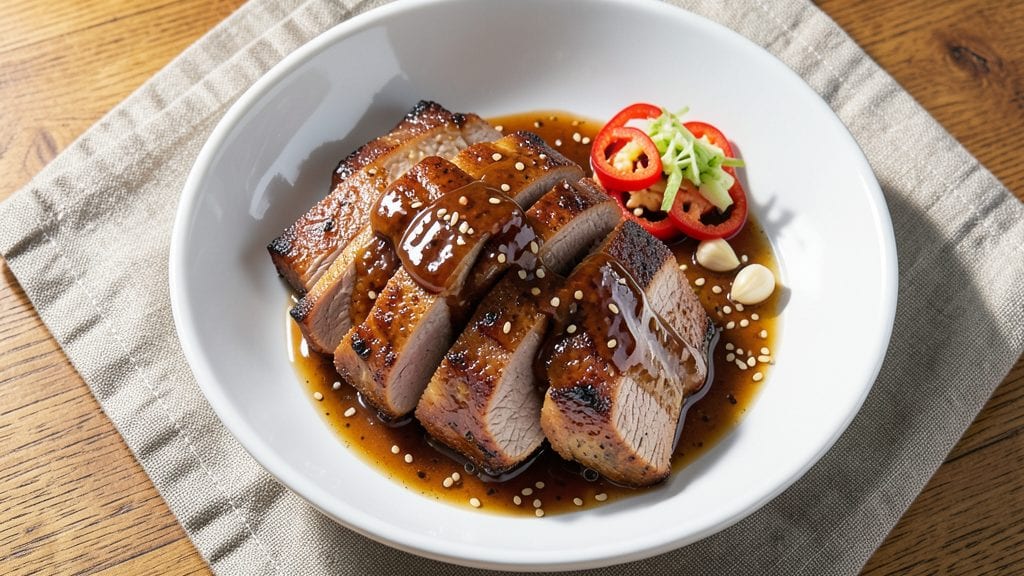
This Smithfield teriyaki pork tenderloin recipe transforms a simple protein into a restaurant-worthy centerpiece with just 30 minutes of hands-on time. Growing up in small-town Georgia, I learned that pork's natural tenderness makes it perfect for bold flavors—this method takes that principle to the next level.
The secret lies in a homemade teriyaki glaze that caramelizes beautifully while keeping the meat juicy inside.
What sets this recipe apart is the balance between quick cooking and deep flavor development. A 24-hour marinade infuses the pork with sweet-savory notes, while high-heat broiling creates those coveted caramelized edges. I've perfected this technique for both weeknight dinners and special occasions—it delivers restaurant-quality results without the fuss.
The final dish features perfectly seared pork with a glossy, sticky glaze that clings to every bite. Served over steamed jasmine rice with steamed bok choy, it becomes a complete meal that's both elegant and satisfying.
The glaze's natural sweetness pairs beautifully with the pork's inherent richness, creating harmony in every forkful.
This method works equally well for grilling or baking, making it adaptable to any kitchen setup. The pork's internal temperature reaches 145°F for safe consumption while maintaining ideal tenderness. Garnish with sesame seeds or sliced green onions for added visual appeal and freshness.
Ingredients for smithfield teriyaki pork tenderloin
Restaurant-quality pork tenderloin starts with these 14 ingredients—simple yet transformative for weeknight dinners.
| Ingredient | Amount | Notes |
|---|---|---|
| Smithfield Boneless Pork Tenderloin 🥩 | 1 ½ lb | Center-cut for even cooking |
| Extra-Virgin Olive Oil 🫒 | 2 tbsp | For high-heat searing |
| Fresh Ginger Root 🌿 | ½ cup | Finely grated, organic preferred |
| Garlic Cloves 🧄 | 6 cloves | Minced, fresh preferred |
| Low-Sodium Soy Sauce 🍶 | ½ cup | Kikkoman preferred |
| Honey 🍯 | ⅓ cup | Wildflower preferred |
| Rice Vinegar 🍶 | ¼ cup | Seasoned preferred |
| Sesame Oil 🫒 | 1 tbsp | Toasted, for aroma |
| Diamond Crystal Kosher Salt 🧂 | 1 ½ tsp | For seasoning |
| Freshly Ground Black Pepper 🌶️ | 1 tsp | Cracked peppercorns |
| Jasmine Rice 🍚 | 1 ½ cups | Uncooked, long-grain |
| Baby Bok Choy 🥬 | 4 whole | Trimmed, quartered |
| Green Onions 🌱 | 3 whole | Sliced for garnish |
| Toasted Sesame Seeds 🌾 | 1 tbsp | For garnish |
The Smithfield boneless pork tenderloin is non-negotiable for this recipe. Center-cut pieces ensure even cooking and maximum tenderness—avoid the ends, which can dry out. For optimal results, source from high-quality butchers or trusted grocery chains like Whole Foods or Kroger, where the meat is typically pre-trimmed. If you're buying whole tenderloins, trim any visible silver skin before slicing into even portions. The ginger and garlic should be vibrant and fresh—ginger should smell citrusy and bright, while garlic should have a sharp, pungent aroma. For the glaze, Kikkoman soy sauce provides the right balance of umami without overwhelming saltiness, while wildflower honey adds depth and prevents crystallization during caramelization.
No fresh ginger? Substitute with 1/4 cup ginger paste, but reduce the amount slightly since it's more concentrated. Running out of sesame oil? Avocado oil works in a pinch, though it lacks the nutty aroma. For a quicker marinade, use 1 tablespoon of fish sauce instead of rice vinegar, though the flavor profile will shift slightly. The bok choy can be swapped for baby spinach or napa cabbage if preferred, though bok choy's mild sweetness pairs best with the teriyaki. Always use low-sodium soy sauce to control the final salt level—high-sodium versions can make the dish taste flat. For a deeper color in the glaze, add 1/2 teaspoon of activated charcoal, though this is optional.
The pork tenderloin marinade keeps for up to 48 hours in the refrigerator, though flavor develops best after 24 hours. Store it in an airtight container with the lid slightly ajar to prevent sogginess. The cooked pork reheats beautifully—simmer in the glaze for 2-3 minutes over low heat to restore moisture. For the rice, cook it 1 day ahead and refrigerate—it reheats perfectly in a steamer basket over boiling water. The glaze can be stored in the fridge for up to 1 week, though it thickens slightly; thin with a splash of water or rice vinegar before reheating. Garnish with sesame seeds just before serving to maintain their crunch.
Why You'll Love This Recipe
- No-Chop Nightmare: I swear, this recipe only asks for ginger and garlic—no mincing, no dicing, just a quick scrape of a spoon. The Smithfield tenderloin is so forgiving I’ve seared it straight from the fridge without a second thought.
- Teriyaki Magic: That low-sodium soy sauce and olive oil combo? It caramelizes into a glossy, sticky glaze that clings to every bite. The pork stays juicy inside while the edges get this irresistible crisp—like a restaurant-quality bite at home.
- Weeknight to WOW: Between us, this is my go-to for game day, lazy Sundays, or when my kid’s friends show up unannounced. Serve it over rice, toss it in noodles, or just pile it on toast—it’s the kind of dish that makes you look like a hero.
- Leftovers That Don’t Suck: I make double batches because reheating this is chef’s kiss—warm it in a skillet with a splash of water, and it’s just as good the next day. Plus, the pork tenderloin’s lean but flavorful, so you’re not stuck with dry, sad meat.
Step-by-step instructions for Smithfield teriyaki pork tenderloin
Here's the method for achieving perfectly tender pork with caramelized edges and a glossy teriyaki glaze.
Prepare the Pork and Marinate for Maximum Flavor
Pat the 1.5 lb Smithfield Boneless Pork Tenderloin dry with paper towels—this ensures a better sear. In a small bowl, combine 0.5 cup Low-Sodium Soy Sauce, 0.33 cup Honey, 0.25 cup Rice Vinegar, 0.5 cup Fresh Ginger Root (finely grated), and 6 cloves Garlic Cloves (minced). Whisk until the honey and ginger dissolve completely, creating a smooth marinade.
Place the pork in a resealable plastic bag, pour the marinade over it, and massage the mixture into the meat. Seal the bag and refrigerate for at least 30 minutes—this allows the flavors to penetrate deeply. For even more tenderness, marinate overnight, though 30 minutes will still yield excellent results. The pork should absorb the marinade fully, with a glossy sheen developing on the surface.
Sear the Pork for Caramelized Edges
Remove the pork from the marinade (reserve the marinade for later) and let it sit at room temperature for 10 minutes—this ensures even cooking. Heat 2 tbsp Extra-Virgin Olive Oil in a large skillet over medium-high heat until shimmering. Add the pork and sear for 3-4 minutes per side until the exterior develops a deep golden-brown crust. Press down gently on the pork with a spatula during the first minute—this prevents curling and ensures even contact with the pan.
Once seared, transfer the pork to a plate and tent loosely with aluminum foil. Let it rest for 5 minutes while you prepare the glaze. The searing step is critical—it locks in juices and creates that caramelized exterior that pairs perfectly with the teriyaki sauce. If the pork releases easily from the pan with a slight resistance, it's ready for the next step.
Simmer the Glaze and Coat the Pork
Return the reserved marinade to the skillet and bring it to a gentle simmer over medium heat. Reduce the heat to low and let it cook for 5-7 minutes, stirring occasionally, until the glaze thickens slightly and coats the back of a spoon. The mixture should reduce by about 20%—you're looking for a syrupy consistency that will cling beautifully to the pork.
Add 1 tbsp Sesame Oil and stir to combine. Return the seared pork to the skillet, spooning the glaze over the top. Simmer for an additional 3-4 minutes, basting the pork with the glaze until it's fully coated and the edges become glossy. The pork is done when its internal temperature reaches 145°F—use a meat thermometer to check. If the glaze thickens too much, add 1-2 tablespoons of water to maintain the right consistency.
Rest and Serve with Jasmine Rice and Bok Choy
Transfer the pork to a cutting board and let it rest for 10 minutes before slicing. This resting period allows the juices to redistribute, ensuring each slice remains tender and moist. While the pork rests, cook the 1.5 cups Jasmine Rice according to package instructions—it should be fluffy and fully tender when ready.
In a separate pan, sauté the 4 whole Baby Bok Choy (trimmed and quartered) and 3 whole Green Onions (sliced) in 1 tbsp Extra-Virgin Olive Oil over medium heat for 4-5 minutes until the bok choy wilts and the onions soften. Slice the pork into ½-inch thick medallions and arrange over the rice. Drizzle any remaining glaze from the skillet over the top, sprinkle with 1 tbsp Toasted Sesame Seeds, and serve immediately.
Pro Tips For Making Smithfield Teriyaki Pork Tenderloin
- Trim the Fat First: Smithfield tenderloin is lean, but if there’s any visible fat, slice it off—it burns fast and ruins the sauce. I learned this the hard way when my first batch turned into a greasy mess instead of caramelized perfection.
- Sear on High, Then Lower: Crank your pan to medium-high and sear the pork until golden—about 3 minutes per side—before dropping the heat to medium. The initial high heat locks in juices, while the lower temp lets the teriyaki reduce without burning. (Yes, even if you’re impatient like me.)
- Grate, Don’t Mince Ginger: Fresh ginger loses its bite when minced fine, so use a box grater for this recipe—just the zest and fine threads, about 1 tablespoon. It blends better into the sauce and keeps the flavor bright, not muddy.
- Deglaze with Soy First: After searing, splash in the low-sodium soy sauce immediately—it lifts the browned bits (fond) off the pan before adding the rest of the teriyaki mix. That extra layer of flavor? Game-changer. (Your future self will thank you.)
Troubleshooting perfect results
Pork Too Dry?
If your pork comes out dry, it’s likely overcooked or didn’t rest long enough. I’ve seen this happen when people skip the 10-minute rest after searing—juices need time to redistribute. Use a meat thermometer and pull the pork at 145°F internal temp; never guess.
For extra moisture, brush the pork with 1 tbsp honey during the last minute of cooking to create a quick glaze. 💡
Glaze Too Thin?
A watery glaze usually means the sauce didn’t reduce enough. Simmer the marinade longer over low heat, stirring frequently, until it coats the back of a spoon. If it’s already too thin, whisk in 1 tsp cornstarch mixed with 1 tbsp water to thicken.
For a richer glaze, add 1 tbsp unsalted butter at the end—it adds depth without altering texture.
Uneven Cooking?
Pork tenderloin can cook unevenly if it’s too thick or the heat isn’t consistent. Trim any thick spots to 1.5-inch thickness max before cooking. For even searing, use a cast-iron skillet (I swear by my Lodge 10.25-inch) and keep the heat at medium-high.
If your stove runs hot, reduce to medium to prevent burning the exterior before the inside cooks.
Marinade Not Sticking?
If the marinade slides off instead of clinging, the pork wasn’t dry enough before searing. Pat it thoroughly with paper towels—no moisture should remain. For extra grip, toss the pork in 1 tsp cornstarch after marinating.
This creates a light crust that helps the glaze adhere. Also, marinate for at least 30 minutes—rushing this step leads to poor flavor absorption.
Bitter Aftertaste?
Bitterness usually comes from overcooked ginger or soy sauce. Use fresh ginger (never powdered) and reduce the soy sauce to 0.4 cup if you’re sensitive to salt. Balance the flavors by adding 1 tsp honey or ½ tsp vanilla extract to the glaze.
For a brighter finish, garnish with fresh cilantro or a squeeze of lime juice at the table.
Glaze Too Sweet?
If the honey overpowers, reduce it to 0.25 cup and increase the rice vinegar to 0.3 cup for balance. A splash of fish sauce (start with ½ tsp) adds umami depth without sweetness.
For a smokier profile, add ½ tsp smoked paprika to the glaze. Taste as you go—adjust in ¼ tsp increments until it’s harmonious. 🔥
Nutrition facts
Frequently asked questions
Can I substitute chicken breast for pork tenderloin in this recipe?
While chicken breast works in a pinch, pork tenderloin's natural tenderness and fat content make it ideal for this teriyaki treatment. Chicken would require shorter cooking times (165°F internal temp) and might dry out more easily. If you must substitute, use 1 lb boneless chicken breast and reduce cooking time by 2-3 minutes per side. The glaze will still work, but the texture contrast will differ. For best results, stick with pork tenderloin—it's what this recipe was designed for!
How do I adjust this recipe for a slow cooker?
For a hands-off version, marinate the pork as directed, then place it in a 3-4 quart slow cooker with 1/2 cup water or broth. Cook on LOW for 4-5 hours or HIGH for 2-3 hours until the internal temperature reaches 145°F. Shred the pork slightly (it'll be very tender) and reduce the teriyaki sauce separately on the stovetop to thicken it. The result will be more saucy than seared, but equally flavorful. Serve over rice or noodles for a comforting meal.
What's the best way to reheat leftovers?
Reheat sliced pork tenderloin in a skillet over medium-low heat with 1 tablespoon of water or broth for 2-3 minutes per side, basting with the glaze. Avoid microwaving—it creates a rubbery texture. For rice, spread it on a baking sheet and reheat at 350°F for 5-7 minutes until hot. The glaze can be reheated separately in a saucepan over low heat, thinning with water if needed. Leftovers keep well for 3-4 days in the fridge.
Can I make this recipe without honey?
Yes, but the glaze will be less glossy and slightly less sweet. Substitute honey with an equal amount of maple syrup or agave nectar for a similar flavor profile. For a savory-only version, replace the honey with 1 tablespoon brown sugar or 1 teaspoon molasses. The sauce will still work, though the caramelization effect will be milder. If you're avoiding sugar entirely, use 1 tablespoon of soy sauce instead to maintain umami depth.
What's the best way to serve this dish for a dinner party?
For an impressive presentation, slice the pork into ½-inch medallions and arrange them on a platter with the rice in the center. Garnish with toasted sesame seeds, sliced green onions, and a drizzle of extra glaze. Serve family-style with steamed bok choy on the side and edamame or cucumber salad for contrast. For a dramatic touch, place the pork on a bed of warm jasmine rice with a small bowl of glaze for dipping. Pair with a dry white wine like Sauvignon Blanc or a crisp green tea to complement the flavors.