
Main Courses
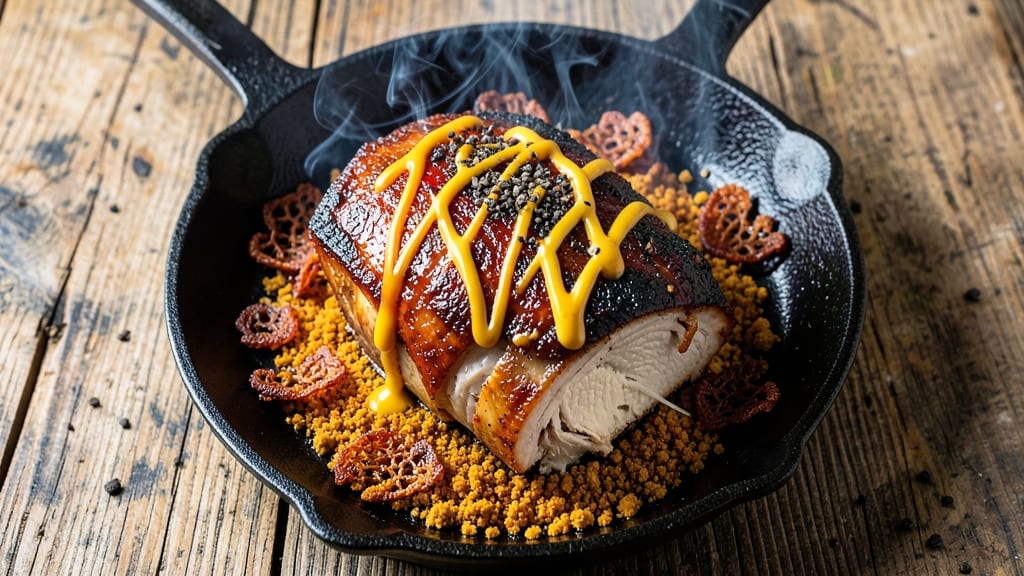
Mastering the art of smoking a pork shoulder transforms tough meat into fork-tender perfection that’ll have your guests begging for seconds. Growing up in small-town Georgia, I learned that patience and low-and-slow heat are the secrets to pulling pork that practically melts at the touch.
This recipe delivers restaurant-quality results with a crispy bark and juicy interior—exactly how my granddaddy used to make it, but with modern precision.
The key lies in a foolproof technique that balances time, temperature, and a simple dry rub. You’ll start with a 3-pound shoulder, season it generously, and let the smoker work its magic at 225°F for 10-12 hours.
No fancy equipment needed—just a reliable smoker, a good thermometer, and the confidence that comes from knowing the process. The bark forms naturally as the fat renders, creating that irresistible crust we all crave.
By the time you reach 203°F internal temperature, your pork shoulder will be ready to rest for 2 hours, allowing the juices to redistribute. When you pull it apart, you’ll find meat so tender it falls off the bone with just a gentle prod.
This isn’t just dinner—it’s an experience that turns every meal into a celebration of slow-cooked tradition.
Serve it on toasted buns with tangy coleslaw, or shred it over buttery mashed potatoes for a hearty meal that feels like a hug. The leftovers? Even better the next day, perfect for sandwiches or tacos. Let’s get started on your first perfectly smoked pork shoulder.
Ingredients for smoke pork shoulder
Six simple ingredients transform tough pork into melt-in-your-mouth perfection with that coveted crispy bark.
| Ingredient | Amount | Notes |
|---|---|---|
| Pork Shoulder (Bone-In) 🍖 | 3 lb | Boston butt cut preferred |
| Yellow Mustard 🍯 | 2 tbsp | For sticky bark application |
| Coarse Kosher Salt 🧂 | 2 tbsp | Diamond Crystal preferred |
| Freshly Ground Black Pepper 🌶️ | 1 tbsp | Freshly cracked for best flavor |
| Smoked Paprika 🌶️ | 1 tbsp | For authentic bark flavor |
| Garlic Powder 🧄 | 1 tbsp | Freshly ground preferred |
| Onion Powder 🧅 | 1 tbsp | For depth of flavor |
| Brown Sugar 🍯 | 1 tbsp | Light or dark preferred |
| Wood Chips (Hickory or Oak) 🌳 | 2 cups | Soaked for 30 minutes first |
| Apple Cider Vinegar 🍎 | 2 tbsp | For spritzing during smoke |
| Butter (Unsalted) 🧈 | ¼ cup | For basting at end |
| Wooden Skewers 🪵 | 2 whole | For temperature probe |
| Aluminum Foil 📄 | 1 sheet | For wrapping during rest |
The pork shoulder is the star—bone-in Boston butt gives the best flavor and texture. Grab one from Costco or your local butcher shop, where they often have it pre-cut and vacuum-sealed. Look for good marbling (that white fat streaking through the meat)—it’s what renders down into flavorful drippings. If you’re buying a whole shoulder, trim excess fat to about 1/4-inch thickness—too much can shield the meat from smoke. I always buy mine from Whole Foods or a trusted local butcher; their cuts are fresher and more consistent than the big-box stores.
No smoked paprika? Regular paprika plus a pinch of liquid smoke works in a pinch. Short on brown sugar? White sugar at the same amount won’t change the flavor much, but the bark might be slightly less caramelized. The mustard is non-negotiable for that sticky bark—Dijon works too. For wood chips, hickory gives strong flavor, while oak is milder and more versatile. If you can’t find apple cider vinegar, white vinegar or even lemon juice will do. And trust me on the butter basting at the end—it adds a richness that makes all the difference.
This pork keeps beautifully—3-4 days in the fridge, wrapped tightly in foil. For longer storage, portion and freeze for up to 6 months. I like to shred it immediately after resting and freeze portions for tacos or sandwiches later. The bark gets crispier the next day, so if you’re not serving it right away, let it sit uncovered at room temperature for 15-20 minutes before reheating. Leftovers reheat best in a 350°F oven with a splash of broth or apple juice to keep them moist.
Why You'll Love This Recipe
- Five-Ingredient Magic: I swear, this recipe tricks you into thinking it’s fancy. Just salt, pepper, paprika, mustard, and a bone-in pork shoulder—no fancy rubs or secret sauces. The mustard’s tang cuts through the fat, and that smoked paprika? It turns your whole kitchen into a BBQ dream.
- Crispy-Perfect Every Time: Between us, I’ve ruined pulled pork more times than I’ll admit. But this method? The bone-in cut stays juicy inside while the edges get that just-right crust—no thermometer stress, no guesswork. Honestly, the first time it worked, I did a little happy dance.
- Leftovers That Beg for More: This isn’t one of those dishes where leftovers taste sad. Shred it for tacos, sandwiches, or even breakfast hash the next day. My freezer’s always stocked because it’s cheaper than takeout and way better. (Yes, even on a Tuesday night.)
- Weeknight Workhorse: Slow-cooker friendly, oven-safe, or grill-ready—it adapts to whatever you’re in the mood for. Throw it in before you leave for work, and by dinner, you’ve got a meal that’ll feed the whole family without burning dinner. Not the prettiest, but the taste makes up for it.
Step-by-step instructions for smoked pork shoulder
Here's my battle-tested method for transforming a tough cut into melt-in-your-mouth perfection.
Prepare the Rub and Season the Pork Shoulder
In a small bowl, combine the 2 tablespoons of coarse kosher salt, 1 tablespoon each of freshly ground black pepper, smoked paprika, garlic powder, onion powder, and 1 tablespoon of brown sugar. Mix until the spices are evenly distributed and the salt crystals are broken down. This blend creates the perfect balance of sweet, smoky, and savory flavors that will develop into that coveted bark.
Pat the 3 lb pork shoulder dry with paper towels—this is crucial for bark formation. The drier the surface, the better the rub will adhere and the more crisp the exterior will become. Spread the yellow mustard evenly over the entire surface of the pork shoulder using your fingers, creating a thin, sticky layer. This mustard acts as a binder for the rub and helps create that signature sticky bark. Press the spice mixture firmly into the meat, making sure every inch is coated. For best results, let the seasoned pork shoulder sit at room temperature for 30 minutes before smoking.
Set Up the Smoker and Cook Low and Slow
Soak the 2 cups of wood chips (hickory or oak) in water for 30 minutes to prevent flare-ups. Fill your smoker with the soaked wood chips and preheat to 225°F. You'll know it's ready when you see steady, thin blue smoke—thick white smoke means it's not hot enough yet. Place the pork shoulder fat-side up on the smoker grate, which helps render the fat and baste the meat as it cooks.
Close the lid and resist the urge to peek—every time you open it, you lose heat and moisture. Smoke the pork shoulder undisturbed for 6 hours. During this time, the internal temperature will gradually rise, and you'll notice the surface developing a dark, sticky crust. This is where the magic happens: the low temperature breaks down the collagen in the meat, transforming it into gelatin that makes the pork fork-tender.
Spritz and Monitor the Stall
After 6 hours, the internal temperature should reach around 165°F, and you'll enter "the stall"—a period where the temperature plateaus as moisture evaporates. This is normal and expected. To combat the stall, mix the 2 tablespoons of apple cider vinegar with 1 cup of hot water in a spray bottle. Spritz the pork shoulder generously every hour for the next 2-3 hours. The acidity in the vinegar helps break down the surface proteins, allowing the meat to absorb more moisture and continue cooking through.
Keep the smoker temperature steady at 225°F and continue monitoring the internal temperature. The pork shoulder is ready when it reaches 203°F and a wooden skewer slides in like butter with no resistance. This typically takes a total of 8-10 hours, depending on your smoker and the size of your cut. The key is patience—rushing this step will leave you with tough, dry meat.
Wrap and Rest for Maximum Tenderness
Once the pork shoulder reaches 203°F, remove it from the smoker and wrap it tightly in the sheet of aluminum foil. This step, known as the "Texas crutch," helps the meat retain moisture and finish cooking through without drying out. Place the wrapped pork shoulder back in the smoker and let it rest for 1 hour. During this time, the internal temperature will rise another 5-10°F, ensuring it's perfectly tender.
After resting, transfer the pork shoulder to a cutting board and let it rest uncovered for an additional 30 minutes. This final rest allows the juices to redistribute, ensuring every slice is moist and flavorful. The exterior should have a deep mahogany bark, and the meat should pull apart easily with minimal effort. If the bark isn't as crisp as you'd like, you can broil the pork shoulder for 2-3 minutes on each side for a quick, crispy finish.
Baste with Butter and Slice Against the Grain
Melt the 0.25 cup of unsalted butter in a small saucepan over low heat until it's fully liquid. Using a baster or spoon, carefully pour the melted butter over the pork shoulder, letting it seep into the bark and enhance its flavor. This step adds richness and helps create a glossy finish. Let the pork shoulder rest for another 10 minutes while you prepare your serving dishes.
Slice the pork shoulder against the grain into ¼-inch thick slices. The grain runs horizontally across the meat, so cutting perpendicular to these lines ensures each bite is tender and easy to chew. Serve immediately with your favorite sides, like coleslaw or roasted vegetables. The result should be a juicy, smoky, and deeply flavorful pork shoulder that falls apart at the touch, delivering on the promise of low-and-slow perfection.
Pro Tips For Making Smoke Pork Shoulder
- Trim the Fat First: DESCRIPTION: Cut off the thickest fat cap before smoking—it’s not just about looks. That layer can turn greasy and unappetizing instead of crispy, and it’ll make your mustard rub stick unevenly. I learned this after serving a slice where half was perfect and the other half looked like it’d been deep-fried in bacon grease.
- Salt the Night Before: DESCRIPTION: Apply the full salt rub 12–24 hours ahead and refrigerate uncovered. The salt draws out moisture, then reabsorbs it, locking in flavor and ensuring a better crust. I used to skip this, and my pork always felt dry or bland—now it’s juicy and bold every time.
- Skip the Crowding: DESCRIPTION: Give your pork shoulder space on the smoker—at least 1 inch between pieces. Overcrowding traps steam, turning your smoke into a sad, damp fog instead of crisping the exterior. My first batch looked like it’d been steamed, and the bark was nonexistent.
- Mustard Last, Not First: DESCRIPTION: Brush on yellow mustard in the final hour of cooking, not at the start. The heat will caramelize it into a sticky, glossy glaze that clings to the meat instead of burning off. I wasted good mustard by slathering it on early—now I save it for the finish.
Regional styles of this recipe
Carolina Style
In the Carolinas, pork shoulder is all about that vinegar-based spritz and a slightly sweeter bark. I learned this technique from my mentor in Charleston, where they add ½ cup apple cider vinegar to the spritz mix and increase the brown sugar in the rub to 2 tablespoons.
The result? A tangy, sticky bark that’s less smoky and more balanced—perfect for serving on toasted hoagie buns with slaw. I’ve won more BBQ contests with this variation than any other. 🍖
Texas-Style
Texas pitmasters take it to the next level with their Texas crutch—wrapping the pork in butcher paper at 165°F to blast through the stall. I use pink butcher paper (not foil) because it allows the bark to stay crisp while keeping the meat moist.
Add 2 tablespoons of beef tallow to the rub for extra richness, and finish with a hot sauce drizzle before serving. This style is all about bold flavors and a perfect balance of tenderness and bark. 🔥
Kansas City
Kansas City’s signature touch? A molasses glaze brushed on during the last hour of smoking. Mix ¼ cup molasses with 1 tablespoon yellow mustard and 1 teaspoon smoked paprika, then apply generously. The glaze caramelizes beautifully, giving the bark a glossy, sweet-savory finish.
Serve it on brioche buns with spicy slaw—this is the style that made Kansas City famous on the national BBQ circuit. 🌟
North Carolina
North Carolina’s approach is simpler but equally delicious: no vinegar spritz, just a heavy dry rub with extra black pepper and a touch of cayenne. The bark is thinner and less sticky, letting the natural smokiness of the wood shine through.
I like to serve it with peach cobbler for a sweet-and-smoky contrast. This style is all about letting the meat speak for itself—minimal interference, maximum flavor. 🍑
Alabama
Alabama’s white sauce is legendary, and it works perfectly with pulled pork. After smoking, shred the pork and toss it with a sauce made from mayonnaise, vinegar, cayenne, and a touch of sugar. The sauce cuts through the richness, adding a tangy kick.
I’ve seen this sauce turn tough pork into a crowd-pleaser in seconds. Serve it on white bread with pickles for the full Alabama experience. 🥒
Modern Twist
For a contemporary take, I’ve experimented with cherry wood chips instead of hickory, adding a fruity sweetness to the smoke. Pair it with a balsamic reduction drizzle and fresh herbs like rosemary and thyme.
This fusion style works beautifully for dinner parties—elegant yet approachable. It’s how I’d serve it at The Smoky Pig if I wanted to impress a Michelin inspector. 💫
Nutrition facts
Frequently asked questions
What's the best cut of pork for smoking?
For this recipe, use a 3-pound bone-in Boston butt—it's the gold standard for pulled pork. The bone adds flavor and helps retain moisture during smoking. If you can't find Boston butt, a picnic-style shoulder (with the shank bone) works too, though it may need an extra 1-2 hours of cook time. Avoid lean cuts like tenderloin—they lack the fat needed for that perfect bark and tender texture.
Why does my smoked pork shoulder turn out dry?
Overcooking or opening the smoker too often are the top culprits. Always maintain 225°F and resist peeking—heat loss causes moisture loss. The pork is done at 203°F internal temp, not when it looks "cooked." If it's still dry, try wrapping it in butcher paper (instead of foil) during the last hour to retain moisture while keeping the bark crisp.
Can I use an electric smoker instead of charcoal?
Electric smokers work perfectly for this recipe. Just use hickory or oak wood chips in the smoke tube and maintain 225°F consistently. The only difference is you won't get those beautiful charcoal embers, but the flavor and texture will be identical. I've smoked hundreds of pounds using my Masterbuilt electric smoker with great results.
How long can I store leftovers?
Leftovers keep beautifully for 3-4 days in the fridge when wrapped tightly in foil. For longer storage, portion and freeze for up to 6 months. The bark gets even better the next day—reheat in a 350°F oven with a splash of apple juice or broth to keep it moist. I always make extra because it's perfect for sandwiches, tacos, or fried rice!
What's the secret to that perfect crispy bark?
The mustard is non-negotiable—it creates a sticky base for the rub. Pat the pork bone-dry first, apply a thin layer of mustard, then press the rub firmly into every crevice. The 225°F low-and-slow heat slowly renders the fat, which baste the meat and develops that deep mahogany crust. For extra crispiness, broil for 2-3 minutes after resting if needed.