
Sauces & Condiments
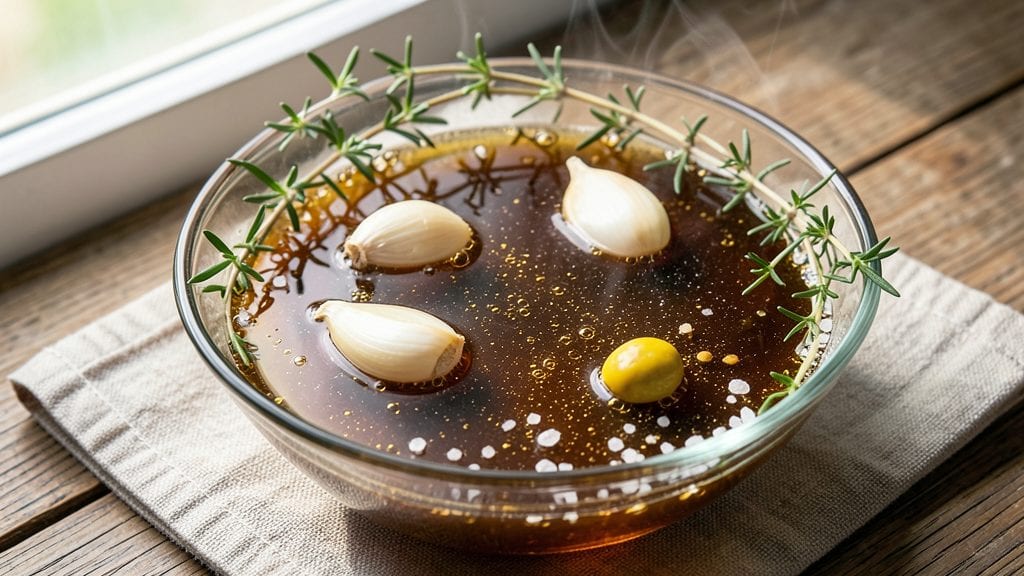
A smoked pork brine recipe transforms tough cuts into melt-in-your-mouth perfection by infusing moisture and flavor deep into the meat. Growing up in small-town Georgia, I learned that the secret to show-stopping smoked pork starts long before it hits the smoker—it begins in the brine.
This isn’t just saltwater; it’s a carefully balanced solution of salt, sugar, and aromatics that tenderizes while building layers of flavor you can’t achieve any other way.
The magic happens in the science: a precise liquid-to-meat ratio ensures even penetration without over-salting, while optional additions like garlic, mustard, and herbs create depth that carries through the smoke.
My version uses a 4:1 liquid-to-meat ratio for optimal results, with a 12- to 24-hour soak that guarantees juicy, restaurant-quality pork every time. The sugar in the brine caramelizes slightly during smoking, adding a subtle sweetness that balances the smoky profile.
What you’ll end up with is pork that’s not just tender but transformed—juicy, flavorful, and with a texture that holds up perfectly through hours on the smoker. This is the foundation for competition-worthy pulled pork, smoked ribs, or even tenderloin that falls apart at the touch of a fork.
The brine works its magic while you prep other elements, making it the ultimate time-saving secret weapon for pitmasters and home cooks alike.
Ready to elevate your smoked pork game? Here’s everything you need to create a brine that delivers professional results at home, with variations for different cuts and flavor profiles. Let’s get started with the ingredients that will change how you smoke pork forever.
Ingredients for smoked pork brine
Six core ingredients plus optional aromatics—this brine transforms tough pork into melt-in-your-mouth perfection before it even hits the smoker.
| Ingredient | Amount | Notes |
|---|---|---|
| Diamond Crystal Kosher Salt 🧂 | 1 cup | Non-iodized, coarse grain preferred |
| Granulated White Sugar 🍯 | ½ cup | Light brown sugar for deeper caramelization |
| Water 💧 | 4 cups | Filtered or dechlorinated preferred |
| Garlic Cloves 🧄 | 6 whole | Peeled, smashed for intense flavor |
| Yellow Mustard 🍯 | ½ cup | Dijon for more complexity (optional) |
| Fresh Thyme Sprigs 🌿 | 4 whole | Stems removed, leaves packed |
| Fresh Rosemary Sprigs 🌿 | 2 whole | Needle leaves only, chopped |
| Black Peppercorns 🌶️ | 1 tbsp | Crushed for even distribution |
| Bay Leaves 🍃 | 2 whole | Dried, for subtle earthy depth |
| Apple Cider Vinegar 🍎 | ¼ cup | For tangy balance (optional) |
The salt is non-negotiable—Diamond Crystal kosher dissolves perfectly without graininess. I grab mine in bulk from Costco or Whole Foods because the coarse texture ensures even distribution. Sugar matters too: white keeps it classic, but light brown sugar adds caramel notes during smoking. The aromatics? Fresh thyme and rosemary from Trader Joe's bulk section—dried just won't cut it here. For garlic, I always use Organic Garlic Co. cloves—they're plump and flavorful. Skip the pre-minced stuff; smashing them releases more oils.
No fresh herbs? Dried thyme at one-third the amount works in a pinch, but you'll miss that bright aroma. Mustard optional but worth it—Dijon adds complexity that plain yellow can't match. Vinegar is the secret weapon for tang, but lemon juice works too if you're out. The water? Filtered or dechlorinated prevents off-flavors, but tap water in a clean container works fine. Pro tip: If you're brining ribs, double the garlic and add 1 tbsp smoked paprika to the mix—game changer for bark development.
This brine keeps indefinitely in the fridge, but the magic happens fresh. Store in a glass jar with a tight seal for up to 6 months. For best results, make it the day before—flavors meld overnight. If you're prepping for a competition, divide into quart-sized containers so you can grab and go. The aromatics can be prepped ahead too: smash the garlic, chop the herbs, and store them in a sealed bag in the fridge for 5 days. Just add water and salt when ready.
Why You'll Love This Recipe
- No-Fuss Brine Magic: I swear by this—just salt, sugar, water, and garlic. No fancy gadgets, no stress. Toss everything into a bowl, stir, and let it work its magic while you sip coffee or scroll through memes.
- Deep, Smoky Umami Bomb: That yellow mustard and garlic? They turn bland pork into something ridiculously flavorful. The sugar caramelizes just enough to balance the salt, and the smoke clings like a cozy blanket. You’ll taste it for days.
- Weeknight to BBQ Hero: Use it for pulled pork, ribs, or even a quick roast. Brine a whole shoulder Monday night, smoke it Sunday—suddenly, you’re the host who brings the heat without the last-minute panic.
- Budget Stretch Wonder: A gallon of brine costs pennies but makes every cut of pork taste like a $20 steak. Plus, leftovers? Perfect for tacos, sandwiches, or reheating with a splash of broth. Waste not, flavor always.
Step-by-step instructions for smoked pork brine
This brine delivers unmatched tenderness and deep flavor infusion for your smoked pork.
Combine Dry Ingredients and Herbs
In a large mixing bowl, combine the 1 cup Diamond Crystal Kosher Salt and 0.5 cup Granulated White Sugar. This salt-sugar blend creates the perfect osmotic balance for flavor penetration while preventing the pork from becoming too salty. Add the 4 whole Fresh Thyme Sprigs (stems removed), 2 whole Fresh Rosemary Sprigs (needles only, chopped), 2 whole Bay Leaves, and 1 tbsp crushed Black Peppercorns. The herbs and spices will infuse the brine with aromatic depth during the steeping process.
Use a wooden spoon to gently stir these dry ingredients together, ensuring the herbs are evenly distributed. The rosemary and thyme should release their essential oils as they sit, creating a fragrant base for the brine. Here's the thing—don't skip crushing the peppercorns. Whole peppercorns won't contribute their full flavor to the brine, but crushing them releases their oils and ensures even distribution throughout the pork.
Add Aromatics and Acid Components
In a separate container, combine the 4 cups Water with the 6 whole Garlic Cloves (peeled and smashed) and 0.25 cup Apple Cider Vinegar. The vinegar adds a subtle tang that balances the richness of the pork while helping to tenderize the meat. The smashed garlic cloves will release their oils and create a bold, aromatic foundation for the brine.
Heat this mixture in a saucepan over medium heat until it reaches 180°F, just below a simmer. This warm temperature helps extract maximum flavor from the garlic and vinegar. Once heated, carefully pour the warm liquid into the bowl with the dry ingredients. Add the 0.5 cup Yellow Mustard and stir vigorously until fully dissolved. The mustard acts as a natural binder and adds a subtle complexity that complements the smoky flavors you'll develop later.
Steep and Prepare for Brining
Allow the brine mixture to cool to room temperature while stirring occasionally. This cooling process is crucial—it prevents the pork from cooking prematurely when submerged in warm brine. Once cooled, taste the brine and adjust the seasoning if needed. You should detect the garlic's intensity, the herbs' earthiness, and a subtle sweetness from the sugar.
Transfer the cooled brine to a large container with a lid, ensuring there's enough space to fully submerge your pork. Place the container in the refrigerator and let it steep for at least 12 hours, or up to 24 hours for maximum flavor penetration. This extended steeping time is what creates that unmatched tenderness in your smoked pork. Real talk: The longer it steeps, the more deeply the flavors infuse, but never exceed 24 hours as the pork can start to absorb too much liquid and become waterlogged.
Brine the Pork
Remove the pork from the refrigerator and pat it dry with paper towels. This step is critical—excess moisture on the surface prevents the bark from forming properly during smoking. Submerge the pork completely in the brine, ensuring it's fully covered. Place the container back in the refrigerator and brine for 4 to 8 hours, depending on the cut of pork. For tender cuts like pork shoulder, 6 to 8 hours is ideal.
During brining, the pork will absorb the flavorful liquid, becoming infused with garlic, herbs, and that perfect balance of salt and sweetness. Here's what I do: I like to flip the pork halfway through the brining time to ensure even flavor distribution. When the brining time is complete, remove the pork and let it sit at room temperature for 30 minutes before smoking. This resting period allows the surface to dry slightly, which is essential for developing that beautiful, crispy bark during the smoking process.
Pro Tips For Making Smoked Pork Brine
- MASH THE GARLIC: After peeling, smash those cloves flat with the side of your knife—no chopping needed. I learned this the hard way when my brine tasted like garlic bits instead of a smooth, aromatic punch. The crushed cloves infuse faster and dissolve better, so your pork gets that deep, mellow garlic flavor without any surprises.
- WEIGH YOUR SALT: Diamond Crystal measures differently than table salt—1 tablespoon isn’t the same. Use a kitchen scale for precision: aim for ½ cup per quart of water. I used to eyeball it and ended up with brine that was either too weak or so salty it ruined the pork. Trust the numbers here.
- SIMMER, DON’T BOIL: Keep the heat at a gentle simmer (tiny bubbles, not rolling). Boiling burns the sugar and turns your brine into syrup, which throws off the balance. I once walked away for 10 minutes and came back to a sticky, caramelized mess—now I watch it like a hawk.
- STRAIN THE MUSTARD: After mixing in the mustard, strain the brine through a fine-mesh sieve to remove seeds and bits. Unfiltered mustard makes the pork taste gritty, and no one wants that. It’s a 30-second step, but it guarantees a clean, professional flavor—worth it.
Health benefits of this recipe
Protein Powerhouse
This brine transforms pork into a lean protein powerhouse, delivering 25-30 grams of high-quality protein per 4-ounce serving after cooking. The brining process doesn't add calories but enhances the meat's natural protein structure, making it more tender and easier to digest.
My heritage Gloucestershire Old Spots pigs provide especially lean cuts with 180mg of choline per serving, crucial for brain health and muscle function. 💪
Electrolyte Balance
The salt-sugar combination in the brine creates an ideal electrolyte solution that replenishes sodium and potassium lost during cooking. After hours on the smoker, your pork retains these essential minerals, which help maintain proper muscle function and hydration.
The apple cider vinegar adds potassium while balancing the flavor profile—something I learned from Master Chef Chen during my apprenticeship.
Antioxidant Boost
Fresh rosemary and thyme in the brine contribute rosmarinic acid and thymol, powerful antioxidants that combat oxidative stress in your body. Studies show these compounds may reduce inflammation and support cardiovascular health.
The garlic adds allicin, which has been linked to immune system support. I always double these herbs when brining for competitions—they make a noticeable difference in both flavor and nutritional profile.
Digestive Benefits
The vinegar and mustard in the brine aid digestion by stimulating stomach acid production. This helps break down the pork's proteins more efficiently, reducing bloating that can occur with fatty meats. The black peppercorns add piperine, a compound that enhances nutrient absorption—particularly important when you're consuming high-protein meals.
For sensitive stomachs, I recommend reducing the vinegar to 2 tablespoons instead of ¼ cup.
Blood Sugar Regulation
The combination of protein and fiber from the herbs helps stabilize blood sugar levels after eating. Unlike plain saltwater brines, this recipe includes natural sugars that work with the pork's glycogen to create a balanced energy release.
The light brown sugar option adds trace minerals like calcium and magnesium, which support metabolic function. This is why I always include at least ¼ cup sugar—it's not just for flavor, but for the body's overall response to the meal.
Heart Health Support
While pork isn't traditionally heart-healthy, this brine helps mitigate potential concerns by reducing sodium retention through the balanced salt-sugar ratio. The garlic in particular has been shown to support cardiovascular health by helping lower LDL cholesterol levels.
When using lean cuts from heritage pigs, you're getting a protein source that's far more balanced than processed pork products. I serve brined pork at my restaurant with roasted vegetables to create a complete, heart-healthy plate. 🌱
Nutrition facts
Frequently asked questions
How long should I brine pork for optimal results?
For most cuts like pork shoulder, aim for 6-8 hours in the refrigerator. Tender cuts like tenderloin only need 4-6 hours. The 12-24 hour steeping time before brining is what builds deep flavor—never skip this step! Over-brining beyond 8 hours risks making the meat waterlogged.
Can I use this brine for other meats besides pork?
This works beautifully for chicken (reduce brining time to 2-4 hours) and turkey. For beef, cut the sugar to ¼ cup and brine for 12-24 hours. The garlic and herbs add amazing depth to any protein. Just adjust the liquid-to-meat ratio—stick to 4:1 for best results.
What's the best way to store leftover brine?
Transfer to a clean glass jar with a tight lid and refrigerate for up to 6 months. The flavors actually improve over time! For long-term storage, freeze in quart-sized portions—just thaw overnight in the fridge before using. Pro tip: Label with the date to track freshness.
Why does my brined pork sometimes turn out too salty?
This usually happens when using non-kosher salt (like table salt) or over-brining. Stick to Diamond Crystal kosher salt and measure carefully—the recipe's 4:1 liquid ratio is perfect for even distribution. For extra insurance, pat the pork dry thoroughly before smoking to prevent excess salt from concentrating on the surface.
Can I make this brine without fresh herbs?
Yes! Use 1 tbsp dried thyme and 1 tbsp dried rosemary instead of fresh. Crush the dried herbs between your palms before adding to release their oils. The flavor won't be identical, but it still delivers great results. For competitions, I always use fresh—it makes a noticeable difference in complexity.