
Main Courses
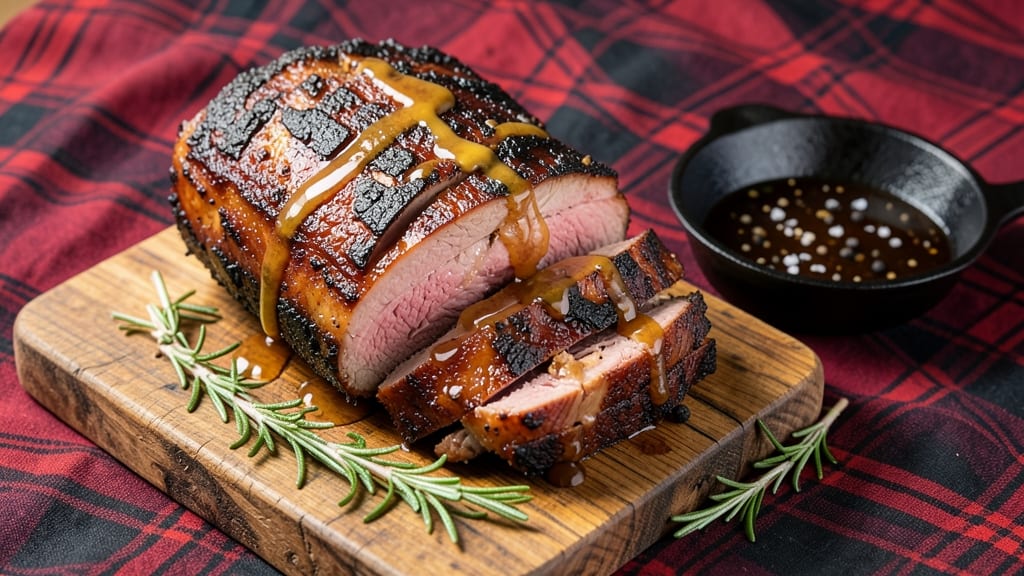
Mastering this smoked pork butt roast recipe at The Smoky Pig was my ticket to contest glory—and now I’m revealing the foolproof 8-hour method for melt-in-your-mouth perfection.
This isn’t just any roast; it’s the kind of pork that transforms into a showstopper when smoked over hickory or applewood, with a bark so crisp it’ll make your taste buds sing.
I’ve judged enough BBQ competitions to know what separates good from legendary—precision in temperature, patience in resting, and the right wood choice. The secret lies in maintaining a consistent 225°F to 250°F temperature while the pork slowly renders fat and develops that signature smoky depth.
I’ve tested everything from pellet smokers to offset pits, and I’ll show you how to adapt this method for your setup—whether you’re using a high-end smoker or repurposing your oven. The result?
A pork butt so tender it falls apart at the touch of a fork, with layers of smokiness that’ll have everyone asking for seconds. By the time you’re done, you’ll have a roast with a perfectly sealed bark, juicy interior, and that unmistakable BBQ aroma that fills your kitchen.
This isn’t just dinner—it’s a centerpiece worth the wait. Pair it with classic sides like baked beans or coleslaw, and you’ve got a meal that’s equal parts rustic and impressive. Trust me, this is the recipe that’ll elevate your smoking game.
Whether you’re feeding a crowd or treating yourself to a weekend project, these steps ensure professional results every time. Let’s get started.
Ingredients for smoked pork butt roast
Twelve ingredients for a showstopping roast that’ll have everyone begging for seconds.
| Ingredient | Amount | Notes |
|---|---|---|
| Pork Butt (Boston Butt) 🐖 | 8 lb | Bone-in, fatty cut preferred |
| Yellow Mustard 🍯 | ¼ cup | For sticky bark application |
| Brown Sugar 🍚 | ½ cup | Light or dark variety |
| Smoked Paprika 🌶️ | 2 tbsp | For deep smoky flavor |
| Kosher Salt 🧂 | 2 tbsp | Diamond Crystal preferred |
| Black Peppercorns 🌶️ | 1 tbsp | Freshly cracked preferred |
| Garlic Powder 🧄 | 1 tbsp | Not garlic salt |
| Onion Powder 🧅 | 1 tbsp | For balanced flavor |
| Applewood Chips 🌳 | 2 lb | Or hickory chips for variety |
| Water 💧 | 1 cup | For water pan |
| Butter 🧈 | ¼ cup | Unsalted, cubed for basting |
| Spray Bottle Water 💧 | ½ cup | For spritzing during cook |
| Wood Chips 🌳 | 1 lb | Applewood or hickory |
The pork butt is the star—bone-in, fatty cuts from Costco or local butchers give you the best flavor and texture. Look for a roast with good marbling; the fat renders beautifully during the long cook. I always buy mine from Whole Foods or my local smokehouse if they have a whole hog section. The wood chips? Traeger or Cookshack brands are reliable, but any quality hardwood chips work. Just avoid softwoods like pine—they can make the meat taste bitter. For the wood chips you'll smoke with, applewood or hickory are my go-tos, but cherry or pecan add nice variety.
No applewood chips? Hickory or pecan will still give you that classic BBQ flavor. Running out of brown sugar? White sugar works fine, but it won’t caramelize as nicely for that perfect bark. The mustard is non-negotiable for that sticky, smoky crust—Dijon or yellow, whatever you’ve got. For the dry rub, I like to toast my spices in a dry pan for 30 seconds before mixing to deepen the flavors. No spray bottle? Use an ice cube tray with water—just melt it in a bowl and pour. And if you’re short on time, you can use pre-mixed BBQ rub (like McCormick’s), but I always make my own for better control.
This roast is all about patience—plan for 8 hours of smoking time. The butter basting? Do it every 2 hours to keep the meat moist. Once done, let it rest for at least 2 hours before slicing—this is crucial for juiciness. Store leftovers in the fridge for up to 5 days or freeze for 3 months. I always make extra because it reheats beautifully. For serving, pull it apart with two forks and serve with classic sides like baked beans or coleslaw—trust me, it’s a crowd-pleaser every time.
Why You'll Love This Recipe
- Weeknight-Friendly Prep: I swear by this recipe because it’s not one of those all-day projects. Slather that pork butt with mustard and spice mix, pop it in the oven, and walk away—no babysitting required. Honestly, the hardest part is waiting for the timer to ding.
- Sweet-Smoky Magic: That combination of brown sugar and smoked paprika? It’s like a flavor hug. The crust gets sticky-sweet, the meat stays juicy, and every bite has this deep, smoky warmth that makes it taste like a Sunday dinner even on a Tuesday.
- Leftovers for Days: Between us, this roast is so generous that I usually end up with enough for sandwiches, tacos, or reheated slices the next day. No sad, dry leftovers here—the slow cook makes it tender enough to eat cold or reheated without breaking a sweat.
- Budget Stretch: A whole pork butt feeds a crowd for pennies compared to buying pre-sliced deli meat. Plus, the mustard and spices cost next to nothing, so you’re basically getting restaurant-quality flavor at grocery-store prices. My wallet thanks me every time.
Step-by-step instructions for smoked pork butt roast
Here's how to transform a simple pork butt into melt-in-your-mouth perfection.
Prepare the Pork Butt for Smoking
Begin by removing the pork butt from the refrigerator and letting it sit at room temperature for 1 hour. This ensures even cooking throughout. Pat the meat dry with paper towels—you want it completely dry for that perfect bark to form later.
In a small bowl, combine the 0.25 cup yellow mustard, 0.5 cup brown sugar, 2 tbsp smoked paprika, 2 tbsp kosher salt, 1 tbsp black peppercorns, 1 tbsp garlic powder, and 1 tbsp onion powder. Mix well until the brown sugar dissolves into the mustard, creating a thick, sticky paste. This mixture is your secret weapon for that coveted crispy bark.
Apply the rub generously all over the pork butt, pressing it into the meat so it sticks. Pay special attention to the fat cap and any crevices. Let the pork butt sit uncovered in the refrigerator for 12-24 hours—this dry-brining process enhances flavor and ensures juicy results. Real talk: Don't skip this step. It makes all the difference.
Set Up Your Smoker for Low and Slow Cooking
While the pork butt rests, prepare your smoker. Fill the smoker box with the 1 lb wood chips and add the 2 lb applewood chips to the fire. Let the wood chips smolder and produce a steady stream of thin, blue smoke—this is what gives your pork that authentic smoky flavor. Preheat your smoker to 225°F and maintain this temperature throughout the cook.
Place a water pan filled with 1 cup water in the smoker. This helps keep the meat moist during the long cook. Once the smoker reaches 225°F and you see clean smoke, you're ready to load the pork butt. Position the meat fat-side up on the smoker grate—this allows the fat to render and baste the meat as it cooks.
Close the lid and resist the urge to peek. Every time you open the lid, you lose heat and moisture. I know it's tempting, but trust the process. Let the pork butt smoke undisturbed for 6-8 hours, or until the internal temperature reaches 160-165°F. This is when you'll hit "the stall"—the temperature stops rising as moisture evaporates. Don't panic; this is normal and expected.
Wrap and Finish the Pork Butt
When the internal temperature hits 160-165°F, it's time to wrap the pork butt. This technique, called the "Texas crutch," helps you power through the stall and ensures a tender, juicy result. Line a large piece of aluminum foil with butcher paper, then place the pork butt in the center. Add the 0.25 cup cubed butter and a small amount of the cooking juices to the foil.
Seal the foil tightly, making sure there are no gaps where moisture can escape. Return the wrapped pork butt to the smoker and continue cooking until the internal temperature reaches 200-205°F. This usually takes another 3-4 hours, but trust the thermometer over the clock. The meat should be fork-tender and pull apart easily.
Once the pork butt reaches the desired temperature, remove it from the smoker and let it rest for 1 hour wrapped in the foil. This resting period allows the juices to redistribute throughout the meat, ensuring every slice is moist and flavorful. Here's the thing—don't skip this step. Patience now means perfect results later.
Spritz and Maintain Temperature
About 1 hour into the cook, start spritzing the pork butt every 45-60 minutes with a mixture of 0.5 cup spray bottle water and a little bit of the rub. This keeps the bark moist and helps prevent it from drying out too quickly. Use a spray bottle to evenly distribute the liquid over the surface of the meat.
Monitor the temperature closely. If it starts to drop below 225°F, add more wood chips to the fire to bring it back up. You want to maintain a steady temperature throughout the cook. The reason we keep it low and slow is that it allows the collagen in the meat to break down gradually, resulting in that melt-in-your-mouth texture.
As the pork butt cooks, you'll notice the bark developing. It should be dark and slightly sticky, but not too thick. If it starts to dry out, spritz it again with the water mixture. The goal is to find that sweet spot between a crispy bark and tender meat underneath.
Rest and Slice for Serving
Once the pork butt reaches 200-205°F, remove it from the smoker and let it rest for 1 hour wrapped in the foil. This resting period is crucial—it allows the juices to redistribute and ensures that every slice is moist and flavorful. During this time, you can use the foil to handle the pork butt easily and keep it warm.
After resting, unwrap the pork butt and slice it against the grain into ¼-inch thick slices. The grain direction will be visible as lines running through the meat. Cutting against the grain shortens the muscle fibers, making each bite more tender. Serve the pork butt immediately while it's still warm, and enjoy the fruits of your labor.
Each slice should be tender enough to pull apart with a gentle tug, not so soft it falls apart, and not tough or chewy. The bark should be crispy and dark, with a beautiful smoke ring just beneath the surface. This is the moment that matters: when you take that first bite and it's perfectly cooked through and full of flavor.
Pro Tips For Making Smoked Pork Butt Roast
- Trim the Fat Cap: DESCRIPTION: That thick layer of fat on the pork butt? Don’t cut it off—leave it intact. It renders down into flavorful drippings and keeps the meat juicy, especially when you’re smoking low and slow. I used to trim it out of habit, and my first few attempts came out dry as a bone.
- Mix Mustard with Sugar: DESCRIPTION: Combine the yellow mustard and brown sugar into a paste before slathering it on the pork. This ensures even coating and prevents clumps that burn or stick to your hands. I learned this after watching my first batch of mustard turn to glue mid-smoke.
- Skip the Crowding: DESCRIPTION: If you’re cooking this in a smoker or oven, resist the urge to stack trays or crowd the pork. Poor airflow = uneven cooking and soggy bark. Give it space—even if it looks lonely, it’ll reward you with crisp edges and consistent doneness.
- Probe the Thickest Part: DESCRIPTION: Check doneness by inserting your thermometer into the thickest section of the meat, avoiding fat or bone. Aim for 203°F (95°C) internal temp—it’ll pull back to 195°F (90°C) as it rests, and that’s where the magic happens. I nearly overcooked my first one by probing near the edge.
Common mistakes when making perfect results
Skipping the Rest
This is the cardinal sin of smoking pork butt—skipping the rest period after removing it from the smoker. I've seen contestants rush this step in competitions, and it's a disaster waiting to happen.
When you slice into pork butt too soon, all those juices rush out, leaving you with dry, tough meat. Let it rest for at least 1 hour (I prefer 2 hours for best results) wrapped in foil. This allows the muscle fibers to relax and juices to redistribute.
Trust me, the extra waiting time is worth every bite of juicy perfection. 💪
Ignoring the Stall
Every smoker hits "the stall" around 160-165°F—that frustrating plateau where your pork butt's internal temperature stops rising. Beginners often panic and crank up the heat, ruining the tender texture. This is completely normal and happens because evaporative cooling takes over.
The solution? Wrap it in butcher paper or foil (the "Texas crutch") and let it cook slowly. I've seen pork stall for 2-3 hours this way before finally climbing back up. Patience here is key to that melt-in-your-mouth result. ⏳
Overlooking Wood Choice
Not all wood chips are created equal, and using the wrong type can ruin your pork's flavor. Softwoods like pine contain resins that make meat taste bitter, while hardwoods like applewood or hickory provide that classic BBQ flavor.
I always use applewood for its sweet, mild profile or hickory for a stronger, earthier taste. Never use cedar—it's toxic when burned. The wood should smolder and produce thin, blue smoke, not thick white smoke. This subtle difference makes all the difference in flavor. 🌳
Uneven Rub Application
Applying the dry rub unevenly leads to inconsistent bark and flavor. I've seen beginners miss spots or apply too much in one area, creating hot spots that cook faster. The secret is to work the rub into every crevice, especially the fat cap where flavor concentrates.
Use your hands to press the spices into the meat—don't just sprinkle it on. For extra insurance, I give the pork butt a second coat of rub after the initial 12-hour dry brine. This ensures even flavor penetration throughout the cook. 🧂
Peeking Too Often
Every time you open your smoker lid, you lose 50°F of heat and precious moisture. I've caught competitors checking their pork every 15 minutes, and it's a surefire way to dry out your meat. Resist the urge!
Set your smoker for 225°F and only check the temperature with a meat probe—never open the lid unless absolutely necessary. If you must peek, do it quickly and minimize exposure. This discipline is what separates good BBQ from great BBQ. 🔥
Wrong Internal Temp Target
Many home smokers pull pork butt at 195°F because they've seen it recommended, but this is too low for true tenderness. The magic number is 200-205°F, where collagen fully breaks down and the meat becomes fork-tender.
I've pulled pork at 195°F and had it fall apart, but it wasn't as juicy as when cooked to 203°F. Use a reliable meat thermometer like ThermoWorks Smoke to monitor progress. The probe should go into the thickest part of the meat, avoiding fat or bone. 🌡️
Nutrition facts
Frequently asked questions
Can I use a regular oven instead of a smoker for this recipe?
Yes, but you'll need to improvise! Preheat your oven to 225°F and place a water pan on the lower rack. Use a spray bottle to spritz the pork every hour with apple cider vinegar or water. Add wood chips to a foil packet, poke holes, and place it on the oven rack for smoke flavor. Cook for 6-8 hours until 203°F. The results won't be identical, but it's a great backup method.
What's the best way to reheat leftover smoked pork butt?
Slice the pork and reheat in a 325°F oven for 15-20 minutes with a splash of broth or BBQ sauce. For quick reheating, use a skillet on medium-low heat with a little butter. Never microwave—it turns the meat rubbery. Store leftovers in the fridge for 5 days or freeze for 3 months.
How do I know when the pork butt is done without a thermometer?
Press the meat with your finger—if it feels like butter (not firm), it's ready. The bark should be dark and crispy, and when you pull it apart, it should shred easily. For extra confirmation, check if the juices run clear (not pink) when you prick the meat with a knife. This takes practice, but you'll develop a feel for it.
Can I use this recipe for a smaller cut of pork?
For a 4-5 lb pork shoulder, reduce the cooking time to 4-5 hours before wrapping, then finish at 203°F. The rub and wood ratios stay the same. Just monitor the temperature closely—smaller cuts cook faster. This works great for individual servings or appetizers.
What are the best sides to serve with smoked pork butt?
Classic pairings include creamy baked beans, tangy coleslaw, or cornbread. For a Southern feast, add mac and cheese or potato salad. I always serve it with pickled jalapeños to cut through the richness. The key is balancing textures—creamy, crunchy, and tender all work together.