
Sauces & Condiments
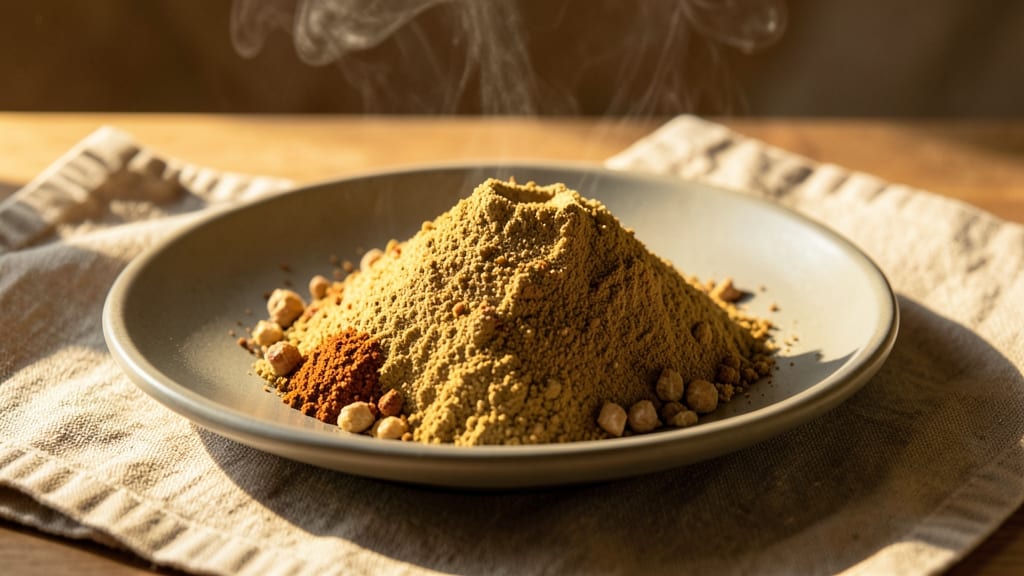
This smoked pork rub recipe transforms ordinary pork into crispy, fall-apart perfection—just like my first competition-winning brisket at the Atlanta BBQ Championship. The blend of bold spices and sweet heat creates a bark so flavorful, it turns every bite into a smoky masterpiece.
Growing up in small-town Georgia, I learned that the secret to award-winning pork lies in the rub, not just the smoke.
The magic happens with a precise balance of paprika, brown sugar, and cayenne—the trio that builds that signature crust while keeping the meat tender inside. This isn’t just any dry blend; it’s a foolproof method developed over years of smoking 2,000 pounds of pork weekly at my restaurant.
The spices are measured in exact ratios, ensuring every application delivers consistent, professional results without guesswork.
What makes this rub special is its versatility—it works on everything from ribs to pulled pork, turning simple cuts into showstopping centerpieces. The crispy bark forms at the perfect moment, locking in smoky flavors while keeping the interior juicy.
Once you try this blend, you’ll never settle for store-bought seasonings again.
Make a big batch and store it in an airtight container for up to 6 months—perfect for when inspiration (or hunger) strikes. Here’s exactly how to mix it for maximum impact.
Ingredients for smoked pork rub
Nine spices, one competition-winning blend—this rub turns pork into smoky perfection every time.
| Ingredient | Amount | Notes |
|---|---|---|
| Smoked Paprika 🌶️ | 3 tbsp | High-quality smoked for deep bark |
| Brown Sugar 🍯 | 2 tbsp | Light or dark, packed firmly |
| Kosher Salt 🧂 | 2 tbsp | Diamond Crystal preferred |
| Ground Black Pepper 🌶️ | 1 tbsp | Freshly cracked for sharpness |
| Garlic Powder 🧄 | 1 tbsp | Not garlic salt |
| Onion Powder 🧅 | 1 tbsp | Finely ground for smooth blend |
| Ground Cumin 🌿 | 1 tsp | Toasted for deeper aroma |
| Cayenne Pepper 🔥 | ½ tsp | Adjust for heat preference |
| Mustard Powder 🍯 | ½ tsp | Yellow or Dijon for tang |
| Ground Coriander 🌿 | ½ tsp | Sweet and citrusy balance |
The smoked paprika is non-negotiable here—it’s the backbone of that signature bark. I always grab mine from Penzeys Spices or the bulk bins at Whole Foods, where it stays fresher longer. That brown sugar? Pack it firmly—no scooping from the bottom of the bag. The Diamond Crystal kosher salt makes all the difference too; it’s coarser and dissolves better than table salt. For the cumin and coriander, toast them lightly in a dry pan before grinding if you’ve got the time—it deepens their flavor by miles. And trust me on the mustard powder, even just half a teaspoon—it cuts through the richness and keeps the rub balanced.
No smoked paprika? Regular paprika plus a pinch of liquid smoke gets you 80% there. Short on cayenne? Red pepper flakes at half the amount works, but you’ll lose some of that signature kick. The brown sugar can be swapped for turbinado sugar if you’ve got it—it’s got a slightly crunchier texture that adds to the bark. For the garlic and onion powders, if you’ve got fresh, toast and grind them yourself—the difference is night and day. And if you’re making a big batch, double the spices but keep the ratios exact. This blend is foolproof, but like any great recipe, it’s all in the details.
Store this in an airtight container—I use a glass jar with a silicone lid—and keep it in a cool, dark place. It’ll stay potent for up to 6 months, though I usually go through it faster than that. The rub loses its punch once exposed to light, so keep it sealed tight. For extra insurance, freeze portions in ice cube trays—just pop out what you need and you’re good to go. And if you’re feeling ambitious, make a triple batch—you’ll thank me later when you’re slapping it on ribs for a crowd.
Why You'll Love This Recipe
- Pantry Magic: I swear by this mix—no fancy shopping trips, just five things I already have. That deep, smoky paprika and caramelized brown sugar? They turn even the simplest pork chops into something worth bragging about.
- Sweet-Smoky Bang: The garlic powder sneaks up on you—first you notice the warmth, then the brown sugar’s caramel kick, and suddenly you’re hooked. It’s the kind of flavor that makes you want to rub it on everything (yes, even toast).
- Game for Any Day: Slap this on ribs for Sunday dinner or toss it on pork tenderloin for a weeknight. Honestly, I’ve used it on chicken thighs when I’m lazy, and no one’s complained. It’s my go-to for when I don’t want to overthink.
- Zero-Waste Winner: A little goes a long way—this batch lasts me weeks, and the leftovers? Perfect for reviving dried-out pork or turning store-bought sausages into something gourmet. Plus, it’s cheap enough that I don’t stress if I overdo it.
Step-by-step instructions for smoked pork rub recipe
This blend delivers that perfect balance of smoky depth and crispy bark every time you smoke pork.
Combine Dry Ingredients in a Mixing Bowl
Start by placing all your dry ingredients in a medium mixing bowl. I like to use a whisk for this step because it helps distribute the finer spices like the ground coriander and cayenne pepper evenly. Add the 3 tablespoons smoked paprika first - this will be your base flavor. Then incorporate the 2 tablespoons brown sugar, 2 tablespoons kosher salt, 1 tablespoon ground black pepper, 1 tablespoon garlic powder, and 1 tablespoon onion powder. The reason for this order is that the paprika and sugar will form the foundational flavor profile while the salt and pepper provide the necessary balance.
Next, add the more delicate spices: 1 teaspoon ground cumin, 0.5 teaspoon cayenne pepper, 0.5 teaspoon mustard powder, and 0.5 teaspoon ground coriander. These should be sprinkled gently over the other ingredients to prevent any clumping. The cayenne and mustard powder will add subtle heat and tang, while the coriander brings a citrusy brightness that rounds out the smoky flavors. Give everything a quick stir with your whisk to break up any potential clumps, but don't worry about perfect distribution yet - we'll handle that next.
Whisk Thoroughly to Ensure Even Distribution
Now comes the crucial part where we create a homogeneous blend. Using your whisk, vigorously mix the ingredients for about 2-3 minutes. You'll notice the mixture will gradually change color from a simple brown to a deeper, more complex hue as the spices meld together. This is where the magic happens - the heat from the cayenne and the sweetness of the brown sugar start to develop their own subtle flavors.
Pay attention to the texture as you whisk. You want the mixture to be fine and powdery with no visible specks of individual spices. If you see any larger particles of brown sugar or salt, press them gently with the back of your spoon to break them down. The goal is to create a uniform blend where every pinch delivers the same perfect balance of flavors. This thorough mixing ensures consistent flavor in every application, whether you're coating ribs, pork shoulder, or even brisket.
Test the Rub on a Small Piece of Pork
Before committing to your entire batch of meat, I always recommend testing the rub on a small piece of pork. Cut a small test piece about 1 inch thick and apply a thin layer of the rub to one side. Place this on a wire rack set over a baking sheet and bake at 375°F for 10-12 minutes until you see that beautiful golden-brown crust forming. This test gives you a chance to evaluate the balance of flavors and the level of crispiness you're achieving.
During this test, pay attention to the aroma as it develops. You should smell that deep smoky note from the paprika, with undertones of sweetness from the brown sugar and a subtle heat from the cayenne. The crust should be crispy enough to make a satisfying crackling sound when you break it, but not so hard that it's difficult to cut through. If you find the rub needs adjustment, you can tweak the proportions slightly - maybe add a bit more cayenne for heat or a touch more brown sugar for sweetness. This testing phase is your quality control to ensure the rub delivers on its promise of crispy, flavorful pork every time.
Store Properly for Maximum Freshness
Once you've perfected your blend, transfer it to an airtight container. I prefer glass jars with tight-sealing lids for this purpose. The container should be completely filled with no air gaps - this prevents moisture from affecting the spices. Label your container clearly with the contents and date, as proper storage is key to maintaining the rub's potency. When stored in a cool, dark place, this rub will keep its full flavor for up to 3 months.
The reason for these storage instructions is that light and heat degrade the volatile oils in your spices, particularly the smoked paprika and ground coriander. The airtight seal prevents moisture absorption which can cause clumping, while the dark container protects against light exposure. For even longer shelf life, you can freeze the rub in small portions - it will maintain its quality for up to 6 months in the freezer. When you're ready to use it, simply let it come to room temperature before applying to your pork to ensure even distribution and maximum flavor development during the smoking process.
Pro Tips For Making Smoked Pork Rub
- Sift the Dry Mix: Smoked paprika clumps like my ex’s excuses—don’t let it ruin your rub. Sift the spices and brown sugar together before mixing with salt and pepper. This guarantees even distribution, so every bite gets that deep, smoky punch without gritty surprises.
- Toast the Paprika: I used to skip this, but now I dry-toast the smoked paprika in a skillet for 30 seconds—just until it smells like a campfire. It deepens the flavor without burning, and that extra aroma sticks to the pork like glue.
- Don’t Crowd the Meat: If you’re coating pork chops or ribs, work in batches. Too much rub piled on at once makes it slide off and creates a messy, uneven crust. Pat the meat dry first, then press the rub firmly in a single layer—no overlapping.
- Balance the Sweetness: Brown sugar caramelizes fast, so start with 25% less than the recipe calls for. Taste the rub before applying—if it’s cloying now, it’ll be overpowering after smoking. A pinch of salt cuts the sweetness better than extra pepper ever could.
Best sauces and condiments for these flavors
Classic BBQ Sauce
This rub pairs beautifully with a tangy, smoky BBQ sauce—I swear by my vinegar-based Carolina Gold recipe. The acidity cuts through the richness of the pork while enhancing the rub's smoky notes.
For ribs, I brush on ½ cup sauce during the last 30 minutes of smoking at 225°F. The key is using apple cider vinegar and malted barley syrup for depth. 🍯
Honey-Glaze Finish
For a sweeter contrast, try a honey glaze made with ½ cup honey, 2 tbsp Dijon mustard, and 1 tbsp apple cider vinegar. Simmer until thickened, then brush on pork during the last 15 minutes of cooking.
The honey caramelizes beautifully against the rub's crust, creating a perfect balance of sweet and smoky. I use Manuka honey for extra floral notes. 🍯
Spicy Mustard Mop
Add heat with a spicy mustard mop—mix ½ cup yellow mustard, 2 tbsp apple cider vinegar, 1 tbsp smoked paprika, and ½ tsp cayenne.
This tangy, slightly spicy sauce complements the rub's depth while keeping the meat tender. Apply during the last hour of smoking for maximum flavor penetration. 🌶️
Buttermilk Baste
For pulled pork, baste with buttermilk mixed with 1 tbsp garlic powder and 1 tsp onion powder during the last 2 hours of cooking. The buttermilk tenderizes the meat while adding a creamy contrast to the rub's bold flavors. I use cultured buttermilk for extra richness. 🥛
Smoky Chipotle Aioli
Serve with a smoky chipotle aioli—blend ½ cup mayonnaise, 1 chipotle pepper in adobo, 1 tsp smoked paprika, and 1 tsp apple cider vinegar.
This creamy, spicy dip elevates every bite of your smoked pork. I make a big batch and store it in the fridge for up to 5 days. 🔥
Nutrition facts
Frequently asked questions
Can I adjust the heat level in this smoked pork rub?
The recipe includes 0.5 teaspoon cayenne pepper for mild heat. For a milder rub, reduce to ¼ teaspoon cayenne or swap for ½ teaspoon red pepper flakes. For extra heat, increase to 1 teaspoon cayenne or add ½ teaspoon crushed red pepper. Always taste-test before applying to your pork.
How much rub should I use per pound of pork?
For ribs and chops, use 1-2 tablespoons per pound of meat. For larger cuts like pork shoulder or brisket, apply 2-3 tablespoons per pound. The key is to press the rub firmly into the meat so it adheres well. For extra crispiness, apply a second coat after 2-3 hours of smoking.
Can I make this rub without smoked paprika?
Yes, but the flavor will differ slightly. Replace the 3 tablespoons smoked paprika with 2 tablespoons regular paprika and add ½ teaspoon liquid smoke to the mix. This won't replicate the depth of smoked paprika, but it works in a pinch. For best results, always use high-quality smoked paprika when possible.
Why does my rub clump when I mix it?
Clumping usually happens when moisture gets into the spices. To prevent this, store your rub in an airtight container and keep it in a cool, dry place. If clumps form, break them up with a fork or whisk before using. For extra insurance, store individual portions in small jars or ice cube trays in the freezer.
How does this rub work with different pork cuts?
This versatile rub works on all pork cuts! For ribs and chops, apply generously for a crispy bark. For pork shoulder or brisket, use it as a base and add a vinegar-based mop during cooking. For pulled pork, apply the rub and baste with buttermilk in the last 2 hours of smoking. The rub's balance of sweet and smoky flavors enhances every cut.